Bomoh
In its own language: بوموه
from the Malay word for doctor or sorcerer, used since classical times
A Malay shaman and traditional healer who works with spirits, herbs, and geomancy.
The bomoh is a Malay shaman and traditional medicine practitioner found in Malaysia, Sumatra, and Borneo. They are believed to heal the sick, find lost items, and influence luck through rituals, herbal knowledge, and spirit work.
- Bomoh means doctor or sorcerer in Malay
- Uses herbal medicine and geomancy called tajul muluk
- Rituals involve trance dances and spirit summoning
- MH370 bomber claimed to locate plane using bamboo binoculars
- Declined during 1970s-80s Islamization period
What it is
A bomoh is a Malay shaman and traditional healer active in Malaysia, Sumatra, and parts of Borneo. The role combines herbal medicine, geomancy known as tajul muluk, and spirit work. While often translated loosely as witch doctor, the practice is distinct. Practitioners serve as intermediaries between people and the spiritual world. They address health issues, locate missing persons, and manage fortune or misfortune through rituals and incantations called jampi. The craft retains animist and Hindu elements alongside Islamic influences, reflecting the region's complex history.
Where it comes from
Shamanism in Southeast Asia traces back to prehistoric tribal traditions. Before European colonization, bomoh were exempt from taxes due to their minimal material possessions. The term appears in Malay texts like the Hikayat Aceh from the seventeenth century. Sanskrit mantras entered the practice through ancient Hindu-Buddhist influence. Over time, the role evolved, absorbing local customs and religious shifts while maintaining its core function as a community healer and spiritual guide.
How it is done
Healing involves restoring balance among the four classical elements: fire, water, earth, and wind. Patients may bathe in cool water mixed with lime juice. Rituals include music and trance dances such as main puteri or main lukah, accompanied by an assistant called tuk minduk. Some practitioners use cemeteries to summon spirits. Others rely on specific tools like bamboo binoculars or coconuts during ceremonies. Incantations and Quranic verses may be recited to invoke protection or aid.
Tools and materials
Practitioners use herbal knowledge and geomantic principles to diagnose ailments. Ritual objects vary by ceremony but can include bamboo binoculars, coconuts, water from holy sites, and small books of scripture. Spirits play a central role, either selected by the bomoh or choosing them. These entities are said to provide healing, information, or harm depending on the request and the spirit's nature.
Bomoh, drawn and placed
- Living
- Revived
- Fading
- Historical
- Legendary
- Performed
- Lineage
- Malay shamanism
- Timing
- during illness, loss, or crisis
What it is for
People consult bomoh for healing, finding lost individuals, or understanding bad luck. Some seek protection against curses or negative forces. Others ask for help with harvests or weather, though these tasks often overlap with pawang specialists. The practice addresses personal crises and community needs, offering solutions rooted in spiritual intervention and traditional medicine.
Who does it
Bomoh are trained through lineage or apprenticeship, gaining expertise in herbs and rituals. Gender roles are not strictly defined in historical records, though modern public figures have been male. Training involves mastering jampi, understanding element balance, and learning to interact with spirits. Conservative shamans view adaptations to modern Islam as shallow, preferring older methods.
Peoples and places
The term bomoh is common in Malaysia, while Indonesians prefer dukun. Pawang is another related title, focusing more on nature and weather rituals. Both bomoh and pawang claim to act as spirit intermediaries. Thai bomoh Siam are also respected in Malaysia. The practice spans Malay communities across the region, adapting to local beliefs and religious contexts over centuries.
At a glance: who, where and when
Who does it
Peoples
Belief worlds
Occasions
What people believe
Malay metaphysics views the universe as composed of fire, water, earth, and wind. Illness stems from elemental imbalance. Spirits, including hantu and dewa-dewi, influence daily life. Bomoh mediate between humans and these entities. Some practitioners incorporate Islamic prayers, while others maintain older animist frameworks. The cosmology blends indigenous beliefs with imported religious ideas, creating a unique spiritual system.
When it is done
Rituals occur during illness, loss, or personal crisis. No fixed festival calendar governs the practice. However, some dances and ceremonies align with seasonal or agricultural cycles. Trance performances may happen at community gatherings or private consultations. The timing depends on the client's need rather than a set schedule.
How scholars and sceptics see it
Anthropologists study bomoh as part of Southeast Asian shamanic traditions. Historians note their tax-exempt status before colonial rule. Modern scholars observe the tension between traditional practices and Islamic orthodoxy. Critics point to fraudulent practitioners who emerged after the decline of genuine herbalism in the late twentieth century. Researchers document how bomoh adapt to changing social norms.
Cautions and what is closed
Fraudulent practitioners have exploited the role for profit, leading to public suspicion. Conservative Muslims view spirit invocation as deviant. Legal authorities have intervened when rituals caused public disturbance, such as the MH370 incident. Misuse of the title bomoh can damage community trust. Outsiders are generally excluded from sacred knowledge and restricted rituals.
Compare and confuse
Bomoh is often confused with pawang, though their functions differ. Dukun is the Indonesian equivalent. Witch doctor is a mistranslation that obscures the professional nature of the role. Similar shamanic figures exist across Southeast Asia, each with distinct local variations and tools.
Law and persecution
Islamic authorities have issued fatwas against certain bomoh practices, viewing them as contradictory to teachings. Public rituals that cause disruption may face legal scrutiny. The role exists in a gray area between tradition and religious law. Some practitioners adapt to avoid conflict, while others maintain traditional methods despite criticism.
Rites that involve Bomoh
Questions people ask about Bomoh
What is a bomoh?
A bomoh is a Malay shaman and traditional healer who uses herbs, geomancy, and spirit rituals to treat illness and solve problems.
Where do bomoh practice?
They are found mainly in Malaysia, Sumatra, and Borneo, with similar roles called dukun in Indonesia and pawang in other regions.
How do bomoh heal?
They restore balance among fire, water, earth, and wind using herbal baths, incantations, and sometimes trance dances to communicate with spirits.
Are bomoh still active today?
Yes, though many face suspicion due to fraud and Islamic conservatism. Some adapt by incorporating Quranic verses into their rituals.
Why did bomoh appear during MH370?
A self-proclaimed Raja Bomoh performed public rituals claiming to locate the missing plane, drawing international attention and criticism.
Good reading and sources
The facts on this page come from the Wikipedia article "Bomoh", written by its contributors and used under the CC BY-SA 4.0 licence, and from its Wikidata record (CC0). EveryJaadu rewrote the text in its own words, with AI assistance, and compares every page with the article to make sure no passage is copied. It may be reused under the same CC BY-SA 4.0 licence with a link back.
It may contain mistakes. Names and customs differ from one community to the next, and some knowledge is closed to outsiders and left out here. This page describes belief and practice. It does not say that any of it works, it is not a how-to, and it is not medical advice. If something is wrong, tell us. Last refreshed 2026-10-05.
More from Malaysia
All the entries from Malaysia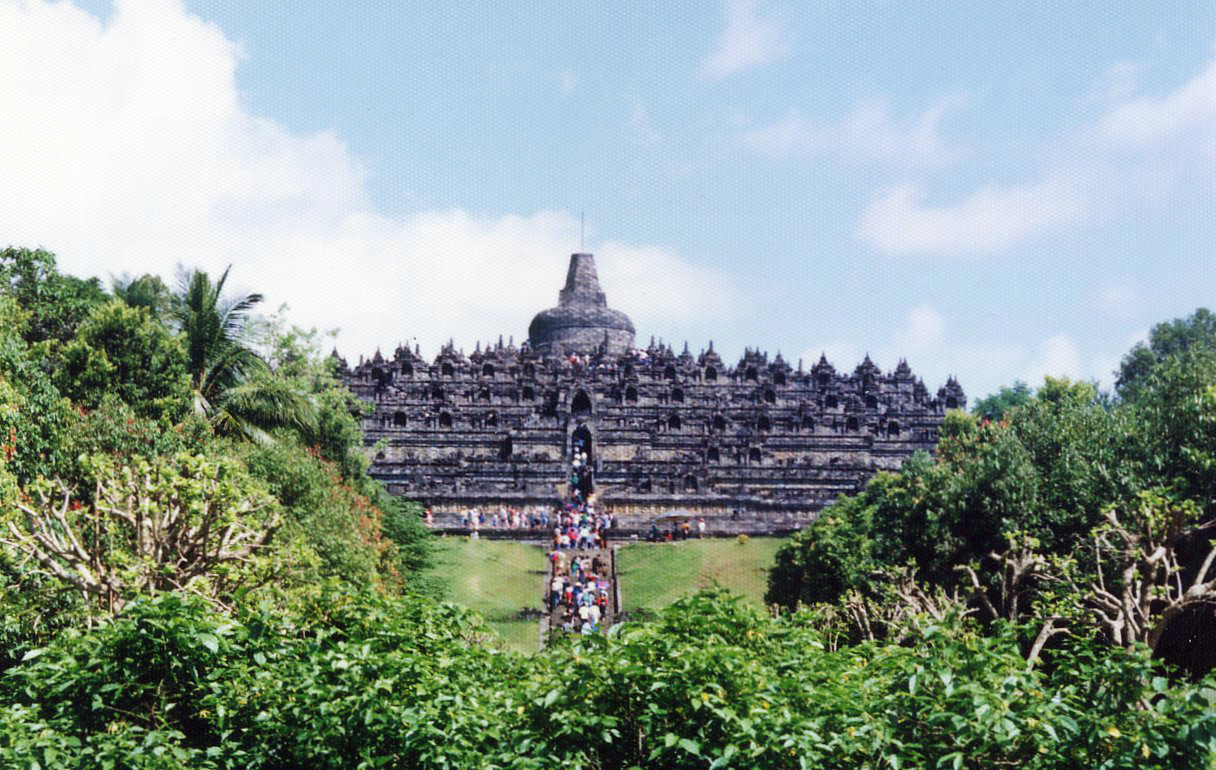 🇮🇩 Indonesia and 4 moreKejawènꦏꦗꦮꦺꦤ꧀ (Kajawèn)
A Javanese tradition blending animism, Hinduism, Buddhism and Islam into a path of inner harmony.Tradition · Protection · Speaking with spirits and the dead Living
🇮🇩 Indonesia and 4 moreKejawènꦏꦗꦮꦺꦤ꧀ (Kajawèn)
A Javanese tradition blending animism, Hinduism, Buddhism and Islam into a path of inner harmony.Tradition · Protection · Speaking with spirits and the dead Living
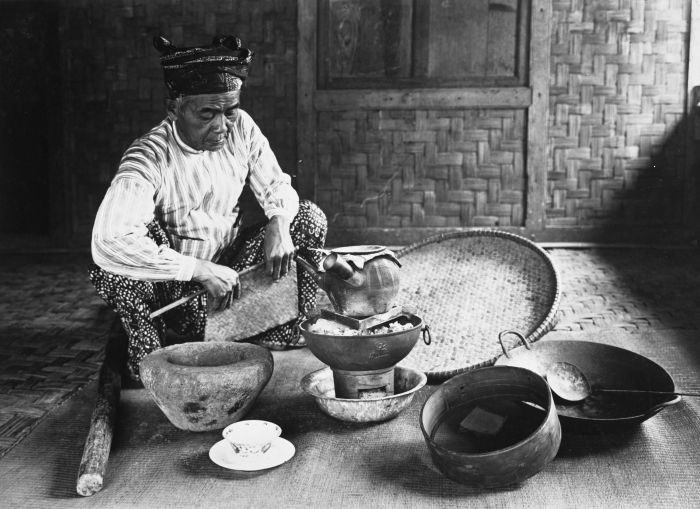 🇮🇩 Indonesia and 2 moreDukun
A traditional healer and spirit medium in Indonesian folk practiceTradition · Healing · Seeing and foretelling Living
🇮🇩 Indonesia and 2 moreDukun
A traditional healer and spirit medium in Indonesian folk practiceTradition · Healing · Seeing and foretelling Living
 🇲🇾 MalaysiaBobohizan
A high priestess and spirit medium in the traditional rituals of the Kadazan-Dusun people of Sabah.Tradition · Healing · Protection Fading
🇲🇾 Malaysia and 1 moreOrang Minyak
A slippery ghost from Malay folklore that abducts women and is covered in black grease.Being · Cursing and harm Legendary
🇲🇾 MalaysiaBobohizan
A high priestess and spirit medium in the traditional rituals of the Kadazan-Dusun people of Sabah.Tradition · Healing · Protection Fading
🇲🇾 Malaysia and 1 moreOrang Minyak
A slippery ghost from Malay folklore that abducts women and is covered in black grease.Being · Cursing and harm Legendary
Related elsewhere
All tradition 🇯🇲 Jamaica and 5 moreObeah
A Caribbean tradition of ritual healing and spell-casting with African rootsTradition · Protection · Healing Living
🇯🇲 Jamaica and 5 moreObeah
A Caribbean tradition of ritual healing and spell-casting with African rootsTradition · Protection · Healing Living
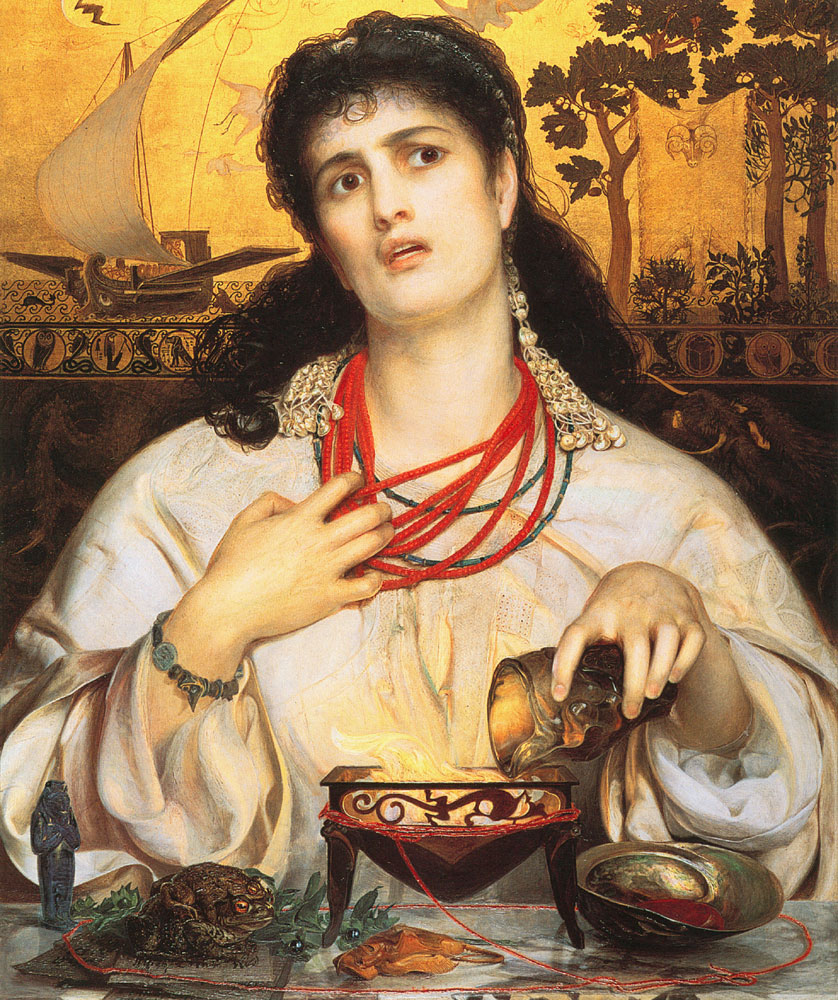 🇬🇷 GreeceMedeaΜήδεια
A sorceress and princess of Colchis who aids Jason and uses magic for revenge.Figure · Cursing and harm · Healing Legendary
🇬🇷 GreeceMedeaΜήδεια
A sorceress and princess of Colchis who aids Jason and uses magic for revenge.Figure · Cursing and harm · Healing Legendary
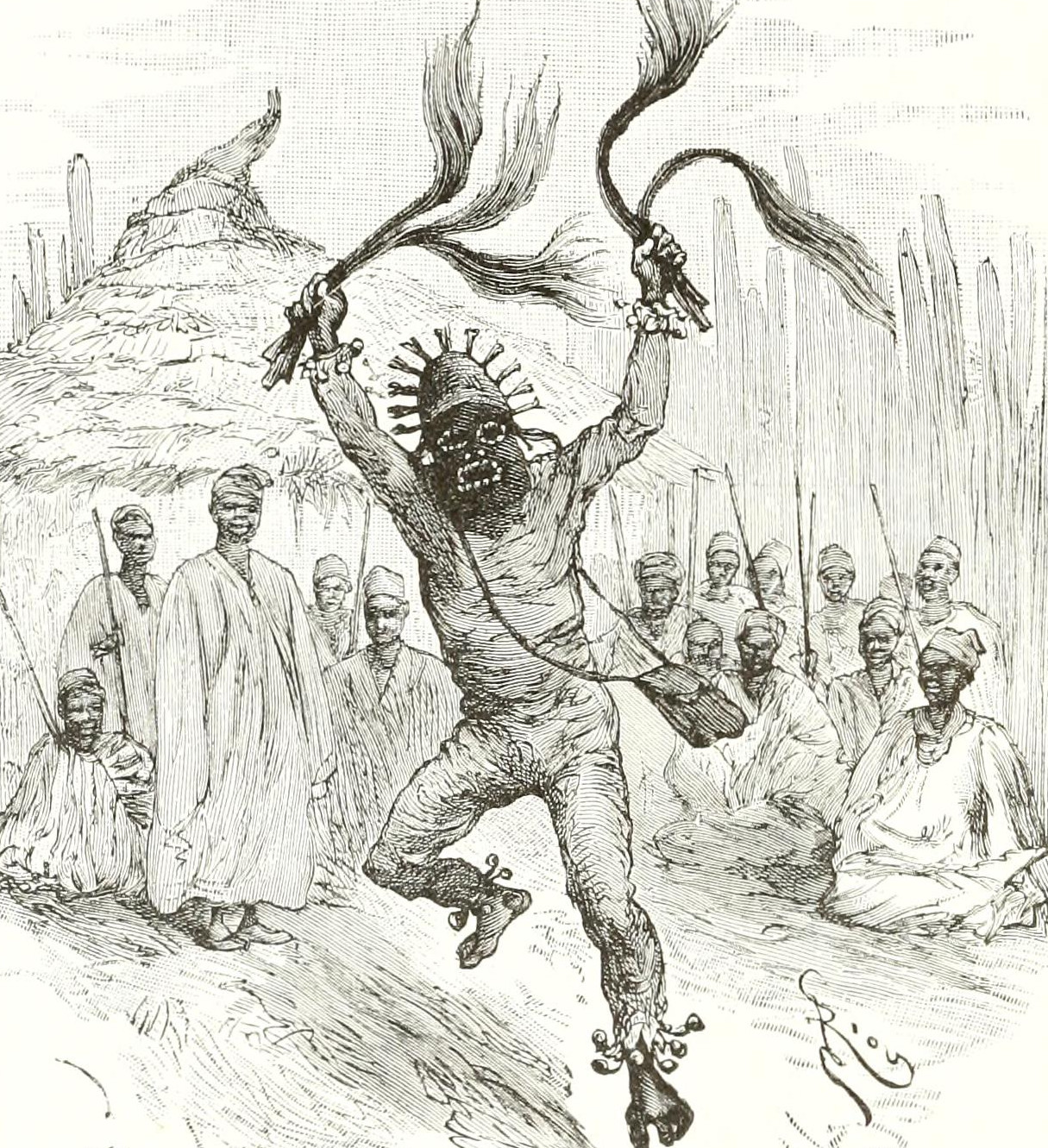 🇺🇸 United States and 2 moreLouisiana Voodoo
An African diasporic religion practiced in Louisiana from the 18th to early 20th centuriesTradition · Healing · Protection Historical
🇺🇸 United States and 2 moreLouisiana Voodoo
An African diasporic religion practiced in Louisiana from the 18th to early 20th centuriesTradition · Healing · Protection Historical
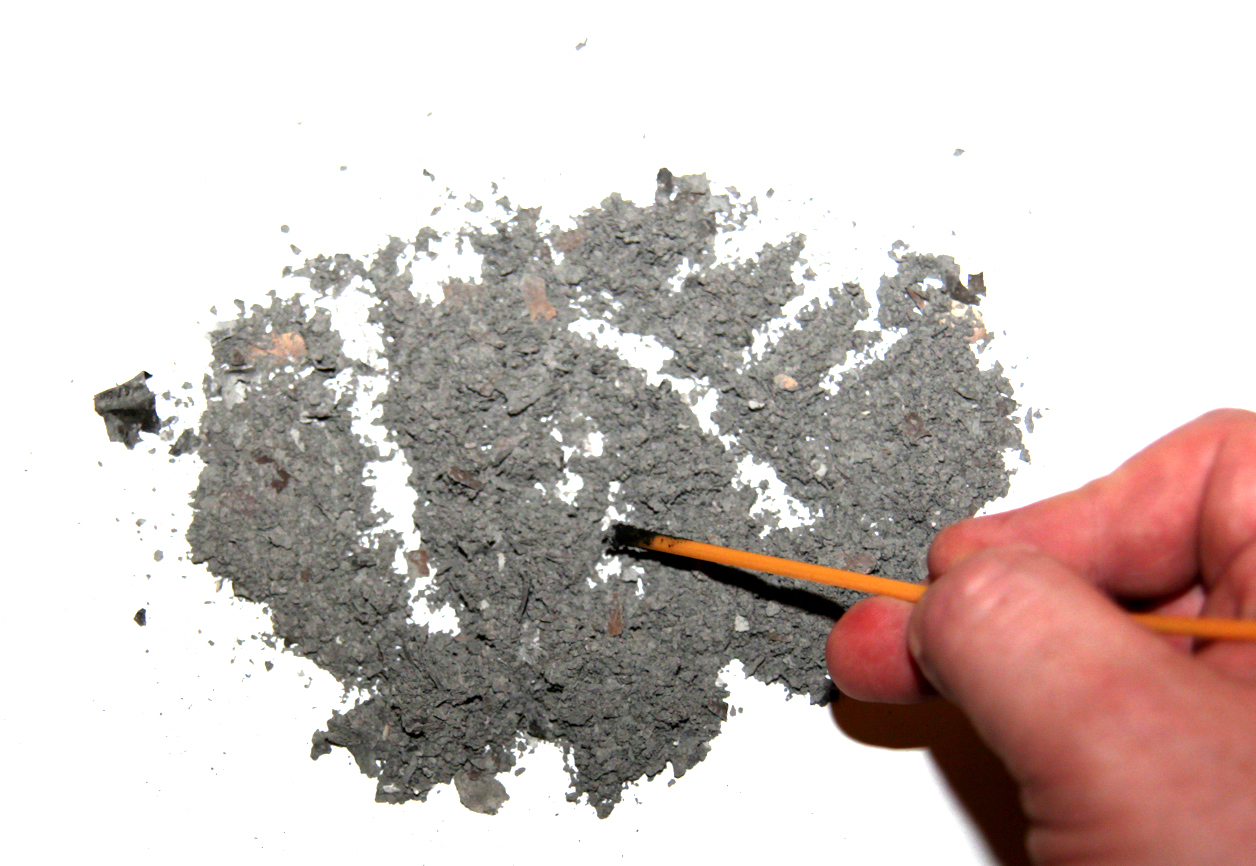 🇬🇷 Greece and 5 moreSpodomancy
Divination by reading omens in ashes, soot, and cindersOracle · Seeing and foretelling · Healing Living
🇬🇷 Greece and 5 moreSpodomancy
Divination by reading omens in ashes, soot, and cindersOracle · Seeing and foretelling · Healing Living