
Serving Mapuche communities across Chile and Argentina, a machi provides spiritual counsel, herbal remedies, and prophetic guidance. Practitioners lead rituals to balance spiritual forces, interpret dreams, and treat illnesses.
- Machi practitioners heal through herbal knowledge and by speaking with spirits during the machitun.
- Spiritual authority is often inherited through the maternal grandmother line.
- Practitioners navigate fluid gender roles during rituals to restore balance to sick patients.
- The life-giving deity Nguchen is understood through four generational and gendered aspects.
What it is
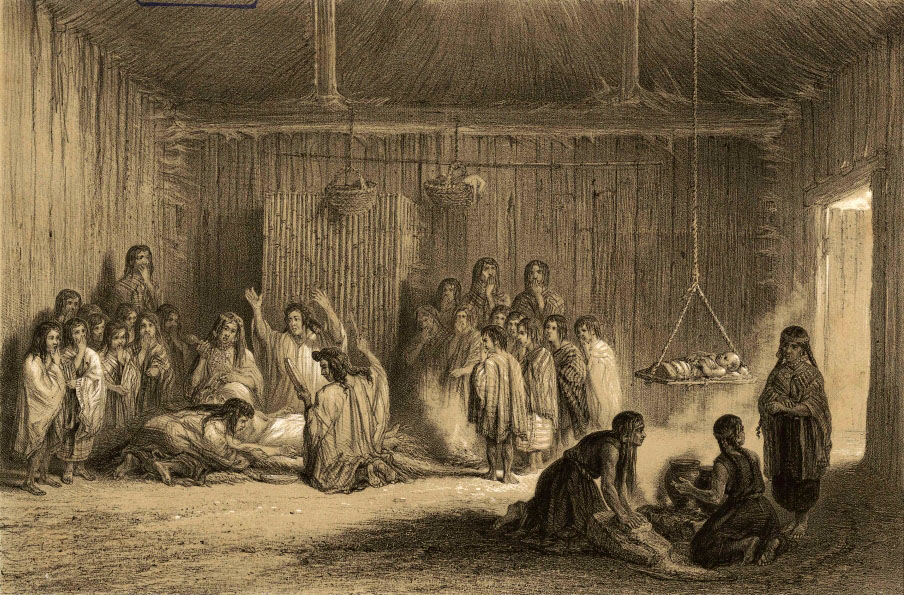
Within Mapuche society, a machi serves as a community doctor, spiritual leader, and advisor. Practitioners conduct ceremonies called machitun to speak with spirits, heal illnesses, and maintain balance. They also interpret dreams, known as pewma, and historically offered counsel regarding conflicts and peace treaties. While the related term kalku usually indicates malevolent sorcery, common speech occasionally blurs the distinction between the two titles. Machis are widely known for their extensive botanical expertise and are consulted to discover if negative supernatural forces are harming community members. Their traditional medical practices have gained growing recognition across broader Chilean society.
How it is done
Healing sessions take the form of the machitun, an event where the practitioner reaches out to the spirit realm. To treat an ailment, the officiant shifts between feminine, masculine, and dual-gender identities, matching and balancing the cosmic energies of the sick person. Training for the role culminates in the machiluwun, a formal consecration rite. Before this dedication, the selected child spends six months residing alongside an experienced machi, studying herbal preparations, ritual procedures, and dream reading.
Tools and materials
Herbal preparations form the foundation of this practice. Plants carry distinct spiritual genders based on their inherent properties. For instance, the laurel tree is treated as feminine because of its gentle, soothing character. In contrast, the triwe tree is classified as masculine due to its strong protective attributes. Machis draw upon these botanical qualities to create remedies and rebalance spiritual energies.
Machi, drawn and placed
- Living
- Revived
- Fading
- Historical
- Legendary
- Performed
- Lineage
- Mapuche religion
What it is for
Community members seek out a machi for physical healing, prophetic advice, and the interpretation of symbolic dreams. Rites are conducted to restore harmony when the foundational components of life become disordered within a person. Machis are also consulted to identify individuals suspected of directing harmful supernatural forces against others. In earlier eras, communities relied on their guidance to make crucial decisions about warfare and peace agreements.
Who does it
Candidates are typically recognized in childhood through prophetic dreams, sudden visions, family legacy, or personal initiative. Undergoing the demanding and painful training requires tremendous discipline and mental fortitude. Although most practitioners are women who often inherit their calling through maternal grandmothers, men also take up the path as machi weye. Practitioners frequently embody flexible gender roles, known among researchers as cogender identities. While women often gain respect through marriage and motherhood, male practitioners sometimes adopt celibate or warrior identities.
Peoples and places
This tradition belongs to the Mapuche people, who inhabit the southern regions of South America. Most reside in central Chile, particularly across the Araucanía and Los Lagos regions, alongside communities living in adjacent territories of Argentina. Within these communities, machis hold high spiritual standing, being served first during communal meals as individuals appointed by the divine, even while navigating complex social tensions surrounding their unconventional gender expressions.
At a glance: who, where and when
Who does it
Peoples
Belief worlds

What people believe
Mapuche cosmology centers on Nguchen, the creator and giver of life, who encompasses four generational and gendered aspects representing older and younger male and female forces. Illness is understood as a disruption or imbalance among these four fundamental facets. While plants and spirits hold fixed, unalterable genders, machis possess the unique capacity to transcend rigid boundaries, moving fluidly between earthly realities where gender is static and spiritual realms where identity remains dynamic.
How scholars and sceptics see it
Anthropological research, notably by scholar Ana Bacigalupo, explores how machi identity bridges masculine and feminine attributes through fluid, cogendered expressions. Studies emphasize that spiritual tasks require moving beyond rigid binary categories. However, some practitioners voice concern over academic portrayals, arguing that outside researchers often reduce complex ceremonial roles to foreign concepts of sexuality or witchcraft without directly consulting the lived experiences of the Mapuche people themselves.
Cautions and what is closed
Practitioners often encounter prejudice, homophobia, and transphobia from surrounding society due to their fluid gender presentation, occasionally facing derogatory slurs. Historical records also document extreme crisis events. Following the catastrophic 1960 earthquake and tsunami, community members at Lago Budi performed a ritual sacrifice of a young child, José Luis Painecur, allegedly directed by a machi named Juana Namuncurá Añen to placate the earth and ocean.
Compare and confuse
In everyday speech, the term machi is sometimes confused with kalku. While both terms refer to people working with unseen forces, a kalku is typically associated with harmful magic and malevolence, whereas a machi is understood to perform beneficial healing and community service.
Law and persecution
Legal precedent touched this tradition following the 1960 Lago Budi incident. The individuals charged with the sacrifice confessed and were detained, but a Chilean court released them after two years. The presiding judge concluded that the participants had acted without free will, driven by the overwhelming force of ancestral traditions during a catastrophic natural disaster.
Today
Mapuche healing traditions continue to operate actively in southern South America while gaining broader recognition throughout Chilean healthcare and society. Practitioners maintain their traditional responsibilities as spiritual counsellors, botanical healers, and interpreters of dreams. Even as they face modern social pressures and prejudices regarding gender roles, machis preserve their central standing within community ceremonies.
Questions people ask about Machi
What is a machi?
A machi is a Mapuche spiritual authority, herbal healer, and dream interpreter in Chile and Argentina. They conduct healing rites called machitun and offer guidance to their communities.
Where does the machi tradition come from?
The tradition comes from the Mapuche people of southern South America, primarily residing in central Chile and neighbouring areas of Argentina.
How are machis chosen and trained?
Candidates are usually identified in childhood through visions, dreams, or family inheritance. Training requires endurance and culminates in the machiluwun ceremony after months of study with an experienced teacher.
What role does gender play in machi practice?
While most practitioners are women, men also serve. During ceremonies, machis move fluidly between masculine and feminine spiritual identities to restore harmony to their patients.
Good reading and sources
The facts on this page come from the Wikipedia article "Machi (shaman)", written by its contributors and used under the CC BY-SA 4.0 licence, and from its Wikidata record (CC0). EveryJaadu rewrote the text in its own words, with AI assistance, and compares every page with the article to make sure no passage is copied. It may be reused under the same CC BY-SA 4.0 licence with a link back.
It may contain mistakes. Names and customs differ from one community to the next, and some knowledge is closed to outsiders and left out here. This page describes belief and practice. It does not say that any of it works, it is not a how-to, and it is not medical advice. If something is wrong, tell us. Last refreshed 2026-10-05.
More from Chile
All the entries from Chile 🇨🇱 Chile and 1 moreMapuche religion
The traditional spiritual practice of the Mapuche people of Chile and ArgentinaTradition · Protection · Healing Living
🇨🇱 Chile and 1 moreMapuche religion
The traditional spiritual practice of the Mapuche people of Chile and ArgentinaTradition · Protection · Healing Living
Related elsewhere
All tradition 🇺🇸 United StatesKahuna
A Hawaiian expert or priest, keeper of hidden knowledge in craft and spiritTradition · Healing · Seeing and foretelling Living
🇯🇵 JapanYutaユタ
Okinawan folk shamans who guide families through spirits and fortune-tellingTradition · Protection · Healing Living
🇺🇸 United StatesKahuna
A Hawaiian expert or priest, keeper of hidden knowledge in craft and spiritTradition · Healing · Seeing and foretelling Living
🇯🇵 JapanYutaユタ
Okinawan folk shamans who guide families through spirits and fortune-tellingTradition · Protection · Healing Living
 🇸🇪 Sweden and 1 moreSoul flight
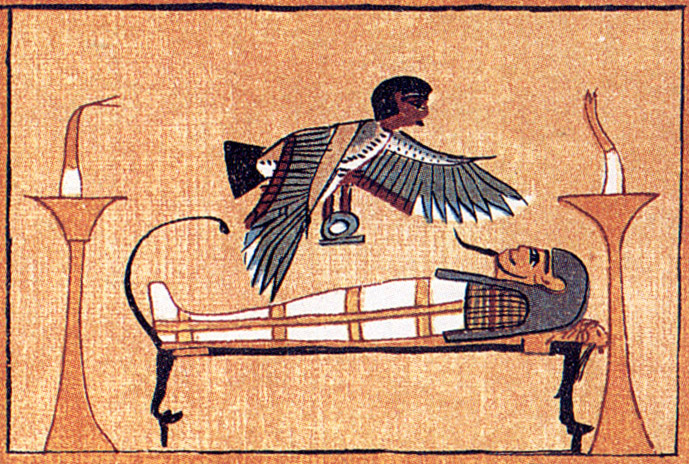
A trance practice where the spirit leaves the body to visit other realmsRite · Healing · Seeing and foretelling Historical
🇸🇪 Sweden and 1 moreSoul flight
A trance practice where the spirit leaves the body to visit other realmsRite · Healing · Seeing and foretelling Historical
 🇮🇳 IndiaNechung Oracleགནས་ཆུང་ཏ་བླ་མ
The official prophetic medium and spiritual advisor to Tibet's Dalai LamaOracle · Seeing and foretelling · Protection Living
🇮🇳 IndiaNechung Oracleགནས་ཆུང་ཏ་བླ་མ
The official prophetic medium and spiritual advisor to Tibet's Dalai LamaOracle · Seeing and foretelling · Protection Living