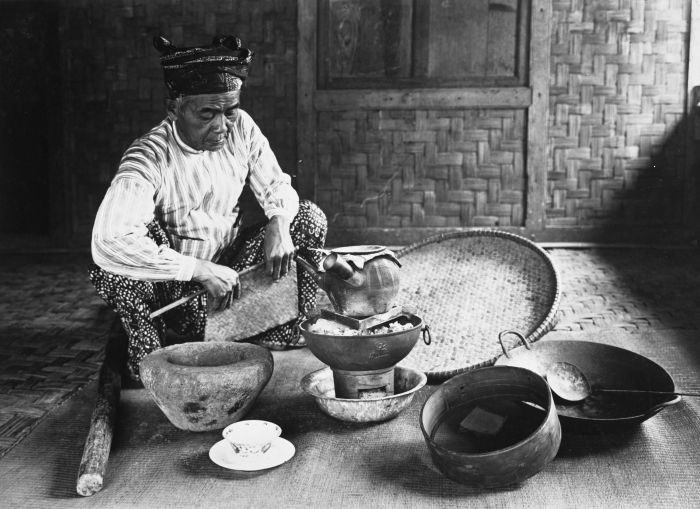
The dukun is a shamanic figure in Indonesia who serves as a healer, diviner, and spirit medium. Rooted in Javanese animism and kejawen beliefs, they operate alongside modern medicine and organized religion to address supernatural concerns.
- Dukuns are shamanic healers and spirit mediums in Indonesia.
- They are central to the kejawen animist belief system.
- Many prominent Indonesian leaders have consulted dukuns.
- Vigilante violence against suspected sorcerers has occurred.
- Knowledge is passed down orally through inheritance or apprenticeship.
What it is
The dukun functions as a spiritual specialist within Indonesian society, acting as a healer, medium, and expert in local customs. While often labeled a shaman, the role encompasses a wide range of duties from curing sickness to casting spells. Practitioners are deeply embedded in the kejawen belief system, which blends animism with ancestor worship. They are consulted when problems are viewed as having a paranormal cause, bridging the gap between the physical world and unseen forces.
Where it comes from
This tradition originates from the indigenous cultures of the Nusantara archipelago, particularly Java. Historically, these figures held high status, sometimes enjoying tax exemptions similar to Buddhist monks or Hindu priests. The knowledge is passed down orally, either through inheritance from family lines or voluntary apprenticeship. Those inheriting the craft from parents or grandparents are typically held in higher regard than those who learn from other masters.
How it is done
Consultation usually begins when a person feels afflicted by unseen forces. If the dukun is unknown, word of mouth often leads seekers to them. Rituals vary by community but frequently involve meditation at isolated sites like mountains or cemeteries. Healers may use herbal remedies, chants, animal parts, or the keris dagger. Exorcisms involve communicating with spirits to remove them from hosts. Divination relies on contacting deceased ancestors for guidance. Some practitioners perform sorcery, using incantations to cause harm or install enchanted objects like metal needles into patients.
Tools and materials
Practitioners utilize a variety of materials depending on their specific focus. Common items include herbal mixtures, incense, and offerings such as opium. The keris, a traditional wavy-bladed dagger, is a significant tool for protection and healing. Charms, amulets, and metal needles (susuk) are used for beautification or vulnerability. Incantations (jampi) and chants (mantra) are vocal tools used to direct spiritual energy. In sorcery rituals, half-circles of nails, glass, and food are arranged to target victims.
Dukun, drawn and placed
- Living
- Revived
- Fading
- Historical
- Legendary
- Performed
- Lineage
- kejawen
- Timing
- during illness, possession, or life crises
What it is for
People seek dukuns to resolve issues that modern medicine cannot explain, such as spirit possession or bad luck. Roles include healing physical ailments, providing blessings for businesses or land, and offering protection against demons. Some clients request divination to foresee future events. Others seek sorcery to harm enemies or cast love spells. The practice addresses both benevolent needs like harvest security and malevolent requests for revenge or control over others.
Who does it
Dukuns are respected yet feared figures across Indonesia, including in orthodox Muslim areas. Their training involves oral transmission of secrets, often starting with solitary meditation. Proto-Malay dukuns may also serve as village chiefs, known as tok batin. Status is often linked to lineage, with hereditary practitioners holding more authority. Despite the rise of Western medicine and revivalist religions, many educated Indonesians still consult them for spiritual matters.
Peoples and places
The practice is most common on Java, where it is central to kejawen culture. On Madura, dukuns are feared for their power in dark magic. Bali has well-regarded practitioners, while the Dayak people of Kalimantan associate them with head-hunting traditions. In Sabah, Malaysia, the Kadayan community recognizes dukuns described as having red eyes. The tradition spans multiple ethnic groups, each adapting the role to local fears and beliefs.
At a glance: who, where and when
Who does it
Belief worlds
Occasions


What people believe
The worldview underlying dukun practice is rooted in animism and ancestor worship. Spirits are believed to inhabit the natural world and can interact with humans. Dukuns are seen as able to communicate directly with these entities, who do not resist removal because they are enthralled by the living medium's ability to speak with them. Ancestors provide insight into the future. The practice assumes a world where invisible forces actively influence health, fortune, and social order.
When it is done
There are no fixed festival dates for dukun consultations. Services are requested during times of crisis, such as illness, possession, or personal misfortune. Daily life interactions may also involve seeking advice or blessings. The timing is driven by individual need rather than a communal calendar, making the practice responsive to immediate spiritual emergencies.
How scholars and sceptics see it
Anthropologists view the dukun as a key component of Javanese syncretism, blending indigenous beliefs with later religious influences. Scholars note that despite the decline in prominence due to modernization, the role remains culturally significant. Researchers highlight the tension between traditional shamanism and organized religions like Islam and Christianity. The persistence of the practice among educated elites suggests its deep integration into Indonesian identity.
Cautions and what is closed
The profession carries legal and social risks. Many self-styled dukuns have been jailed for fraud and sexual assault, preying on vulnerable believers. Violence has erupted when communities suspect sorcery; the 1998 East Java ninja scare saw vigilantes kill hundreds of suspected practitioners. Revenge attacks and killings occur when people blame dukuns for bad luck. The line between genuine spiritual service and criminal exploitation is often blurred.
Compare and confuse
The dukun is frequently confused with the pawang, another type of shaman in Indonesia. While both deal with spirits, their specific roles and methods differ. The term is sometimes mistranslated as witch doctor or medicine man, though these labels do not fully capture the complexity of the Javanese kejawen tradition. Similar roles exist in neighboring regions, such as the bomoh in Malaysia and babaylan in the Philippines.
Law and persecution
Indonesian law does not explicitly ban the dukun role, but practitioners can be prosecuted for fraud or assault if they harm clients. Vigilante violence poses a significant threat, as seen in historical massacres of suspected sorcerers. The state generally tolerates the practice as part of cultural heritage, even as modern institutions compete for influence. Legal protections are limited when accusations of black magic lead to mob justice.
Today
The dukun remains active in contemporary Indonesia, serving both rural and urban populations. High-profile figures, including former presidents, have consulted them. Diaspora communities in Malaysia and Singapore also maintain ties to these traditions. Commercialization and fraud are ongoing issues, with some individuals exploiting beliefs for financial gain. Despite modernization, the demand for spiritual healing and protection ensures the role's continued relevance.
Questions people ask about Dukun
What is a dukun?
A dukun is an Indonesian shaman who acts as a healer, diviner, and spirit medium. They are rooted in Javanese animism and kejawen beliefs, addressing supernatural causes of illness and misfortune.
Where does the dukun tradition come from?
The tradition originates from the indigenous cultures of the Nusantara archipelago, particularly Java. It blends animism, ancestor worship, and shamanic practices into the kejawen belief system.
How does one become a dukun?
Knowledge is passed down orally. Initiates may inherit the role from family or voluntarily apprentice under a master. Training often involves meditation at isolated locations like mountains or cemeteries.
Do dukuns only heal people?
No. While healing is primary, they also perform exorcisms, divination, and blessings. Some engage in sorcery, casting spells to harm enemies or protect clients from spiritual threats.
Are dukuns still practiced today?
Yes. Despite the rise of modern medicine and organized religion, dukuns remain respected figures in Indonesia. Even educated elites and former presidents have consulted them for spiritual guidance.
Good reading and sources
The facts on this page come from the Wikipedia article "Dukun", written by its contributors and used under the CC BY-SA 4.0 licence, and from its Wikidata record (CC0). EveryJaadu rewrote the text in its own words, with AI assistance, and compares every page with the article to make sure no passage is copied. It may be reused under the same CC BY-SA 4.0 licence with a link back.
It may contain mistakes. Names and customs differ from one community to the next, and some knowledge is closed to outsiders and left out here. This page describes belief and practice. It does not say that any of it works, it is not a how-to, and it is not medical advice. If something is wrong, tell us. Last refreshed 2026-10-06.
More from Indonesia
All the entries from Indonesia 🇲🇾 Malaysia and 5 morePenanggalan
A floating head with trailing organs from Malay folklore, said to hunt pregnant women and newborns.Being · Cursing and harm Legendary
🇲🇾 Malaysia and 5 morePenanggalan
A floating head with trailing organs from Malay folklore, said to hunt pregnant women and newborns.Being · Cursing and harm Legendary
 🇮🇩 IndonesiaOgoh-ogohᬳᭀᬕᭀᬄ ᬳᭀᬕᭀᬄ
Balinese sculptures paraded and burned to cleanse the environment before NyepiTradition · Cursing and harm · Cleansing and purification Living
🇮🇩 IndonesiaOgoh-ogohᬳᭀᬕᭀᬄ ᬳᭀᬕᭀᬄ
Balinese sculptures paraded and burned to cleanse the environment before NyepiTradition · Cursing and harm · Cleansing and purification Living
 🇮🇩 IndonesiaNyepiᬜᬾᬧᬶ
A Balinese day of total silence, fasting, and self-reflection to mark the new year.Rite · Cleansing and purification · Speaking with spirits and the dead Living
🇲🇾 Malaysia and 1 moreBomohبوموه
A Malay shaman and traditional healer who works with spirits, herbs, and geomancy.Tradition · Healing · Seeing and foretelling Living
🇮🇩 IndonesiaNyepiᬜᬾᬧᬶ
A Balinese day of total silence, fasting, and self-reflection to mark the new year.Rite · Cleansing and purification · Speaking with spirits and the dead Living
🇲🇾 Malaysia and 1 moreBomohبوموه
A Malay shaman and traditional healer who works with spirits, herbs, and geomancy.Tradition · Healing · Seeing and foretelling Living
Related elsewhere
All tradition 🇸🇸 South Sudan and 1 moreAzande witchcraft
A Zande belief that certain people harm others by an inherited power, judged by oraclesBelief · Cursing and harm · Seeing and foretelling Living
🇸🇸 South Sudan and 1 moreAzande witchcraft
A Zande belief that certain people harm others by an inherited power, judged by oraclesBelief · Cursing and harm · Seeing and foretelling Living
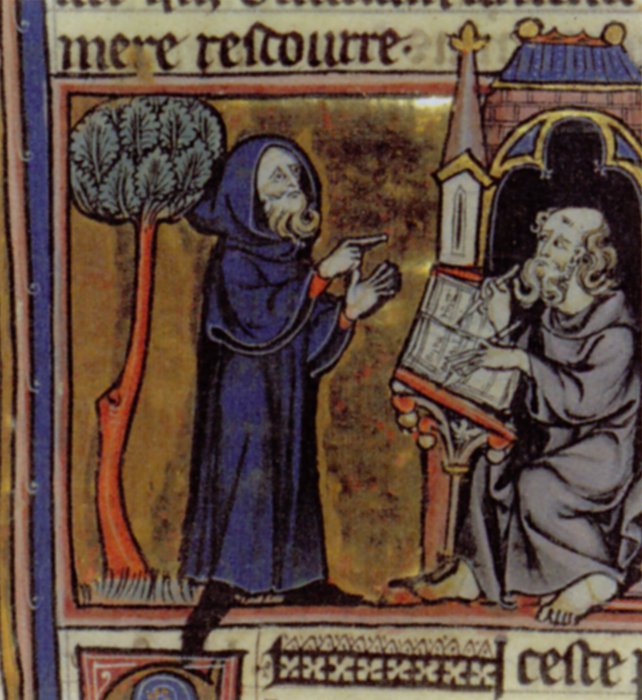 🇮🇹 Italy and 1 moreMedieval European magic
A broad category of ritual and natural practices in the Middle Ages, blending healing, divination, and religious belief.Tradition · Healing · Seeing and foretelling Historical
🇮🇹 Italy and 1 moreMedieval European magic
A broad category of ritual and natural practices in the Middle Ages, blending healing, divination, and religious belief.Tradition · Healing · Seeing and foretelling Historical
 🇨🇬 Republic of the CongoNkisi
Spirit containers and power figures from the Congo Basin used for justice and healingCharm · Protection · Healing Living
🇨🇬 Republic of the CongoNkisi
Spirit containers and power figures from the Congo Basin used for justice and healingCharm · Protection · Healing Living
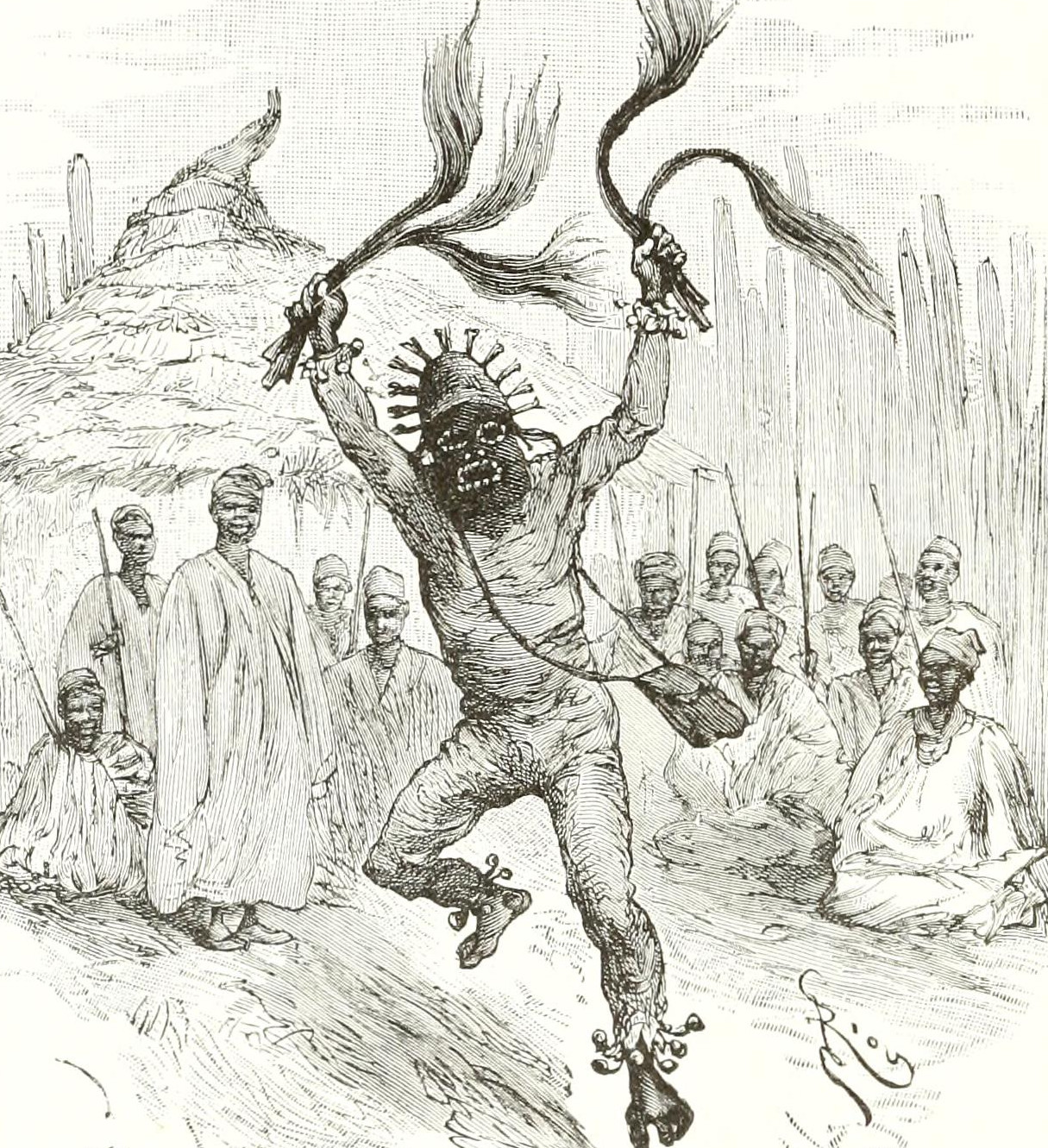 🇺🇸 United States and 2 moreLouisiana Voodoo
An African diasporic religion practiced in Louisiana from the 18th to early 20th centuriesTradition · Healing · Protection Historical
🇺🇸 United States and 2 moreLouisiana Voodoo
An African diasporic religion practiced in Louisiana from the 18th to early 20th centuriesTradition · Healing · Protection Historical