Spirits, creatures and beings
Djinn, fairies, orisha, golems and the other powers that magic deals with.
Beings are the powers that magic deals with: spirits, ancestors, gods, djinn, fairies, orisha, nats, kami, demons, golems, ghosts and the many kinds of household and landscape spirit. People in most cultures have described a world shared with unseen others, who may help, trouble or ask for respect. This page covers what these beings are said to be and the very different ways communities relate to them. They are always described here as what communities believe, not as established fact.
Different kinds of beings
A being can be a god with a priesthood, such as an orisha served in Yoruba religion, Cuba and Brazil. It can be an ancestor, honoured in China, Africa and Mexico. It can belong to a place, such as the kami of Shinto, the Thai phi or the Burmese nats. It can be a trouble-maker, like the djinn of Arabic and Islamic tradition, formed from smokeless fire, or the fairies of Ireland, whom people avoided naming.
Relationship, not command
In many traditions, a person does not command a being but enters a relationship with it, through offerings, promises and respect. Possession and mediumship are forms of that relationship, as in Vodou, Candomblé, Korean mudang rites and Sufi gatherings. In ceremonial magic of the European grimoires, by contrast, the magician summons spirits by name and authority, which the Church condemned as demon-raising. The same being may be loved in one household and feared in the next, and a spirit helpful to its servant can be harmful to a stranger.
Religions and renaming
Dominant religions often absorbed beings by relabelling them. Christian missionaries called many African and Indigenous spirits demons. Islam reads the djinn as real creatures, some of whom are Muslim, and Hindu and Buddhist traditions fold local deities into their own pantheons. Pagan and fairy beliefs were sometimes recast as the devil's work, which fed witch trials in Europe. Churches and mosques have sometimes divided beings into good and evil in ways the older traditions did not, so that a neutral local spirit became a demon on the day a missionary arrived.
Harm and interpretation
Belief in harmful spirits has been used to accuse people. Children in parts of West and Central Africa have been branded as witches possessed by evil spirits, and some have been abused by pastors or families in the name of deliverance. Scholars read spirit beliefs as ways to make sense of illness, loss and conflict, and many communities see them simply as neighbours. That is why accusations tied to spirit beliefs fall hardest on children and the vulnerable, and why many agencies train local leaders to challenge them.
Being on EveryJaadu
The entries written up so far, best known first.
 🇷🇸 Serbia and 5 moreVampire
An undead being from European folklore that feeds on the life force of the living.Being · Cursing and harm Legendary
 🇪🇬 Egypt and 1 moreLilithלִילִית
A feminine figure from Mesopotamian and Jewish mythology, often depicted as a night demon or spirit.Being · Cursing and harm Legendary
 🇮🇳 India and 1 morePishachaपिशाच (piśāca)
A flesh-eating demon from Indian religions, feared for possession and madness.Being · Cursing and harm Legendary
 🇷🇺 Russia and 3 moreVodyanoyводяной
A water spirit of Slavic folklore that dwells in rivers and lakesBeing · Cursing and harm · Luck and prosperity Legendary
 🇲🇽 Mexico and 5 moreLa Llorona
A vengeful ghost in Hispanic American folklore who mourns drowned children near water.Being · Cursing and harm · Seeing and foretelling Legendary
🇬🇭 GhanaObayifo
A vampire-creature of Ashanti folklore that glows at night and hunts for prey.Being · Cursing and harm Legendary
 🇮🇪 IrelandBansheebean sí
A female spirit in Irish folklore who wails to herald the death of a family member.Being · Cursing and harm Legendary
🇵🇭 PhilippinesEkek
A winged creature from Philippine myth that hunts pregnant women at nightBeing · Cursing and harm Legendary
 🇧🇷 Brazil and 2 moreCurupira
A backwards-footed forest guardian from Brazilian indigenous myth who punishes loggers and misleads travelers.Being · Protection · Cursing and harm Legendary
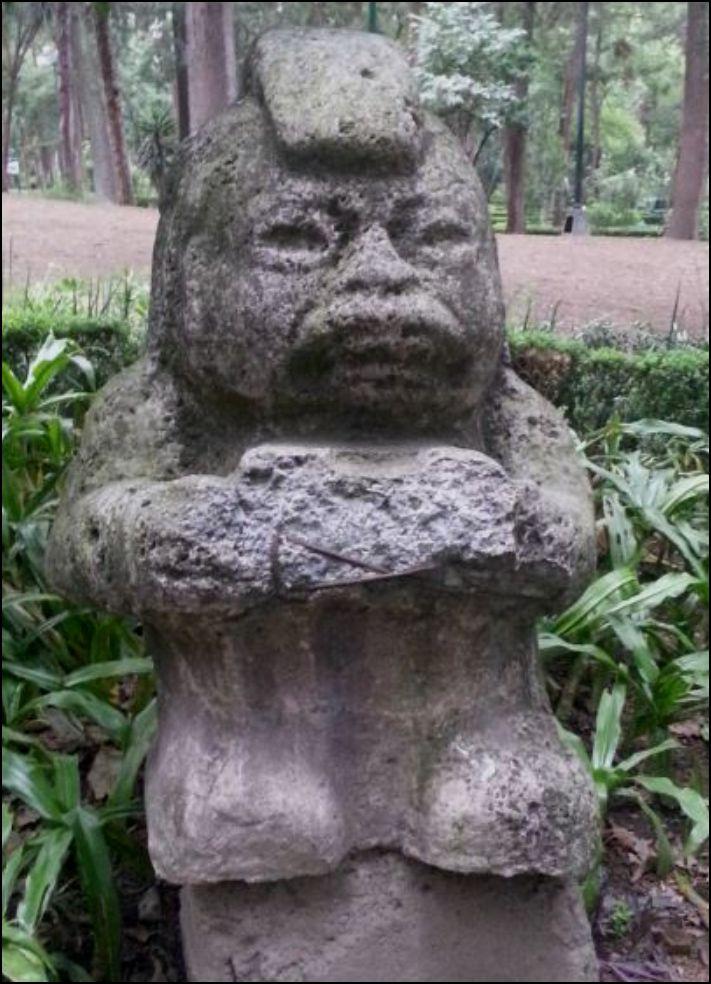 🇲🇽 MexicoChaneque
Mexican folklore sprites that guard nature and homesBeing · Protection · Cursing and harm Legendary
 🇮🇷 Iran and 2 moreDivدیو
Monstrous creatures of Persian and West Asian lore, later adapted into Islamic and regional mythologiesBeing · Cursing and harm Legendary
 🇩🇪 GermanyAlp
A Germanic spirit that presses on sleepers and drinks milkBeing · Cursing and harm Legendary
 🇷🇺 Russia and 3 moreLeshyлеший
A forest spirit from Slavic folklore who guards the woods and misleads travelers.Being · Protection · Cursing and harm Legendary
 🇯🇵 JapanKitsuneきつね
A Japanese fox spirit known for shapeshifting and trickeryBeing · Cursing and harm · Protection Legendary
🇿🇦 South AfricaMamlambo
A South African river spirit linked to wealth and reported cryptid sightingsBeing · Luck and prosperity · Cursing and harm Legendary
🇬🇧 United KingdomCŵn Annwn
Spectral hounds of the Welsh otherworld that hunt souls and signal deathBeing · Cursing and harm · Speaking with spirits and the dead Legendary
🇦🇺 AustraliaMokoi
An evil spirit in Yolngu mythology that kills sorcerers and kidnaps childrenBeing · Cursing and harm Legendary
 🇷🇺 Russia and 1 moreLikhoЛихо
A Slavic spirit of bad luck and misfortune, often depicted as a one-eyed creature.Being · Cursing and harm Legendary
 🇵🇪 Peru and 1 moreChullachaqui
A one-footed forest spirit of the Amazon that guards the jungle and lures humans with tricks.Being · Cursing and harm · Power and authority Legendary
🇹🇿 TanzaniaPopobawa
A shapeshifting spirit of Zanzibar blamed for night attacks and mass panicBeing · Cursing and harm Legendary
 🇬🇧 United Kingdom and 1 moreEach-uisge
A fierce water spirit of the Scottish Highlands and Irish shores that takes the form of a horse.Being · Cursing and harm Legendary
🇬🇧 United KingdomGlaistig
A Scottish shape-shifting spirit linked to cattle, deer, and haunted castles.Being · Protection · Cursing and harm Legendary
🇬🇭 Ghana and 2 moreSasabonsam
A tree-dwelling creature of Akan folklore with iron teeth and bat-like wingsBeing · Cursing and harm Legendary
 🇷🇺 Russia and 4 moreRusalkaрусалка
A water spirit of Slavic folklore, often linked to drowned women and seasonal ritesBeing · Cursing and harm · Luck and prosperity Legendary
🇯🇵 JapanIttan-momen一反木綿
A flying cloth yōkai from Japanese folklore that warns children to stay indoors at nightBeing · Cursing and harm Legendary
 🇨🇱 ChileTrauco
A short forest man of Chiloé whom islanders blame for unclaimed pregnanciesBeing · Love and attraction · Cursing and harm Legendary
 🇮🇪 IrelandBadb
An Irish war goddess who appears as a crow to sow fear and predict death in battle.Being · Cursing and harm · Seeing and foretelling Legendary
 🇿🇦 South AfricaInkanyamba
A storm serpent of South African folklore linked to tornadoes and river spiritsBeing · Cursing and harm · Power and authority Legendary
🇺🇸 United StatesPukwudgie
A short forest spirit from Algonquian lore, known for mischief and danger.Being · Cursing and harm · Luck and prosperity Legendary
🇬🇧 United KingdomBlack dog
A spectral hound from English folklore that signals death or guards the living.Being · Cursing and harm · Protection Legendary
🇲🇾 Malaysia and 1 moreOrang Minyak
A slippery ghost from Malay folklore that abducts women and is covered in black grease.Being · Cursing and harm Legendary
🇯🇵 JapanJorōgumo絡新婦 (kanji), じょろうぐも (hiragana)
A shapeshifting spider yōkai of Japanese folklore that lures victims with human guise.Being · Cursing and harm Legendary
 🇺🇸 United States and 5 moreNight hag
A supernatural being believed to sit on sleepers and cause paralysisBeing · Cursing and harm Legendary
 🇮🇷 Iran and 5 moreParīپری
A winged being of Persian origin, linked to beauty and the spirit world across AsiaBeing · Love and attraction · Cursing and harm Legendary
 🇮🇪 Ireland and 3 moreChangeling
A substitute left by supernatural beings in place of a stolen human child or adultBeing · Cursing and harm · Luck and prosperity Legendary
 🇮🇪 Ireland and 5 moreFairy
A European spirit with magical powers and human form found in folklore and artBeing · Protection · Cursing and harm Legendary
 🇬🇷 GreeceCirceΚίρκη
A Greek goddess and witch known for turning men into beasts with her potionsBeing · Cursing and harm · Love and attraction Legendary
 🇮🇳 IndiaParashuramaपरशुराम (Paraśurāma)
The warrior sage of Hinduism who wields a divine axe to restore cosmic balance.Being · Power and authority · Cursing and harm Legendary
 🇯🇵 JapanTengu天狗
Japanese mountain spirits that evolved from ominous birds into protective forest guardians.Being · Cursing and harm · Protection Legendary
🇷🇸 Serbia and 1 moreDrekavacДрекавац
A South Slavic night creature born from unbaptised souls or sinnersBeing · Cursing and harm Legendary
 🇮🇩 IndonesiaRangdaᬭᬗ᭄ᬤ
A Balinese demon queen who leads witches in an eternal battle against good.Being · Cursing and harm · Wonder and entertainment Legendary
🇮🇩 Indonesia and 2 moreKuntilanak
A vengeful female spirit of Indonesian and Malaysian folklore, known for luring victims with beauty before revealing a mBeing · Cursing and harm · Love and attraction Legendary
 🇯🇵 JapanKappa河童
A river-dwelling yōkai known for its head dish and love of cucumbersBeing · Cursing and harm · Wonder and entertainment Legendary
🇬🇧 United KingdomAfanc
A lake monster from Welsh mythology that dwells in dark waters and preys on the unwary.Being · Cursing and harm Legendary
🇯🇵 JapanKuda-gitsune管狐 (kuda-gitsune)
A small spirit kept in a tube or sleeve, used by Japanese folk practitioners for divination and cursing.Being · Seeing and foretelling · Cursing and harm Legendary
🇬🇧 United KingdomBarghest
A mythical black dog from Northern England that foretells death and haunts the countryside.Being · Seeing and foretelling · Cursing and harm Legendary
 🇧🇷 Brazil and 2 moreMapinguari
A hairy Amazonian monster with a belly mouth and backwards feetBeing · Cursing and harm Legendary
 🇷🇺 RussiaKikimoraКикимора
A female house spirit in Slavic folklore that reflects the state of a home.Being · Cursing and harm · Protection Legendary
Photo credits on this page
The small pictures above come from Wikimedia Commons under free licences. Some are cropped to fit.
- Changeling: Henry Fuseli, Public domain, source
- Parashurama: Unknown author, Public domain, source
- Kikimora: Гиппиус Татьяна Николаевна (1877-1957), Public domain, source
- Rusalka: Andrey Shishkin, CC BY 3.0, source
- Trauco: Seo2 (Cristian), CC BY 2.0, source
- Vampire: Edvard Munch, Public domain, source
- Inkanyamba: Bjørn Christian Tørrissen, CC BY-SA 3.0, source
- Circe: Wright Barker, Public domain, source
- Tengu: Katsushika Hokusai, Public domain, source
- Mapinguari: Lauro Iyambae (@Aptix_4p0clix), CC0, source
- Parī: Ismoon ( talk ) 22:26, 10 February 2013 (UTC), CC BY-SA 4.0, source
- Fairy: Henry Fuseli, Public domain, source
- Chullachaqui: LLs, CC BY-SA 4.0, source
- Kappa: Unknown author, CC0, source
- Lilith: Photographs by Ardon Bar Hama, author of original document is unknown., Public domain, source
- Rangda: Boy Lawson, CC BY-SA 3.0, source
- Div: Unknown Calligrapher, Public domain, source
- Each-uisge: John Allan, CC BY-SA 2.0, source
- Leshy: Γραφέας, CC BY-SA 4.0, source
- Keening: W.H. Brooke, Public domain, source
- Night hag: Henry Fuseli, Public domain, source
- Likho: Mhapon, CC BY-SA 4.0, source
- Chaneque: Unknown author, CC BY-SA 4.0, source
- Alp: Henry Fuseli, Public domain, source
- Badb: Commonists, CC BY-SA 4.0, source
- Kitsune: Yoshitoshi, Public domain, source
- La Llorona: Melvin Callejas, Public domain, source
- Pishacha: Unknown author, Public domain, source
- Curupira: Sturm, CC BY-SA 4.0, source
- Vodyanoy: Ivan Bilibin, Public domain, source