The Sasabonsam is a folkloric entity from the Akan people of West Africa. It is described as a humanoid being with bat features that lives in trees and attacks humans.
- Has iron teeth and bat-like wings up to 20 feet wide
- Lives in trees and attacks humans from above
- Enforces rules of renewal in West African forests
- Known as asasabonsam by the Asante people
- Legend reached Jamaica via enslaved Akan people
What it is
The Sasabonsam is a legendary creature found in the stories of the Akan people. It appears as a hybrid monster with human and bat traits. The being has long hair and sharp iron teeth. It possesses large wings that can span nearly twenty feet. This entity resides high in forest trees. It waits above to strike at unsuspecting victims below.
Where it comes from
This figure originates from the Akan culture of southern Ghana. The legend spread to Togo and Côte d'Ivoire through regional contact. Enslaved Akan people brought the story to Jamaica in the eighteenth century. The British Museum holds a wooden carving of the beast dated to 1935. Scholars view it as an archetypical ogre in world mythology.
Sasabonsam, drawn and placed
- Living
- Revived
- Fading
- Historical
- Legendary
- Performed
- Lineage
- Akan mythology
What it is for
The Sasabonsam serves as a guardian of forest renewal rules. It enforces natural laws within the woodland territory. The creature feeds on humans who wander into its domain. It acts as a territorial predator protecting its space in the trees.
Peoples and places
The Asante people of Ghana refer to the iron-toothed tree dweller as the asasabonsam. Descriptions vary slightly among different ethnic groups in the region. The Jamaican version arrived via the transatlantic slave trade. All accounts agree on the core features of the beast.
At a glance: who, where and when
What people believe
Mythology portrays the Sasabonsam as a hairy monster with bloodshot eyes. It has long legs and feet that point in opposite directions. The creature sits on high branches and dangles its legs. This trick is used to entangle unwary hunters passing below. It is feared as a vampire-like predator in local belief.
How scholars and sceptics see it
A Dictionary of World Mythology identifies the Sasabonsam as an ogre archetype. Researchers note the variation in names across ethnic lines. The wooden artifact in the British Museum provides physical evidence of the cultural impact. Academic study focuses on its role in West African narrative traditions.
Compare and confuse
The Sasabonsam shares traits with vampires due to its feeding habits. It also resembles an ogre because of its monstrous appearance. Other tree spirits exist in global folklore but lack these specific features.
Questions people ask about Sasabonsam
What does the Sasabonsam look like?
It is a humanoid creature with bat wings, long hair, and iron teeth. Some accounts describe feet pointing in opposite directions and bloodshot eyes.
Where does this creature come from?
It originates from the Akan people of southern Ghana. The legend also exists in Togo, Côte d'Ivoire, and was brought to Jamaica by enslaved Africans.
What is the Sasabonsam known for doing?
It lives in trees and attacks people who enter its territory. It is said to enforce rules of renewal in the forest and feed on humans.
Good reading and sources
The facts on this page come from the Wikipedia article "Sasabonsam", written by its contributors and used under the CC BY-SA 4.0 licence, and from its Wikidata record (CC0). EveryJaadu rewrote the text in its own words, with AI assistance, and compares every page with the article to make sure no passage is copied. It may be reused under the same CC BY-SA 4.0 licence with a link back.
It may contain mistakes. Names and customs differ from one community to the next, and some knowledge is closed to outsiders and left out here. This page describes belief and practice. It does not say that any of it works, it is not a how-to, and it is not medical advice. If something is wrong, tell us. Last refreshed 2026-10-05.
More from Ghana
All the entries from Ghana 🇳🇬 Nigeria and 5 moreMami Wata
A water spirit of beauty and wealth in African folklore and the Atlantic diasporaBeing · Healing · Luck and prosperity Living
🇬🇭 GhanaObayifo
A vampire-creature of Ashanti folklore that glows at night and hunts for prey.Being · Cursing and harm Legendary
🇳🇬 Nigeria and 5 moreMami Wata
A water spirit of beauty and wealth in African folklore and the Atlantic diasporaBeing · Healing · Luck and prosperity Living
🇬🇭 GhanaObayifo
A vampire-creature of Ashanti folklore that glows at night and hunts for prey.Being · Cursing and harm Legendary
 🇳🇬 Nigeria and 5 moreIfá
A Yoruba divination system using palm nuts to access spiritual guidanceTradition · Seeing and foretelling · Speaking with spirits and the dead Living
🇳🇬 Nigeria and 5 moreIfá
A Yoruba divination system using palm nuts to access spiritual guidanceTradition · Seeing and foretelling · Speaking with spirits and the dead Living
 🇬🇭 GhanaWitchcraft in Ghana
Beliefs in harmful magic and the social violence that follows accusations in GhanaBelief · Cursing and harm Living
🇬🇭 GhanaWitchcraft in Ghana
Beliefs in harmful magic and the social violence that follows accusations in GhanaBelief · Cursing and harm Living
Related elsewhere
All being 🇷🇸 Serbia and 5 moreVampire
An undead creature from folklore that feeds on the blood or life force of the livingBeing · Cursing and harm · Luck and prosperity Legendary
🇷🇸 Serbia and 5 moreVampire
An undead creature from folklore that feeds on the blood or life force of the livingBeing · Cursing and harm · Luck and prosperity Legendary
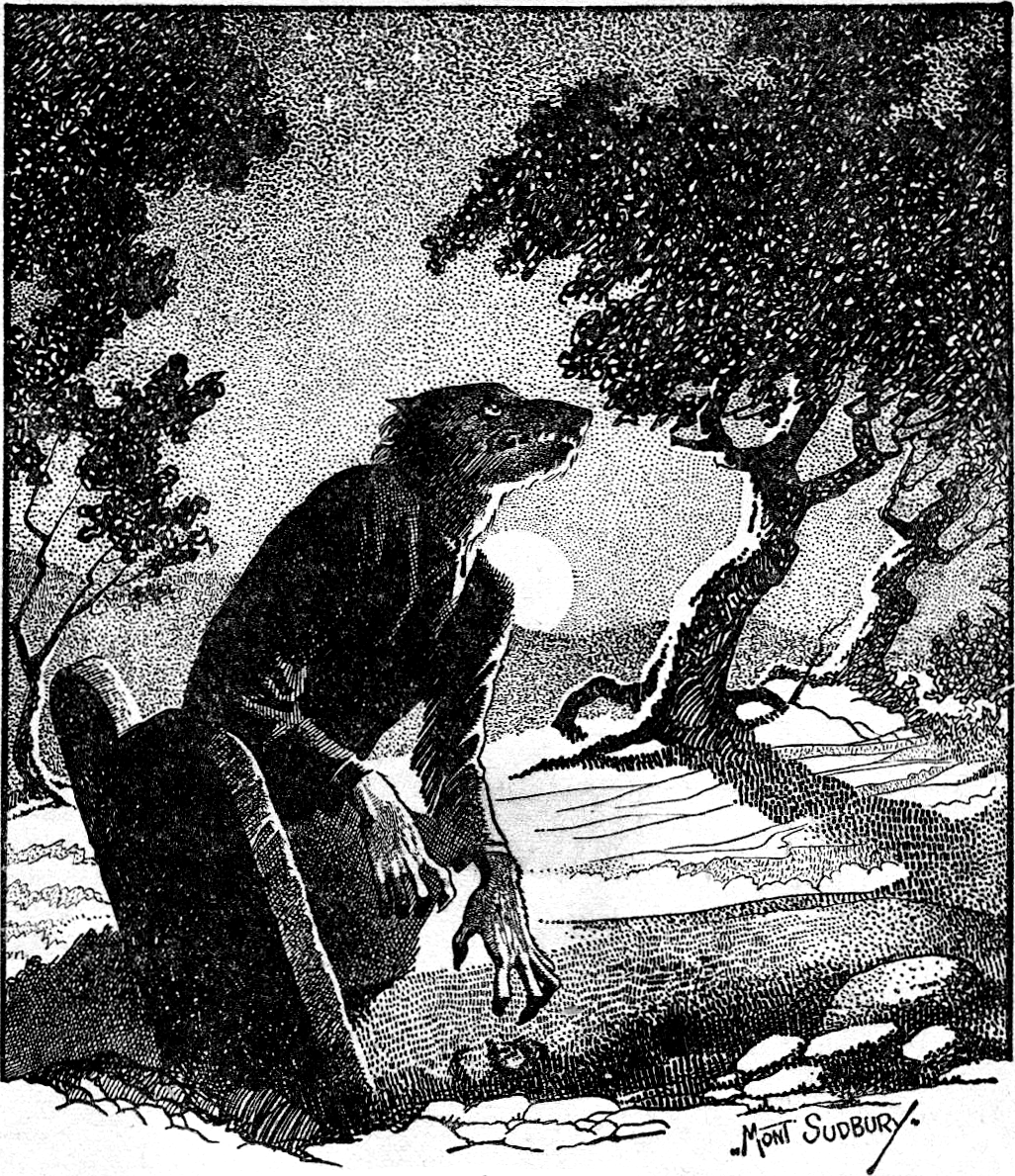 🇫🇷 France and 5 moreWerewolf
A mythical shapeshifter that turns into a wolf, central to European witch-hunts and Gothic horror.Being · Cursing and harm · Wonder and entertainment Legendary
🇫🇷 France and 5 moreWerewolf
A mythical shapeshifter that turns into a wolf, central to European witch-hunts and Gothic horror.Being · Cursing and harm · Wonder and entertainment Legendary
 🇪🇬 Egypt and 1 moreLilithלִילִית
A feminine figure from Mesopotamian and Jewish mythology, often depicted as a night demon or spirit.Being · Cursing and harm Legendary
🇪🇬 Egypt and 1 moreLilithלִילִית
A feminine figure from Mesopotamian and Jewish mythology, often depicted as a night demon or spirit.Being · Cursing and harm Legendary
 🇪🇬 EgyptCurse
A spoken wish for misfortune to befall a person or placeBelief · Cursing and harm · Luck and prosperity Historical
🇪🇬 EgyptCurse
A spoken wish for misfortune to befall a person or placeBelief · Cursing and harm · Luck and prosperity Historical