Drekavac
In its own language: Дрекавац
from the verb drečati, meaning to screech or scream
A South Slavic night creature born from unbaptised souls or sinners
The drekavac is a mythical being in South Slavic folklore, known as the screamer. It appears as an undead man, a restless child, or a strange animal to frighten people and predict death. The belief originates in Serbia and Croatia.
- Name means screamer or screecher in South Slavic languages
- Believed to be souls of unbaptised children or sinners
- Appears as humans, animals, or strange hybrids
- Predicts death or cattle disease when seen
- Avoids bright light and dogs
What it is
The drekavac is a legendary creature from South Slavic folklore. Its name means the screamer or the screecher. People describe it in many ways across different regions. Sometimes it is an undead man rising from his grave. Other times it is an unbaptised child haunting its parents. It can also appear as a dog, a cat, a bird, or a strange humanoid with long limbs. The creature moves through the night to scare people and cause fear.
Where it comes from
Folklore holds that these beings come from specific types of dead souls. They are said to be the spirits of sinful men who did not live right. They are also believed to be children who died before they were baptised. These souls cannot rest and must wander the earth. The stories explain why some graves seem restless and why strange noises are heard at night near cemeteries.
How it is done
The creature is said to appear only after dark. It is most active during the twelve days of Christmas and in early spring. In some areas, it walks on two legs like a human. In others, it takes the shape of animals like foals or dogs. It avoids bright light and dogs. If its shadow falls on a person, that person is believed to fall ill and die.
Drekavac, drawn and placed
- Living
- Revived
- Fading
- Historical
- Legendary
- Performed
- Lineage
- South Slavic mythology
- Timing
- at night, especially during Christmas and early spring
What it is for
The drekavac serves as a warning in local tales. When it appears as a child, it predicts someone will die soon. When it takes an animal form, it signals disease in cattle. Villagers use the stories to caution children about wandering at night. The creature brings misfortune and fear to those it encounters.
Who does it
No one practices magic involving the drekavac today. It exists only in stories and local beliefs. Scholars study these tales to understand old folk views on death and the soul. Some adults in rural areas still claim to have seen the creature or heard its screams in the mountains.
Peoples and places
The belief is strongest in Serbia and parts of Croatia. Descriptions change by village. Near Maglaj, soldiers haunt the night. Near Arilje, the creature has a cat head. In Banovići, it looks like a hairy ape. Each region adds its own details to the scary story, but the core idea of a restless dead soul remains the same.
At a glance: who, where and when
What people believe
South Slavic tradition links the drekavac to spiritual rules about burial. Unbaptised children and sinners cannot enter the peace of the afterlife. Their souls remain trapped between worlds. This belief explains natural sounds and animal attacks as supernatural events. It reflects a worldview where the dead can interact with the living if proper rites were missed.
When it is done
The creature is linked to specific times of high spiritual activity. It is said to roam freely during the twelve days of Christmas. Early spring is another busy time for such spirits. Nighttime is its only safe period for appearing. Daylight and fire keep it hidden away from human settlements.
How scholars and sceptics see it
Researchers view the drekavac as a cultural explanation for unknown events. Modern sightings often turn out to be misidentified animals. A carcass found in 1992 was just a rotting fox. Sheep attacks in 2003 likely had natural causes. Anthropologists see the myth as a way to process grief and fear of death in pre-modern communities.
Compare and confuse
The drekavac shares traits with other restless spirits. The Bukavac is a water monster in Syrmia. The Myling comes from Scandinavian tales of unbaptised children. The Nav is the soul of a very young dead child. The Plakavac is a newborn strangled by its mother. All these figures represent souls that failed to pass on correctly.
Today
The drekavac lives on in fiction and games. It appears in Serbian literature and metal music. Video games use the name for demons and monsters. The creature remains a popular symbol of local horror and folklore.
Questions people ask about Drekavac
What is a Drekavac?
It is a mythical creature from South Slavic folklore. It is known as the screamer. It appears as an undead person or a strange animal to frighten people.
Where does the belief come from?
The belief comes from Serbia and Croatia. It stems from ideas about souls that could not rest because they were unbaptised or lived sinful lives.
What does the creature look like?
Descriptions vary by region. It may be a zombie, a child, a dog, or a long-necked beast. It often has glowing eyes or sharp teeth.
When does it appear?
It is said to appear only at night. It is most active during the twelve days of Christmas and in early spring.
Good reading and sources
The facts on this page come from the Wikipedia article "Drekavac", written by its contributors and used under the CC BY-SA 4.0 licence, and from its Wikidata record (CC0). EveryJaadu rewrote the text in its own words, with AI assistance, and compares every page with the article to make sure no passage is copied. It may be reused under the same CC BY-SA 4.0 licence with a link back.
It may contain mistakes. Names and customs differ from one community to the next, and some knowledge is closed to outsiders and left out here. This page describes belief and practice. It does not say that any of it works, it is not a how-to, and it is not medical advice. If something is wrong, tell us. Last refreshed 2026-10-05.
More from Serbia
All the entries from Serbia 🇷🇸 Serbia and 5 moreVampire
An undead creature from folklore that feeds on the blood or life force of the livingBeing · Cursing and harm · Luck and prosperity Legendary
🇷🇸 Serbia and 5 moreVampire
An undead creature from folklore that feeds on the blood or life force of the livingBeing · Cursing and harm · Luck and prosperity Legendary
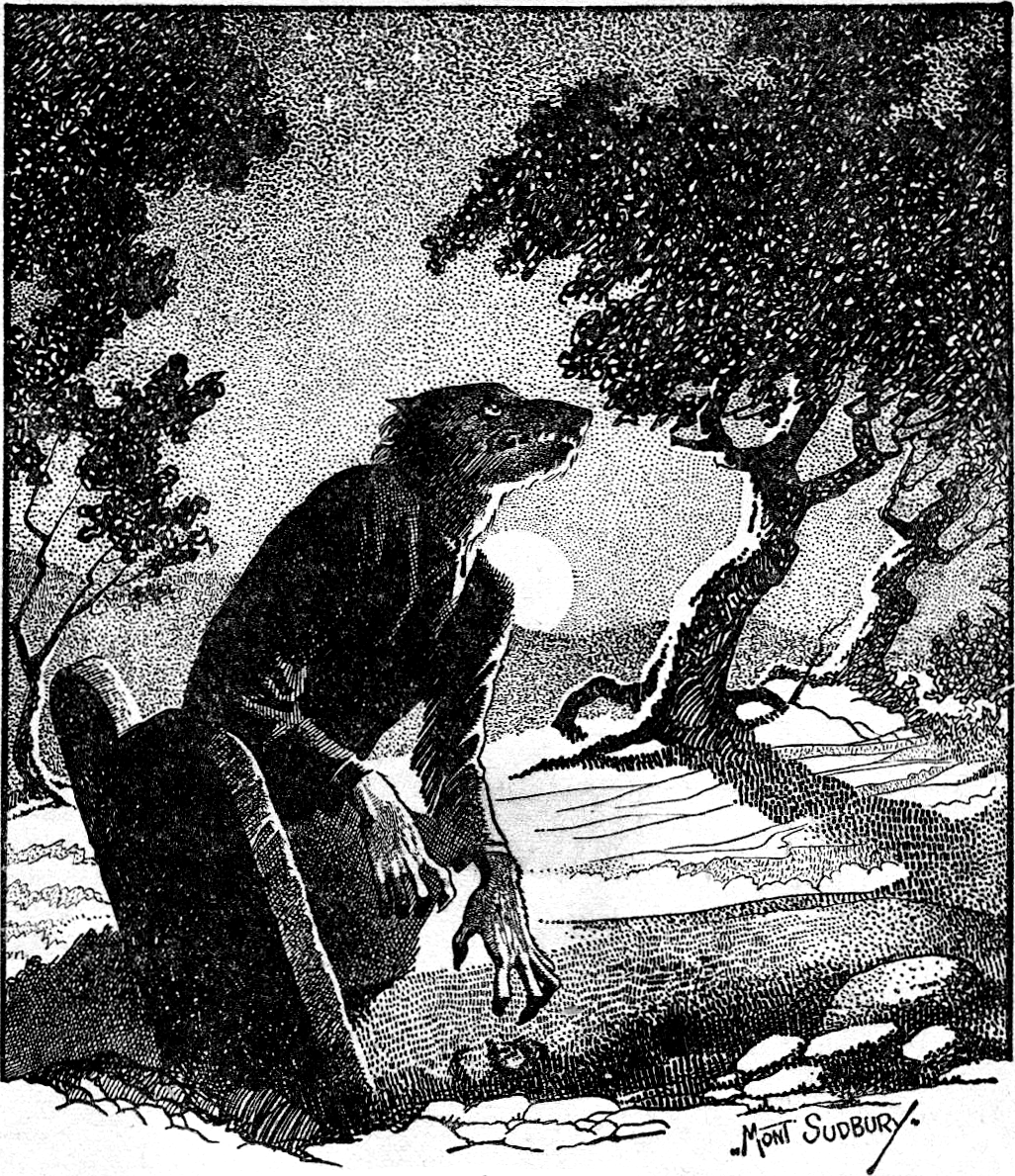 🇫🇷 France and 5 moreWerewolf
A mythical shapeshifter that turns into a wolf, central to European witch-hunts and Gothic horror.Being · Cursing and harm · Wonder and entertainment Legendary
🇫🇷 France and 5 moreWerewolf
A mythical shapeshifter that turns into a wolf, central to European witch-hunts and Gothic horror.Being · Cursing and harm · Wonder and entertainment Legendary
 🇷🇺 Russia and 4 moreLady MiddayPoludnitsa
A Slavic noon spirit who watches over fields and punishes those who work during the hottest hours.Being · Cursing and harm · Protection Historical
🇷🇺 Russia and 4 moreLady MiddayPoludnitsa
A Slavic noon spirit who watches over fields and punishes those who work during the hottest hours.Being · Cursing and harm · Protection Historical
 🇭🇷 Croatia and 5 moreVilavila (Serbian: вила), víla (Bulgarian: ви́ла)
Slavic nature spirits known for healing, storms, and deadly dancesBeing · Protection · Cursing and harm Legendary
🇭🇷 Croatia and 5 moreVilavila (Serbian: вила), víla (Bulgarian: ви́ла)
Slavic nature spirits known for healing, storms, and deadly dancesBeing · Protection · Cursing and harm Legendary
Related elsewhere
All being 🇪🇬 Egypt and 1 moreLilithלִילִית
A feminine figure from Mesopotamian and Jewish mythology, often depicted as a night demon or spirit.Being · Cursing and harm Legendary
🇪🇬 Egypt and 1 moreLilithלִילִית
A feminine figure from Mesopotamian and Jewish mythology, often depicted as a night demon or spirit.Being · Cursing and harm Legendary
 🇪🇬 EgyptCurse
A spoken wish for misfortune to befall a person or placeBelief · Cursing and harm · Luck and prosperity Historical
🇪🇬 EgyptCurse
A spoken wish for misfortune to befall a person or placeBelief · Cursing and harm · Luck and prosperity Historical
 🇮🇳 India and 5 moreHoliहोली
A Hindu spring festival marked by coloured powders and bonfires to celebrate love and virtue.Tradition · Love and attraction · Cursing and harm Living
🇮🇳 India and 5 moreHoliहोली
A Hindu spring festival marked by coloured powders and bonfires to celebrate love and virtue.Tradition · Love and attraction · Cursing and harm Living
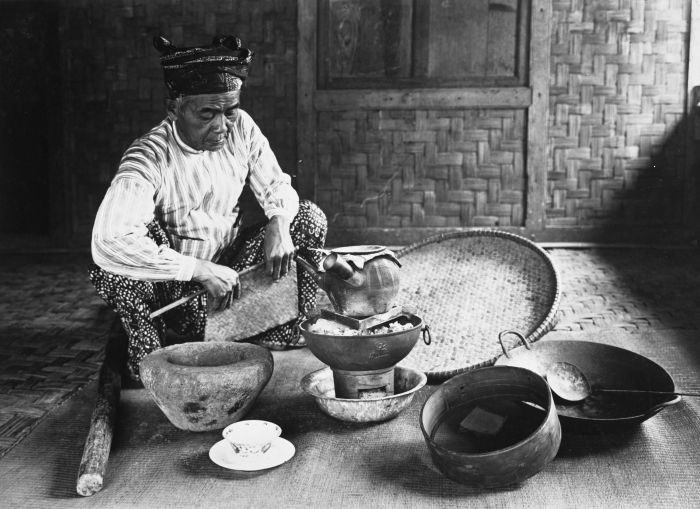 🇮🇩 Indonesia and 2 moreDukun
A traditional healer and spirit medium in Indonesian folk practiceTradition · Healing · Seeing and foretelling Living
🇮🇩 Indonesia and 2 moreDukun
A traditional healer and spirit medium in Indonesian folk practiceTradition · Healing · Seeing and foretelling Living