
Fairy
from Old French faerie, derived from Latin fata meaning fate
A European spirit with magical powers and human form found in folklore and art
Fairies are legendary beings described as having human appearance and supernatural abilities. They appear across many European traditions, including Celtic, Slavic, Germanic, and French stories.
- Word derives from Old French faerie and Latin fata
- Often blamed for tuberculosis and birth defects
- Victorian era popularized diminutive fairy images
- Some theories link them to prehistoric displaced peoples
- Church bells and iron were used as protective charms
What it is
A fairy is a mythical being often depicted as human-like but possessing magical traits. These spirits appear in various European folk tales. They may be seen as nature entities or ancient races. Their forms range from tiny to full-sized humans. Some legends describe them as tricksters or helpful guides. The term also serves as an adjective for enchanted things or places like Fairyland.
Where it comes from
The concept of fairies blends many different folk beliefs. Some theories suggest they are fallen angels caught between heaven and hell. Others view them as pagan deities whose power faded with Christianity. Ancient spirits of the dead or prehistoric humans are also proposed origins. Persian peris and Greco-Roman myths likely influenced these ideas. The word itself comes from Old French roots related to fate.
How it is done
People used specific charms to protect themselves from fairies. Wearing clothes inside out was a common defense. Carrying church bells or four-leaf clovers offered safety. Leaving food out could appease these spirits. Travelers avoided certain haunted locations to prevent getting lost. Will-o'-the-wisps were blamed for leading people astray in the dark.
Tools and materials
Protective items included iron objects and natural symbols. Church bells rang to ward off evil spirits. Four-leaf clovers served as lucky talismans. Food offerings helped maintain peace with hidden people. Clothing worn inside out confused their perception. Green eyes were sometimes noted in descriptions of these beings.
Fairy, drawn and placed
- Living
- Revived
- Fading
- Historical
- Legendary
- Performed
- Lineage
- European folklore
- Timing
- various folk beliefs
What it is for
Fairies were blamed for illnesses like tuberculosis before modern medicine existed. Birth deformities were also attributed to their influence. People sought protection from their mischief through charms. Some believed they guided plant growth and natural processes. Others feared they caused harm to travelers or livestock.
Who does it
Scholars and folklorists study these legends today. Historians analyze how Christian and pagan views merged. Victorian writers popularized specific fairy images. Theosophists described them as energy beings or elementals. Ordinary people once told stories to explain unexplained events.
Peoples and places
Celtic cultures feature the aes sídhe, or people of the hills. Germanic and Slavic traditions include similar sprite-like beings. French folklore uses the term faerie for magical realms. Irish stories often link fairies to ancient burial mounds. English literature expanded these figures into romantic characters.
At a glance: who, where and when

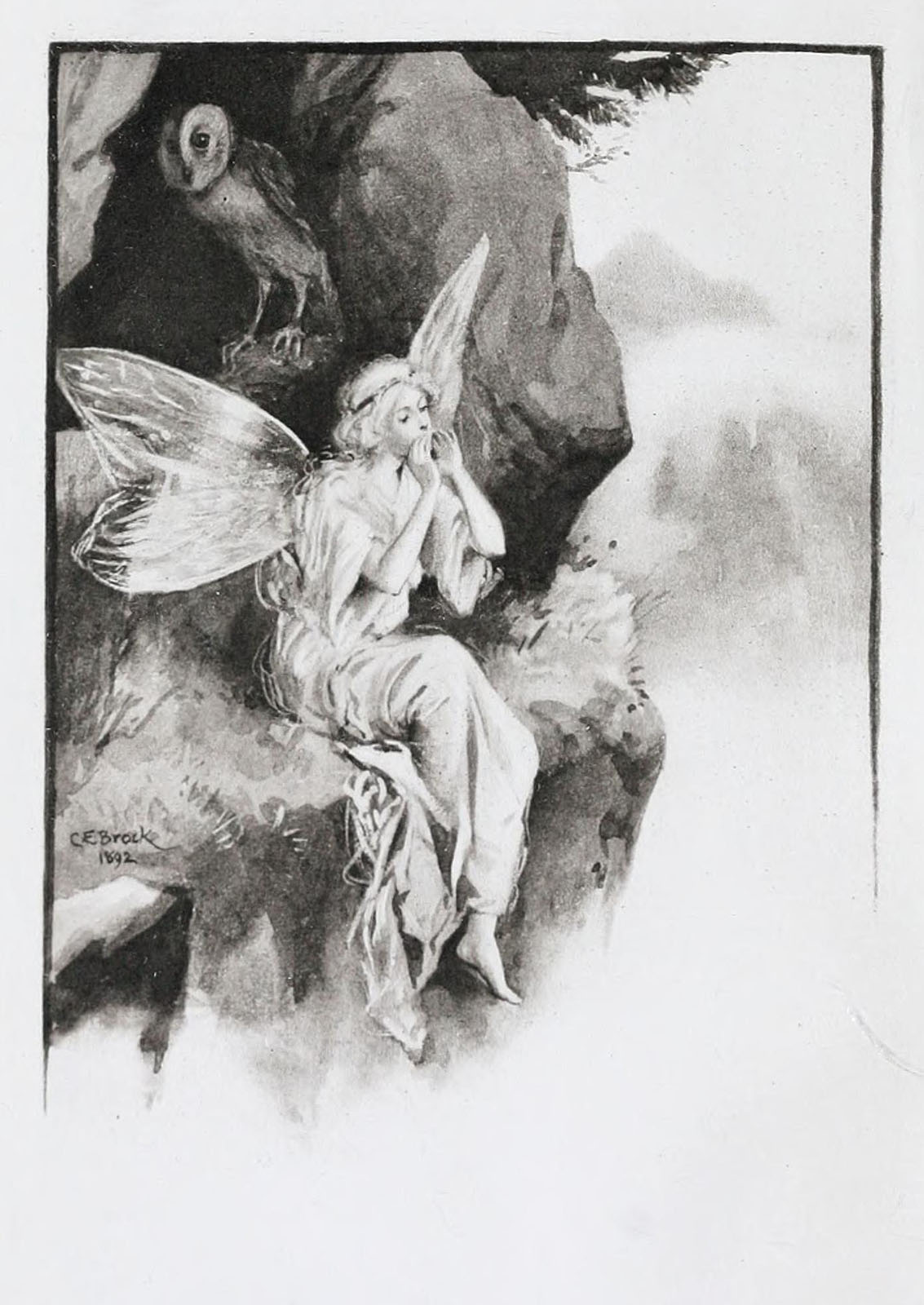


What people believe
Beliefs vary widely regarding their nature. Some see them as demoted angels or demons. Others consider them spirits of the dead or nature elementals. Alchemists classified some as intelligent species distinct from humans. The hidden people theory suggests memories of displaced stone-age tribes.
When it is done
Stories appear year-round in oral traditions. Victorian eras saw renewed interest in fairy lore. Art and literature kept these figures alive during cultural shifts.
How scholars and sceptics see it
Anthropologists view fairies as explanations for natural phenomena. Psychologists might see them as projections of human fears. Historians trace their evolution from pagan gods to literary figures. Skeptics dismiss them as superstitions or fabrications. Folklorists document regional variations in their descriptions.
Cautions and what is closed
Before modern medicine, fairies were blamed for sickness. This belief led to stigma against those with deformities. Dealing with fairies was sometimes considered witchcraft. Iron was feared as a weapon against them. Travelers risked getting lost if they ignored local warnings.
Compare and confuse
Fairies differ from elves and goblins in some traditions. Persian peris share winged and beautiful traits. Greek nymphs resemble nature spirits. Modern fantasy often mixes these categories. The term faerie can mean the place or the beings.
Questions people ask about Fairy
What is a fairy?
A fairy is a mythical being described as human-like with magical powers. They appear in European folklore as spirits of nature, ancient races, or fallen angels.
Where do fairies come from?
They originate from diverse European folk beliefs. Sources include Celtic, Slavic, Germanic, and French traditions. The word comes from Old French roots meaning fate.
How do people protect themselves from fairies?
Traditional charms include wearing clothes inside out. Carrying church bells or four-leaf clovers offers safety. Leaving food out can appease them and prevent mischief.
Good reading and sources
- Fairy on WikipediaEncyclopedia
- More photos on Wikimedia CommonsPhotos and video
- Wikidata recordOpen data
The facts on this page come from the Wikipedia article "Fairy", written by its contributors and used under the CC BY-SA 4.0 licence, and from its Wikidata record (CC0). EveryJaadu rewrote the text in its own words, with AI assistance, and compares every page with the article to make sure no passage is copied. It may be reused under the same CC BY-SA 4.0 licence with a link back.
It may contain mistakes. Names and customs differ from one community to the next, and some knowledge is closed to outsiders and left out here. This page describes belief and practice. It does not say that any of it works, it is not a how-to, and it is not medical advice. If something is wrong, tell us. Last refreshed 2026-10-05.
More from Ireland
All the entries from Ireland 🇬🇧 United Kingdom and 1 moreEach-uisge
A fierce water spirit of the Scottish Highlands and Irish shores that takes the form of a horse.Being · Cursing and harm Legendary
🇮🇪 IrelandFetch
A spectral double of a living person, seen as an omen of death or long life.Being · Seeing and foretelling Historical
🇬🇧 United Kingdom and 1 moreFuath
A class of malevolent water spirits in Scottish and Irish folkloreBeing · Cursing and harm Legendary
🇬🇧 United Kingdom and 1 moreEach-uisge
A fierce water spirit of the Scottish Highlands and Irish shores that takes the form of a horse.Being · Cursing and harm Legendary
🇮🇪 IrelandFetch
A spectral double of a living person, seen as an omen of death or long life.Being · Seeing and foretelling Historical
🇬🇧 United Kingdom and 1 moreFuath
A class of malevolent water spirits in Scottish and Irish folkloreBeing · Cursing and harm Legendary
 🇬🇧 United Kingdom and 1 moreBlue men of the Minchna fir ghorma
Mythical blue-skinned spirits of the Scottish strait who challenge sailors to poetry contestsBeing · Cursing and harm · Wonder and entertainment Legendary
🇬🇧 United Kingdom and 1 moreBlue men of the Minchna fir ghorma
Mythical blue-skinned spirits of the Scottish strait who challenge sailors to poetry contestsBeing · Cursing and harm · Wonder and entertainment Legendary
Related elsewhere
All being 🇨🇳 ChinaTaotie饕餮
A zoomorphic mask on ancient Chinese bronzes and a mythological creature of gluttonyFigure · Protection · Cursing and harm Legendary
🇨🇳 ChinaTaotie饕餮
A zoomorphic mask on ancient Chinese bronzes and a mythological creature of gluttonyFigure · Protection · Cursing and harm Legendary
 🇮🇷 Iran and 1 moreJinnجِنّ
Supernatural beings in Islamic and pre-Islamic Arabian belief, created from smokeless fire.Being · Protection · Cursing and harm Living
🇮🇷 Iran and 1 moreJinnجِنّ
Supernatural beings in Islamic and pre-Islamic Arabian belief, created from smokeless fire.Being · Protection · Cursing and harm Living
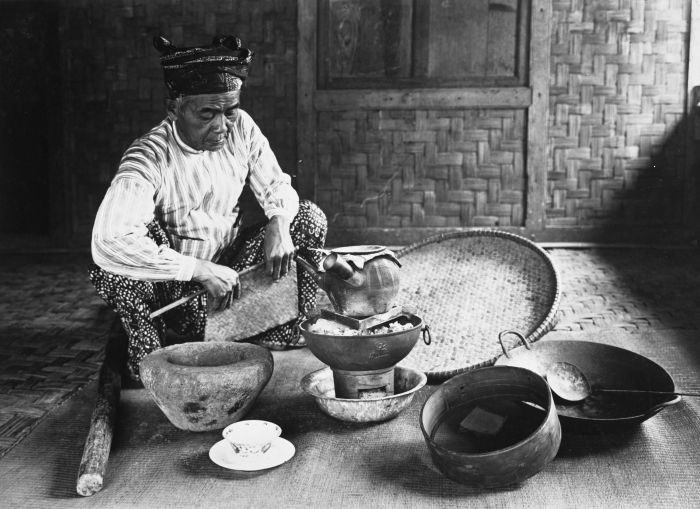 🇮🇩 Indonesia and 2 moreDukun
A traditional healer and spirit medium in Indonesian folk practiceTradition · Healing · Seeing and foretelling Living
🇮🇩 Indonesia and 2 moreDukun
A traditional healer and spirit medium in Indonesian folk practiceTradition · Healing · Seeing and foretelling Living
 🇨🇬 Republic of the CongoNkisi
Spirit containers and power figures from the Congo Basin used for justice and healingCharm · Protection · Healing Living
🇨🇬 Republic of the CongoNkisi
Spirit containers and power figures from the Congo Basin used for justice and healingCharm · Protection · Healing Living