
Mapinguari
from Tupi-Guarani mbaé-pi-guari, meaning "the thing that has a clubbed, twisted, or backwards-turned foot"
A hairy Amazonian monster with a belly mouth and backwards feet
The Mapinguari is a cryptid from Brazilian folklore, described as a giant, foul-smelling creature with backwards-facing feet and a vertical mouth on its stomach. It is said to hunt humans in the deep forest, often targeting those who work on Sundays.
- A vertical mouth stretches from nose to stomach
- Feet face backwards to confuse trackers
- Smell is described as rotten flesh and feces
- May be based on extinct ground sloths
- Attacks people working on Sundays
What it is
The Mapinguari is a legendary beast of the Amazon rainforest. Witnesses describe it as a large, hairy ape-like creature with a single eye on its forehead or belly. Its most striking feature is a gaping mouth that runs vertically from its nose to its stomach. The creature is known for its terrible odor and its habit of eating people head-first.
Where it comes from
Scholars trace the name to Tupi-Guarani roots describing twisted feet. Some researchers suggest the legend combines older myths of giants and spirits like the Curupira. Others propose the story preserves memories of extinct animals, such as ground sloths, which may have lived in the region until recent centuries.
How it is done
The creature is said to lurk in the shadows of the forest, waiting to ambush travelers. It lets out loud screams to frighten victims before attacking. Reports claim it tears flesh into large pieces and consumes its prey slowly, sometimes leaving only the torso behind after a meal.
Tools and materials
No tools are used by the Mapinguari itself. However, hunters who claim to have encountered it report using firearms. Accounts vary on the creature's defenses; some say its thick hair makes it bulletproof except near the navel, while others describe a hard shell protecting its body.
Mapinguari, drawn and placed
- Living
- Revived
- Fading
- Historical
- Legendary
- Performed
- Lineage
- Brazilian folklore
- Timing
- at night or during holidays
What it is for
In local lore, the Mapinguari serves as a warning against breaking social or religious rules. Stories often depict the monster attacking people who work on Sundays, framing the creature as a punisher of Sabbath breakers. It also represents the dangers lurking in the uncharted wilderness.
Who does it
The Mapinguari is studied by cryptozoologists and ethnologists who analyze eyewitness accounts. Researchers like David Oren and Bernard Heuvelmans have interviewed indigenous groups and rubber tappers to determine if the creature could be a surviving prehistoric species or a misidentified animal.
Peoples and places
The legend is strongest in Brazil, particularly among the Karitiana and Mura peoples. Similar creatures appear in Peru and Colombia, where they are known by different names like Segamai or Shaaroba. These regional variations share core traits but differ in specific details like facial features or dietary habits.
At a glance: who, where and when
Occasions


What people believe
Indigenous traditions view the Mapinguari as a real threat or a transformed being. Some stories say old men turn into these monsters, while others describe them as ancient kings or shamans. The belief in its existence persists in oral histories, linking the creature to the spiritual and physical landscape of the Amazon.
When it is done
Sightings and attacks are often linked to specific times. The creature is frequently reported hunting at night or during twilight. Some tales emphasize its preference for Sundays, suggesting it targets those who violate rest days, adding a moral dimension to the fear of the beast.
How scholars and sceptics see it
Scientists debate the origin of the Mapinguari. Some argue it is a mythological composite, while others suggest it stems from encounters with extinct ground sloths or large bears. Skeptics point to cultural contamination and misidentification of known animals as explanations for the consistent descriptions across different regions.
Cautions and what is closed
The creature is described as dangerous and aggressive. Victims are said to be eaten alive, with reports of gruesome injuries. The intense smell associated with the beast is noted as a deterrent, with some hunters claiming the odor was so strong it caused nausea and dizziness.
Compare and confuse
The Mapinguari shares traits with other hairy hominids like Bigfoot and the Almas of Central Asia. Its belly mouth resembles the Quibungo of Afro-Brazilian folklore. The backwards feet link it to spirits like the Curupira, while the single eye connects it to Cyclops myths from Europe and the Middle East.
Law and persecution
There are no specific laws regarding the Mapinguari, as it is a folkloric entity. However, the regions where it is feared are protected areas or indigenous territories. Modern conservation efforts focus on preserving the habitat of real animals that may have inspired the legend, such as spectacled bears.
Today
The legend remains active in rural communities and among cryptozoology enthusiasts. Eyewitnesses continue to report sightings in remote parts of the Amazon. The creature appears in modern media and literature, keeping the story alive for new generations interested in South American mysteries.
Questions people ask about Mapinguari
What does the Mapinguari look like?
It is a giant, hairy ape-like creature with backwards-facing feet and a single eye. Its most distinct feature is a large mouth running vertically from its face to its stomach.
Where is the Mapinguari found?
The legend originates in Brazil, particularly in the Amazon states of Pará, Amazonas, and Acre. Similar creatures are also reported in Peru and Colombia.
Why does the Mapinguari attack people?
Stories often portray it as a punisher of those who work on Sundays. It is also seen as a wild predator that hunts humans in the deep forest for food.
Is the Mapinguari a real animal?
Most scientists consider it a myth. However, some researchers suggest it may be based on memories of extinct ground sloths or misidentified large mammals like bears.
Good reading and sources
- Mapinguari on WikipediaEncyclopedia
- More photos on Wikimedia CommonsPhotos and video
- Wikidata recordOpen data
The facts on this page come from the Wikipedia article "Mapinguari", written by its contributors and used under the CC BY-SA 4.0 licence, and from its Wikidata record (CC0). EveryJaadu rewrote the text in its own words, with AI assistance, and compares every page with the article to make sure no passage is copied. It may be reused under the same CC BY-SA 4.0 licence with a link back.
It may contain mistakes. Names and customs differ from one community to the next, and some knowledge is closed to outsiders and left out here. This page describes belief and practice. It does not say that any of it works, it is not a how-to, and it is not medical advice. If something is wrong, tell us. Last refreshed 2026-10-05.
More from Brazil
All the entries from Brazil 🇵🇷 Puerto Rico and 5 moreChupacabrachupacabras
A legendary creature said to drain livestock of blood, emerging from Puerto Rico in the mid-1990sBeing · Cursing and harm Legendary
🇵🇷 Puerto Rico and 5 moreChupacabrachupacabras
A legendary creature said to drain livestock of blood, emerging from Puerto Rico in the mid-1990sBeing · Cursing and harm Legendary
 🇧🇷 Brazil and 2 moreCurupira
A backwards-footed forest guardian from Brazilian indigenous myth who punishes loggers and misleads travelers.Being · Protection · Cursing and harm Legendary
🇧🇷 Brazil and 2 moreCurupira
A backwards-footed forest guardian from Brazilian indigenous myth who punishes loggers and misleads travelers.Being · Protection · Cursing and harm Legendary
 🇵🇪 Peru and 1 moreChullachaqui
A one-footed forest spirit of the Amazon that lures or challenges humansBeing · Cursing and harm · Power and authority Legendary
🇵🇪 Peru and 1 moreChullachaqui
A one-footed forest spirit of the Amazon that lures or challenges humansBeing · Cursing and harm · Power and authority Legendary
 🇧🇷 BrazilBoitatá
A fiery serpent of Brazilian folklore that guards forests or frightens childrenBeing · Protection · Cursing and harm Living
🇧🇷 BrazilBoitatá
A fiery serpent of Brazilian folklore that guards forests or frightens childrenBeing · Protection · Cursing and harm Living
Related elsewhere
All being 🇷🇸 Serbia and 5 moreVampire
An undead creature from folklore that feeds on the blood or life force of the livingBeing · Cursing and harm · Luck and prosperity Legendary
🇷🇸 Serbia and 5 moreVampire
An undead creature from folklore that feeds on the blood or life force of the livingBeing · Cursing and harm · Luck and prosperity Legendary
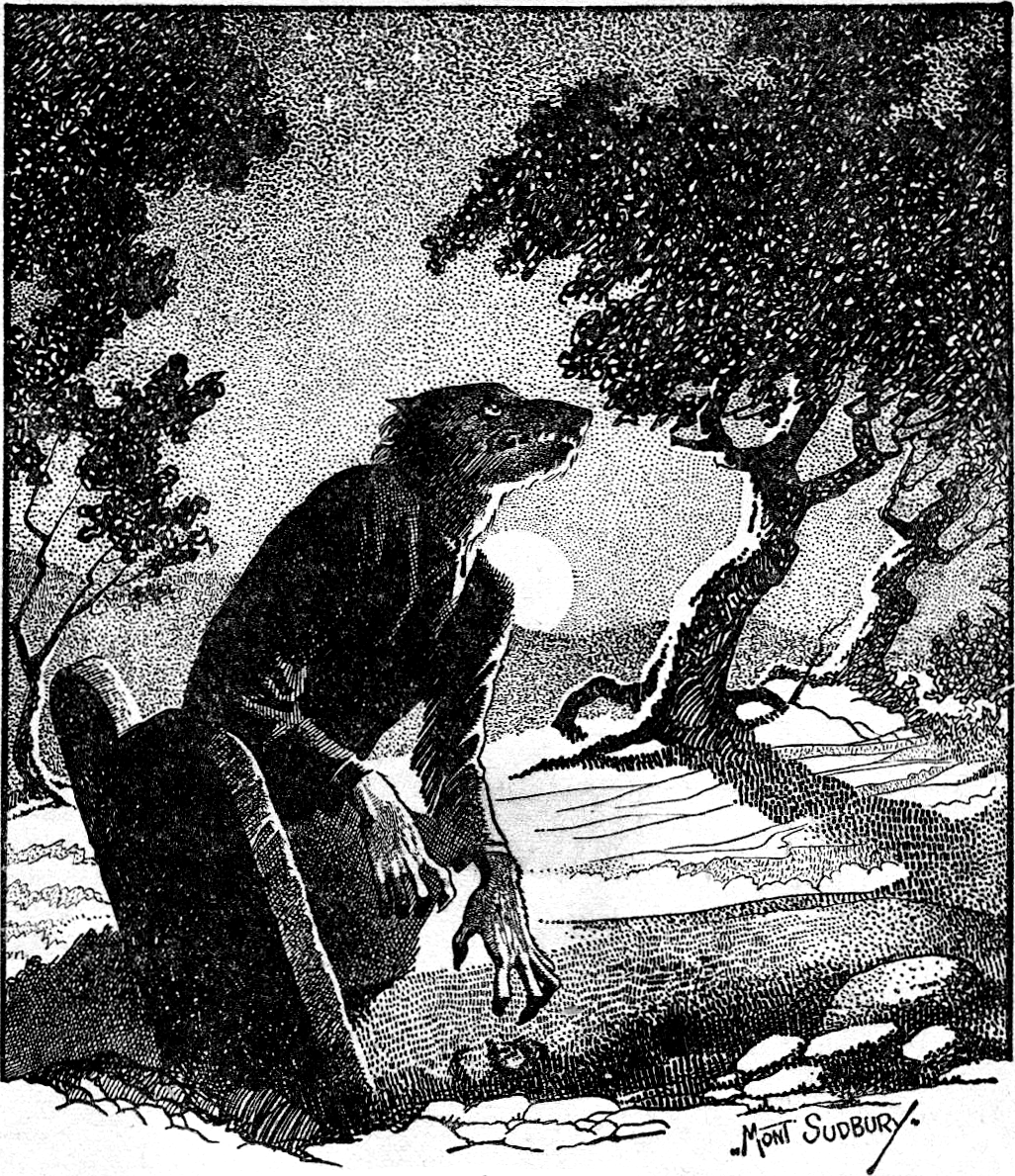 🇫🇷 France and 5 moreWerewolf
A mythical shapeshifter that turns into a wolf, central to European witch-hunts and Gothic horror.Being · Cursing and harm · Wonder and entertainment Legendary
🇫🇷 France and 5 moreWerewolf
A mythical shapeshifter that turns into a wolf, central to European witch-hunts and Gothic horror.Being · Cursing and harm · Wonder and entertainment Legendary
 🇪🇬 Egypt and 1 moreLilithלִילִית
A feminine figure from Mesopotamian and Jewish mythology, often depicted as a night demon or spirit.Being · Cursing and harm Legendary
🇪🇬 Egypt and 1 moreLilithלִילִית
A feminine figure from Mesopotamian and Jewish mythology, often depicted as a night demon or spirit.Being · Cursing and harm Legendary
 🇪🇬 EgyptCurse
A spoken wish for misfortune to befall a person or placeBelief · Cursing and harm · Luck and prosperity Historical
🇪🇬 EgyptCurse
A spoken wish for misfortune to befall a person or placeBelief · Cursing and harm · Luck and prosperity Historical