Orang Minyak
from Malay for "oily man"
A slippery ghost from Malay folklore that abducts women and is covered in black grease.
The Orang Minyak is a supernatural creature from Malay ghost beliefs. It is described as being coated in shiny black grease and is said to abduct young women by night. The legend first appeared in a Singaporean newspaper report in 1957.
- First mentioned in a 1957 Singaporean newspaper report.
- Coated in black grease to climb walls and evade capture.
- Targeted young women, particularly virgins, in many legends.
- Featured in numerous Malaysian and Singaporean horror films.
- Described as a cursed human or controlled by a shaman.
What it is
In Malay ghost beliefs, the Orang Minyak is a supernatural creature known for its slippery appearance. It is typically depicted as being coated in a shiny black substance that allows it to climb walls and evade capture. This figure is primarily associated with the abduction of young women during the night. The legend gained traction after being mentioned in a 1957 newspaper report from Singapore. While some versions describe it as a warlock or shaman-controlled entity, it is generally regarded as a distinct mythical being within the region's folklore.
Where it comes from
The legend of the Orang Minyak was first documented in a report by the Singaporean newspaper Berita Harian on October 12, 1957. Over time, descriptions of the creature's coating evolved. Early accounts mentioned hair oil, while later stories described a mixture of coconut oil and soot. Modern interpretations, particularly in cinema, often depict the creature covered in crude oil, reflecting industrial advancements. The figure has also been linked to local industrial developments and changes in traditional ways of life.
How it is done
Stories describe the Orang Minyak as using its slippery coating to scale walls and grab victims without being caught. Some narratives suggest it targets virgins specifically. In certain legends, the creature is a cursed human who made a pact with a devil, requiring him to worship the devil and harm twenty-one virgins within a week to gain power. Other versions claim an evil shaman or witch doctor controls the entity.
Tools and materials
The creature is defined by its coating, which varies across different tellings. Initial descriptions involved hair oil, followed by combinations of coconut oil and soot. Contemporary depictions frequently use crude oil to represent the figure. Folklorists note that the Orang Minyak is sometimes described as naked or wearing black swimming trunks. The slippery nature of these substances is central to its ability to move and attack.
Orang Minyak, drawn and placed
- Living
- Revived
- Fading
- Historical
- Legendary
- Performed
- Lineage
- Malay ghost beliefs
- Timing
- at night
What it is for
The Orang Minyak is traditionally blamed for attacks on women, a trend noted since the 1950s. Superstitious Malay female students have historically attempted to ward off the creature by wearing sweaty clothing to appear as though they had already been with a man. The figure serves as a cautionary element in folklore, representing dangers that lurk at night and exploit vulnerability.
Who does it
Scholars and folklorists analyze the Orang Minyak as a cultural artifact rather than a literal entity. Science writer Benjamin Radford characterizes the tales as rooted in myth, noting that the physical abilities attributed to the creature are implausible. Researchers point out that a person covered in grease would struggle with basic tasks like turning doorknobs or running, let alone climbing buildings. The figure is studied as part of Malay ghost beliefs and popular culture.
Peoples and places
The legend is deeply embedded in Malay culture and has spread through neighboring regions. Malaysian newspapers have occasionally reported claimed sightings, such as incidents in Kampung Laksamana, Selangor, in 2012. Earlier reports in local media sensationalized crimes involving knife-wielding rapists covered in oil, linking them to the Orang Minyak myth. Singaporean writers have also commented on the figure, interpreting the crude oil depiction as a symbol of traditional life disrupted by modernity.
At a glance: who, where and when
Peoples
Belief worlds
What people believe
The worldview behind the Orang Minyak involves supernatural forces and curses. Some versions portray the creature as a human transformed by dark magic, often involving pacts with devils or control by evil shamans. The belief system includes specific conditions for the creature's power, such as the requirement to harm virgins. These elements reflect broader themes in Malay folklore regarding the consequences of greed, lust, and forbidden knowledge.
When it is done
The creature is associated with nighttime activities, operating under the cover of darkness to abduct victims. However, the legend has seen periodic resurgences in public discourse, often coinciding with real-life criminal events or the release of horror films featuring the figure.
How scholars and sceptics see it
Academics view the Orang Minyak as a product of myth and folklore. Benjamin Radford describes the tales as implausible, focusing on the physical impossibilities of the creature's actions. Scholars note that the legend serves as a cultural explanation for unexplained events or crimes. The evolution of the creature's description mirrors societal changes, with the shift to crude oil reflecting industrialization. The figure is analyzed as a reflection of anxieties about safety and morality.
Cautions and what is closed
The Orang Minyak legend has been used to explain violent crimes, leading to superstitions among the public. Female students have adopted protective measures based on fear of the creature. Real-life criminals have occasionally mimicked the Orang Minyak's appearance, causing panic and sensationalism in the media. The legend does not involve ritual practices but rather reflects societal fears and the attribution of malicious intent to unknown threats.
Compare and confuse
The Orang Minyak is similar to other slipperly or greasy monsters in global folklore, though it is distinctively Malay. It shares traits with figures that punish moral transgressions or prey on the vulnerable. The legend is often compared to urban legends that emerge from recent historical events, such as the 1957 newspaper report. Its cinematic adaptations have influenced how the figure is perceived, distinguishing it from older, more traditional ghost stories.
Questions people ask about Orang Minyak
What is the Orang Minyak?
The Orang Minyak is a supernatural creature from Malay ghost beliefs. It is described as being coated in shiny black grease and is said to abduct young women by night. The legend first appeared in a Singaporean newspaper report in 1957.
Where does the legend come from?
The legend originates from Malay folklore and was first documented in a 1957 report by the Singaporean newspaper Berita Harian. It has since become a prominent figure in Malaysian and Singaporean popular culture and horror cinema.
What is the Orang Minyak covered in?
Early stories described the creature as coated in hair oil. Later accounts added coconut oil and soot. Modern depictions, especially in films, often show it covered in crude oil, reflecting industrial themes.
Why is the Orang Minyak feared?
It is feared because it is believed to abduct and harm young women, particularly virgins. The creature's ability to climb walls and evade capture makes it seem unstoppable. Superstitions developed to protect against it.
Is the Orang Minyak a real person?
No, it is a legendary figure. Some versions say it was once a human cursed by magic or controlled by a shaman. Scholars view it as a mythological construct rather than a literal entity.
Good reading and sources
The facts on this page come from the Wikipedia article "Orang Minyak", written by its contributors and used under the CC BY-SA 4.0 licence, and from its Wikidata record (CC0). EveryJaadu rewrote the text in its own words, with AI assistance, and compares every page with the article to make sure no passage is copied. It may be reused under the same CC BY-SA 4.0 licence with a link back.
It may contain mistakes. Names and customs differ from one community to the next, and some knowledge is closed to outsiders and left out here. This page describes belief and practice. It does not say that any of it works, it is not a how-to, and it is not medical advice. If something is wrong, tell us. Last refreshed 2026-10-05.
More from Malaysia
All the entries from Malaysia 🇲🇾 Malaysia and 5 morePenanggalan
A floating head with trailing organs from Malay folklore, said to hunt pregnant women and newborns.Being · Cursing and harm Legendary
🇮🇩 Indonesia and 3 moreOrang bunian
Invisible supernatural beings in Malay and Indonesian folklore who live alongside humans.Being · Speaking with spirits and the dead Legendary
🇲🇾 Malaysia and 5 morePenanggalan
A floating head with trailing organs from Malay folklore, said to hunt pregnant women and newborns.Being · Cursing and harm Legendary
🇮🇩 Indonesia and 3 moreOrang bunian
Invisible supernatural beings in Malay and Indonesian folklore who live alongside humans.Being · Speaking with spirits and the dead Legendary
Related elsewhere
All being 🇷🇸 Serbia and 5 moreVampire
An undead creature from folklore that feeds on the blood or life force of the livingBeing · Cursing and harm · Luck and prosperity Legendary
🇷🇸 Serbia and 5 moreVampire
An undead creature from folklore that feeds on the blood or life force of the livingBeing · Cursing and harm · Luck and prosperity Legendary
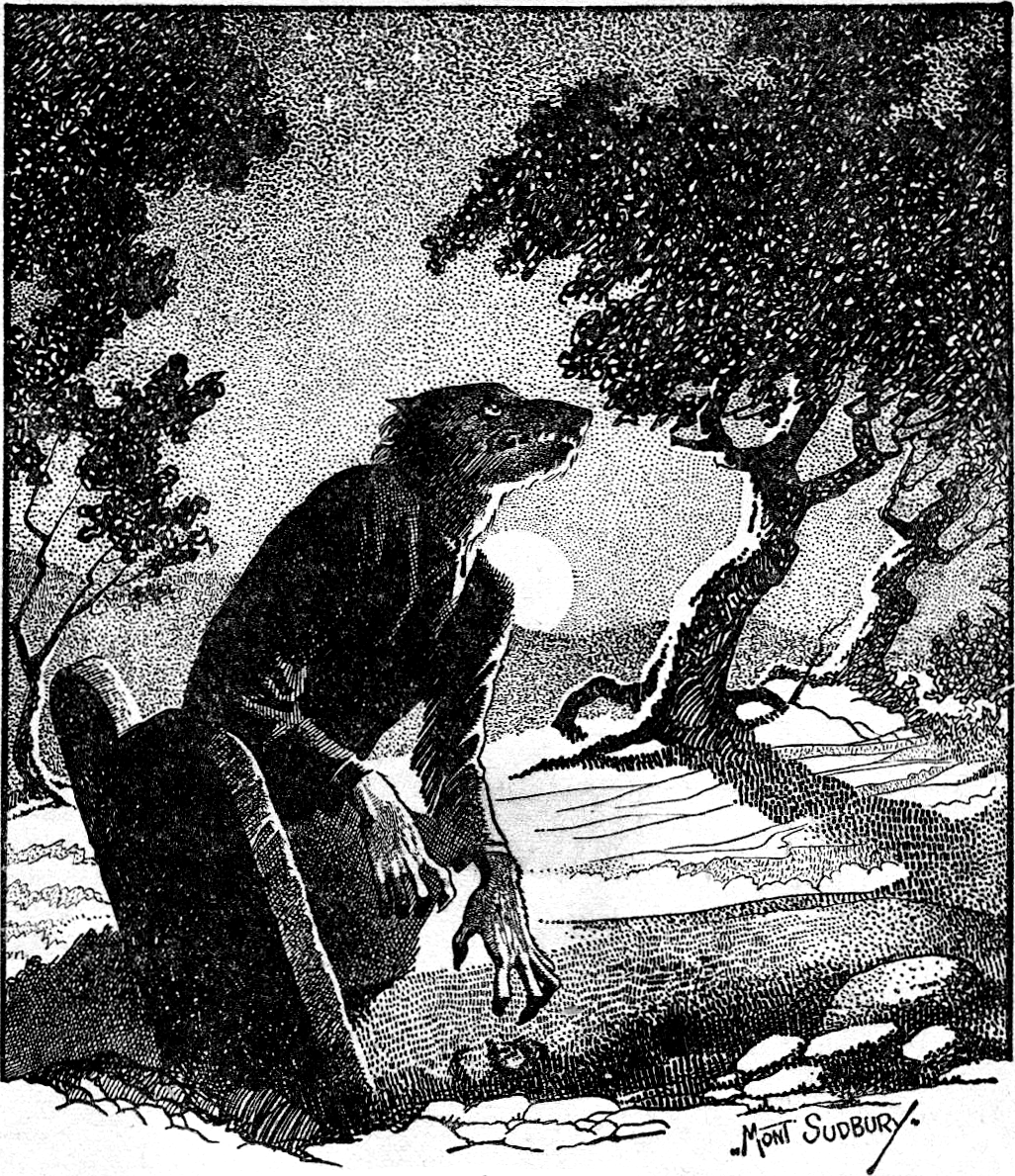 🇫🇷 France and 5 moreWerewolf
A mythical shapeshifter that turns into a wolf, central to European witch-hunts and Gothic horror.Being · Cursing and harm · Wonder and entertainment Legendary
🇫🇷 France and 5 moreWerewolf
A mythical shapeshifter that turns into a wolf, central to European witch-hunts and Gothic horror.Being · Cursing and harm · Wonder and entertainment Legendary
 🇪🇬 Egypt and 1 moreLilithלִילִית
A feminine figure from Mesopotamian and Jewish mythology, often depicted as a night demon or spirit.Being · Cursing and harm Legendary
🇪🇬 Egypt and 1 moreLilithלִילִית
A feminine figure from Mesopotamian and Jewish mythology, often depicted as a night demon or spirit.Being · Cursing and harm Legendary
 🇪🇬 EgyptCurse
A spoken wish for misfortune to befall a person or placeBelief · Cursing and harm · Luck and prosperity Historical
🇪🇬 EgyptCurse
A spoken wish for misfortune to befall a person or placeBelief · Cursing and harm · Luck and prosperity Historical