Glaistig
from Scottish Gaelic tradition
A Scottish shape-shifting spirit linked to cattle, deer, and haunted castles.
The glaistig is a figure from Scottish folklore described as a fuath or ghost. It appears as a hybrid woman-goat or a spectral lady in green, serving as either a protective household guardian or a dangerous predator.
- The glaistig is a Scottish fuath or ghost from Celtic mythology.
- It appears as a half-woman, half-goat hybrid or a spectral Green Lady.
- Benign versions protect cattle and perform household chores at night.
- Malicious versions lure travelers with song or dance to harm them.
- Offerings of milk were poured into hollowed stones to gain protection.
What it is
The glaistig belongs to the category of fuath within Scottish mythology, representing a class of spirits that are neither wholly good nor evil. This entity manifests in multiple forms, most commonly as a half-human, half-goat creature or as a spectral woman dressed in green. The hybrid form typically features a human upper body with long yellow hair and grey skin, while the lower goat portion is concealed by a flowing green garment. In other iterations, it appears as the Green Lady, a ghostly noblewoman bound to specific locations. These variations share a core nature as supernatural beings that interact with humans through protection or menace.
Where it comes from
Scholars link the glaistig to broader Celtic oral traditions and Norse folklore regarding hidden people. The concept resembles the Scandinavian huldra or Icelandic Huldufólk, where beautiful women conceal animal tails or legs beneath clothing. This cross-cultural similarity suggests a shared mythological root across the North Atlantic. The specific Scottish variants evolved within local communities, adapting these ancient motifs into distinct regional legends about forest and household spirits.
How it is done
Stories describe the glaistig interacting with the physical world through direct presence or haunting. As a malicious spirit, it lures travelers using song or dance before attacking them. As a benign guardian, it watches over livestock and performs domestic chores like sweeping floors or washing dishes at night. In some tales, it communicates its displeasure by moving furniture or playing pranks on servants who offend it. The spirit may also demand offerings, such as milk poured into a stone basin, to maintain its protective favor.
Tools and materials
The primary visual tool associated with the glaistig is the color green, worn as a robe or dress to signify its connection to nature and the unseen world. In rural legends, a hollowed-out stone serves as a vessel for receiving milk offerings from herders. These objects mark the boundary between the human and spirit worlds, providing a focal point for interaction and gratitude toward the protective aspects of the entity.
Glaistig, drawn and placed
- Living
- Revived
- Fading
- Historical
- Legendary
- Performed
- Lineage
- Celtic mythology
What it is for
The glaistig serves dual purposes depending on the narrative context. In its benevolent role, it acts as a tutelary spirit guarding cattle, deer, and households. It protects herders and ensures the safety of livestock, rewarding respect with continued guardianship. Conversely, in its malevolent aspect, it poses a threat to travelers and hunters, seeking to harm those who trespass or show disrespect. Hunters must offer sacrifices to avoid its wrath when pursuing game.
Who does it
The glaistig is not practiced by a specific order but exists within the collective memory of Scottish communities. Rural herders and householders historically acknowledged its presence, offering milk to secure its protection. Servants in large estates sometimes reported hearing or seeing the Green Lady, integrating her into their daily domestic routines. These interactions were informal, based on local custom rather than formal ritual.
Peoples and places
The glaistig is central to Scottish folklore, appearing in tales from regions like Aberdeenshire and Perthshire. Similar figures exist in Manx folklore as the Glashtyn, a water-dwelling shape-shifter. The legend also extends to Wales and England, where various castles claim their own Green Lady ghosts. The Norse connection highlights a wider European fascination with hidden folk who bridge the gap between human society and the wild natural world.
At a glance: who, where and when
Belief worlds
What people believe
Belief in the glaistig stems from animistic views of nature and the home. Spirits are seen as powerful entities that require respect and reciprocity. The duality of the glaistig reflects the unpredictable nature of the environment: helpful yet dangerous. Haunting legends often explain unexplained noises or movements in old buildings, attributing them to the lingering presence of a wronged or dutiful spirit.
When it is done
No specific festivals or calendar dates are tied to the glaistig. Interactions occur during daily life, such as milking times or nighttime household activities. The spirit’s presence is constant in the locations it haunts, independent of seasonal cycles or religious holidays.
How scholars and sceptics see it
Anthropologists view the glaistig as a reflection of historical attitudes toward the wilderness and domestic order. The spirit embodies the tension between the safety of the home and the dangers of the outside world. Literary analysis shows how modern authors adapt these traditional figures into fantasy narratives, often stripping away the original cultural context to serve new plot requirements.
Cautions and what is closed
Legends warn against offending the glaistig. Pouring boiling milk into an offering stone resulted in severe injury in one tale, illustrating the danger of disrespect. Hunters risked the spirit’s anger by killing female deer instead of stags. These stories serve as moral lessons about maintaining proper conduct toward supernatural forces and respecting natural boundaries.
Compare and confuse
The glaistig is often compared to the Norse huldra due to similar physical descriptions and behavior. The Manx Glashtyn shares shape-shifting abilities but is associated with water rather than land. In literature, it is frequently conflated with generic fairy queens or vengeful ghosts, losing its specific cultural identity in the process.
Law and persecution
There are no legal restrictions regarding the glaistig, as it is a figure of folklore rather than a living religious practice. Modern interest in the subject is driven by tourism and literature, with castles promoting their associated Green Lady legends to attract visitors. No persecution or suppression has been recorded.
Questions people ask about Glaistig
What is a glaistig?
The glaistig is a figure from Scottish folklore classified as a fuath. It is a shape-shifting spirit that can appear as a half-human, half-goat creature or as a ghostly woman in green known as the Green Lady.
Where does the glaistig come from?
The glaistig originates in Scottish oral tradition and Celtic mythology. Its imagery shares similarities with Norse folklore regarding hidden people, suggesting a shared cultural heritage across the North Atlantic region.
Is the glaistig good or bad?
The glaistig is ambivalent. It can be a benign guardian that protects cattle and performs household duties, or a malicious spirit that harms travelers and hunters who show disrespect or violate hunting taboos.
How do people interact with the glaistig?
In legends, herders offered milk to a hollowed stone to secure the glaistig's protection. Servants might hear the Green Lady performing chores at night. Offending the spirit could result in pranks or physical harm.
Good reading and sources
The facts on this page come from the Wikipedia article "Glaistig", written by its contributors and used under the CC BY-SA 4.0 licence, and from its Wikidata record (CC0). EveryJaadu rewrote the text in its own words, with AI assistance, and compares every page with the article to make sure no passage is copied. It may be reused under the same CC BY-SA 4.0 licence with a link back.
It may contain mistakes. Names and customs differ from one community to the next, and some knowledge is closed to outsiders and left out here. This page describes belief and practice. It does not say that any of it works, it is not a how-to, and it is not medical advice. If something is wrong, tell us. Last refreshed 2026-10-05.
More from the United Kingdom
All the entries from the United Kingdom 🇬🇧 United KingdomCeridwenCerridwen
A Welsh enchantress and modern goddess of poetic inspiration and transformation.Being · Change and initiation Revived
🇬🇧 United Kingdom and 1 moreFuath
A class of malevolent water spirits in Scottish and Irish folkloreBeing · Cursing and harm Legendary
🇬🇧 United KingdomCeridwenCerridwen
A Welsh enchantress and modern goddess of poetic inspiration and transformation.Being · Change and initiation Revived
🇬🇧 United Kingdom and 1 moreFuath
A class of malevolent water spirits in Scottish and Irish folkloreBeing · Cursing and harm Legendary
 🇬🇧 United Kingdom and 1 moreEach-uisge
A fierce water spirit of the Scottish Highlands and Irish shores that takes the form of a horse.Being · Cursing and harm Legendary
🇬🇧 United Kingdom and 1 moreEach-uisge
A fierce water spirit of the Scottish Highlands and Irish shores that takes the form of a horse.Being · Cursing and harm Legendary
Related elsewhere
All being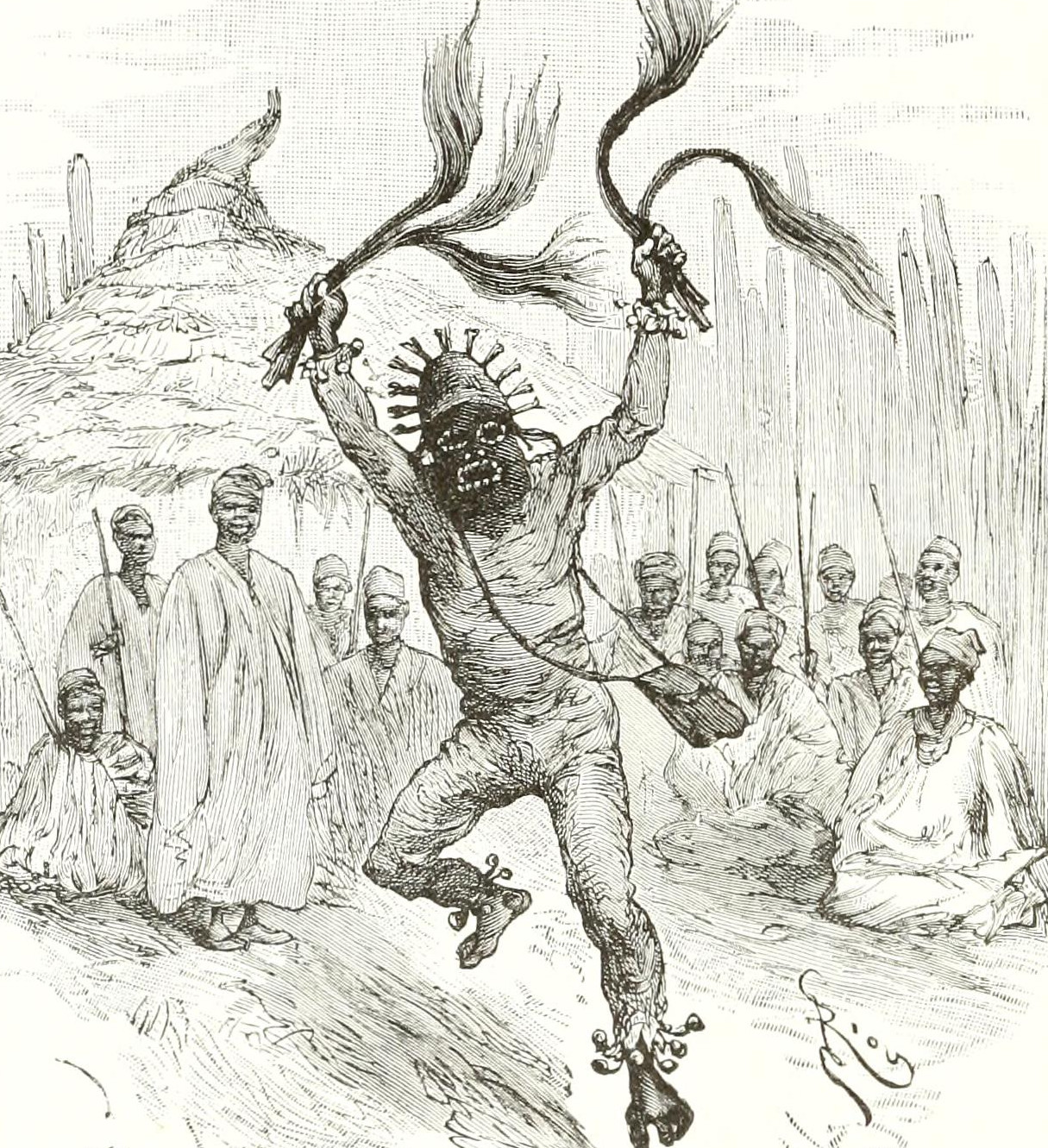 🇺🇸 United States and 2 moreLouisiana Voodoo
An African diasporic religion practiced in Louisiana from the 18th to early 20th centuriesTradition · Healing · Protection Historical
🇺🇸 United States and 2 moreLouisiana Voodoo
An African diasporic religion practiced in Louisiana from the 18th to early 20th centuriesTradition · Healing · Protection Historical
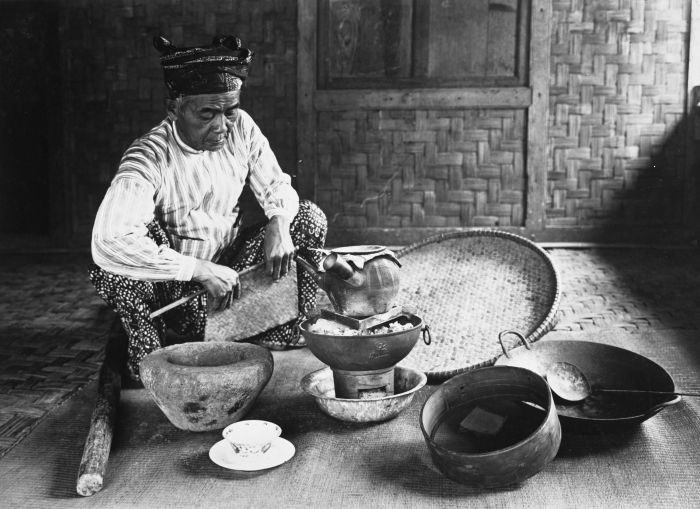 🇮🇩 Indonesia and 2 moreDukun
A traditional healer and spirit medium in Indonesian folk practiceTradition · Healing · Seeing and foretelling Living
🇮🇩 Indonesia and 2 moreDukun
A traditional healer and spirit medium in Indonesian folk practiceTradition · Healing · Seeing and foretelling Living
 🇮🇩 IndonesiaNyi Roro KidulRatu Laut Selatan
The spirit queen of Java's southern coast and guardian of the Indian OceanBeing · Protection · Cursing and harm Living
🇮🇩 IndonesiaNyi Roro KidulRatu Laut Selatan
The spirit queen of Java's southern coast and guardian of the Indian OceanBeing · Protection · Cursing and harm Living
 🇮🇷 Iran and 1 moreJinnجِنّ
Supernatural beings in Islamic and pre-Islamic Arabian belief, created from smokeless fire.Being · Protection · Cursing and harm Living
🇮🇷 Iran and 1 moreJinnجِنّ
Supernatural beings in Islamic and pre-Islamic Arabian belief, created from smokeless fire.Being · Protection · Cursing and harm Living