
Kappa
In its own language: 河童
from kawa (river) and wappa or warabe (child)
A river-dwelling yōkai known for its head dish and love of cucumbers
The kappa is a water monster from Japanese folklore, often called a river-child. It is one of the three major types of yōkai in Japan. People believe it lives in rivers and ponds.
- Head dish holds water that gives strength
- Loves cucumbers and sumo wrestling
- Steals shirikodama soul-ball
- One of three major yōkai
- Reveals secret medicine recipes
What it is
The kappa is a well-known creature in Japanese folklore. It is classified as a yōkai, which are spirits or monsters. The name means river-child. These beings live in fresh water like rivers and ponds. They are often described as green and slimy. Some people see them as dangerous killers. Others view them as playful tricksters. Their appearance is usually humanoid with webbed hands. A turtle-like shell covers their back. A hollow dish on their head holds water. This dish gives them their strength.
Where it comes from
The word comes from old Japanese terms for river and child. In the past, different regions used different names. Eastern Japan mostly used kappa. Western Japan preferred kawatarō. Over time, many local names developed. Some names mean water-sprite. Others refer to monkeys or turtles. The creature likely evolved from older water spirits. Chinese lore may have influenced some traits. Stories changed over centuries. Early texts showed them as deadly. Later tales made them comical.
How it is done
Kappa are said to drag victims into water. They might drown horses or cattle. Some stories claim they steal a soul-ball from the anus. This ball is called shirikodama. To fight them, people spill the water from their head dish. This weakens the creature greatly. Kappa also enjoy sumo wrestling. They challenge humans to matches. If a human wins, the kappa must leave. They might offer gifts instead. Cucumbers are their favorite food. Leaving one can appease them.
Tools and materials
The main tool is the sara on the head. This dish retains vital water. Without it, the kappa loses power. Cucumbers serve as offerings. Sumo rings are places of contest. The shirikodama is a mythical organ. It contains the victim's soul. Samurai swords were used to cut off arms. Hemp shafts could pierce their skin. Mummified hands are kept as proof. These items show the struggle between humans and kappa.
Kappa, drawn and placed
- Living
- Revived
- Fading
- Historical
- Legendary
- Performed
- Lineage
- Japanese yōkai tradition
- Timing
- at rivers and ponds
What it is for
People tell kappa stories to warn children. Rivers are dangerous places. The monster explains drownings. Parents use kappa to keep kids away from water. Sometimes kappa become helpful. They reveal secret medicine recipes. One such drug heals sword wounds. Families claim these secrets today. Kappa might also do farm work. They apologize for past harms. Gifts of fish are common. These acts show gratitude after defeat.
Who does it
Scholars study kappa through old books. Writers record local legends. No specific priest class exists. Ordinary people interact with them in stories. Samurai appear in tales fighting kappa. Farmers receive help from grateful ones. Children learn about dangers from these myths. Modern fans enjoy kappa culture. They visit statues and museums. The creature remains popular in media.
Peoples and places
Japanese folklore features the kappa widely. Different prefectures have unique versions. Kyushu calls them hyosube. Tosa Province uses gataro. Chugoku region knows enkō. These names reflect local views. Some see them as apes. Others link them to turtles. Regional variations show diversity. The core idea stays similar. Water spirits cause trouble or help. Local beliefs shape the details. Stories adapt to each area.
At a glance: who, where and when
Peoples
Belief worlds


What people believe
Kappa belong to the world of yōkai. They are not gods but spirits. Their strength comes from water. Spilling it breaks their power. The shirikodama holds life force. Stealing it causes death or madness. Kappa respect oaths and contracts. They write letters of apology. Breaking promises brings bad luck. They value martial arts. Sumo is a sacred test. Humans who win gain respect. The belief system mixes fear and respect.
When it is done
No fixed festival days exist. Kappa appear near water always. Winter changes their behavior. Some hide in mountains then. Spring brings them back to rivers. Drownings happen year-round. Stories explain accidents anytime. Children play near water daily. Parents warn them constantly. The creature is part of daily life. Seasons affect their location. Cold weather drives them inland.
How scholars and sceptics see it
Anthropologists view kappa as cultural symbols. They represent nature's danger. Historians trace names in Edo texts. Early accounts show deadly monsters. Later works show funny tricksters. This shift reflects social changes. Psychologists see them as cautionary tales. They teach safety around water. Skeptics dismiss them as fiction. Yet the stories persist. They shape local identity and tourism.
Cautions and what is closed
Rivers can be deadly. Drowning is a real risk. Kappa stories highlight this danger. Some claim mental effects survive attacks. Victims might feel stupor. Fraudulent mummies sell to tourists. Fake healers use kappa myths. Real injuries occur in water. Swimming alone is risky. The tales warn against neglect. Respect for nature is key.
Compare and confuse
Kappa resemble other water spirits. Chinese dragons share water traits. European mermaids live in water too. But kappa are distinctively Japanese. They have unique head dishes. Other yokai differ in form. Tengu are mountain spirits. Nurikabe blocks paths. Kappa stay in rivers. Comparisons show global patterns. Water monsters appear everywhere.
Questions people ask about Kappa
What is a kappa?
A kappa is a river-dwelling yōkai from Japanese folklore. It looks like a green humanoid with a turtle shell. Its head has a dish that holds water. This water gives it strength. People believe it lives in ponds and rivers across Japan.
Where does the name come from?
The name comes from old Japanese words. Kawa means river. Wappa or warabe means child. So kappa translates to river-child. Different regions used other names like kawatarō. These names describe the creature's habitat.
How do you defeat a kappa?
You can weaken a kappa by spilling water from its head dish. This removes its strength. You might also challenge it to sumo wrestling. Winning forces it to leave. Cutting off its arm makes it give up secrets. It often offers medicine or gifts.
What is the shirikodama?
The shirikodama is a mythical ball inside the anus. It contains the victim's soul. Kappa steal it to harm or kill people. Losing it causes madness or death. It represents the life force in Japanese belief.
Why do kappa like cucumbers?
Cucumbers are the kappa's favorite food. People leave them as offerings to appease the creature. This act shows respect and friendship. Kappa may perform tasks in return. The vegetable is a symbol of peace.
Good reading and sources
- Kappa (folklore) on WikipediaEncyclopedia
- More photos on Wikimedia CommonsPhotos and video
- Wikidata recordOpen data
The facts on this page come from the Wikipedia article "Kappa (folklore)", written by its contributors and used under the CC BY-SA 4.0 licence, and from its Wikidata record (CC0). EveryJaadu rewrote the text in its own words, with AI assistance, and compares every page with the article to make sure no passage is copied. It may be reused under the same CC BY-SA 4.0 licence with a link back.
It may contain mistakes. Names and customs differ from one community to the next, and some knowledge is closed to outsiders and left out here. This page describes belief and practice. It does not say that any of it works, it is not a how-to, and it is not medical advice. If something is wrong, tell us. Last refreshed 2026-10-05.
More from Japan
All the entries from Japan 🇨🇳 China and 3 moreChinese dragon龍
A legendary water deity and imperial symbol in East Asian cultureBeing · Protection · Luck and prosperity Historical
🇨🇳 China and 3 moreChinese dragon龍
A legendary water deity and imperial symbol in East Asian cultureBeing · Protection · Luck and prosperity Historical
 🇯🇵 JapanTsukumogami付喪神
Household objects that gain a spirit after reaching their hundredth year in Japanese folklore.Being · Cursing and harm Historical
🇯🇵 JapanTsukumogami付喪神
Household objects that gain a spirit after reaching their hundredth year in Japanese folklore.Being · Cursing and harm Historical
 🇯🇵 JapanInugami犬神
A Japanese spirit of dog possession and folk sorceryBelief · Cursing and harm · Power and authority Historical
🇯🇵 JapanInugami犬神
A Japanese spirit of dog possession and folk sorceryBelief · Cursing and harm · Power and authority Historical
 🇯🇵 JapanNoppera-bōのっぺらぼう
A faceless spirit from Japanese folklore that mimics human appearanceBeing · Cursing and harm · Wonder and entertainment Historical
🇯🇵 JapanNoppera-bōのっぺらぼう
A faceless spirit from Japanese folklore that mimics human appearanceBeing · Cursing and harm · Wonder and entertainment Historical
Related elsewhere
All being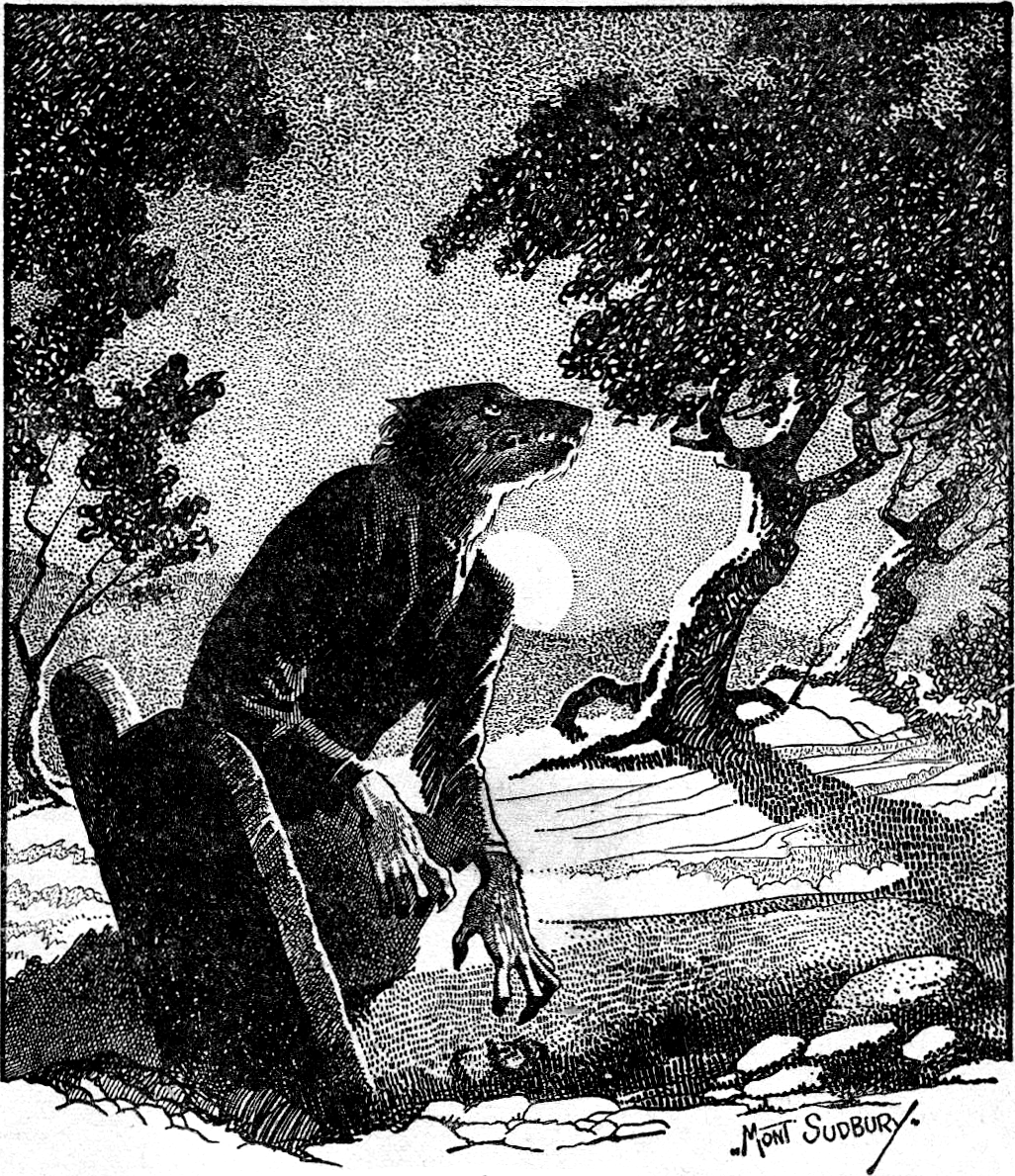 🇫🇷 France and 5 moreWerewolf
A mythical shapeshifter that turns into a wolf, central to European witch-hunts and Gothic horror.Being · Cursing and harm · Wonder and entertainment Legendary
🇫🇷 France and 5 moreWerewolf
A mythical shapeshifter that turns into a wolf, central to European witch-hunts and Gothic horror.Being · Cursing and harm · Wonder and entertainment Legendary
 🇮🇩 IndonesiaRangdaᬭᬗ᭄ᬤ
A Balinese demon queen who leads witches in an eternal battle against good.Figure · Cursing and harm · Wonder and entertainment Legendary
🇮🇩 IndonesiaRangdaᬭᬗ᭄ᬤ
A Balinese demon queen who leads witches in an eternal battle against good.Figure · Cursing and harm · Wonder and entertainment Legendary
 🇬🇧 United Kingdom and 1 moreBlue men of the Minchna fir ghorma
Mythical blue-skinned spirits of the Scottish strait who challenge sailors to poetry contestsBeing · Cursing and harm · Wonder and entertainment Legendary
🇬🇧 United Kingdom and 1 moreBlue men of the Minchna fir ghorma
Mythical blue-skinned spirits of the Scottish strait who challenge sailors to poetry contestsBeing · Cursing and harm · Wonder and entertainment Legendary
 🇷🇸 Serbia and 5 moreVampire
An undead creature from folklore that feeds on the blood or life force of the livingBeing · Cursing and harm · Luck and prosperity Legendary
🇷🇸 Serbia and 5 moreVampire
An undead creature from folklore that feeds on the blood or life force of the livingBeing · Cursing and harm · Luck and prosperity Legendary