The Ekek is a birdlike humanoid monster in Philippine mythology. It prowls at night seeking to kill fetuses by draining their blood. The creature is often linked to the Manananggal and the Wak Wak.
- Winged-human creature from Philippine mythology
- Hunts sleeping pregnant women at night
- Uses a long proboscis to drain fetal blood
- Produces an 'ek-ek-ek' sound during attacks
- Resembles the Manananggal but cannot split its body
What it is
The Ekek is a winged-human creature found in Philippine mythology. These beings search for victims during the night hours. They are described as flying entities that resemble the Manananggal. Unlike the Manananggal, the Ekek cannot split its body in half. It is also closely associated with the Wak Wak due to shared traits. The primary distinction lies in the face; the Ekek possesses a birdlike bill while the Wak Wak does not.
Where it comes from
This entity originates from the mythological traditions of the Philippines. No specific historical origin or date is recorded in the available sources. The creature exists within the realm of folklore and legend rather than documented history.
How it is done
At night, the Ekek transforms into a large bird or bat to prowl. It targets sleeping pregnant women specifically. The creature extends a long proboscis into the womb. It kills the fetus by draining its blood. During this act, a distinct 'ek-ek-ek' sound is heard. The creature uses faint sounds to mislead people about its actual location.
Ekek, drawn and placed
- Living
- Revived
- Fading
- Historical
- Legendary
- Performed
- Lineage
- Philippine mythology
What it is for
The Ekek acts out of hunger for flesh and blood. Its primary intent is harm toward unborn children. It seeks out vulnerable targets among sleeping expectant mothers. There is no evidence of protective or healing purposes associated with this being.
Peoples and places
The Ekek is part of Filipino cultural mythology. It appears in stories passed down through generations. The creature is recognized alongside other similar monsters like the Manananggal and Wak Wak. These figures serve as cautionary elements in local folklore.
At a glance: who, where and when
Peoples
What people believe
In Philippine mythology, these creatures are believed to be real threats to pregnant women. The belief holds that they can shapeshift into birds or bats. The sound 'ek-ek-ek' is considered a warning sign of their presence. People are said to be fooled by the creature's deceptive noises.
Compare and confuse
The Ekek is frequently compared to the Manananggal. Both are winged humans that hunt at night. The key difference is the inability of the Ekek to detach its torso. It is also linked to the Wak Wak. The main distinction is the presence of a birdlike bill on the Ekek.
Questions people ask about Ekek
What is the Ekek?
The Ekek is a winged-human creature from Philippine mythology. It is a flying monster that searches for victims at night. It is known for hunting pregnant women.
Where does the Ekek come from?
The Ekek originates from the mythology of the Philippines. It is a figure in Filipino folklore and legend. It is not tied to a specific historical event.
How does the Ekek attack?
It transforms into a bird or bat to prowl at night. It targets sleeping pregnant women. It extends a long proboscis to drain the fetus's blood.
What sound does it make?
The Ekek makes an 'ek-ek-ek' sound when attacking. It also creates faint noises to trick people. This misleads listeners about its true distance.
Good reading and sources
The facts on this page come from the Wikipedia article "Ekek", written by its contributors and used under the CC BY-SA 4.0 licence, and from its Wikidata record (CC0). EveryJaadu rewrote the text in its own words, with AI assistance, and compares every page with the article to make sure no passage is copied. It may be reused under the same CC BY-SA 4.0 licence with a link back.
It may contain mistakes. Names and customs differ from one community to the next, and some knowledge is closed to outsiders and left out here. This page describes belief and practice. It does not say that any of it works, it is not a how-to, and it is not medical advice. If something is wrong, tell us. Last refreshed 2026-10-05.
More from the Philippines
All the entries from the Philippines 🇲🇾 Malaysia and 5 morePenanggalan
A floating head with trailing organs from Malay folklore, said to hunt pregnant women and newborns.Being · Cursing and harm Legendary
🇵🇭 PhilippinesAlbularyo
A Filipino folk healer who uses herbs, massage, and prayer to treat illnessTradition · Healing Living
🇲🇾 Malaysia and 5 morePenanggalan
A floating head with trailing organs from Malay folklore, said to hunt pregnant women and newborns.Being · Cursing and harm Legendary
🇵🇭 PhilippinesAlbularyo
A Filipino folk healer who uses herbs, massage, and prayer to treat illnessTradition · Healing Living
 🇵🇭 PhilippinesPhilippine mythology
The indigenous myths and spirits of the Philippines, shaped by centuries of trade and colonial contact.Tradition · Speaking with spirits and the dead · Power and authority Living
🇵🇭 PhilippinesPhilippine mythology
The indigenous myths and spirits of the Philippines, shaped by centuries of trade and colonial contact.Tradition · Speaking with spirits and the dead · Power and authority Living
 🇹🇭 Thailand and 7 moreSpirit house
A small roofed shrine that shelters a place's protective spiritCharm · Protection Living
🇹🇭 Thailand and 7 moreSpirit house
A small roofed shrine that shelters a place's protective spiritCharm · Protection Living
Related elsewhere
All being 🇷🇸 Serbia and 5 moreVampire
An undead creature from folklore that feeds on the blood or life force of the livingBeing · Cursing and harm · Luck and prosperity Legendary
🇷🇸 Serbia and 5 moreVampire
An undead creature from folklore that feeds on the blood or life force of the livingBeing · Cursing and harm · Luck and prosperity Legendary
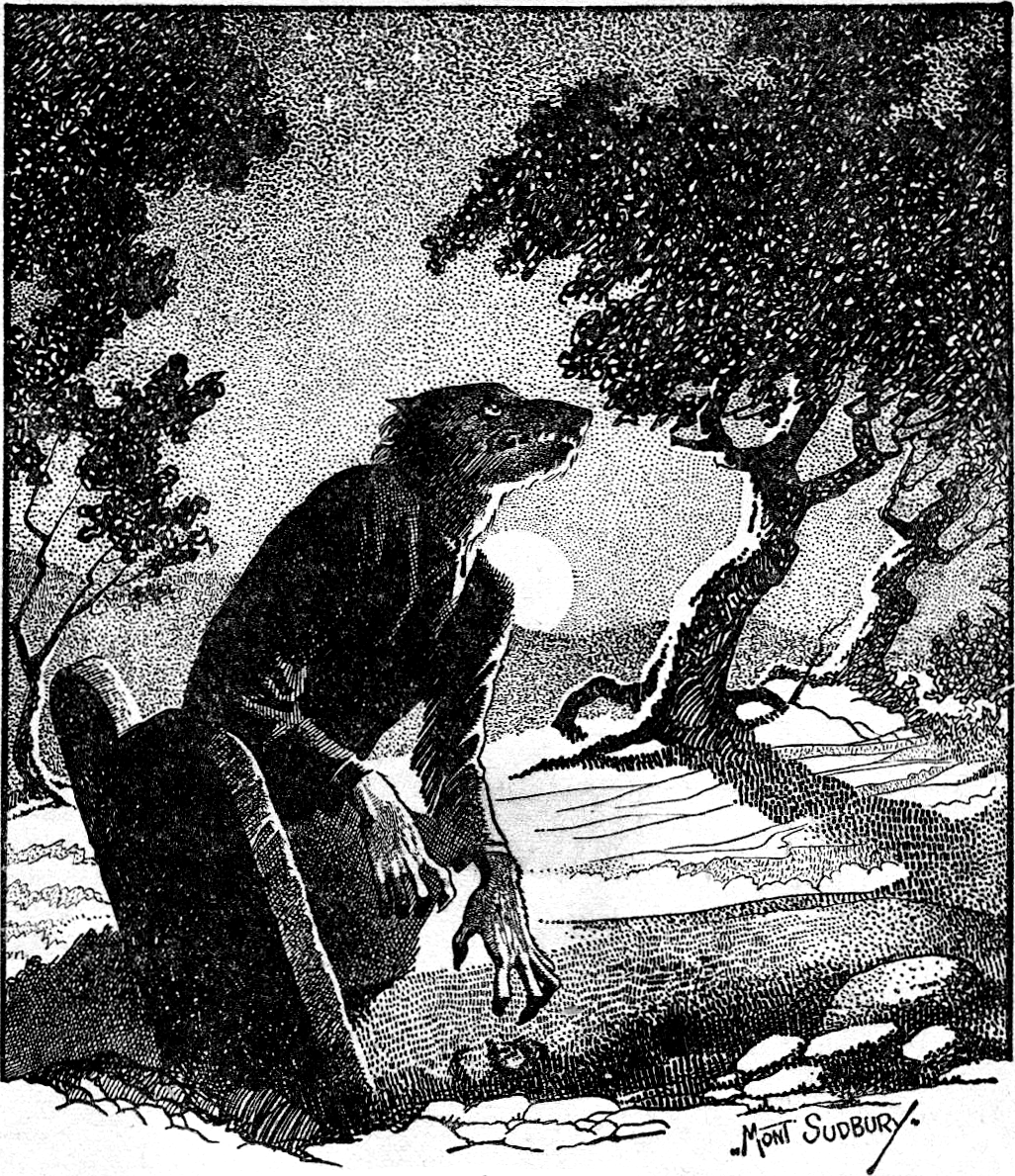 🇫🇷 France and 5 moreWerewolf
A mythical shapeshifter that turns into a wolf, central to European witch-hunts and Gothic horror.Being · Cursing and harm · Wonder and entertainment Legendary
🇫🇷 France and 5 moreWerewolf
A mythical shapeshifter that turns into a wolf, central to European witch-hunts and Gothic horror.Being · Cursing and harm · Wonder and entertainment Legendary
 🇪🇬 Egypt and 1 moreLilithלִילִית
A feminine figure from Mesopotamian and Jewish mythology, often depicted as a night demon or spirit.Being · Cursing and harm Legendary
🇪🇬 Egypt and 1 moreLilithלִילִית
A feminine figure from Mesopotamian and Jewish mythology, often depicted as a night demon or spirit.Being · Cursing and harm Legendary
 🇪🇬 EgyptCurse
A spoken wish for misfortune to befall a person or placeBelief · Cursing and harm · Luck and prosperity Historical
🇪🇬 EgyptCurse
A spoken wish for misfortune to befall a person or placeBelief · Cursing and harm · Luck and prosperity Historical