Spirits, creatures and beings
Djinn, fairies, orisha, golems and the other powers that magic deals with.
Beings are the powers that magic deals with: spirits, ancestors, gods, djinn, fairies, orisha, nats, kami, demons, golems, ghosts and the many kinds of household and landscape spirit. People in most cultures have described a world shared with unseen others, who may help, trouble or ask for respect. This page covers what these beings are said to be and the very different ways communities relate to them. They are always described here as what communities believe, not as established fact.
Different kinds of beings
A being can be a god with a priesthood, such as an orisha served in Yoruba religion, Cuba and Brazil. It can be an ancestor, honoured in China, Africa and Mexico. It can belong to a place, such as the kami of Shinto, the Thai phi or the Burmese nats. It can be a trouble-maker, like the djinn of Arabic and Islamic tradition, formed from smokeless fire, or the fairies of Ireland, whom people avoided naming.
Relationship, not command
In many traditions, a person does not command a being but enters a relationship with it, through offerings, promises and respect. Possession and mediumship are forms of that relationship, as in Vodou, Candomblé, Korean mudang rites and Sufi gatherings. In ceremonial magic of the European grimoires, by contrast, the magician summons spirits by name and authority, which the Church condemned as demon-raising. The same being may be loved in one household and feared in the next, and a spirit helpful to its servant can be harmful to a stranger.
Religions and renaming
Dominant religions often absorbed beings by relabelling them. Christian missionaries called many African and Indigenous spirits demons. Islam reads the djinn as real creatures, some of whom are Muslim, and Hindu and Buddhist traditions fold local deities into their own pantheons. Pagan and fairy beliefs were sometimes recast as the devil's work, which fed witch trials in Europe. Churches and mosques have sometimes divided beings into good and evil in ways the older traditions did not, so that a neutral local spirit became a demon on the day a missionary arrived.
Harm and interpretation
Belief in harmful spirits has been used to accuse people. Children in parts of West and Central Africa have been branded as witches possessed by evil spirits, and some have been abused by pastors or families in the name of deliverance. Scholars read spirit beliefs as ways to make sense of illness, loss and conflict, and many communities see them simply as neighbours. That is why accusations tied to spirit beliefs fall hardest on children and the vulnerable, and why many agencies train local leaders to challenge them.
Being on EveryJaadu
The entries written up so far, best known first.
 🇨🇿 Czech Republic and 4 moreGolemגּוֹלֶם
An animated clay figure from Jewish folklore created to serve or protectBeing · Protection · Power and authority Legendary
 🇬🇷 Greece and 5 moreZeusΖεύς
Supreme king of the Greek gods and ruler of the sky and thunderBeing · Power and authority Legendary
 🇨🇳 China and 3 moreFenghuang鳳凰 (fènghuáng)
A mythological bird symbolizing virtue and imperial harmony in East Asian cultureBeing · Power and authority · Love and attraction Legendary
 🇿🇦 South AfricaInkanyamba
A storm serpent of South African folklore linked to tornadoes and river spiritsBeing · Cursing and harm · Power and authority Legendary
 🇮🇪 IrelandTuatha Dé Danann
A supernatural race in Irish mythology, later known as the fairy folk.Being · Power and authority Legendary
 🇿🇦 South AfricaLightning bird
A vampiric spirit of the Zulu people that serves witches and strikes with thunder.Being · Cursing and harm · Power and authority Legendary
 🇯🇵 JapanTengu天狗
Japanese mountain spirits that evolved from ominous birds into protective forest guardians.Being · Cursing and harm · Protection Legendary
 🇨🇳 China and 3 moreQilin麒麟
A legendary chimerical creature from Chinese mythology that signals the arrival or death of a sage.Being · Power and authority Legendary
 🇮🇳 IndiaParashuramaपरशुराम (Paraśurāma)
The warrior sage of Hinduism who wields a divine axe to restore cosmic balance.Being · Power and authority · Cursing and harm Legendary
 🇨🇳 China and 2 moreFox spirit狐狸精
A shapeshifting creature from Chinese folklore that can take human form and live for centuries.Being · Cursing and harm · Love and attraction Legendary
 🇵🇪 Peru and 1 moreChullachaqui
A one-footed forest spirit of the Amazon that guards the jungle and lures humans with tricks.Being · Cursing and harm · Power and authority Legendary
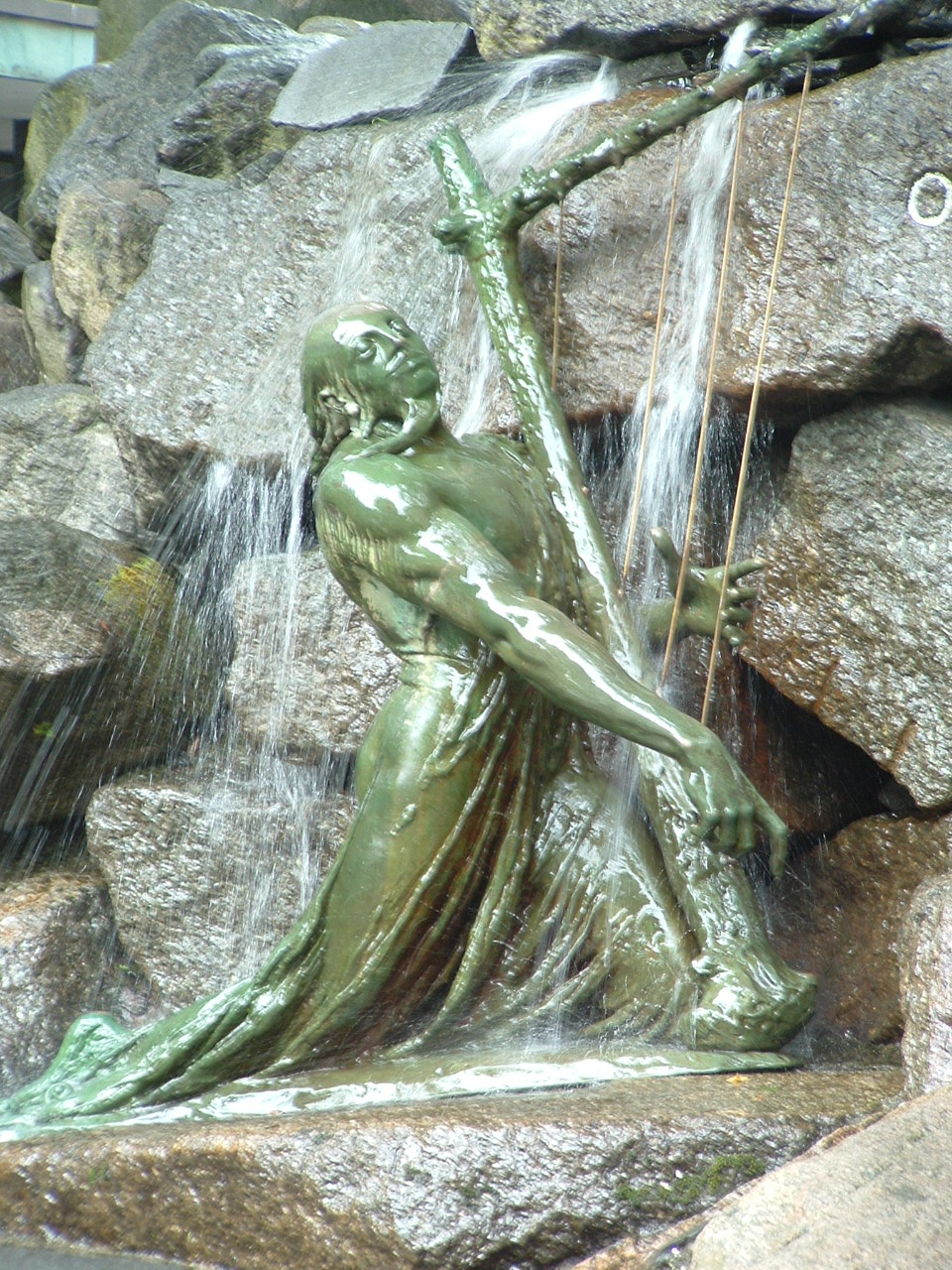 🇳🇴 Norway and 1 moreFossegrim
A Scandinavian water spirit known for teaching fiddle music in exchange for offeringsBeing · Power and authority Legendary
 🇪🇬 Egypt and 1 moreBehemothבְּהֵמוֹת
A primeval land-monster from the Book of Job and later Jewish legendBeing · Power and authority Legendary
 🇨🇳 China and 2 moreXiezhi獬豸
A one-horned beast of Chinese legend that butts the guiltyBeing · Protection · Power and authority Legendary
 🇨🇳 China and 4 moreDragon
A serpentine mythical creature found in global folklore and art, representing power, chaos, or imperial authority.Being · Power and authority · Cursing and harm Legendary
 🇬🇷 GreeceAegisαἰγίς
A mythical shield or skin of Zeus and Athena, symbolizing divine protectionBeing · Protection · Power and authority Legendary
 🇬🇧 United Kingdom and 4 moreWyvern
A two-legged winged dragon common in European heraldry and fantasy fictionBeing · Power and authority Legendary
🇧🇹 BhutanDrukའབྲུག
A mythical thunder dragon from Tibetan and Bhutanese traditionBeing · Power and authority Legendary
 🇪🇬 EgyptSerpopard
A mythical hybrid creature with a serpent-like neck and feline body from ancient Egypt and Mesopotamia.Being · Protection · Power and authority Legendary
 🇲🇽 MexicoCamazotz
A bat spirit of the Maya underworld linked to night, death, and sacrificeBeing · Cursing and harm · Power and authority Legendary
🇯🇵 Japan and 3 moreBahamutبهموت
A cosmic fish or bull that supports the earth in medieval Islamic cosmographyBeing · Power and authority Legendary
 🇮🇪 IrelandSalmon of KnowledgeAn Bradán Feasa
A mythical fish in Irish folklore that holds all the world's wisdom.Being · Power and authority · Wonder and entertainment Legendary
 🇫🇮 FinlandIku-Turso
A primordial giant and sea monster from Finnish mythologyBeing · Power and authority · Cursing and harm Legendary
 🇪🇸 SpainBasajaun
A hairy forest lord of Basque myth who protects livestock and teaches human skillsBeing · Protection · Power and authority Legendary
🇷🇴 Romania and 5 moreBalaur
A many-headed dragon from Romanian folklore that guards treasures and controls the weather.Being · Cursing and harm · Power and authority Legendary
 🇪🇬 Egypt and 2 moreHybrid beasts in folklore
Creatures made of animal and human parts found in myths and ancient artBeing · Power and authority Legendary
 🇮🇳 India and 1 moreWorld Turtle
A mythic giant turtle said to support the earth or contain the world in various cultures.Being · Power and authority Legendary
 🇮🇱 Israel and 1 moreSolomon's shamirשָׁמִיר
A legendary worm or stone used to carve stone without iron toolsBeing · Power and authority Legendary
🇮🇱 Israel and 2 moreRahabרַהַב
A Hebrew mythic sea monster and symbol of chaos, later used as a poetic name for Egypt.Being · Cursing and harm · Power and authority Legendary
🇷🇸 SerbiaCikavacцикавац
A winged creature from Serbian folklore that fetches honey and milk for its ownerBeing · Luck and prosperity · Power and authority Legendary
 🇨🇳 ChinaDenglong蹬龙
A Chinese mythical beast with mixed animal traits, often guarding imperial sites.Being · Protection · Power and authority Legendary
 🇨🇳 ChinaKui夔 (kuí)
A one-legged mountain spirit and ancient music master from Chinese mythologyBeing · Power and authority · Wonder and entertainment Legendary
 🇯🇵 JapanTesso鉄鼠
A Japanese yōkai born from a monk’s curse and the destructive power of ratsBeing · Cursing and harm · Power and authority Legendary
 🇮🇳 IndiaDawon
The lion mount of the goddess Durga in Hindu traditionBeing · Power and authority Legendary
🇪🇸 SpainMinairó
Tiny magical beings from the Pyrenees said to build stone piles and work fields.Being · Power and authority Legendary
 🇧🇴 Bolivia and 1 moreAnchanchu
A shapeshifting vampire of the Andes that drains blood and demands offerings from miners.Being · Cursing and harm · Power and authority Legendary
🇷🇺 RussiaMoryanaМоря́на
A female sea spirit in Slavic folklore who controls winds and calms stormsBeing · Power and authority Legendary
 🇲🇽 MexicoWerejaguar
A supernatural figure from Olmec art, blending human and jaguar traits.Being · Power and authority · Speaking with spirits and the dead Legendary
🇲🇱 Mali and 4 moreKonrulQonrul
A giant bird of Turkic myth that regenerates and aids heroesBeing · Power and authority Legendary
🇷🇺 RussiaAbzar iyesiAbzar іyesi
A Turkic courtyard spirit that guards farmsteads and livestockBeing · Protection · Power and authority Legendary
🇪🇬 EgyptAkhekh
A winged desert creature of Egyptian myth linked to chaos and royal powerBeing · Power and authority Legendary
 🇮🇳 IndiaPanchajanyaपाञ्चजन्य
The sacred conch of Vishnu and Krishna, said to sound creation's first callSubstance · Speaking with spirits and the dead · Cleansing and purification Legendary
🇦🇱 AlbaniaXhindi
Invisible spirits in Albanian mythology that appear at night and may help or harm.Being · Cursing and harm · Power and authority Legendary
 🇮🇹 ItalyWinged lion
A mythological creature combining a lion's body with bird wings, used in heraldry and art.Being · Protection · Power and authority Legendary
🇬🇧 United KingdomAlphyn
A rare beast of English heraldry, tiger-like in shape, with a knotted tailBeing · Power and authority Legendary
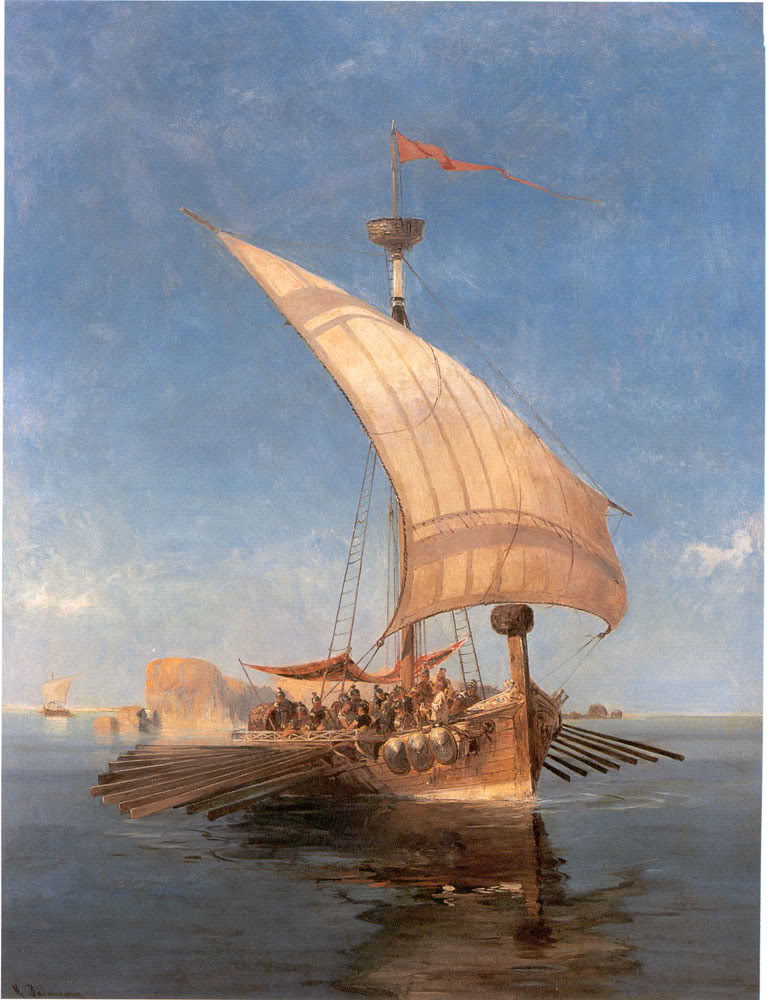 🇬🇷 GreeceArgoἈργώ
The mythic ship of Jason and the Argonauts, built with divine aid for a quest across the sea.Being · Power and authority Legendary
 🇲🇽 MexicoXiuhcoatlXiuhcōātl
A turquoise fire serpent of Aztec myth, the sun's weapon and a sign of the yearBeing · Power and authority · Cursing and harm Legendary
 🇯🇵 JapanUbume産女
The ghost of a mother who died in labour, and the child that turns to stoneBeing · Cursing and harm · Power and authority Legendary
Photo credits on this page
The small pictures above come from Wikimedia Commons under free licences. Some are cropped to fit.
- Dawon: Unknown author, CC BY 4.0, source
- Xtabay: Unknown author, Public domain, source
- Denglong: Shizhao, CC BY-SA 3.0, source
- Fenghuang: Supremo Editor, CC BY-SA 4.0, source
- Inkanyamba: Bjørn Christian Tørrissen, CC BY-SA 3.0, source
- Tuatha Dé Danann: John Duncan, Public domain, source
- Ubume: Brigham Young University, CC BY-SA 4.0, source
- Tengu: Katsushika Hokusai, Public domain, source
- Xiuhcoatl: Paul Hudson, CC BY 2.0, source
- Argo: Konstantinos Volanakis, Public domain, source
- Panchajanya: Rajasekhar1961, CC BY-SA 4.0, source
- Parashurama: Unknown author, Public domain, source
- Fox spirit: Chen Menglei, Public domain, source
- Iku-Turso: Hugo Simberg, Public domain, source
- Chullachaqui: LLs, CC BY-SA 4.0, source
- Fossegrim: Bjørn som tegner, CC BY-SA 3.0, source
- Basajaun: Airiartmed2, CC BY-SA 4.0, source
- Behemoth: Louis Le Breton, Public domain, source
- Wyvern: DeFacto, CC BY-SA 4.0, source
- Xiezhi: Carty239 at English Wikipedia, Public domain, source
- Japanese dragon: Katsushika Hokusai, Public domain, source
- Aegis: Unknown creator, Public domain, source
- Golem: user Thander, Public domain, source
- Serpopard: Unknown author, CC BY-SA 4.0, source
- Tesso: Katsushika Hokusai, Public domain, source
- World Turtle: Unknown author, Public domain, source
- Anchanchu: Arizz4k, CC BY-SA 4.0, source
- Salmon of Knowledge: Man vyi, Public domain, source
- Kui: Dave Pape, Public domain, source
- Qilin: Unknown author, Public domain, source
- Winged lion: Rjcastillo, CC BY-SA 4.0, source
- Werejaguar: Ruben Charles, ( http://www.rubencharles.com ), CC BY 2.0, source
- Hybrid beasts in folklore: Peter Schmelzle, CC BY-SA 3.0, source
- Lightning bird: Photo by and (C)2007 Derek Ramsey ( Ram-Man ), CC BY-SA 2.5, source
- Solomon's shamir: https://en.wikipedia.org/wiki/Eberhard_Werner_Happel, Public domain, source
- Zeus: Olaf Tausch, CC BY 3.0, source