
Lilith
In its own language: לִילִית
from Hebrew Līlīṯ, possibly linked to Akkadian lilû (spirit) or laylah (night)
A feminine figure from Mesopotamian and Jewish mythology, often depicted as a night demon or spirit.
Lilith is a feminine entity in late-antique Mesopotamian and Jewish myth. She does not appear in the Hebrew Bible, though the word lilit occurs in Isaiah. Medieval folklore later cast her as Adam's first wife who fled Eden.
- Lilith appears in medieval Jewish folklore as Adam's first wife.
- The word lilit occurs only once in the Hebrew Bible, in Isaiah.
- Ancient amulets served as symbolic divorce papers to ward her off.
- Modern scholarship rejects links to Gilgamesh and the Burney Relief.
- Rabbinic texts warned men against sleeping alone in houses.
What it is
Lilith is a feminine figure found in late-antique Mesopotamian and Jewish mythology. She is not present in the Hebrew Bible itself, but the term lilit appears in Isaiah 34:14. Scholars debate this word, seeing it as either a primordial she-demon or a night bird like a screech-owl. In medieval Jewish folklore, she is described as Adam's first wife. The legend grew through Aggadah and Jewish mysticism, where she is portrayed as fleeing the Garden of Eden because she refused to submit to Adam. Later materials depict her as a dangerous night demon who steals babies and seduces men.
Where it comes from
The earliest mentions are in the Dead Sea Scrolls and late-antique Mandaean and Jewish sources. These texts include historiolas, which are incantations containing short myths. She appears in the Babylonian Talmud and the Zohar as a fiery female who cohabited with man. Some rabbis, including Maimonides, rejected her existence. Her name likely derives from Akkadian lilû or lilītu, spirits of those who died unmarried. She may also conflate with Lamaštu, a child-threatening demon. Early interpretations linking her to Gilgamesh or the Burney Relief have been largely disproven by modern scholarship.
How it is done
In ancient Mesopotamia, people used incantation bowls and amulets to ward off Lilith. These items often served as symbolic divorce papers to drive away a household haunting. Jewish tradition held that men should not sleep alone in a house, for fear of being seized by Lilith. Rabbinic authorities feared her presence enough to issue warnings about solitary sleeping. The practice involved protective rituals rather than direct engagement, aiming to repel the spirit from domestic spaces.
Tools and materials
Practitioners used limestone plaques and clay bowls inscribed with spells. Amulets from Arslan Tash and other sites were carved with protective text. Symbolic divorce papers were employed to legally sever ties with the haunting spirit. These tools were placed in homes to create boundaries against the demon. The materials were chosen for their durability and ability to bear written invocations.
Lilith, drawn and placed
- Living
- Revived
- Fading
- Historical
- Legendary
- Performed
- Lineage
- Mesopotamian demonology and Jewish mysticism
- Timing
- at night, during sleep
What it is for
The primary intent was protection against harm. Lilith was believed to steal infants and threaten women in childbirth. People sought to ward off her influence on families and households. The rituals aimed to cleanse the home of her presence. Some viewed her as a sexual threat to men, requiring vigilance. The purpose was defensive, seeking safety from a malevolent force rather than invoking her aid.
Who does it
No specific professional class is named for performing these rites. Household members used the amulets and bowls themselves. Rabbis provided the theological framework and warnings. Scholars study the textual evidence today. The knowledge was distributed among those familiar with Jewish magic and incantation traditions. Gender roles influenced the fears, with men warned about sleeping alone and women about childbirth dangers.
Peoples and places
The figure is central to Jewish folklore and mysticism. Mesopotamian cultures provided the earlier demonological roots. The concept spread through diaspora communities in Babylon and later Europe. Different regions interpreted the demon differently, blending local fears with biblical texts. Other cultures did not adopt the specific figure of Lilith in the same way.
At a glance: who, where and when
Peoples
Belief worlds


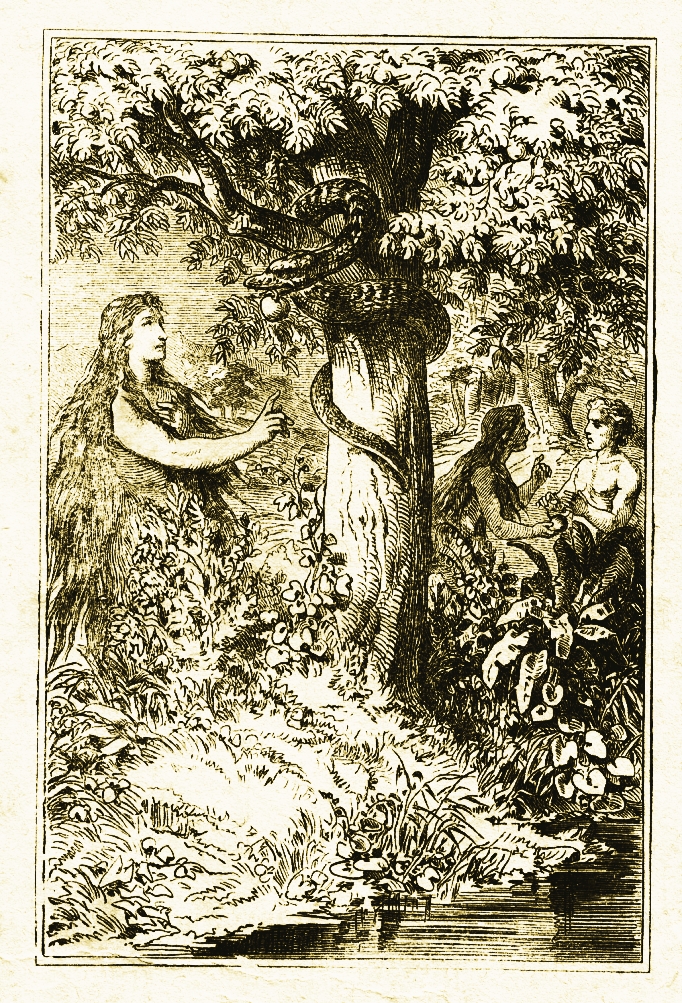

What people believe
The worldview sees Lilith as a demonic spirit operating at night. She is part of a class of lilû, spirits of the dead or unborn. The belief holds that she has power over sleep and reproduction. She is seen as sexually wanton and dangerous to children. This view contrasts with scholarly theories that see her as a mere animal or metaphor. The magical belief system treats her as a real threat requiring active repulsion through written spells.
When it is done
The activities associated with Lilith occur at night. There are no specific festivals tied to her. The danger is constant, particularly during sleep and childbirth. No seasonal calendar governs her worship or appeasement. The focus is on immediate protection rather than annual ritual cycles. The timing is defined by vulnerability, such as darkness or the postpartum period.
How scholars and sceptics see it
Scholars debate the origin and nature of Lilith. Some link her to Mesopotamian demons, while others see her as a biblical creature. Translations of Isaiah vary between demon and bird. Modern research rejects early links to Gilgamesh or the Burney Relief. Experts note that terms like ardat-lilî were sometimes confused with prostitutes or diseases. The academic consensus emphasizes the late development of the folklore versus the sparse biblical evidence.
Cautions and what is closed
Historical texts warn of physical and spiritual harm. Men were told not to sleep alone to avoid seizure. Women faced risks during childbirth attributed to her. The belief in her power led to anxiety and protective measures. No modern health risks are associated with the figure herself. The caution is purely traditional, rooted in ancient fears of nocturnal demons and infant mortality.
Compare and confuse
Lilith is often confused with other Mesopotamian demons like Lamaštu. She is distinct from the biblical creatures in Isaiah. Some early scholars incorrectly linked her to Inanna or Ishtar. The term lilit is different from lilû, though related. Confusion arises from overlapping translations and later folklore developments. She is unique in Jewish tradition as a potential first wife of Adam.
Questions people ask about Lilith
Who is Lilith?
Lilith is a feminine figure in Mesopotamian and Jewish mythology. She is described as a night demon or spirit. Medieval folklore later identified her as Adam's first wife who left Eden.
Where does the name come from?
The name comes from Hebrew Līlīṯ. It may be linked to Akkadian words for spirit or night. Scholars debate whether it means a demon or a night bird.
Is Lilith in the Bible?
She does not appear as a character in the Hebrew Bible. The word lilit appears in Isaiah 34:14. Translations differ on whether it refers to a demon or an owl.
What was she believed to do?
She was believed to steal babies and threaten women in childbirth. She was also seen as a sexual danger to men sleeping alone. People used amulets to protect against her.
Good reading and sources
- Lilith on WikipediaEncyclopedia
- More photos on Wikimedia CommonsPhotos and video
- Wikidata recordOpen data
The facts on this page come from the Wikipedia article "Lilith", written by its contributors and used under the CC BY-SA 4.0 licence, and from its Wikidata record (CC0). EveryJaadu rewrote the text in its own words, with AI assistance, and compares every page with the article to make sure no passage is copied. It may be reused under the same CC BY-SA 4.0 licence with a link back.
It may contain mistakes. Names and customs differ from one community to the next, and some knowledge is closed to outsiders and left out here. This page describes belief and practice. It does not say that any of it works, it is not a how-to, and it is not medical advice. If something is wrong, tell us. Last refreshed 2026-10-05.
More from Egypt
All the entries from Egypt 🇪🇬 EgyptImhotepỉỉ-m-ḥtp
An ancient Egyptian architect deified as a god of healing and wisdomBeing · Healing · Power and authority Historical
🇪🇬 EgyptImhotepỉỉ-m-ḥtp
An ancient Egyptian architect deified as a god of healing and wisdomBeing · Healing · Power and authority Historical
 🇪🇬 EgyptAnubis𓇋𓈖𓊪𓃣
The jackal-headed god who guides souls and oversees mummification in ancient Egypt.Being · Protection · Speaking with spirits and the dead Historical
🇪🇬 EgyptAnubis𓇋𓈖𓊪𓃣
The jackal-headed god who guides souls and oversees mummification in ancient Egypt.Being · Protection · Speaking with spirits and the dead Historical
 🇪🇬 EgyptKhaemwesetḫꜥ m wꜣst
A prince and priest remembered for restoring ancient Egyptian monuments.Figure Historical
🇪🇬 EgyptKhaemwesetḫꜥ m wꜣst
A prince and priest remembered for restoring ancient Egyptian monuments.Figure Historical
Related elsewhere
All being 🇷🇸 Serbia and 5 moreVampire
An undead creature from folklore that feeds on the blood or life force of the livingBeing · Cursing and harm · Luck and prosperity Legendary
🇷🇸 Serbia and 5 moreVampire
An undead creature from folklore that feeds on the blood or life force of the livingBeing · Cursing and harm · Luck and prosperity Legendary
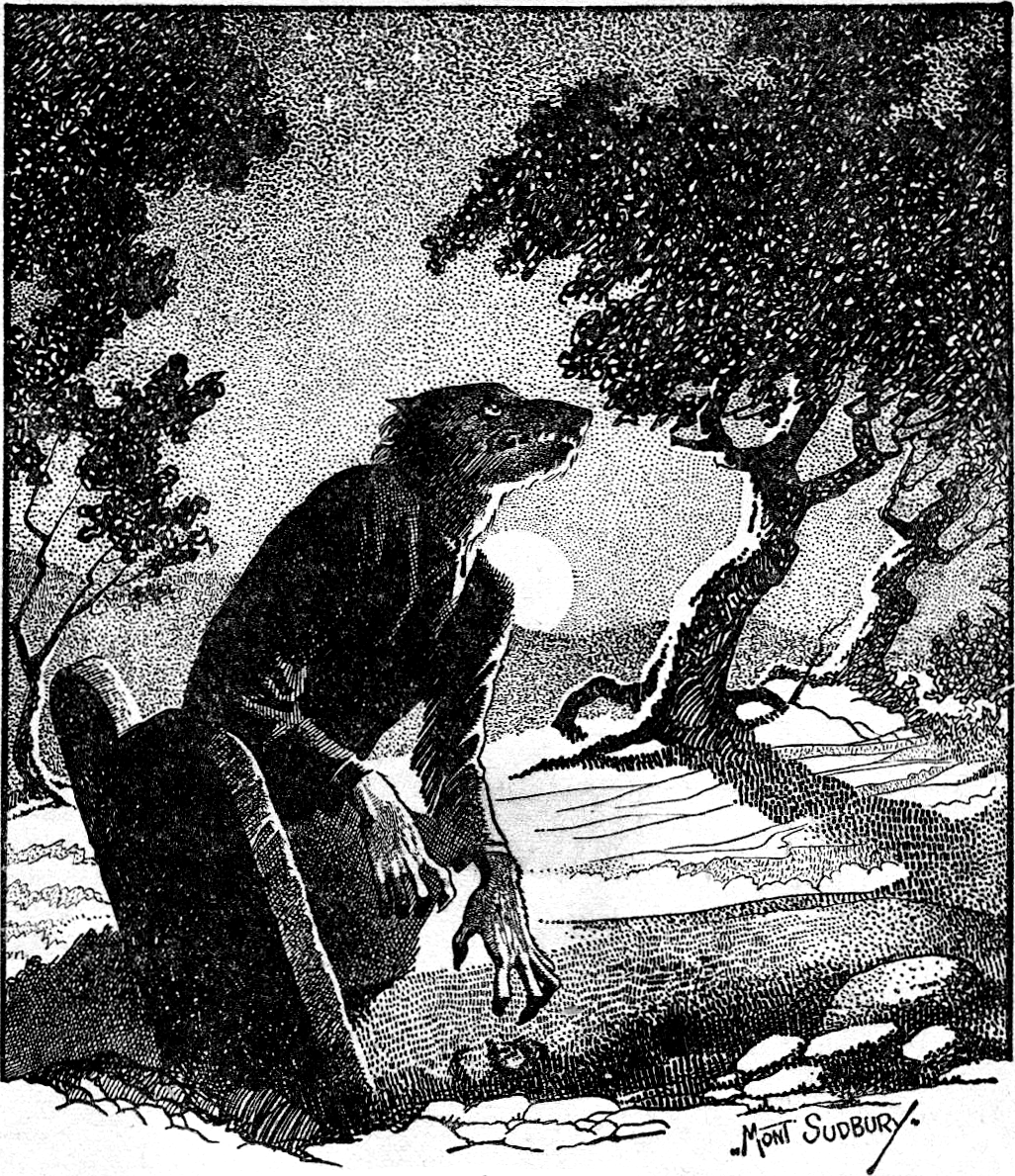 🇫🇷 France and 5 moreWerewolf
A mythical shapeshifter that turns into a wolf, central to European witch-hunts and Gothic horror.Being · Cursing and harm · Wonder and entertainment Legendary
🇫🇷 France and 5 moreWerewolf
A mythical shapeshifter that turns into a wolf, central to European witch-hunts and Gothic horror.Being · Cursing and harm · Wonder and entertainment Legendary
 🇮🇳 India and 5 moreHoliहोली
A Hindu spring festival marked by coloured powders and bonfires to celebrate love and virtue.Tradition · Love and attraction · Cursing and harm Living
🇮🇳 India and 5 moreHoliहोली
A Hindu spring festival marked by coloured powders and bonfires to celebrate love and virtue.Tradition · Love and attraction · Cursing and harm Living
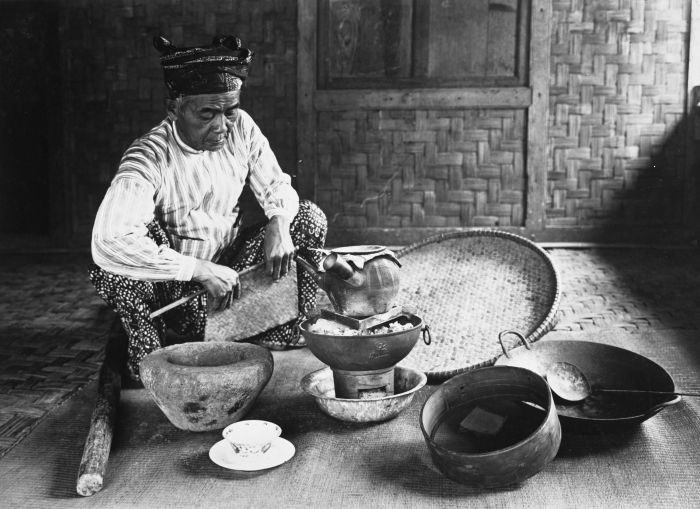 🇮🇩 Indonesia and 2 moreDukun
A traditional healer and spirit medium in Indonesian folk practiceTradition · Healing · Seeing and foretelling Living
🇮🇩 Indonesia and 2 moreDukun
A traditional healer and spirit medium in Indonesian folk practiceTradition · Healing · Seeing and foretelling Living