Mokoi
lit. "evil spirit"
An evil spirit in Yolngu mythology that kills sorcerers and kidnaps children
The Mokoi is an evil spirit in Australian Aboriginal mythology, specifically among the Yolngu people. It is believed to kill sorcerers who practice black magic and to kidnap children at night to eat them or extract their life force.
- Mokoi means "evil spirit" in Yolngu mythology
- It kills sorcerers who practice black magic
- Kidnaps children at night to eat them
- Murngin believe it causes death via disease
- Extracts elixir of life from children
What it is
The Mokoi is a malevolent spirit within Australian Aboriginal mythology, particularly associated with the Yolngu people. Its name translates directly to "evil spirit." This entity is characterized by its hostility toward humans, especially those involved in magical practices. It is feared for its role in causing death and harm through supernatural means rather than natural causes.
Where it comes from
The concept of the Mokoi originates from the mythological traditions of the Yolngu and Murngin peoples in Australia. Specific details regarding its creation or initial appearance are not detailed in the provided sources, but it is established as a known figure in these cultural narratives.
How it is done
The Mokoi is said to operate primarily at night. It kidnaps children, taking them into the woods. Some accounts suggest it eats children to extract an elixir of life to strengthen itself, despite being dead. Other interpretations state it harms parents who follow the children. It also targets sorcerers who use black magic, killing them as punishment.
Mokoi, drawn and placed
- Living
- Revived
- Fading
- Historical
- Legendary
- Performed
- Lineage
- Australian Aboriginal mythology
- Timing
- at night
What it is for
The Mokoi serves as a punitive force against practitioners of black magic. It is also believed to cause death among the general population, with the Murngin viewing death as rarely due to old age but rather the work of the Mokoi bringing disease or fatal accidents.
Peoples and places
The Mokoi is central to the beliefs of the Yolngu and Murngin peoples. For the Murngin, it explains the cause of death, which they attribute to the spirit rather than natural aging. The Yolngu tradition identifies it as an evil spirit that enforces consequences on magicians.
At a glance: who, where and when
What people believe
The belief system surrounding the Mokoi includes a complex relationship with other entities. One legend states the Mokoi gave his life for the devil and now helps him. It is paradoxically described as dead yet seeking life force from children. It punishes magicians who take pacts leading to death.
Questions people ask about Mokoi
What is a Mokoi?
A Mokoi is an evil spirit in Australian Aboriginal mythology, specifically among the Yolngu people, known for harming humans and punishing sorcerers.
Where does the belief in Mokoi come from?
The belief originates in the mythologies of the Yolngu and Murngin peoples in Australia, where it is a recognized figure of fear and retribution.
What does the Mokoi do to children?
It is believed to kidnap children at night, sometimes eating them to extract an elixir of life, or harming their parents if they follow.
Why does the Mokoi kill sorcerers?
The Mokoi kills magicians who use black magic because they have taken pacts that lead to death, serving as a form of supernatural justice.
Good reading and sources
The facts on this page come from the Wikipedia article "Mokoi", written by its contributors and used under the CC BY-SA 4.0 licence, and from its Wikidata record (CC0). EveryJaadu rewrote the text in its own words, with AI assistance, and compares every page with the article to make sure no passage is copied. It may be reused under the same CC BY-SA 4.0 licence with a link back.
It may contain mistakes. Names and customs differ from one community to the next, and some knowledge is closed to outsiders and left out here. This page describes belief and practice. It does not say that any of it works, it is not a how-to, and it is not medical advice. If something is wrong, tell us. Last refreshed 2026-10-05.
More from Australia
All the entries from Australia 🇦🇺 AustraliaKurdaitchakwertatye
A ritual executioner and feathered shoes of the Arrernte people in Central Australia.Tradition · Cursing and harm · Power and authority Historical
🇦🇺 AustraliaKurdaitchakwertatye
A ritual executioner and feathered shoes of the Arrernte people in Central Australia.Tradition · Cursing and harm · Power and authority Historical
 🇦🇺 AustraliaRainbow Serpent
A creator spirit of water and land in Aboriginal Australian mythologyBeing · Healing · Cursing and harm Living
🇦🇺 AustraliaRainbow Serpent
A creator spirit of water and land in Aboriginal Australian mythologyBeing · Healing · Cursing and harm Living
 🇦🇺 Australia and 1 moreTattoo
A permanent mark made by placing pigment under the skin to form a design.Tradition · Protection · Power and authority Living
🇦🇺 Australia and 1 moreTattoo
A permanent mark made by placing pigment under the skin to form a design.Tradition · Protection · Power and authority Living
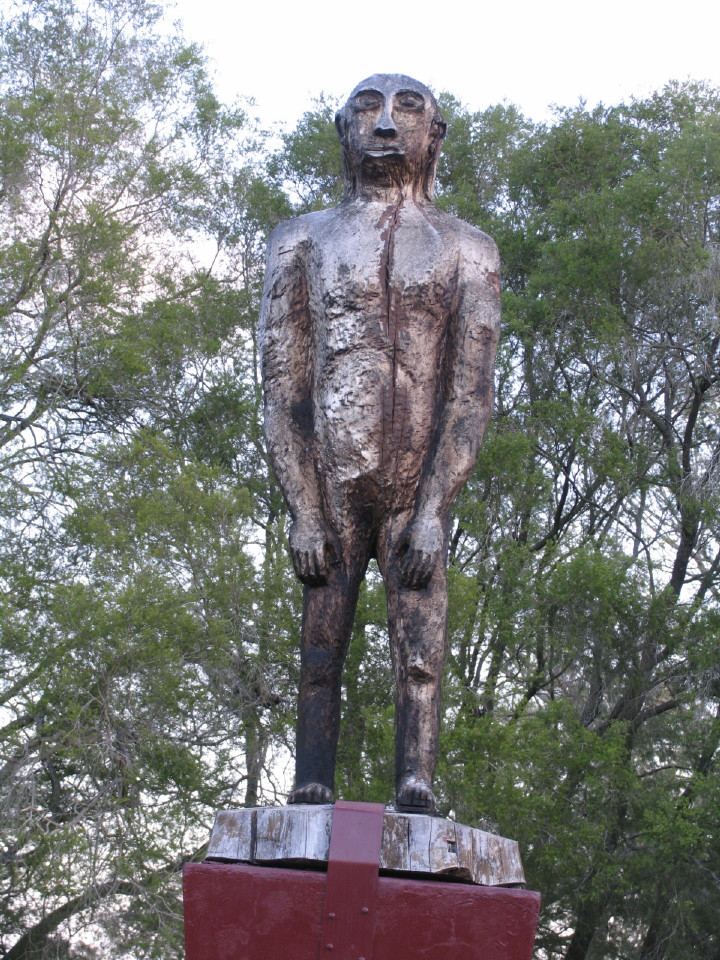 🇦🇺 AustraliaYowie
A hairy, bipedal creature of Australian folklore and cryptozoologyFigure · Wonder and entertainment Legendary
🇦🇺 AustraliaYowie
A hairy, bipedal creature of Australian folklore and cryptozoologyFigure · Wonder and entertainment Legendary
Related elsewhere
All being 🇷🇸 Serbia and 5 moreVampire
An undead creature from folklore that feeds on the blood or life force of the livingBeing · Cursing and harm · Luck and prosperity Legendary
🇷🇸 Serbia and 5 moreVampire
An undead creature from folklore that feeds on the blood or life force of the livingBeing · Cursing and harm · Luck and prosperity Legendary
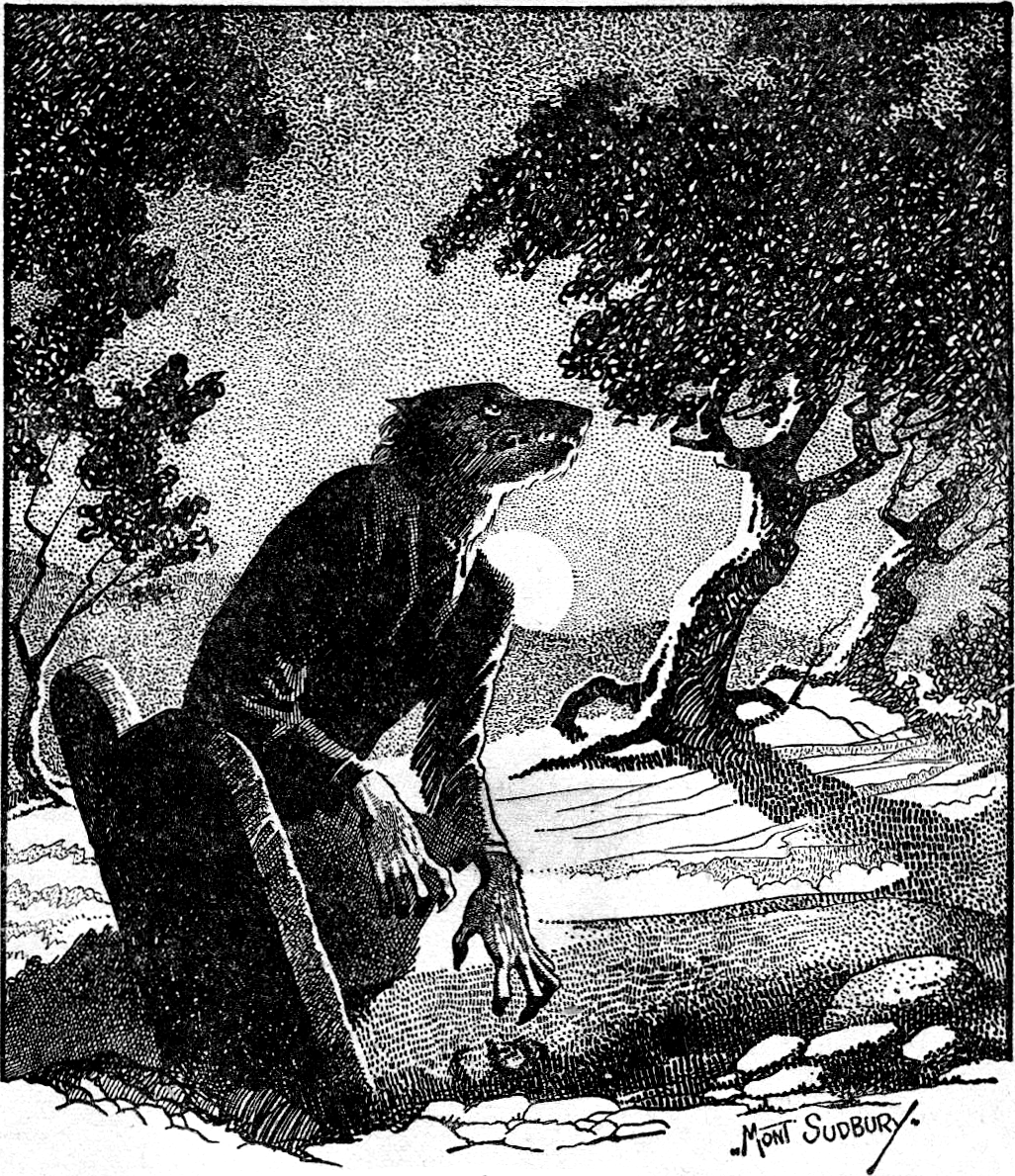 🇫🇷 France and 5 moreWerewolf
A mythical shapeshifter that turns into a wolf, central to European witch-hunts and Gothic horror.Being · Cursing and harm · Wonder and entertainment Legendary
🇫🇷 France and 5 moreWerewolf
A mythical shapeshifter that turns into a wolf, central to European witch-hunts and Gothic horror.Being · Cursing and harm · Wonder and entertainment Legendary
 🇪🇬 Egypt and 1 moreLilithלִילִית
A feminine figure from Mesopotamian and Jewish mythology, often depicted as a night demon or spirit.Being · Cursing and harm Legendary
🇪🇬 Egypt and 1 moreLilithלִילִית
A feminine figure from Mesopotamian and Jewish mythology, often depicted as a night demon or spirit.Being · Cursing and harm Legendary
 🇪🇬 EgyptCurse
A spoken wish for misfortune to befall a person or placeBelief · Cursing and harm · Luck and prosperity Historical
🇪🇬 EgyptCurse
A spoken wish for misfortune to befall a person or placeBelief · Cursing and harm · Luck and prosperity Historical