Ittan-momen
In its own language: 一反木綿
from Japanese for one tan of cotton
A flying cloth yōkai from Japanese folklore that warns children to stay indoors at night
The ittan-momen is a supernatural being in the folklore of Kagoshima Prefecture, Japan. It appears as a large bolt of white cotton cloth that flies through the air and attacks people.
- Name means one tan of cotton in Japanese
- Attacks people by wrapping around their necks
- Originates from Kagoshima Prefecture folklore
- Used to warn children about playing late
- Modern sightings include flying white sheets
What it is
The ittan-momen is a yōkai, or supernatural creature, found in the folklore of Kōyama and Kimotsuki District in Kagoshima Prefecture. The name translates to one tan of cotton, referring to a standard bolt of fabric measuring roughly ten meters long. In local tales, this white cloth-like object flutters through the evening sky. It is said to wrap around people's necks, cover their faces, and suffocate them. Some stories describe the cloth spinning rapidly before carrying victims away into the heavens. While classical emaki scrolls show a similar figure with limbs, traditional accounts describe a featureless flying sheet.
Where it comes from
Folklorist Komatsu Kazuhiko suggests the ittan-momen may have originated from depictions in the Hyakki Yagyō Emaki, a classical scroll of night parades featuring a cloth-shaped spirit. The legend serves as a cautionary tale for children. Parents used the story to warn youngsters against playing outside late at night when farmwork kept adults busy and supervision was absent. The timing of sightings aligns with dusk, reinforcing its role as a bedtime deterrent in rural communities.
How it is done
The entity appears as a large white cloth fluttering in the wind. It targets individuals walking alone or in groups near shrines or roads. Witnesses claim it wraps around the victim's body or neck. In some versions, the cloth can be cut with a short sword, leaving blood behind. In others, it simply drags the person upward into the sky. Children were taught to run ahead if they passed shrines where the spirits were believed to lurk above.
Tools and materials
The primary tool is the bolt of cotton itself, often described as transparent or bright white. In burial customs of the region, cotton flags are raised to mourn the dead. These flags can catch the wind and fly erratically, potentially inspiring the visual of a moving cloth. The legend relies on the appearance of the fabric rather than any magical implements wielded by the spirit.
Ittan-momen, drawn and placed
- Living
- Revived
- Fading
- Historical
- Legendary
- Performed
- Lineage
- Japanese folklore
- Timing
- evening
What it is for
The ittan-momen is primarily a source of fear and harm in folklore. It is believed to attack those who wander too far from home after dark. The legend functions as a social control mechanism, ensuring children return to safety before nightfall. It also connects to mourning practices, linking the flying cloth to the spirits of the deceased or the act of remembrance.
Who does it
Scholars and folklorists study the ittan-momen as part of Japanese cultural heritage. Researchers like Kunio Yanagita and Nomura Denshi documented the dialect and legends of the Kagoshima region. Modern historians, such as Takenoi Satoshi, create kamishibai (paper theater) to preserve these fading stories for younger generations. There are no living practitioners who summon or worship the spirit; it exists solely within narrative tradition.
Peoples and places
The legend is specific to Kagoshima Prefecture in southern Japan, particularly the Kimotsuki District. Similar entities appear elsewhere in Japan. The fusuma of Sado Island resembles a large bedding cloth that covers pedestrians. The futon kabuse of Aichi Prefecture involves a floating futon that suffocates victims. These regional variations share the core motif of a household textile coming to life to harm humans.
At a glance: who, where and when
Peoples
Belief worlds
What people believe
The belief system places the ittan-momen within the broader category of yōkai, spirits born from objects or natural phenomena. It reflects an animistic view where everyday items like cotton cloth can acquire agency. The legend also intersects with shinto concepts of sacred spaces, as shrines are noted locations for sightings. The spirit operates without divine command, acting on its own malevolent impulse toward the living.
When it is done
Sightings are reported during the evening hours. The legend is tied to daily routines rather than specific festivals. It is most relevant at dusk, when children might still be outside playing. The timing coincides with the end of agricultural work, making it a practical warning for families engaged in farming.
Questions people ask about Ittan-momen
What is an ittan-momen?
It is a yōkai from Japanese folklore that appears as a large bolt of white cotton cloth flying through the air. It is known for attacking people by wrapping around them.
Where does the legend come from?
The legend originates in the Kimotsuki District of Kagoshima Prefecture, Japan. It is part of the local oral tradition and dialect records collected by folklorists.
Why did people tell stories about it?
Parents used the story to warn children not to play outside late at night. Since farmers worked until dusk, the tale ensured kids returned home safely before darkness fell.
Is it related to other spirits?
Yes, similar yōkai exist in other regions. The fusuma of Sado Island and the futon kabuse of Aichi Prefecture share the motif of household textiles attacking humans.
Good reading and sources
The facts on this page come from the Wikipedia article "Ittan-momen", written by its contributors and used under the CC BY-SA 4.0 licence, and from its Wikidata record (CC0). EveryJaadu rewrote the text in its own words, with AI assistance, and compares every page with the article to make sure no passage is copied. It may be reused under the same CC BY-SA 4.0 licence with a link back.
It may contain mistakes. Names and customs differ from one community to the next, and some knowledge is closed to outsiders and left out here. This page describes belief and practice. It does not say that any of it works, it is not a how-to, and it is not medical advice. If something is wrong, tell us. Last refreshed 2026-10-05.
More from Japan
All the entries from Japan 🇨🇳 China and 3 moreChinese dragon龍
A legendary water deity and imperial symbol in East Asian cultureBeing · Protection · Luck and prosperity Historical
🇨🇳 China and 3 moreChinese dragon龍
A legendary water deity and imperial symbol in East Asian cultureBeing · Protection · Luck and prosperity Historical
 🇯🇵 JapanOni鬼(おに)
A horned demon of Japanese folklore known for strength and evil deedsBeing · Cursing and harm · Luck and prosperity Legendary
🇯🇵 JapanOni鬼(おに)
A horned demon of Japanese folklore known for strength and evil deedsBeing · Cursing and harm · Luck and prosperity Legendary
 🇯🇵 JapanBaku獏
A Japanese spirit said to eat bad dreams and protect sleepersBeing · Protection Living
🇯🇵 JapanKuda-gitsune管狐 (kuda-gitsune)
A small spirit kept in a tube or sleeve to aid fortune-telling and cursing in Japanese folklore.Being · Seeing and foretelling · Cursing and harm Legendary
🇯🇵 JapanBaku獏
A Japanese spirit said to eat bad dreams and protect sleepersBeing · Protection Living
🇯🇵 JapanKuda-gitsune管狐 (kuda-gitsune)
A small spirit kept in a tube or sleeve to aid fortune-telling and cursing in Japanese folklore.Being · Seeing and foretelling · Cursing and harm Legendary
Related elsewhere
All being 🇷🇸 Serbia and 5 moreVampire
An undead creature from folklore that feeds on the blood or life force of the livingBeing · Cursing and harm · Luck and prosperity Legendary
🇷🇸 Serbia and 5 moreVampire
An undead creature from folklore that feeds on the blood or life force of the livingBeing · Cursing and harm · Luck and prosperity Legendary
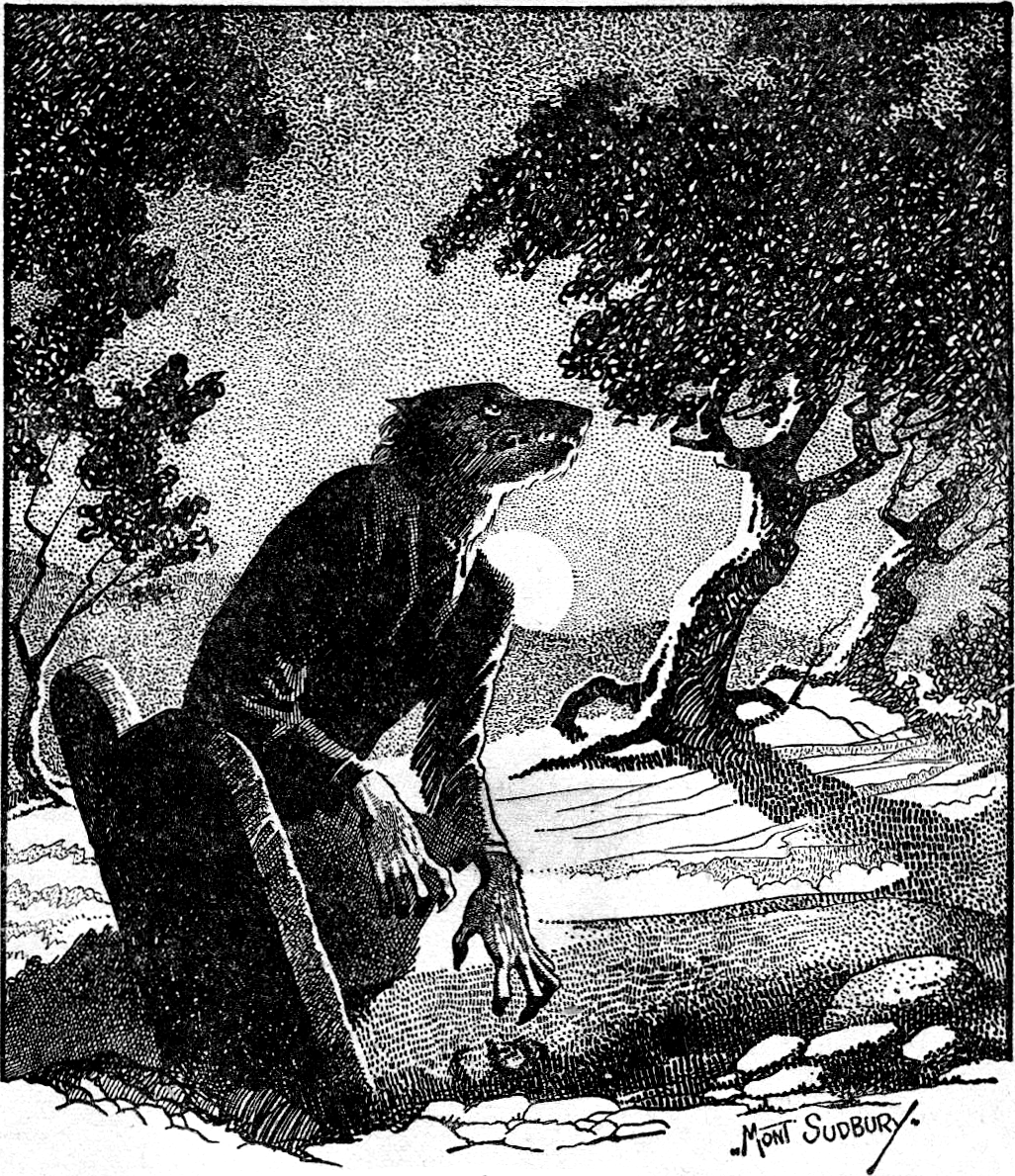 🇫🇷 France and 5 moreWerewolf
A mythical shapeshifter that turns into a wolf, central to European witch-hunts and Gothic horror.Being · Cursing and harm · Wonder and entertainment Legendary
🇫🇷 France and 5 moreWerewolf
A mythical shapeshifter that turns into a wolf, central to European witch-hunts and Gothic horror.Being · Cursing and harm · Wonder and entertainment Legendary
 🇪🇬 Egypt and 1 moreLilithלִילִית
A feminine figure from Mesopotamian and Jewish mythology, often depicted as a night demon or spirit.Being · Cursing and harm Legendary
🇪🇬 Egypt and 1 moreLilithלִילִית
A feminine figure from Mesopotamian and Jewish mythology, often depicted as a night demon or spirit.Being · Cursing and harm Legendary
 🇪🇬 EgyptCurse
A spoken wish for misfortune to befall a person or placeBelief · Cursing and harm · Luck and prosperity Historical
🇪🇬 EgyptCurse
A spoken wish for misfortune to befall a person or placeBelief · Cursing and harm · Luck and prosperity Historical