
Vampire
from South Slavic vampir, possibly via French or German, with disputed roots in Turkish or Lithuanian
An undead creature from folklore that feeds on the blood or life force of the living
A mythical being found in global legends that returns from the dead to harm the living. The modern concept emerged from eighteenth-century Eastern European reports and was shaped by nineteenth-century literature into a sophisticated monster.
- The term entered English in the 1700s after Eastern European panic
- Bram Stoker's Dracula defined the modern sophisticated vampire
- Folklore describes bloated corpses in shrouds with dark skin
- Rituals included burying bodies upside down or with scythes
- Albanian dhampir are hybrids who can detect monsters like lugat
What it is
A vampire is a supernatural entity described as an undead humanoid that survives by consuming the vital essence of humans, typically through blood. In traditional tales, these beings return to their former homes to cause illness or death among neighbors and family. They are often depicted wearing burial shrouds and appearing bloated with dark or ruddy skin. This image contrasts sharply with the pale, slender figure popularized in later fiction. Such creatures appear in myths across many cultures, though the specific term originated in Southeastern Europe.
Where it comes from
The word entered English in the early eighteenth century following reports of panic in Eastern Europe. Austrian officials documented local practices of exhuming bodies suspected of causing harm. These accounts sparked widespread fear and led to violent actions against the dead. The literary version began in 1819 with John Polidori's story, followed by Bram Stoker's novel Dracula in 1897. These works transformed folk monsters into sophisticated aristocrats, creating a genre that dominates modern horror media.
How it is done
Folklore describes various ways a corpse might become a vampire. In some traditions, if an animal jumps over a body, it rises as an undead creature. Others believe untreated wounds or rebellion against religious authority causes this fate. To prevent this, communities buried people upside down or placed sharp tools near graves. Some rituals involved placing seeds on the ground to distract the spirit with counting tasks. Mirrors were sometimes positioned at doors to trap or confuse the entity.
Tools and materials
Practitioners used specific items to identify or stop vampires. Garlic, wild rose branches, and holy water served as protective wards. Coins were placed in mouths to pay passage fees or ward off spirits. Scythes and sickles were buried nearby to satisfy demons. In Greece, wax crosses and pottery inscriptions were used. Horses were ridden through graveyards to locate suspicious burials, as the animal would reportedly balk at the correct site.
Vampire, drawn and placed
- Living
- Revived
- Fading
- Historical
- Legendary
- Performed
- Lineage
- European folklore
- Timing
- night
What it is for
Believers feared vampires would bring misfortune, disease, or death to their communities. The entities were seen as revenants of evil people, suicides, or witches. Communities acted to protect the living from these threats. The rituals aimed to keep the dead in the ground or destroy them if they returned. Modern interpretations focus on the creature as a symbol of fear or desire rather than a literal threat.
Who does it
Scholars study these legends as part of cultural history and anthropology. Historians examine how mass hysteria led to public executions and grave desecration in the past. Writers and filmmakers have adapted the figure for entertainment since the nineteenth century. No specific religious order performs vampire rites today, though the beliefs remain part of regional folklore.
Peoples and places
The concept varies widely across regions. Albanian tales speak of the dhampir, a hybrid who can detect monsters like the lugat. Greek vrykolakas are linked to specific burial customs involving religious symbols. Romanian strigoi and Serbian vampires share similar traits but differ in local names and rituals. Russian lore often connects vampires to witches or church rebels. These variations show how different cultures personalized the fear of the undead.
At a glance: who, where and when
Belief worlds


What people believe
The worldview behind vampirism views death as a potential transition to a harmful state. Corpses that fail to decompose normally are suspected of harboring malicious spirits. The living must maintain boundaries between the world of the dead and the living through ritual. Consecrated ground or running water may block entry. The belief reflects anxieties about disease, decomposition, and the unknown forces that follow death.
When it is done
Rituals were performed immediately after death to prevent transformation. There are no specific annual festivals dedicated to vampires, but the fear persisted year-round. Local panics often flared during times of high mortality or social stress. The literary vampire became associated with night and darkness, reinforcing the idea of hidden dangers in the shadows.
How scholars and sceptics see it
Anthropologists link early vampire stories to ignorance about decomposition. People in pre-industrial societies lacked scientific explanations for why bodies changed after death. Some researchers once suggested porphyria explained the symptoms, but this theory is largely rejected. Historians view the eighteenth-century panics as examples of collective delusion driven by rumor and official reports. Modern analysis treats the figure as a cultural construct.
Cautions and what is closed
Historical records show that accusations of vampirism led to violence. Families and communities exhumed bodies, pierced them with stakes, or burned them. These actions caused distress and disrupted social order. Today, the figure is a fictional trope used in entertainment. No actual beings exist, but the legacy of persecution remains a serious historical topic.
Compare and confuse
The vampire is often confused with other undead or demonic figures. Ancient Mesopotamian and Greek myths feature spirits that drain life, serving as precursors. The chupacabra in Latin America shares the trait of attacking livestock. Literary vampires differ from folkloric ones by gaining charm and intellect. Regional names like shtriga or upir highlight local linguistic roots.
Questions people ask about Vampire
What is a vampire?
A vampire is a mythical undead creature from folklore that feeds on the blood or life force of the living. It is often described as returning from the grave to harm its former community.
Where does the word come from?
The word likely comes from South Slavic languages like Serbian or Bulgarian. It entered English in the eighteenth century through reports of panic in Eastern Europe.
How do you identify a vampire in folklore?
Folklore suggests vampires appear bloated, dark, or fresh-looking compared to normal corpses. Rituals involved using horses to locate graves or checking for signs of decomposition.
What protects people from vampires?
Traditional protections include garlic, holy water, crucifixes, and mirrors. Burial methods like placing scythes near the grave or burying the body upside down were also common.
Good reading and sources
- Vampire on WikipediaEncyclopedia
- More photos on Wikimedia CommonsPhotos and video
- Wikidata recordOpen data
The facts on this page come from the Wikipedia article "Vampire", written by its contributors and used under the CC BY-SA 4.0 licence, and from its Wikidata record (CC0). EveryJaadu rewrote the text in its own words, with AI assistance, and compares every page with the article to make sure no passage is copied. It may be reused under the same CC BY-SA 4.0 licence with a link back.
It may contain mistakes. Names and customs differ from one community to the next, and some knowledge is closed to outsiders and left out here. This page describes belief and practice. It does not say that any of it works, it is not a how-to, and it is not medical advice. If something is wrong, tell us. Last refreshed 2026-10-05.
More from Serbia
All the entries from Serbia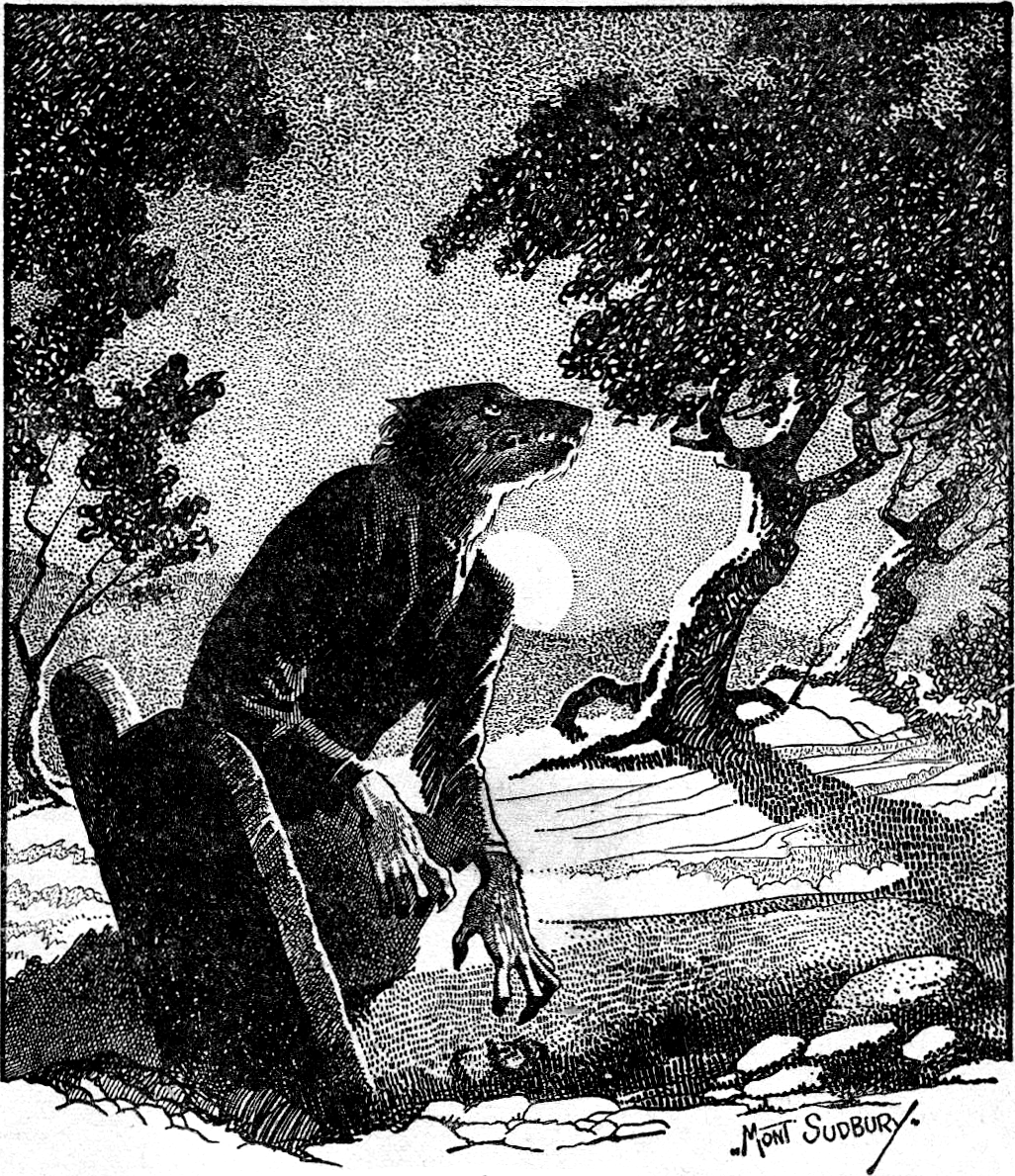 🇫🇷 France and 5 moreWerewolf
A mythical shapeshifter that turns into a wolf, central to European witch-hunts and Gothic horror.Being · Cursing and harm · Wonder and entertainment Legendary
🇫🇷 France and 5 moreWerewolf
A mythical shapeshifter that turns into a wolf, central to European witch-hunts and Gothic horror.Being · Cursing and harm · Wonder and entertainment Legendary
 🇷🇺 Russia and 5 moreBaba YagaБаба Яга
A Slavic witch who lives in a turning hut and flies in a mortarFigure · Cursing and harm · Protection Legendary
🇷🇺 Russia and 5 moreBaba YagaБаба Яга
A Slavic witch who lives in a turning hut and flies in a mortarFigure · Cursing and harm · Protection Legendary
Related elsewhere
All being 🇪🇬 EgyptCurse
A spoken wish for misfortune to befall a person or placeBelief · Cursing and harm · Luck and prosperity Historical
🇪🇬 EgyptCurse
A spoken wish for misfortune to befall a person or placeBelief · Cursing and harm · Luck and prosperity Historical
 🇮🇳 India and 1 moreNavagrahaनवग्रह
A group of nine celestial deities in Hinduism that govern fate and astrologyTradition · Protection · Luck and prosperity Living
🇧🇷 Brazil and 1 moreQuimbanda
An Afro-Brazilian religion focused on male and female street spirits for worldly mattersTradition · Protection · Luck and prosperity Living
🇲🇾 Malaysia and 1 moreBomohبوموه
A Malay shaman and traditional healer who works with spirits, herbs, and geomancy.Tradition · Healing · Seeing and foretelling Living
🇮🇳 India and 1 moreNavagrahaनवग्रह
A group of nine celestial deities in Hinduism that govern fate and astrologyTradition · Protection · Luck and prosperity Living
🇧🇷 Brazil and 1 moreQuimbanda
An Afro-Brazilian religion focused on male and female street spirits for worldly mattersTradition · Protection · Luck and prosperity Living
🇲🇾 Malaysia and 1 moreBomohبوموه
A Malay shaman and traditional healer who works with spirits, herbs, and geomancy.Tradition · Healing · Seeing and foretelling Living