
Pishacha
In its own language: पिशाच (piśāca)
from Sanskrit piśāca
A flesh-eating demon from Indian religions, feared for possession and madness.
Pishachas are malevolent beings in Hindu and Buddhist lore, often described as vampires or demons. They are believed to haunt cremation grounds, possess humans to cause insanity, and feed on human energy.
- Created by Brahma according to the Mahabharata
- Haunt cremation grounds and feed on human energy
- Cause insanity through possession
- Term pisat used in Thai folklore
- Associated with the Dardic people of Kashmir
What it is
Pishachas are classified as demons or vampires within Hindu and Buddhist traditions. These beings are widely regarded as the very embodiment of evil. They are typically depicted as malevolent entities that dwell in dark places, particularly around cremation grounds alongside other spirits like bhūtas and vetālas. Their nature is fundamentally hostile toward living humans.
Where it comes from
The Mahabharata states that the original Pishachas were created by Brahma. Other legends describe them as sons of Krodha, the personification of anger, or as descendants of Daksha’s daughter, Pishacha. Some accounts link them to Kashyapa and Krodhavasa. In ancient Kashmir, the Dardic people were referred to as Pishachas, and their languages were called Paiśāci. The Nilamata Purana notes they inhabited the Kashmir valley alongside Nagas.
How it is done
Pishachas are said to shapeshift at will and become invisible. They feed on human energy and may possess individuals, altering their thoughts and causing insanity or various abnormalities. To cure such afflictions, specific mantras are recited to drive the spirit away. Offerings are sometimes given during religious festivals to keep them at bay. Improper burial can also transform a deceased person into a blind, starving Pishacha that craves the living.
Tools and materials
Mantras are used to cure possession and expel the entity. Offerings are provided during religious functions and festivals to appease or deter the beings. The language associated with them is known as Paiśāci.
Pishacha, drawn and placed
- Living
- Revived
- Fading
- Historical
- Legendary
- Performed
- Lineage
- Indian religions
- Timing
- during religious functions
What it is for
They are feared for their ability to harm humans through possession and energy consumption. Victims suffer from mental abnormalities and illness. The beings are not sought after but are avoided or appeased to prevent negative outcomes.
Who does it
Scholars study these beings through texts like the Mahabharata and the Nilamata Purana. No specific practitioner class is defined for summoning them; rather, healers use mantras to counteract their influence. The beings themselves are autonomous malevolent forces.
Peoples and places
The concept originates in India and appears in both Hindu and Buddhist contexts. In Thailand, the term pisat derives from the Sanskrit root and is defined as a ghost. Thai folklore includes them among spirits from the Hindu-Buddhist tradition, and they appear in temple paintings. The Dardic people of Kashmir were historically labeled as Pishachas in ancient literature.
At a glance: who, where and when
Belief worlds
What people believe
They are viewed as manifestations of evil and sources of physical and mental harm. Their existence is tied to concepts of improper death and spiritual corruption. They operate outside normal social order, feeding on life force and disrupting human sanity.
When it is done
Offerings are made during certain religious functions and festivals to keep them away. No specific calendar days are mandated for their worship or avoidance beyond general ritual contexts.
How scholars and sceptics see it
Textual analysis of the Mahabharata, Nilamata Purana, and Brihatkatha provides insight into their role. Scholars note their depiction as flesh-eaters and their association with madness. The linguistic connection to Paiśāci and the Dardic people is also studied.
Cautions and what is closed
Possession leads to insanity and malady. Improper burial risks transforming the dead into aggressive, blind entities. There is no safe interaction; they are purely harmful.
Compare and confuse
Related beings include Yakshi, Vetala, and Kanjirottu Yakshi. The Thai pisat shares the etymological root but is generalized as a ghost. Modern media has adapted the figure into films and series.
Questions people ask about Pishacha
What is a Pishacha?
A Pishacha is a malevolent demon or vampire from Hindu and Buddhist traditions, believed to feed on human energy and cause harm.
Where do Pishachas come from?
Legends say they were created by Brahma or born from anger. They are also linked to ancient tribes in Kashmir and appear in Thai folklore.
How do they affect humans?
They are believed to possess people, leading to insanity and abnormal behavior. They may also assault those who die improperly.
Good reading and sources
The facts on this page come from the Wikipedia article "Pishacha", written by its contributors and used under the CC BY-SA 4.0 licence, and from its Wikidata record (CC0). EveryJaadu rewrote the text in its own words, with AI assistance, and compares every page with the article to make sure no passage is copied. It may be reused under the same CC BY-SA 4.0 licence with a link back.
It may contain mistakes. Names and customs differ from one community to the next, and some knowledge is closed to outsiders and left out here. This page describes belief and practice. It does not say that any of it works, it is not a how-to, and it is not medical advice. If something is wrong, tell us. Last refreshed 2026-10-05.
More from India
All the entries from India 🇮🇳 India and 5 morePretaप्रेत
A suffering spirit of insatiable hunger found in Asian religious traditionsBeing · Speaking with spirits and the dead Living
🇮🇳 IndiaAlakshmiदेवी अलक्ष्मी
A Hindu goddess of misfortune and the shadow opposite to LakshmiBeing · Cursing and harm Living
🇮🇳 India and 5 morePretaप्रेत
A suffering spirit of insatiable hunger found in Asian religious traditionsBeing · Speaking with spirits and the dead Living
🇮🇳 IndiaAlakshmiदेवी अलक्ष्मी
A Hindu goddess of misfortune and the shadow opposite to LakshmiBeing · Cursing and harm Living
 🇮🇳 India and 1 moreLakshmiलक्ष्मी
A Hindu goddess of wealth, prosperity, and beauty, worshipped as the consort of Vishnu.Being · Luck and prosperity · Power and authority Living
🇮🇳 India and 1 moreLakshmiलक्ष्मी
A Hindu goddess of wealth, prosperity, and beauty, worshipped as the consort of Vishnu.Being · Luck and prosperity · Power and authority Living
 🇮🇳 IndiaKaliकाली
A fierce Hindu goddess of time and destruction, worshipped as a protective mother.Being · Protection · Cursing and harm Living
🇮🇳 IndiaKaliकाली
A fierce Hindu goddess of time and destruction, worshipped as a protective mother.Being · Protection · Cursing and harm Living
Related elsewhere
All being 🇷🇸 Serbia and 5 moreVampire
An undead creature from folklore that feeds on the blood or life force of the livingBeing · Cursing and harm · Luck and prosperity Legendary
🇷🇸 Serbia and 5 moreVampire
An undead creature from folklore that feeds on the blood or life force of the livingBeing · Cursing and harm · Luck and prosperity Legendary
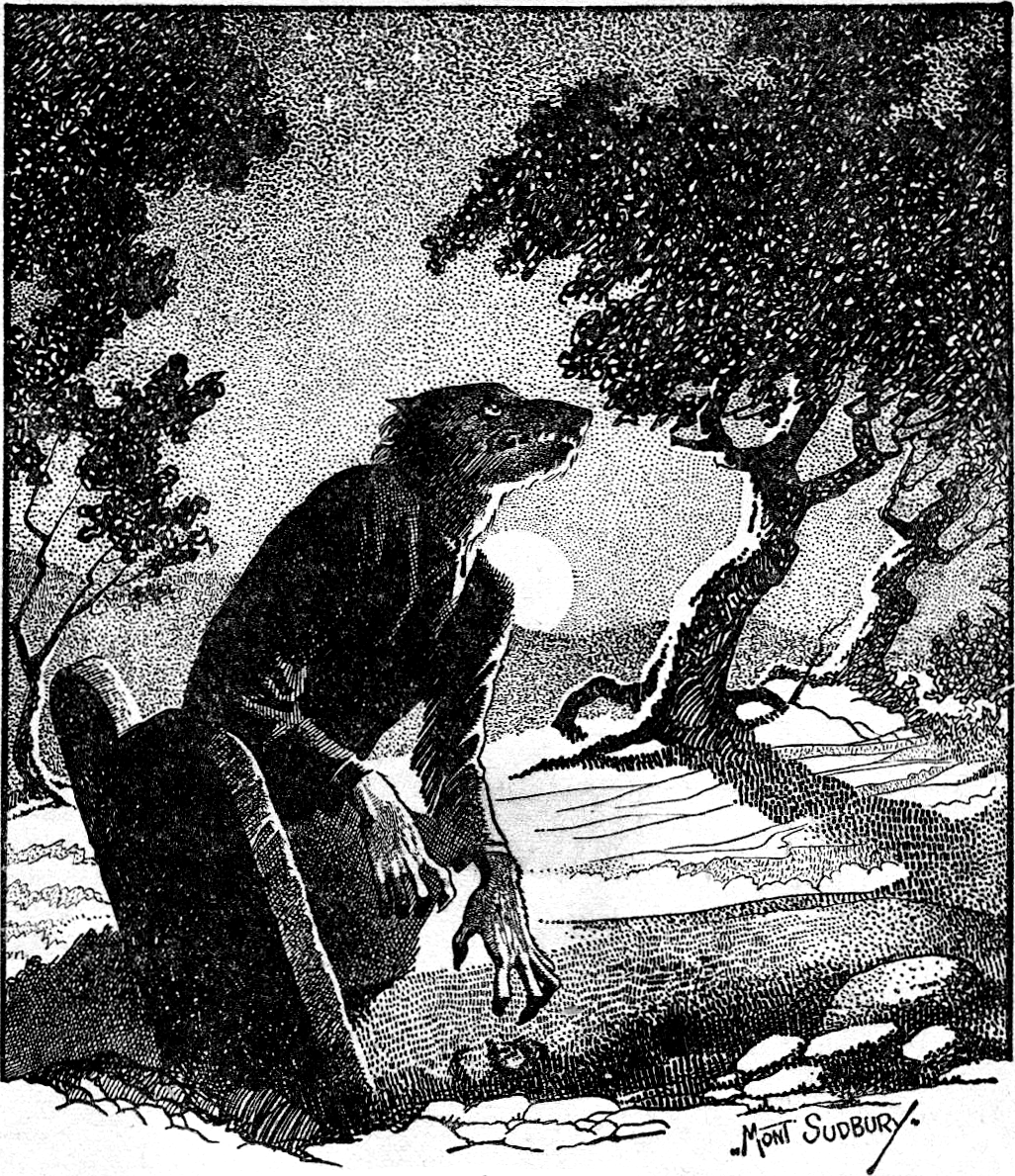 🇫🇷 France and 5 moreWerewolf
A mythical shapeshifter that turns into a wolf, central to European witch-hunts and Gothic horror.Being · Cursing and harm · Wonder and entertainment Legendary
🇫🇷 France and 5 moreWerewolf
A mythical shapeshifter that turns into a wolf, central to European witch-hunts and Gothic horror.Being · Cursing and harm · Wonder and entertainment Legendary
 🇪🇬 Egypt and 1 moreLilithלִילִית
A feminine figure from Mesopotamian and Jewish mythology, often depicted as a night demon or spirit.Being · Cursing and harm Legendary
🇪🇬 Egypt and 1 moreLilithלִילִית
A feminine figure from Mesopotamian and Jewish mythology, often depicted as a night demon or spirit.Being · Cursing and harm Legendary
 🇪🇬 EgyptCurse
A spoken wish for misfortune to befall a person or placeBelief · Cursing and harm · Luck and prosperity Historical
🇪🇬 EgyptCurse
A spoken wish for misfortune to befall a person or placeBelief · Cursing and harm · Luck and prosperity Historical