
Curupira
from Nheengatu kuru (rough) and piré (skin), meaning rough or pimply skin
A backwards-footed forest guardian from Brazilian indigenous myth who punishes loggers and misleads travelers.
The Curupira is a forest spirit from Tupí-Guaraní mythology in Brazil, Paraguay, and the Guyanas. It is believed to protect the woods by punishing those who cut trees without permission and confusing hunters with its reversed feet and mimicry.
- The Curupira has feet turned backwards to mislead trackers.
- First mentioned by Jesuit Joseph of Anchieta in 1560.
- It punishes loggers by making them lose their way in the forest.
- Hunters offer it tobacco and cachaça to gain favor.
- The name means 'rough or pimply skin' in Nheengatu.
What it is
The Curupira is a hominoid spirit or god within the mythologies of Tupí-Guaraní speaking peoples across Brazil, Paraguay, and the Guyanas. It serves as the fierce guardian of the forest, punishing humans who harvest lumber wantonly. The spirit is described variously as a short-statured caboclo or tapuio with shaggy hair, sometimes depicted with blue or green teeth and enormous ears. Its most defining trait is its backwards-facing feet, which it uses to confuse trackers and lead intruders astray. While early accounts portray it as a terrifying entity that leaves gruesome scars, later European-influenced versions often recast it as a more mischievous trickster or buffoon.
Where it comes from
The first recorded mention of the Curupira appears in May 1560 in São Vicente, São Paulo, by the Jesuit Joseph of Anchieta. He described it as a demon feared by indigenous people, who would leave offerings like feathers and arrows to appease it. The legend also exists in Venezuela, Peru, and Paraguay, possibly spreading from Karaib-speakers to Guarani populations. Some scholars suggest the myth may have originated from rainforest tactical practices, such as wearing shoes to throw enemies off track, rather than a literal creature.
How it is done
Travelers and hunters navigate the forest while wary of the Curupira’s tricks. To escape its confusion, one might fashion a cross or wheel from liana vines; the spirit is said to become engrossed in unraveling these knots, allowing the human to flee. The Curupira also mimics the calls of birds like the tinamou or even human voices to lure rubber tappers into getting lost. In some narratives, it beats on tree roots to test their strength against storms, a sound heard by canoeists on rivers.
Tools and materials
Offerings are central to interacting with the Curupira. Hunters traditionally give it tobacco and cachaça, a sugarcane liquor, though they must keep these gifts secret from their wives. Protection charms include wheels made of palm leaves or liana vines, which were hung by travelers to ward off the spirit. In one account, holy wax was used to keep the creature at bay, though its foul odor could still cause unconsciousness.
Curupira, drawn and placed
- Living
- Revived
- Fading
- Historical
- Legendary
- Performed
- Lineage
- Tupí-Guaraní mythology
What it is for
The primary role of the Curupira is to protect the forest from overexploitation. It is also blamed for causing bad thoughts, nightmares, and distrust among individuals. In some interpretations, it acts as a deity of lies or deception, playing with the minds of those who enter its domain without respect or proper propitiation.
Who does it
The Curupira is not practiced by living shamans or priests in a ritual sense but is part of the broader indigenous cosmology. Early Jesuit records indicate that indigenous people sought to appease it through oblations. Modern understanding comes largely from scholars, naturalists like Bates and Martius, and anthropologists who studied the folklore. The spirit is viewed as a wild man or genius loci of the deep forest, distinct from urban areas.
Peoples and places
The lore is prevalent among Tupí-Guaraní speakers in Brazil, particularly in regions like Pará and São Paulo. It extends to Paraguay and Guyana where Tupi-Guarani languages are spoken. Regional variations exist; in the south, it is sometimes called Currupira or conflated with Caipora. In the north, names like Korupira or Maty-taperé appear. The distinction between Curupira and Caipora is debated, with some viewing them as the same entity and others as separate guardians of different game types.
At a glance: who, where and when
Peoples


What people believe
In indigenous belief, the Curupira is a powerful spirit capable of inflicting severe harm or death. It is considered a god of thinking or lies, reflecting its ability to deceive the senses. Early Jesuits recorded it as a devil-like figure feared above all others, yet no idols were crafted for it. Over time, European influence shifted its image from a sinister demon to a comical wood-sprite, though its core function as a protector of nature remains. It is said to live in hollow trees with a family, including a wife and children.
When it is done
Interactions occur during hunting or logging activities when humans enter the forest. Offerings of tobacco and cachaça are made opportunistically by hunters seeking protection or favor. The spirit is active whenever humans trespass or exploit the woods without permission.
How scholars and sceptics see it
Scholars have interpreted the Curupira differently over centuries. Early Jesuits like Cardim and Laet viewed it as a demon or devil figure. Later, naturalists like Martius described it as a mischievous wood-sprite, while others noted its similarity to Pan-like figures. Anthropologist Eduardo Galvão emphasized its role as a forest genius confined to remote areas. Some researchers link the myth to practical survival tactics, such as wearing shoes to confuse pursuers, suggesting a rational origin for the supernatural tale.
Cautions and what is closed
Encounters with the Curupira are described as dangerous. It can inflict gruesome wounds, break bones, or kill hunters outright. One narrative describes a hunter being killed and his heart eaten by the spirit. Another tells of a man who outwits the Curupira but dies after breaking a taboo regarding a magic bow. The spirit’s foul odor is potent enough to render humans unconscious. Travelers are warned that its deceptive tracks and mimicry can lead to fatal disorientation in the wilderness.
Compare and confuse
The Curupira is often compared to or conflated with the Caipora, another forest spirit. While some view them as identical, others distinguish them by the type of game they guard or their physical traits. The Curupira is also likened to the European concept of a wild man or the Norse troll tales involving heart-stealing creatures. Its role as a forest guardian parallels other global spirits that punish environmental disrespect, though its unique backwards feet set it apart.
Questions people ask about Curupira
What is the Curupira?
The Curupira is a forest spirit from Tupí-Guaraní mythology in Brazil, Paraguay, and the Guyanas. It is believed to protect the woods by punishing those who cut trees without permission and confusing hunters with its reversed feet and mimicry.
Why does the Curupira have backwards feet?
The Curupira’s feet face backwards to create misleading footprints. This trick causes trackers to follow the wrong path, leading them away from the spirit or deeper into the forest where they can become hopelessly lost.
How do you appease the Curupira?
Traditionally, hunters offer the Curupira tobacco and cachaça, a sugarcane liquor. These gifts must be kept secret from spouses. Travelers may also use charms made of liana vines or palm leaves to ward off its confusion.
Is the Curupira the same as the Caipora?
The two are often conflated in regional folklore. Some sources treat them as the same entity, while others see them as distinct spirits guarding different types of game. The distinction varies by region in Brazil.
Good reading and sources
- Curupira on WikipediaEncyclopedia
- More photos on Wikimedia CommonsPhotos and video
- Wikidata recordOpen data
The facts on this page come from the Wikipedia article "Curupira", written by its contributors and used under the CC BY-SA 4.0 licence, and from its Wikidata record (CC0). EveryJaadu rewrote the text in its own words, with AI assistance, and compares every page with the article to make sure no passage is copied. It may be reused under the same CC BY-SA 4.0 licence with a link back.
It may contain mistakes. Names and customs differ from one community to the next, and some knowledge is closed to outsiders and left out here. This page describes belief and practice. It does not say that any of it works, it is not a how-to, and it is not medical advice. If something is wrong, tell us. Last refreshed 2026-10-05.
More from Brazil
All the entries from Brazil 🇵🇷 Puerto Rico and 5 moreChupacabrachupacabras
A legendary creature said to drain livestock of blood, emerging from Puerto Rico in the mid-1990sBeing · Cursing and harm Legendary
🇵🇷 Puerto Rico and 5 moreChupacabrachupacabras
A legendary creature said to drain livestock of blood, emerging from Puerto Rico in the mid-1990sBeing · Cursing and harm Legendary
 🇧🇷 BrazilBoitatá
A fiery serpent of Brazilian folklore that guards forests or frightens childrenBeing · Protection · Cursing and harm Living
🇧🇷 BrazilBoitatá
A fiery serpent of Brazilian folklore that guards forests or frightens childrenBeing · Protection · Cursing and harm Living
 🇵🇪 Peru and 1 moreChullachaqui
A one-footed forest spirit of the Amazon that lures or challenges humansBeing · Cursing and harm · Power and authority Legendary
🇵🇪 Peru and 1 moreChullachaqui
A one-footed forest spirit of the Amazon that lures or challenges humansBeing · Cursing and harm · Power and authority Legendary
 🇧🇷 Brazil and 2 moreMapinguari
A hairy Amazonian monster with a belly mouth and backwards feetBeing · Cursing and harm Legendary
🇧🇷 Brazil and 2 moreMapinguari
A hairy Amazonian monster with a belly mouth and backwards feetBeing · Cursing and harm Legendary
Related elsewhere
All being 🇨🇳 ChinaTaotie饕餮
A zoomorphic mask on ancient Chinese bronzes and a mythological creature of gluttonyFigure · Protection · Cursing and harm Legendary
🇬🇧 United KingdomGlaistig
A Scottish shape-shifting spirit linked to cattle, deer, and haunted castles.Being · Protection · Cursing and harm Legendary
🇨🇳 ChinaTaotie饕餮
A zoomorphic mask on ancient Chinese bronzes and a mythological creature of gluttonyFigure · Protection · Cursing and harm Legendary
🇬🇧 United KingdomGlaistig
A Scottish shape-shifting spirit linked to cattle, deer, and haunted castles.Being · Protection · Cursing and harm Legendary
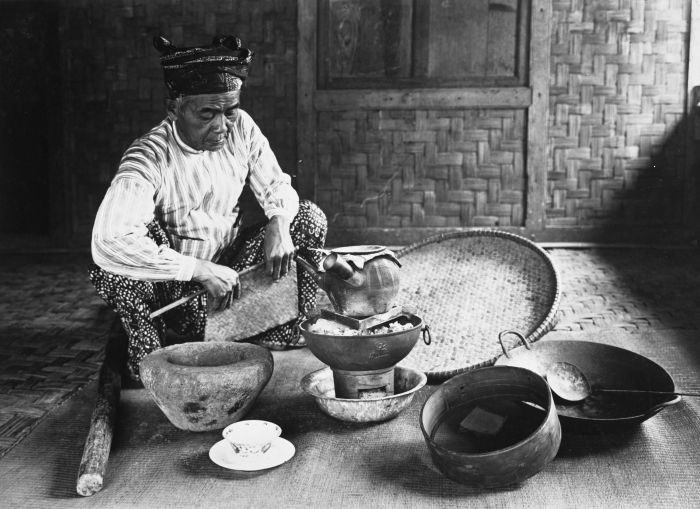 🇮🇩 Indonesia and 2 moreDukun
A traditional healer and spirit medium in Indonesian folk practiceTradition · Healing · Seeing and foretelling Living
🇮🇩 Indonesia and 2 moreDukun
A traditional healer and spirit medium in Indonesian folk practiceTradition · Healing · Seeing and foretelling Living
 🇫🇷 FranceLady of the LakeDame du Lac
A water spirit who raises knights and captures wizards in Arthurian talesFigure · Protection · Cursing and harm Legendary
🇫🇷 FranceLady of the LakeDame du Lac
A water spirit who raises knights and captures wizards in Arthurian talesFigure · Protection · Cursing and harm Legendary