Spirits, creatures and beings
Djinn, fairies, orisha, golems and the other powers that magic deals with.
Beings are the powers that magic deals with: spirits, ancestors, gods, djinn, fairies, orisha, nats, kami, demons, golems, ghosts and the many kinds of household and landscape spirit. People in most cultures have described a world shared with unseen others, who may help, trouble or ask for respect. This page covers what these beings are said to be and the very different ways communities relate to them. They are always described here as what communities believe, not as established fact.
Different kinds of beings
A being can be a god with a priesthood, such as an orisha served in Yoruba religion, Cuba and Brazil. It can be an ancestor, honoured in China, Africa and Mexico. It can belong to a place, such as the kami of Shinto, the Thai phi or the Burmese nats. It can be a trouble-maker, like the djinn of Arabic and Islamic tradition, formed from smokeless fire, or the fairies of Ireland, whom people avoided naming.
Relationship, not command
In many traditions, a person does not command a being but enters a relationship with it, through offerings, promises and respect. Possession and mediumship are forms of that relationship, as in Vodou, Candomblé, Korean mudang rites and Sufi gatherings. In ceremonial magic of the European grimoires, by contrast, the magician summons spirits by name and authority, which the Church condemned as demon-raising. The same being may be loved in one household and feared in the next, and a spirit helpful to its servant can be harmful to a stranger.
Religions and renaming
Dominant religions often absorbed beings by relabelling them. Christian missionaries called many African and Indigenous spirits demons. Islam reads the djinn as real creatures, some of whom are Muslim, and Hindu and Buddhist traditions fold local deities into their own pantheons. Pagan and fairy beliefs were sometimes recast as the devil's work, which fed witch trials in Europe. Churches and mosques have sometimes divided beings into good and evil in ways the older traditions did not, so that a neutral local spirit became a demon on the day a missionary arrived.
Harm and interpretation
Belief in harmful spirits has been used to accuse people. Children in parts of West and Central Africa have been branded as witches possessed by evil spirits, and some have been abused by pastors or families in the name of deliverance. Scholars read spirit beliefs as ways to make sense of illness, loss and conflict, and many communities see them simply as neighbours. That is why accusations tied to spirit beliefs fall hardest on children and the vulnerable, and why many agencies train local leaders to challenge them.
Being on EveryJaadu
The entries written up so far, best known first.
 🇬🇧 United KingdomBrowniebrùnaidh
A nocturnal household spirit from Scottish folklore that performs chores in exchange for offerings.Being · Protection · Luck and prosperity Legendary
 🇮🇪 Ireland and 3 moreChangeling
A substitute left by supernatural beings in place of a stolen human child or adultBeing · Cursing and harm · Luck and prosperity Legendary
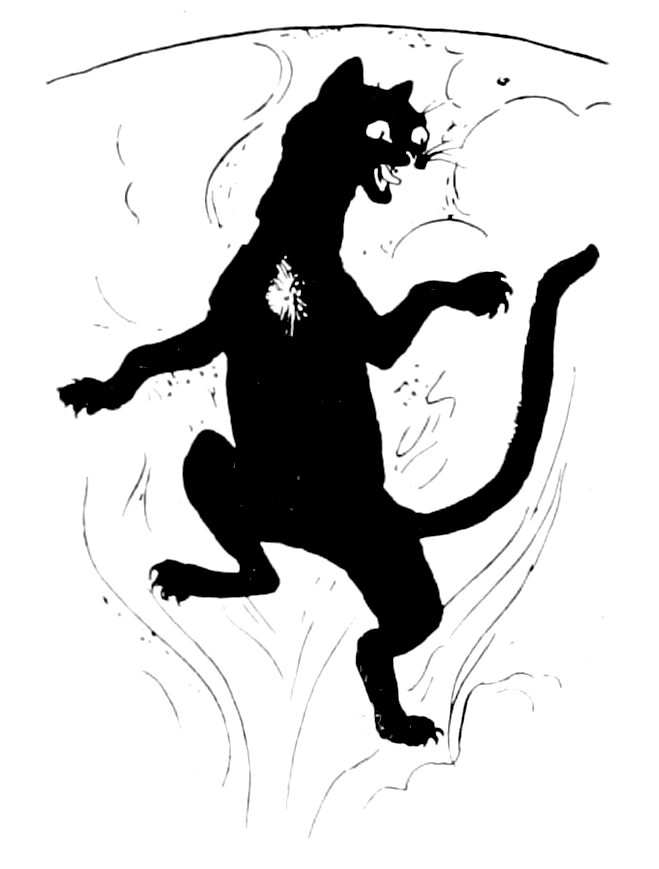 🇬🇧 United KingdomCat-sìth
A spectral feline from Celtic lore that haunts the Scottish Highlands and guards the dead.Being · Cursing and harm · Luck and prosperity Legendary
 🇷🇺 Russia and 4 moreRusalkaрусалка
A water spirit of Slavic folklore, often linked to drowned women and seasonal ritesBeing · Cursing and harm · Luck and prosperity Legendary
 🇮🇸 Iceland and 3 moreDraugr
A malevolent undead revenant from Nordic folklore, often guarding buried treasure.Being · Cursing and harm · Luck and prosperity Legendary
🇿🇦 South AfricaMamlambo
A South African river spirit linked to wealth and reported cryptid sightingsBeing · Luck and prosperity · Cursing and harm Legendary
🇯🇵 JapanKuda-gitsune管狐 (kuda-gitsune)
A small spirit kept in a tube or sleeve, used by Japanese folk practitioners for divination and cursing.Being · Seeing and foretelling · Cursing and harm Legendary
 🇷🇺 Russia and 3 moreVodyanoyводяной
A water spirit of Slavic folklore that dwells in rivers and lakesBeing · Cursing and harm · Luck and prosperity Legendary
🇬🇧 United KingdomTylwyth Teg
Welsh mythological beings linked to the fairy folk of neighboring traditionsBeing · Luck and prosperity · Cursing and harm Legendary
 🇮🇪 IrelandPúca
A shape-shifting spirit of Celtic folklore that brings fortune or mischiefBeing · Luck and prosperity · Cursing and harm Legendary
🇮🇸 IcelandFylgja
A Nordic guardian spirit that shadows a person and their fateBeing · Seeing and foretelling · Luck and prosperity Legendary
🇺🇸 United StatesPukwudgie
A short forest spirit from Algonquian lore, known for mischief and danger.Being · Cursing and harm · Luck and prosperity Legendary
 🇬🇧 United KingdomPuck
A mischievous domestic sprite of English folklore known for practical jokes and household choresBeing · Cursing and harm · Luck and prosperity Legendary
🇷🇴 Romania and 2 moreSolomonariȘolomonar
A Romanian weather wizard who rides a dragon and controls the storms.Being · Cursing and harm · Luck and prosperity Legendary
🇯🇵 JapanOsaki尾先
A mountain spirit in Japanese folklore that brings wealth or possession.Being · Luck and prosperity · Cursing and harm Legendary
 🇨🇳 China and 4 moreDragon
A serpentine mythical creature found in global folklore and art, representing power, chaos, or imperial authority.Being · Power and authority · Cursing and harm Legendary
 🇨🇭 Switzerland and 3 moreTatzelwurm
A cat-headed lizard of the Alps, said to guard mines and drink cow milk.Being · Cursing and harm · Luck and prosperity Legendary
 🇸🇪 Sweden and 5 moreLindwormlindorm
A serpentine dragon of Northern and Central European folklore, often depicted as limbless or winged.Being · Luck and prosperity · Cursing and harm Legendary
 🇦🇱 Albania and 3 moreKulshedra
A multi-headed serpent demon in Albanian folklore that controls storms and droughts.Being · Cursing and harm · Luck and prosperity Legendary
🇮🇪 IrelandFar darrigFear Dearg
A solitary Irish faerie known for cruel jokes and the ability to shift sizeBeing · Cursing and harm · Luck and prosperity Legendary
 🇨🇳 ChinaZouyu騶虞
A legendary Chinese creature said to appear only under benevolent ruleBeing · Luck and prosperity Legendary
 🇸🇪 Sweden and 1 moreSkogsrå
A forest spirit in Swedish folklore who appears as a beautiful woman but hides a hollow back and animal feet.Being · Luck and prosperity · Cursing and harm Legendary
🇷🇸 SerbiaCikavacцикавац
A winged creature from Serbian folklore that fetches honey and milk for its ownerBeing · Luck and prosperity · Power and authority Legendary
🇷🇴 RomaniaZână
A Romanian woodland spirit linked to Diana that guides travelers and blesses children.Being · Protection · Luck and prosperity Legendary
 🇦🇲 ArmeniaVishapվիշապ
A water dragon of Armenian myth linked to storms and the sunBeing · Cursing and harm · Luck and prosperity Legendary
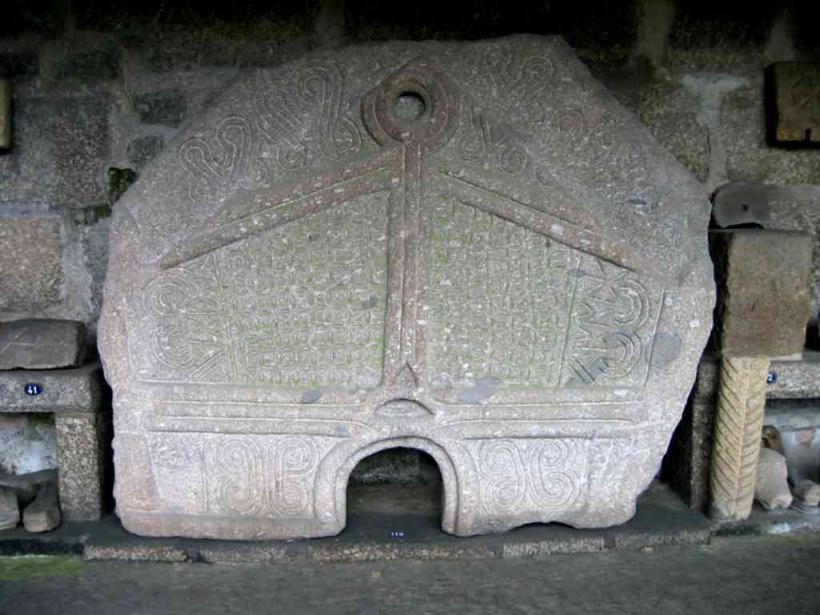 🇵🇹 PortugalEnchanted Mouramoura encantada
A supernatural maiden from Portuguese and Galician folklore who guards treasures and ancient stones.Being · Cursing and harm · Luck and prosperity Legendary
🇮🇩 IndonesiaAbada
A two-horned mythical beast from Central African and Southeast Asian loreBeing · Healing · Luck and prosperity Legendary
🇺🇸 United StatesKushtakaKóoshdaa káa
A shape-shifting creature from Tlingit mythology that can appear as an otter or human.Being · Cursing and harm · Luck and prosperity Legendary
🇷🇺 RussiaPitsen
A shapeshifting forest spirit of the Siberian Tatars that brings luck or leads travelers astrayBeing · Luck and prosperity · Cursing and harm Legendary
 🇵🇾 ParaguayJasy Jatere
A Guaraní spirit of the moon who guards yerba mate and enforces the siestaBeing · Protection · Luck and prosperity Legendary
🇰🇷 South Korea and 1 moreDokkaebi도깨비
A one-legged supernatural being from Korean folklore, often linked to household objects and magical items.Being · Wonder and entertainment · Luck and prosperity Legendary
🇩🇪 GermanyBergmönch
A giant mining spirit of German legend, helper of good miners and terror of the lazyBeing · Protection · Luck and prosperity Legendary
 🇩🇪 Germany and 1 moreNis PukNiß Puk
A legendary household spirit from Northern Germany and Denmark that helps or torments its owner.Being · Luck and prosperity · Protection Legendary
 🇯🇵 JapanNingyo人魚
A Japanese water creature with a human head or torso and a fish's bodyBeing · Luck and prosperity Legendary
🇲🇽 MexicoAlicante
A mythical Mexican snake that steals milk and hypnotizes its victimsBeing · Cursing and harm · Luck and prosperity Legendary
 🇨🇿 Czech Republic and 1 moreRübezahl
A mountain spirit of the Giant Mountains, kindly to some and vengeful to othersBeing · Protection · Healing Legendary
 🇮🇶 IraqWinged genie
Winged guardians of Assyrian palace walls, read as the apkallu sagesBeing · Protection · Luck and prosperity Legendary
 🇯🇵 Japan and 1 moreBake-danuki化け狸
A shape-shifting raccoon dog spirit from Japanese folklore known for pranks and illusions.Being · Cursing and harm · Luck and prosperity Legendary
 🇩🇪 Germany and 5 moreSchrat
A German and Slavic spirit of the woods, the house and the nightBeing · Cursing and harm · Protection Legendary
🇨🇳 ChinaNine-tailed turtle九尾龜
A legendary Chinese creature linked to divination and folkloreBeing · Seeing and foretelling · Luck and prosperity Legendary
 🇰🇷 South KoreaKorean dragon용/룡; 미르
A benevolent water spirit and royal symbol in Korean mythology and folkloreBeing · Protection · Luck and prosperity Legendary
🇫🇮 FinlandMenninkäinen
A Finnish spirit or goblin linked to hidden treasures and urban labourBeing · Luck and prosperity · Cursing and harm Legendary
 🇱🇹 Lithuania and 1 moreAitvaras
A rooster-shaped house spirit from Lithuanian lore that brings stolen wealth and strife.Being · Luck and prosperity Legendary
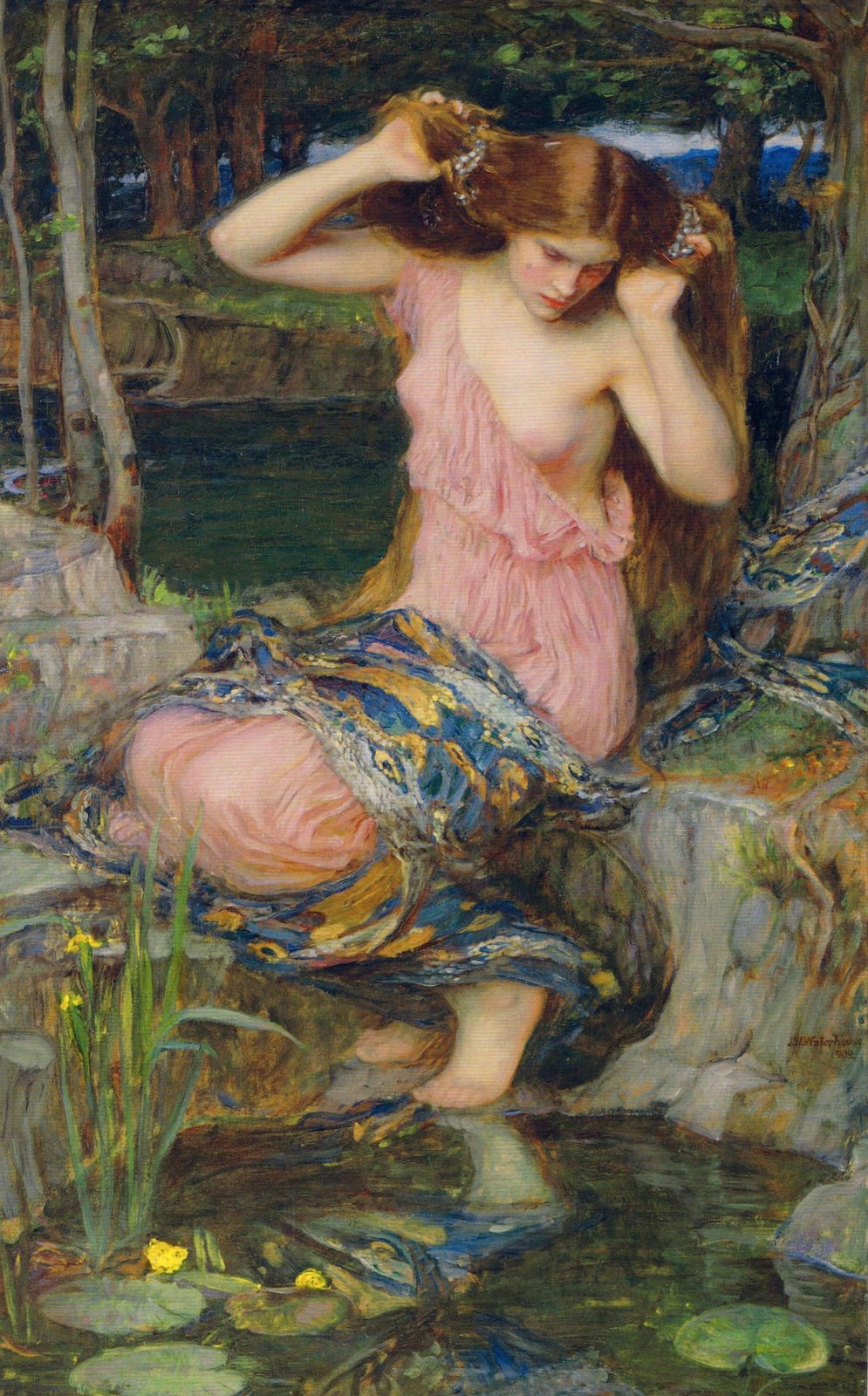 🇪🇸 SpainXana
A water spirit of Asturian myth who offers treasures or madness to those who hear her song.Being · Luck and prosperity · Cursing and harm Legendary
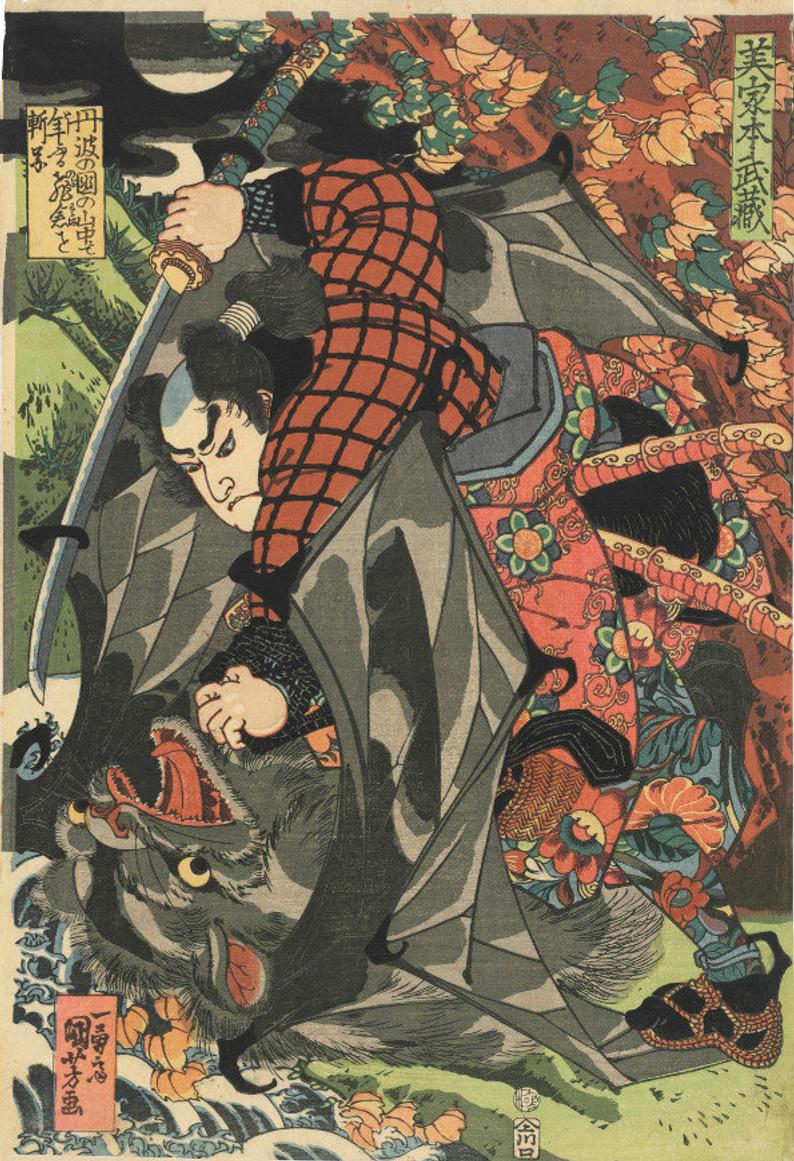 🇯🇵 JapanNobusuma野衾
A Japanese yōkai said to be a flying squirrel or bat that attacks travelers at night.Being · Cursing and harm · Luck and prosperity Legendary
🇯🇵 JapanMintuciミントゥチ
A water spirit of Ainu tales: bringer of the catch and the hunt, and of drownings.Being · Luck and prosperity · Protection Legendary
🇭🇺 HungaryLidérc
A shape-shifting spirit from Hungarian folklore that brings wealth or illness.Being · Cursing and harm · Luck and prosperity Legendary
🇷🇴 RomaniaVâlvă
A Romanian female spirit held to guard mines, water and hidden goldBeing · Protection · Luck and prosperity Legendary
Photo credits on this page
The small pictures above come from Wikimedia Commons under free licences. Some are cropped to fit.
- Aitvaras: APN-PL, CC BY-SA 3.0, source
- Anjana: John William Waterhouse, Public domain, source
- Changeling: Henry Fuseli, Public domain, source
- Rusalka: Andrey Shishkin, CC BY 3.0, source
- Enchanted Moura: Henrique José Teixeira Matos, Public domain, source
- Schrat: Photo: Andreas Praefcke, Public domain, source
- Puck: Joseph Noel Paton, Public domain, source
- Bake-danuki: Poposhka at English Wikipedia, Public domain, source
- Winged genie: James Spurrier, CC BY-SA 2.0, source
- Nis Puk: R2D3LA, CC BY-SA 4.0, source
- Brownie: Unknown author, CC BY-SA 2.5, source
- Korean dragon: Unknown author, CC BY 4.0, source
- Lindworm: Unknown author, Public domain, source
- Kulshedra: Bidgee, CC BY 3.0, source
- Tatzelwurm: Abrasax, CC BY-SA 3.0 de, source
- Japanese dragon: Katsushika Hokusai, Public domain, source
- Nobusuma: Utagawa Kuniyoshi ( 歌川国芳 , Japanese, *1798, †1861), Public domain, source
- Skogsrå: Gunnar Creutz (Achird), CC BY-SA 3.0, source
- Jasy Jatere: Patty P, Public domain, source
- Zouyu: Chen Menglei, Public domain, source
- Vodyanoy: Ivan Bilibin, Public domain, source
- Vishap: Kulttuurinavigaattori, CC BY-SA 4.0, source
- Cat-sìth: John D. Batten, Public domain, source
- Púca: Wirt Sikes, Public domain, source
- Draugr: Kim Diaz Holm, CC BY 4.0, source
- Ningyo: Author:, Public domain, source
- Rübezahl: User:Antosh, CC BY-SA 4.0, source