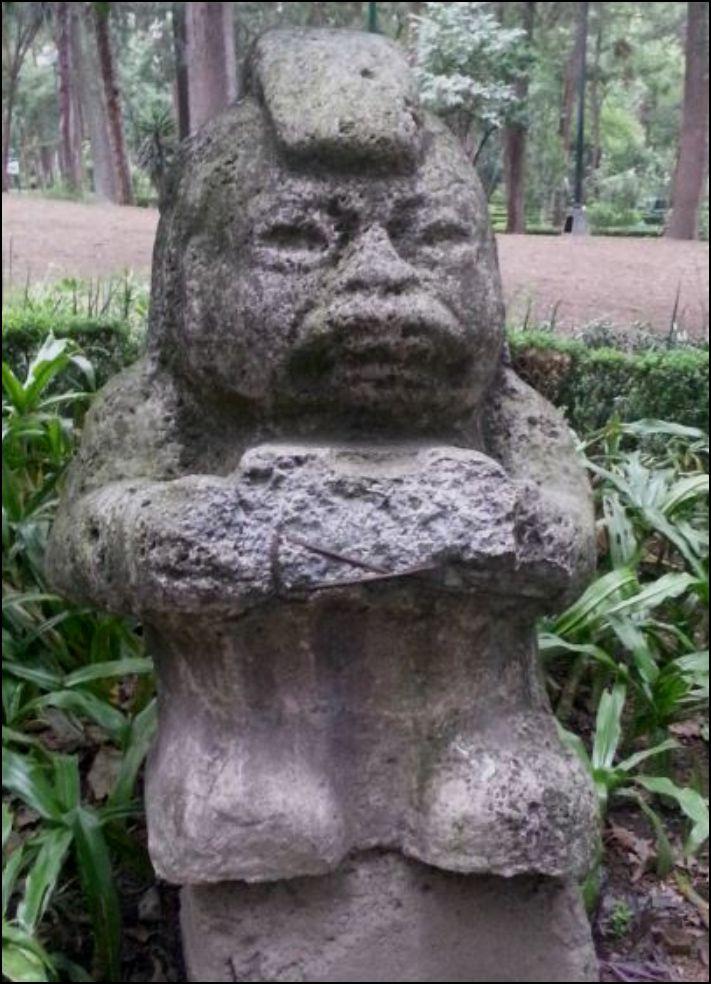
Chaneque
from Náhuatl meaning those who inhabit dangerous places or owners of the house
Mexican folklore sprites that guard nature and homes
The chaneque is a legendary creature from Mexican folklore, originally called by the Aztecs. These small beings are believed to inhabit forests and protect households from harm.
- Aztecs called them chaneque, meaning owners of the house
- Similar beings are called aluxob in Yucatec Mayan folklore
- They can lead people astray for several days in forests
- Wearing clothes inside out protects travelers from them
- Spanish colonial texts sometimes link them to the devil
What it is
The chaneque is a sprite-like being in Mexican folklore, known as an owner of the house or guardian of dangerous places. These small creatures live in forests, rivers, and caves. They are connected to elemental forces like earth and water. People believe they can protect homes and harvests. Some stories say they cause mischief or harm humans when angered.
Where it comes from
The Aztecs called these beings chaneque or ohuican chaneque. Similar creatures exist across Mesoamerica and Latin America. In the Yucatán Peninsula, Mayan tradition calls them aluxob. The Spanish word duende comes from an Indo-European root for home. Scholars debate if chaneques and duendes are the same beings. Stories appear in colonial documents and oral histories.
How it is done
Villagers used to give offerings to chaneques for protection. Travelers might wear clothing inside out to avoid trouble in forests. If a chaneque scares someone so their soul leaves the body, a ritual is needed to return it. Without this rite, illness or death may follow. Victims may also experience memory lapses after being taken to the underworld.
Tools and materials
Chaneques are often described as wearing a wide-brimmed sombrero. They are usually naked and black in color. People use offerings to gain their favor. Wearing clothes inside out serves as a protective measure against their tricks during forest journeys.
Chaneque, drawn and placed
- Living
- Revived
- Fading
- Historical
- Legendary
- Performed
- Lineage
- Mesoamerican folklore
- Timing
- during travel in forests
What it is for
People seek chaneques to protect their homes and crops. They hope these beings will stop intruders or evil spirits. However, chaneques can also be harmful. They might lead travelers astray for days. Some legends say they kidnap young people for sexual relations. Their role shifts between protector and trickster depending on the story.
Who does it
Households in rural areas traditionally interact with chaneques. Villagers make offerings to ensure safety. Children are said to see these beings more easily than adults. Some writers view them through a colonial lens, linking them to demonic forces. Modern portrayals vary widely in Mexican media.
Peoples and places
The Aztecs named the original chaneques. Yucatec Mayans have similar entities called aluxob. Spanish colonists recorded duende stories in archives. Mexican writers like Artemio de Valle-Arizpe depicted them negatively. Contemporary Mexican culture keeps these legends alive through various media forms.
At a glance: who, where and when
Peoples
What people believe
Chaneques are linked to the underworld, specifically Mictlán. Entrances to this realm are found in dried kapok trees. Some believe they connect to the Christian devil. Others see them as neutral nature spirits. Their ability to steal souls reflects fears of sudden illness or death. The boundary between human and spirit worlds is thin near their habitats.
When it is done
Interactions happen during daily life or forest travel. Offerings were given historically for protection. Modern representations appear in literature and lucha libre wrestling names.
Questions people ask about Chaneque
What is a chaneque?
A chaneque is a legendary sprite from Mexican folklore. It is believed to guard forests and homes. These small beings can protect people or cause mischief.
Where do chaneques come from?
The name comes from Náhuatl, used by the Aztecs. Similar creatures exist across Latin America. The Spanish word duende shares roots with home-related terms.
How do you protect yourself from chaneques?
Traditionally, villagers gave offerings for protection. Travelers wore clothes inside out in forests. Rituals were performed if a soul was lost to the underworld.
Are chaneques good or bad?
They are both. They protect homes and harvests but can also harm humans. Some stories link them to demonic forces due to colonial influence.
Good reading and sources
The facts on this page come from the Wikipedia article "Chaneque", written by its contributors and used under the CC BY-SA 4.0 licence, and from its Wikidata record (CC0). EveryJaadu rewrote the text in its own words, with AI assistance, and compares every page with the article to make sure no passage is copied. It may be reused under the same CC BY-SA 4.0 licence with a link back.
It may contain mistakes. Names and customs differ from one community to the next, and some knowledge is closed to outsiders and left out here. This page describes belief and practice. It does not say that any of it works, it is not a how-to, and it is not medical advice. If something is wrong, tell us. Last refreshed 2026-10-05.
More from Mexico
All the entries from Mexico 🇵🇷 Puerto Rico and 5 moreChupacabrachupacabras
A legendary creature said to drain livestock of blood, emerging from Puerto Rico in the mid-1990sBeing · Cursing and harm Legendary
🇵🇷 Puerto Rico and 5 moreChupacabrachupacabras
A legendary creature said to drain livestock of blood, emerging from Puerto Rico in the mid-1990sBeing · Cursing and harm Legendary
 🇲🇽 Mexico and 2 moreAluxaluxo'ob
A small Maya spirit believed to guard fields and cause mischief if offended.Being · Protection · Luck and prosperity Living
🇲🇽 Mexico and 2 moreAluxaluxo'ob
A small Maya spirit believed to guard fields and cause mischief if offended.Being · Protection · Luck and prosperity Living
 🇲🇽 Mexico and 5 moreSihuanaba
A shapeshifting spirit that lures men with beauty before revealing a monstrous faceBeing · Cursing and harm Legendary
🇲🇽 Mexico and 5 moreSihuanaba
A shapeshifting spirit that lures men with beauty before revealing a monstrous faceBeing · Cursing and harm Legendary
 🇲🇽 MexicoCamazotz
A bat spirit of the Maya underworld linked to night, death, and sacrificeBeing · Cursing and harm · Power and authority Legendary
🇲🇽 MexicoCamazotz
A bat spirit of the Maya underworld linked to night, death, and sacrificeBeing · Cursing and harm · Power and authority Legendary
Related elsewhere
All being 🇫🇷 FranceLady of the LakeDame du Lac
A water spirit who raises knights and captures wizards in Arthurian talesFigure · Protection · Cursing and harm Legendary
🇫🇷 FranceLady of the LakeDame du Lac
A water spirit who raises knights and captures wizards in Arthurian talesFigure · Protection · Cursing and harm Legendary
 🇮🇩 Indonesia and 2 moreDukun
A traditional healer and spirit medium in Indonesian folk practiceTradition · Healing · Seeing and foretelling Living
🇮🇩 Indonesia and 2 moreDukun
A traditional healer and spirit medium in Indonesian folk practiceTradition · Healing · Seeing and foretelling Living
 🇮🇳 India and 1 moreYoginiयोगिनी
A female master of yoga and tantra, or a fierce goddess aspect in Indian temples.Tradition · Power and authority · Protection Historical
🇮🇳 India and 1 moreYoginiयोगिनी
A female master of yoga and tantra, or a fierce goddess aspect in Indian temples.Tradition · Power and authority · Protection Historical