Jorōgumo
In its own language: 絡新婦 (kanji), じょろうぐも (hiragana)
from Japanese kanji meaning 'entangling newlywed woman'
A shapeshifting spider yōkai of Japanese folklore that lures victims with human guise.
The jorōgumo is a yōkai from Japanese folklore known for transforming into a beautiful woman to trap and consume men. The name literally translates to 'entangling newlywed woman' in its common kanji form. It also serves as the English name for the large golden orb-weaver spider species.
- Name means 'entangling newlywed woman' in kanji
- Shapeshifts into a beautiful woman to lure men
- Featured in Edo period texts like Tonoigusa
- Associated with waterfalls in Izu and Sendai
- Inspired the name of the Joro spider species
What it is
The jorōgumo is a creature from Japanese folklore classified as a yōkai. It is most famous for its ability to shapeshift into a stunningly beautiful woman to lure male victims. Once close enough, it reveals its true arachnid nature and ensnares them in its webs. The name is written with kanji that translate to 'entangling newlywed woman.' In modern contexts, the term is also used by entomologists to refer to the Joro spider, a large species of orb-weaver.
Where it comes from
Stories featuring the jorōgumo appear in Edo period texts like the Taihei-Hyakumonogatari and the Tonoigusa. These writings describe the creature using its feminine disguise to trick warriors and travelers. One tale involves a warrior who sees through the illusion and strikes the beast, forcing it to flee to an attic where it is found dead alongside its consumed prey. Another story recounts a man who escapes a seductive invitation only to find his home webbed by a small spider upon waking.
How it is done
The jorōgumo typically appears as a woman of various ages, often claiming kinship or romantic interest in its target. It uses this guise to invite men to secluded locations or estates. Once the victim is isolated, the creature drops its disguise and attacks. It uses powerful silk threads to bind its prey, sometimes dragging them into waterfalls or deep abysses. Some legends suggest it can manipulate invisible strings to control its surroundings or victims.
Tools and materials
The primary tool of the jorōgumo is its silk. It spins tight webs around eaves, trees, and waterfall basins to trap unsuspecting people. In artistic depictions, such as those by Toriyama Sekien, the creature is shown manipulating smaller fire-breathing spiders. The silk acts as both a weapon and a means of transport, allowing the entity to pull victims into its lair or across great distances.
Jorōgumo, drawn and placed
- Living
- Revived
- Fading
- Historical
- Legendary
- Performed
- Lineage
- Japanese yōkai folklore
What it is for
The jorōgumo is driven by hunger and predation. It seeks out men, particularly those who are alone or vulnerable, to devour them. Its actions are not part of a ritual but are instinctual hunting behaviors disguised as social interaction. The creature uses the allure of marriage or companionship as bait to ensure its prey comes willingly before striking.
Who does it
There are no human practitioners of the jorōgumo itself, as it is a wild supernatural entity. However, local communities in areas like Izu and Sendai have developed legends and monuments related to the creature. In Sendai, some sites associated with the jorōgumo were once worshipped for warding off water disasters, indicating a complex relationship between the local population and the spirit of the abyss.
Peoples and places
The jorōgumo is a distinctly Japanese figure, rooted in the folklore of the archipelago. Specific regional legends exist, such as the tale of the Jōren Falls in Izu, where the creature is said to be the mistress of the waterfall. Another legend originates from Kashikobuchi in Sendai, where the creature's defeat led to the naming of the site. These stories highlight how different regions integrated the spider demon into their local landscape and history.
At a glance: who, where and when
Peoples
What people believe
In Japanese folk belief, the jorōgumo represents the danger lurking within beauty and the treachery of the unknown. It embodies the fear of being deceived by appearances. The creature is often linked to natural features like waterfalls and deep pools, suggesting that these places were viewed as thresholds to the supernatural. The tales serve as cautionary warnings about trusting strangers and venturing into isolated natural spaces.
How scholars and sceptics see it
Scholars and writers have adapted the jorōgumo extensively in modern fiction. It appears in novels, anime, and video games as a villain or antagonist. These adaptations often retain the core traits of shapeshifting and web manipulation but place the creature in contemporary settings. The character has become a staple of pop culture representations of Japanese monsters, influencing global perceptions of yōkai.
Cautions and what is closed
The jorōgumo is depicted as a lethal predator. Victims who fall under its spell often meet a gruesome end, either being eaten or dragged to their death. The legends emphasize the physical danger posed by the creature's strength and the psychological trap of its disguise. There are no reported cases of fraud or legal issues associated with the folklore itself, as it remains a mythological subject.
Questions people ask about Jorōgumo
What does the name jorōgumo mean?
The name is written with kanji that translate to 'entangling newlywed woman.' It refers to a spider yōkai that uses the guise of a bride or woman to trap its prey.
Where does the jorōgumo come from?
It is a creature from Japanese folklore, appearing in Edo period literature. Legends are tied to specific locations in Japan, such as waterfalls in Izu and abysses in Sendai.
How does the jorōgumo hunt?
It transforms into a beautiful woman to attract men. Once the victim is close or isolated, it reveals its spider form and uses silk webs to bind and drag them to their doom.
Is there a real spider called jorōgumo?
Yes. Entomologists use the name for the Joro spider, a large golden orb-weaver. The fictional creature shares its name due to the spider's impressive size and web-building abilities.
Good reading and sources
The facts on this page come from the Wikipedia article "Jorōgumo", written by its contributors and used under the CC BY-SA 4.0 licence, and from its Wikidata record (CC0). EveryJaadu rewrote the text in its own words, with AI assistance, and compares every page with the article to make sure no passage is copied. It may be reused under the same CC BY-SA 4.0 licence with a link back.
It may contain mistakes. Names and customs differ from one community to the next, and some knowledge is closed to outsiders and left out here. This page describes belief and practice. It does not say that any of it works, it is not a how-to, and it is not medical advice. If something is wrong, tell us. Last refreshed 2026-10-05.
More from Japan
All the entries from Japan 🇨🇳 China and 3 moreChinese dragon龍
A legendary water deity and imperial symbol in East Asian cultureBeing · Protection · Luck and prosperity Historical
🇨🇳 China and 3 moreChinese dragon龍
A legendary water deity and imperial symbol in East Asian cultureBeing · Protection · Luck and prosperity Historical
 🇯🇵 JapanOni鬼(おに)
A horned demon of Japanese folklore known for strength and evil deedsBeing · Cursing and harm · Luck and prosperity Legendary
🇯🇵 JapanOni鬼(おに)
A horned demon of Japanese folklore known for strength and evil deedsBeing · Cursing and harm · Luck and prosperity Legendary
 🇯🇵 JapanBaku獏
A Japanese spirit said to eat bad dreams and protect sleepersBeing · Protection Living
🇯🇵 JapanKuda-gitsune管狐 (kuda-gitsune)
A small spirit kept in a tube or sleeve to aid fortune-telling and cursing in Japanese folklore.Being · Seeing and foretelling · Cursing and harm Legendary
🇯🇵 JapanBaku獏
A Japanese spirit said to eat bad dreams and protect sleepersBeing · Protection Living
🇯🇵 JapanKuda-gitsune管狐 (kuda-gitsune)
A small spirit kept in a tube or sleeve to aid fortune-telling and cursing in Japanese folklore.Being · Seeing and foretelling · Cursing and harm Legendary
Related elsewhere
All being 🇷🇸 Serbia and 5 moreVampire
An undead creature from folklore that feeds on the blood or life force of the livingBeing · Cursing and harm · Luck and prosperity Legendary
🇷🇸 Serbia and 5 moreVampire
An undead creature from folklore that feeds on the blood or life force of the livingBeing · Cursing and harm · Luck and prosperity Legendary
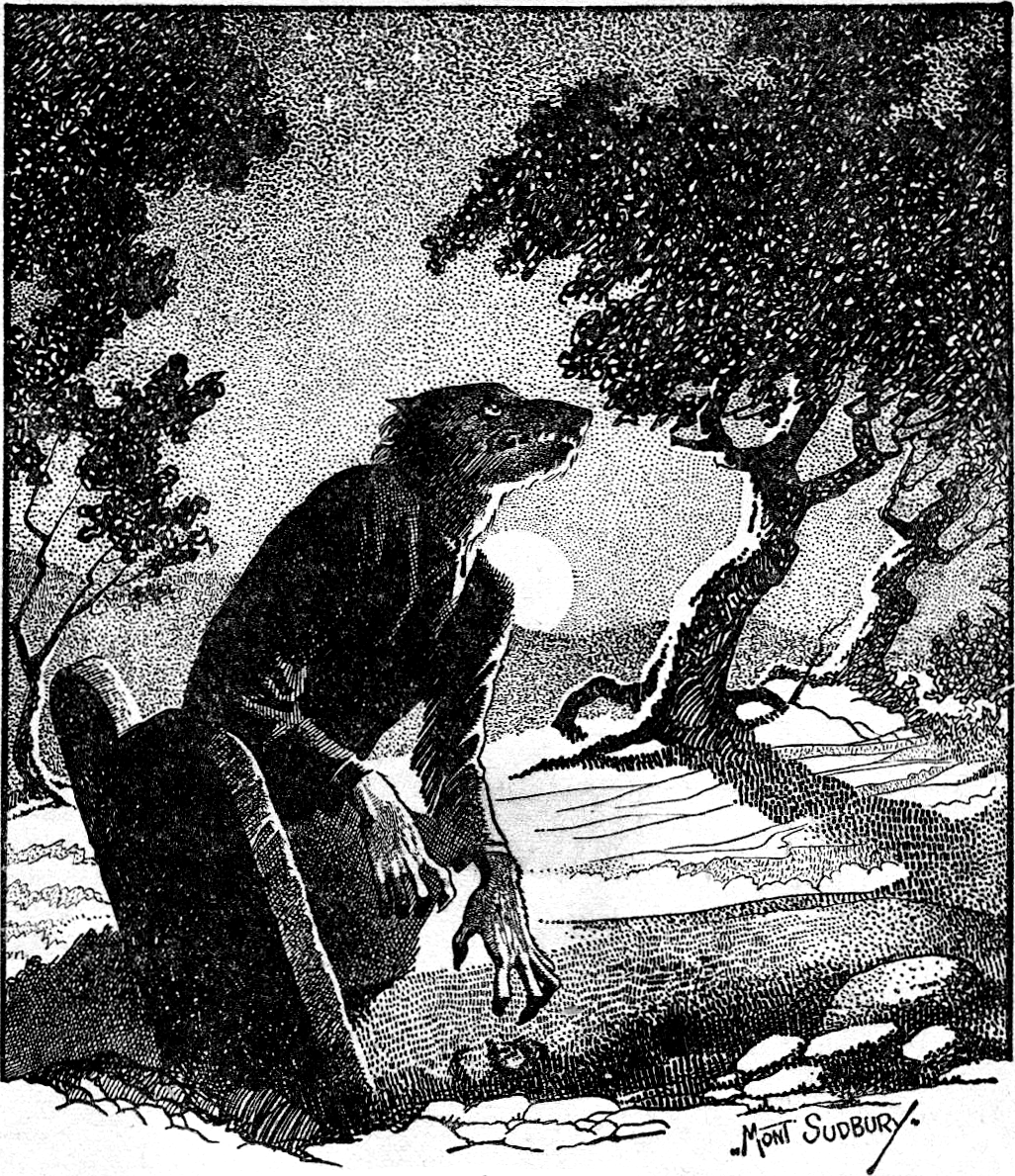 🇫🇷 France and 5 moreWerewolf
A mythical shapeshifter that turns into a wolf, central to European witch-hunts and Gothic horror.Being · Cursing and harm · Wonder and entertainment Legendary
🇫🇷 France and 5 moreWerewolf
A mythical shapeshifter that turns into a wolf, central to European witch-hunts and Gothic horror.Being · Cursing and harm · Wonder and entertainment Legendary
 🇪🇬 Egypt and 1 moreLilithלִילִית
A feminine figure from Mesopotamian and Jewish mythology, often depicted as a night demon or spirit.Being · Cursing and harm Legendary
🇪🇬 Egypt and 1 moreLilithלִילִית
A feminine figure from Mesopotamian and Jewish mythology, often depicted as a night demon or spirit.Being · Cursing and harm Legendary
 🇪🇬 EgyptCurse
A spoken wish for misfortune to befall a person or placeBelief · Cursing and harm · Luck and prosperity Historical
🇪🇬 EgyptCurse
A spoken wish for misfortune to befall a person or placeBelief · Cursing and harm · Luck and prosperity Historical