
La Llorona
from Spanish la llorona, meaning 'the weeping woman'
A vengeful ghost in Hispanic American folklore who mourns drowned children near water.
La Llorona is a weeping female spirit from Latin American legend who haunts rivers and lakes. She is said to have drowned her own children and now wanders the world crying for them. Hearing her voice is believed to bring death or severe misfortune.
- La Llorona means 'the weeping woman' in Spanish.
- She is said to have drowned her own children.
- Hearing her cry is an omen of death or misfortune.
- Her legend may stem from Aztec goddess Cihuacóatl.
- Similar spirits exist in Costa Rica, Panama, and Chile.
What it is
La Llorona is a spectral figure in the folklore of Mexico and much of Latin America. She appears as a woman dressed in white, often seen near rivers or lakes. The legend says she drowned her children and now wanders the earth wailing for them. Her cries are heard at night and are considered a terrible omen. People believe that hearing her voice brings bad luck, illness, or even death to those who listen.
Where it comes from
Scholars suggest the legend has roots in pre-Columbian Mesoamerican myths. It may be linked to goddesses like Cihuacóatl, who was associated with childbirth and death. Another theory connects her to La Malinche, a historical interpreter for Hernán Cortés. Some researchers view the story as a symbolic voice for indigenous peoples during colonization. Others see it as a literal tale of a woman punished by a Spaniard.
How it is done
The spirit is described as wandering near bodies of water. She is said to cry out loudly, calling for her lost children. Those who hear her are warned that they face danger. In some versions, she tries to lure people close to the water before harming them. Her presence is often accompanied by strange noises or the howling of dogs.
Tools and materials
She is typically depicted wearing a long white dress. The setting is always near a river, lake, or stream. In Chilean folklore, a similar figure named Pucullén is associated with tears that form pools of water. These elements mark her as a spirit of the water and of grief.
La Llorona, drawn and placed
- Living
- Revived
- Fading
- Historical
- Legendary
- Performed
- Lineage
- Hispanic American folklore
- Timing
- at night
What it is for
The legend serves as a warning to children and adults alike. Parents tell the story to keep their children away from dangerous waters. It also functions as a moral lesson about the consequences of sin and madness. The spirit represents the pain of loss and the fear of the unknown.
Who does it
The figure is known throughout Hispanic communities. It is not practiced by specific magicians but is part of general cultural belief. Scholars study the legend to understand colonial history and indigenous mythology. The story is passed down through oral tradition in families.
Peoples and places
The legend is strongest in Mexico and the southwestern United States. It spreads through Central America and into northern South America. Different cultures have their own versions. In Costa Rica and Panama, spirits called itsö share similar traits. In Chile, the Mapuche people know Pucullén. In Colombia and Venezuela, river goddesses like Madremonte appear.
At a glance: who, where and when
Who does it
Belief worlds


What people believe
The spirit is tied to beliefs about the afterlife and nature. She is often linked to underworld deities and spirits of women who died in childbirth. For the Mexica, such figures were omens of disaster. The legend reflects fears of drowning, abandonment, and supernatural retribution. It connects human tragedy to the natural world.
When it is done
The spirit is most active at night. She is said to appear when the moon is high or during storms. No specific festivals are dedicated to her, but the story is told during times of danger or to frighten children into staying home.
How scholars and sceptics see it
Researchers analyze the legend through different lenses. Some see it as a euhemerist myth based on real historical events. Others view it as a parabolic story giving voice to silenced groups. Anthropologists compare it to other weeping women myths in Europe and Asia. The connection to Aztec goddesses is widely studied.
Cautions and what is closed
The legend warns against going near rivers alone at night. It is used to prevent accidents and drownings. Some versions suggest that seeing her causes immediate death. The story also carries social warnings about maternal failure and sexual transgression.
Compare and confuse
La Llorona is sometimes confused with La Malinche. She shares traits with European ghosts like the White Lady. Greek myths of Medea and Lamia also feature mothers killing their children. Other Latin American spirits like Siguanaba and Cegua are similar female phantoms.
Law and persecution
There are no specific laws regarding the legend. However, the story is used in legal contexts to justify keeping children away from water. In some regions, the legend influences local safety regulations near rivers.
Questions people ask about La Llorona
Who is La Llorona?
La Llorona is a ghostly woman from Latin American folklore. She is said to wander near rivers crying for her children, whom she drowned. Her appearance brings bad luck or death.
Where does the legend come from?
The legend originates in Mexico and spreads across Latin America. It likely combines pre-Hispanic myths with Spanish colonial stories. Some link it to the historical figure La Malinche.
What happens if you hear her?
People believe hearing her cry brings severe misfortune. Some say it causes death. The sound is often described as a terrifying wail that echoes near water at night.
Is she connected to ancient gods?
Many scholars think so. She may be linked to Aztec goddesses like Cihuacóatl. These deities were associated with childbirth, death, and the underworld.
Good reading and sources
- The Legend of La Llorona reviewThe Guardian, Article
- The Origin of La LlaronaHistory Today, Article
- La Llorona: An Introduction to the Weeping WomanLibrary of Congress, Article
- La Llorona on WikipediaEncyclopedia
- More photos on Wikimedia CommonsPhotos and video
- Wikidata recordOpen data
The facts on this page come from the Wikipedia article "La Llorona", written by its contributors and used under the CC BY-SA 4.0 licence, and from its Wikidata record (CC0). EveryJaadu rewrote the text in its own words, with AI assistance, and compares every page with the article to make sure no passage is copied. It may be reused under the same CC BY-SA 4.0 licence with a link back.
It may contain mistakes. Names and customs differ from one community to the next, and some knowledge is closed to outsiders and left out here. This page describes belief and practice. It does not say that any of it works, it is not a how-to, and it is not medical advice. If something is wrong, tell us. Last refreshed 2026-10-05.
More from Mexico
All the entries from Mexico 🇲🇽 Mexico and 2 moreChild sacrifice
The ritual killing of children to appease deities or restore cosmic order in ancient culturesRite · Cursing and harm · Speaking with spirits and the dead Historical
🇲🇽 Mexico and 2 moreChild sacrifice
The ritual killing of children to appease deities or restore cosmic order in ancient culturesRite · Cursing and harm · Speaking with spirits and the dead Historical
 🇲🇽 Mexico and 5 moreObsidian
Volcanic glass used for sharp tools, mirrors, and ritual divinationSubstance · Cursing and harm · Seeing and foretelling Historical
🇲🇽 Mexico and 5 moreObsidian
Volcanic glass used for sharp tools, mirrors, and ritual divinationSubstance · Cursing and harm · Seeing and foretelling Historical
 🇵🇷 Puerto Rico and 5 moreChupacabrachupacabras
A legendary creature said to drain livestock of blood, emerging from Puerto Rico in the mid-1990sBeing · Cursing and harm Legendary
🇵🇷 Puerto Rico and 5 moreChupacabrachupacabras
A legendary creature said to drain livestock of blood, emerging from Puerto Rico in the mid-1990sBeing · Cursing and harm Legendary
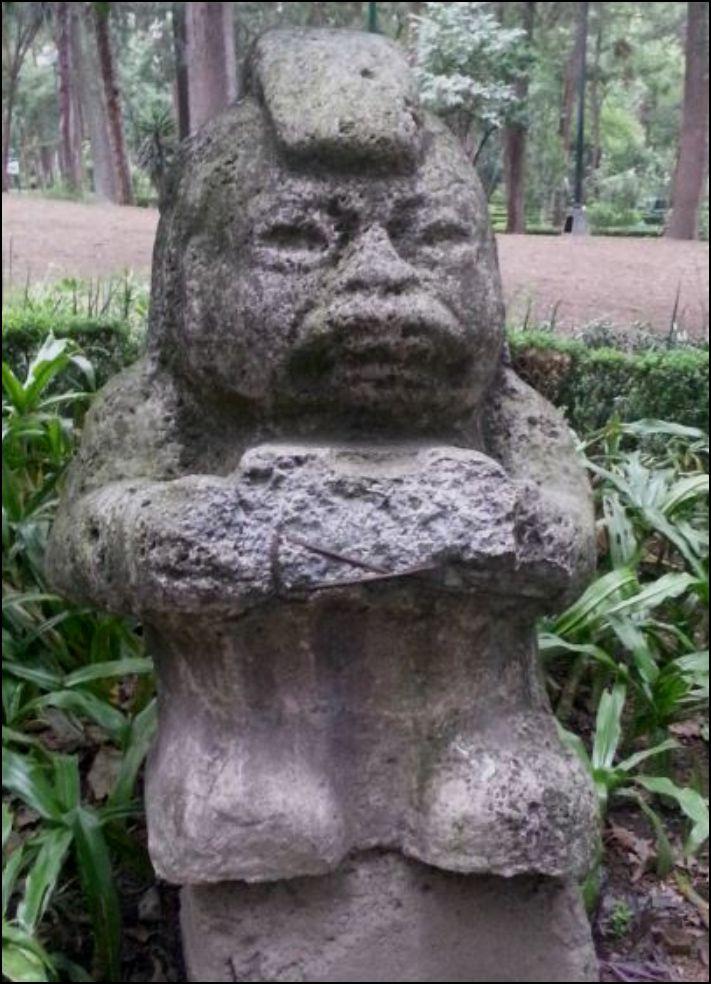 🇲🇽 MexicoChaneque
Mexican folklore sprites that guard nature and homesBeing · Protection · Cursing and harm Legendary
🇲🇽 MexicoChaneque
Mexican folklore sprites that guard nature and homesBeing · Protection · Cursing and harm Legendary
Related elsewhere
All figure 🇷🇸 Serbia and 5 moreVampire
An undead creature from folklore that feeds on the blood or life force of the livingBeing · Cursing and harm · Luck and prosperity Legendary
🇷🇸 Serbia and 5 moreVampire
An undead creature from folklore that feeds on the blood or life force of the livingBeing · Cursing and harm · Luck and prosperity Legendary
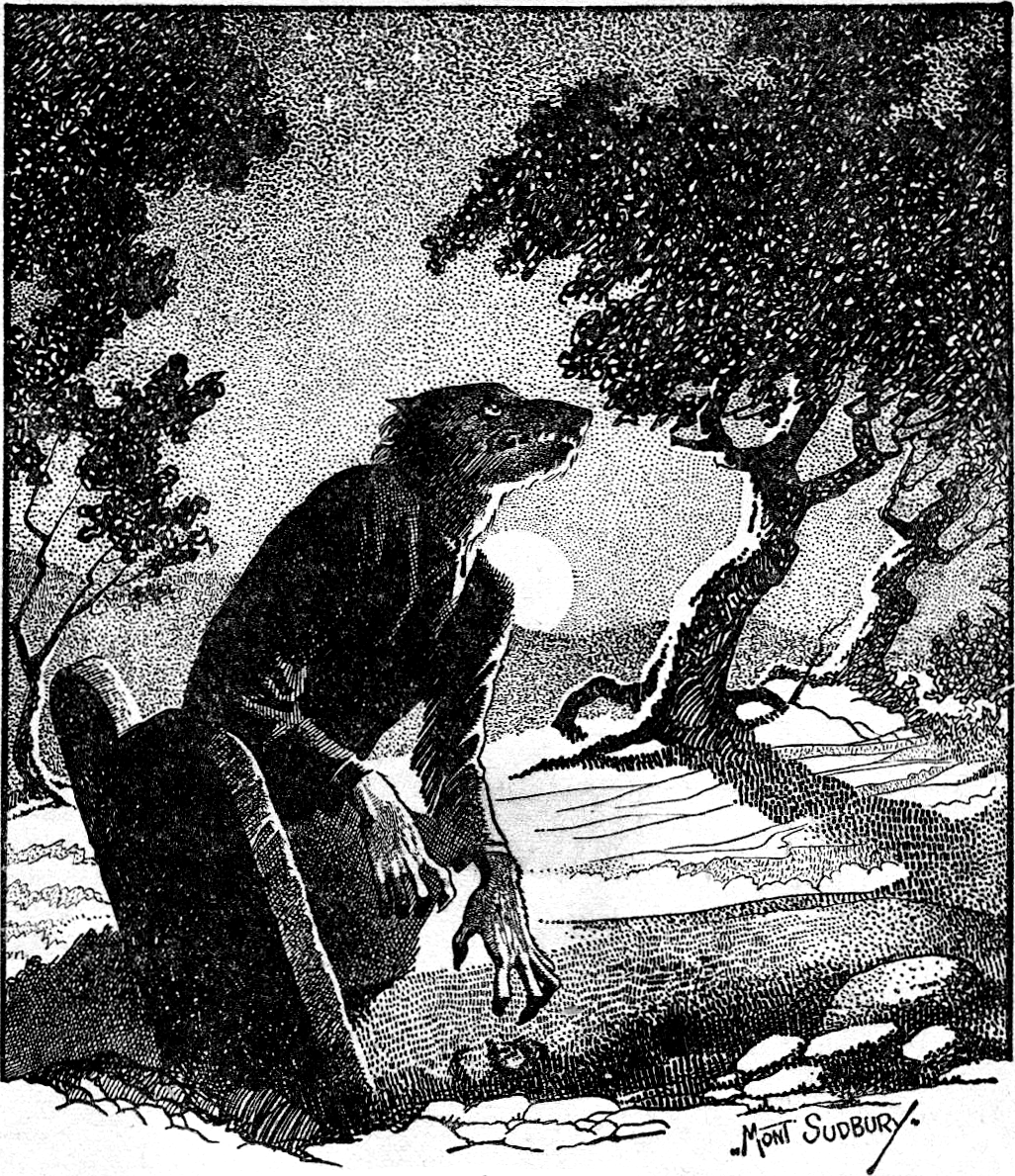 🇫🇷 France and 5 moreWerewolf
A mythical shapeshifter that turns into a wolf, central to European witch-hunts and Gothic horror.Being · Cursing and harm · Wonder and entertainment Legendary
🇫🇷 France and 5 moreWerewolf
A mythical shapeshifter that turns into a wolf, central to European witch-hunts and Gothic horror.Being · Cursing and harm · Wonder and entertainment Legendary
 🇪🇬 Egypt and 1 moreLilithלִילִית
A feminine figure from Mesopotamian and Jewish mythology, often depicted as a night demon or spirit.Being · Cursing and harm Legendary
🇪🇬 Egypt and 1 moreLilithלִילִית
A feminine figure from Mesopotamian and Jewish mythology, often depicted as a night demon or spirit.Being · Cursing and harm Legendary
 🇪🇬 EgyptCurse
A spoken wish for misfortune to befall a person or placeBelief · Cursing and harm · Luck and prosperity Historical
🇪🇬 EgyptCurse
A spoken wish for misfortune to befall a person or placeBelief · Cursing and harm · Luck and prosperity Historical