Spirits, creatures and beings
Djinn, fairies, orisha, golems and the other powers that magic deals with.
Beings are the powers that magic deals with: spirits, ancestors, gods, djinn, fairies, orisha, nats, kami, demons, golems, ghosts and the many kinds of household and landscape spirit. People in most cultures have described a world shared with unseen others, who may help, trouble or ask for respect. This page covers what these beings are said to be and the very different ways communities relate to them. They are always described here as what communities believe, not as established fact.
Different kinds of beings
A being can be a god with a priesthood, such as an orisha served in Yoruba religion, Cuba and Brazil. It can be an ancestor, honoured in China, Africa and Mexico. It can belong to a place, such as the kami of Shinto, the Thai phi or the Burmese nats. It can be a trouble-maker, like the djinn of Arabic and Islamic tradition, formed from smokeless fire, or the fairies of Ireland, whom people avoided naming.
Relationship, not command
In many traditions, a person does not command a being but enters a relationship with it, through offerings, promises and respect. Possession and mediumship are forms of that relationship, as in Vodou, Candomblé, Korean mudang rites and Sufi gatherings. In ceremonial magic of the European grimoires, by contrast, the magician summons spirits by name and authority, which the Church condemned as demon-raising. The same being may be loved in one household and feared in the next, and a spirit helpful to its servant can be harmful to a stranger.
Religions and renaming
Dominant religions often absorbed beings by relabelling them. Christian missionaries called many African and Indigenous spirits demons. Islam reads the djinn as real creatures, some of whom are Muslim, and Hindu and Buddhist traditions fold local deities into their own pantheons. Pagan and fairy beliefs were sometimes recast as the devil's work, which fed witch trials in Europe. Churches and mosques have sometimes divided beings into good and evil in ways the older traditions did not, so that a neutral local spirit became a demon on the day a missionary arrived.
Harm and interpretation
Belief in harmful spirits has been used to accuse people. Children in parts of West and Central Africa have been branded as witches possessed by evil spirits, and some have been abused by pastors or families in the name of deliverance. Scholars read spirit beliefs as ways to make sense of illness, loss and conflict, and many communities see them simply as neighbours. That is why accusations tied to spirit beliefs fall hardest on children and the vulnerable, and why many agencies train local leaders to challenge them.
Being on EveryJaadu
The entries written up so far, best known first.
 🇦🇺 AustraliaKurdaitchakwertatye
A ritual executioner and feathered shoes of the Arrernte people in Central Australia.Tradition · Cursing and harm · Power and authority Historical
 🇩🇪 Germany and 3 moreMare
A spirit that sits on sleepers to cause nightmares and physical distressBeing · Cursing and harm Historical
 🇯🇵 JapanYōkai妖怪
A vast class of supernatural spirits and entities in Japanese folkloreBeing · Cursing and harm · Luck and prosperity Historical
 🇯🇵 JapanTsukumogami付喪神
Household objects that gain a spirit after reaching their hundredth year in Japanese folklore.Being · Cursing and harm Historical
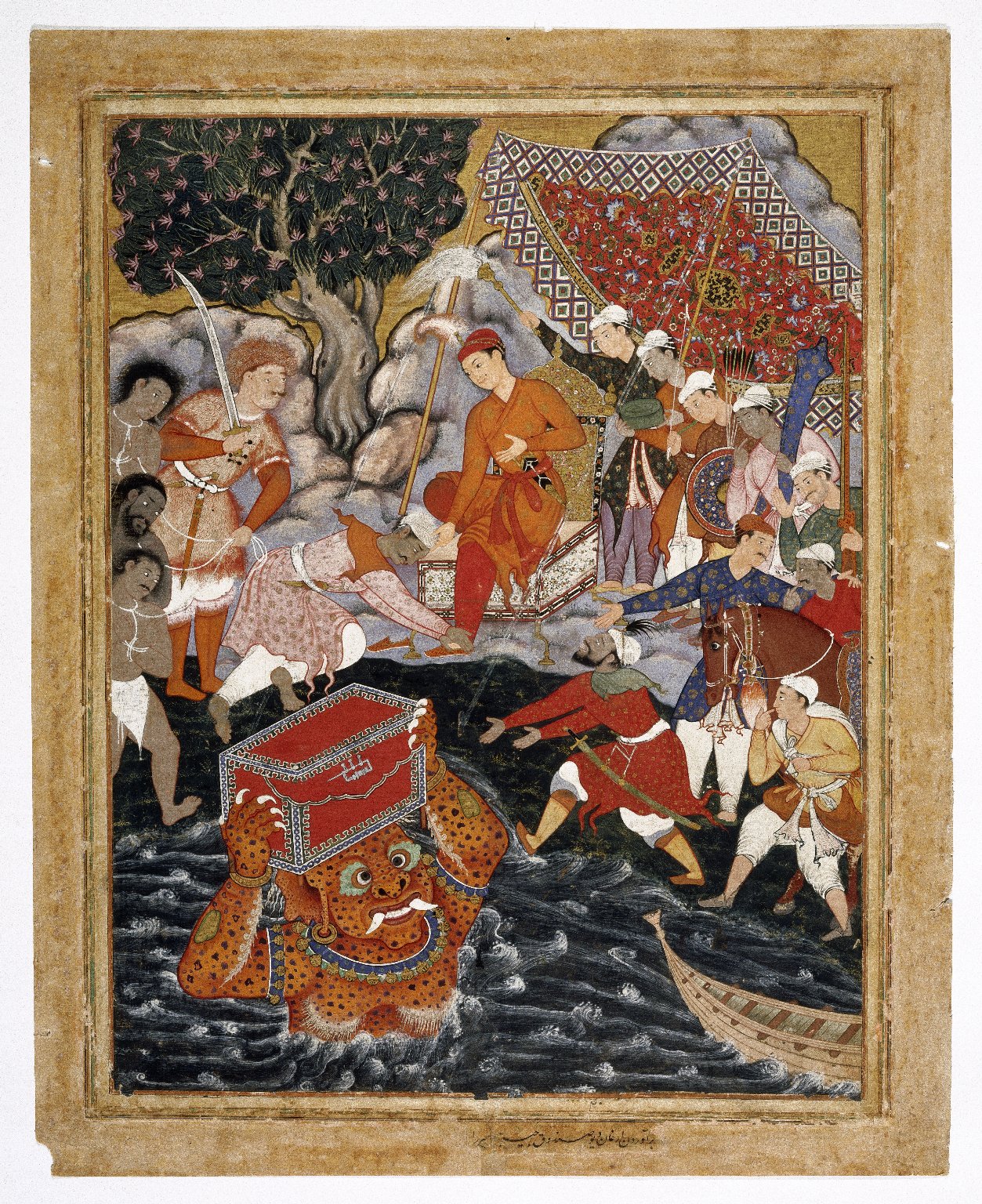 🇪🇬 Egypt and 3 moreIfritعفريت
A class of powerful chthonic spirits in Islamic tradition and folkloreBeing · Cursing and harm · Power and authority Historical
 🇷🇺 Russia and 2 moreVampire
A demonic spirit possessing a corpse, feared in Slavic folklore for drinking blood and bringing misfortune.Being · Cursing and harm Historical
 🇮🇸 Iceland and 1 moreNornsnornir
Fate-weaving figures from Norse myth who shape human destiny and tend the world tree.Being · Cursing and harm · Luck and prosperity Historical
 🇸🇪 Sweden and 2 moreMjölnirMjǫllnir
The hammer of the Norse thunder god Thor, used as a weapon and for blessingsBeing · Cursing and harm · Protection Historical
 🇮🇶 Iraq and 1 morePazuzu𒀭𒅆𒊒𒍪𒍪 (pà.zu.zu)
A Mesopotamian wind demon and protective amulet against child-harming spiritsBeing · Protection · Cursing and harm Historical
 🇮🇱 Israel and 2 moreLeviathanלִוְיָתָן (Livyaṯān)
A primordial sea monster from ancient Near Eastern myth and biblical textBeing · Cursing and harm · Power and authority Historical
🇮🇶 Iraq and 1 moreRabisu
A wind spirit in Akkadian myth sent to correct human transgressionsBeing · Cursing and harm · Cleansing and purification Historical
 🇯🇵 JapanInugami犬神
A Japanese spirit of animal possession and folk sorcery known as a curse god.Belief · Cursing and harm · Power and authority Historical
🇵🇪 Peru and 1 moreSupay
An Andean spirit of the underworld who balances life and death forcesBeing · Cursing and harm · Protection Historical
🇷🇴 Romania and 2 moreStrigoi
A Romanian undead spirit linked to witchcraft and vampirismBeing · Cursing and harm Historical
 🇯🇵 JapanNoppera-bōのっぺらぼう
A faceless spirit from Japanese folklore that mimics human appearanceBeing · Cursing and harm · Wonder and entertainment Historical
🇯🇵 JapanShikigami式神
A conjured spirit from Japanese Onmyōdō, often bound to paper or animal form.Being · Power and authority · Cursing and harm Historical
 🇮🇹 ItalyFortunaFortūna
The Roman goddess of luck, fate, and life's unpredictable turnsBeing · Luck and prosperity · Cursing and harm Historical
 🇮🇳 India and 3 moreDakiniḍākinī
A goddess figure in Hinduism and Buddhism, ranging from flesh-eating demoness to enlightened energy.Being · Cursing and harm · Power and authority Historical
 🇷🇺 Russia and 4 moreLady MiddayPoludnitsa
A Slavic noon spirit who watches over fields and punishes those who work during the hottest hours.Being · Cursing and harm · Protection Historical
🇮🇱 Israel and 2 moreBelialבְּלִיַּעַל
A Hebrew term for worthlessness that evolved into a demon of darkness in Jewish and Christian texts.Being · Cursing and harm Historical
🇬🇧 United KingdomGwyllion
Welsh spirits that lead travellers astray and are feared in mountain folkloreBeing · Cursing and harm Historical
 🇬🇧 United KingdomBoggart
A malevolent household spirit from northern English folkloreBeing · Cursing and harm Historical
 🇮🇷 Iran and 3 moreDaeva𐬛𐬀𐬉𐬎𐬎𐬀
A Zoroastrian entity that evolved from rejected gods to personifications of evil.Being · Cursing and harm · Power and authority Historical
 🇪🇬 EgyptDemon
A supernatural entity believed to cause harm or possess humansBeing · Cursing and harm · Speaking with spirits and the dead Historical
 🇬🇷 Greece and 4 moreKallikantzarosκαλικάντζαρος
A malevolent goblin that dwells underground and surfaces during the twelve days of Christmas.Being · Cursing and harm · Luck and prosperity Historical
 🇷🇸 Serbia and 5 moreZduhaćздухаћ
A South Slavic belief in men who fight storms and hail to protect their cropsBeing · Protection · Cursing and harm Historical
🇸🇾 SyriaLilulilû (Akkadian), lilu (Sumerian)
A class of Mesopotamian spirits linked to unfulfilled lives and illnessBeing · Cursing and harm · Healing Historical
🇬🇧 United KingdomWirry-cow
A Scottish folk figure representing a frightening object or spiritBeing · Cursing and harm Historical
 🇮🇱 Israel and 5 moreAstaroth
An arch-demon in Western occultism, derived from the ancient goddess Astarte.Being · Power and authority · Cursing and harm Historical
 🇷🇺 Russia and 3 moreChortчёрт
A Slavic demon spirit with horns and hooves, known in folklore as a trickster or minor evil force.Being · Cursing and harm · Luck and prosperity Historical
🇫🇮 Finland and 1 moreHiisi
A Finnic spirit of sacred places that evolved into a demonic giant in folkloreBeing · Cursing and harm · Power and authority Historical
 🇯🇵 JapanNurikabe塗り壁
A spirit that manifests as an invisible wall to block travelers at nightBeing · Cursing and harm Historical
 🇷🇴 Romania and 2 moreStrixστρίξ
A classical bird of ill omen that evolved into a term for witches and vampires across Europe.Being · Cursing and harm · Luck and prosperity Historical
 🇫🇷 FranceTitivillus
A medieval demon who collects scribal errors and liturgical mistakes in a sack.Being · Cursing and harm Historical
🇹🇷 Turkey and 4 moreAl BastyAlbastı
A female spirit of guilt and childbirth found in Turkic and Caucasian folkloreBeing · Cursing and harm Historical
 🇪🇬 Egypt and 2 moreAbyzou
A female demon of envy who targets newborns and pregnant women in late antique magic.Being · Cursing and harm · Protection Historical
 🇵🇱 Poland and 3 moreStrzyga
A female demon in Polish folklore, linked to owls and vampiric traitsBeing · Cursing and harm · Protection Historical
🇷🇺 Russia and 4 moreFiery serpentsогненный змей
A pan-Slavic spirit of fire and wind, seen as a demon or a household helperBeing · Cursing and harm · Luck and prosperity Historical
 🇨🇳 China and 1 moreMogwai魔鬼
A Chinese term for demons and evil spirits, borrowed from Sanskrit lore through Buddhism.Being · Cursing and harm Historical
 🇬🇷 GreeceGelloΓελλώ
A Greek demon of infancy and a class of beings blamed for infant death.Being · Cursing and harm · Protection Historical
 🇵🇱 PolandBoginka
Female spirits of wild nature in Polish pagan mythologyBeing · Cursing and harm Historical
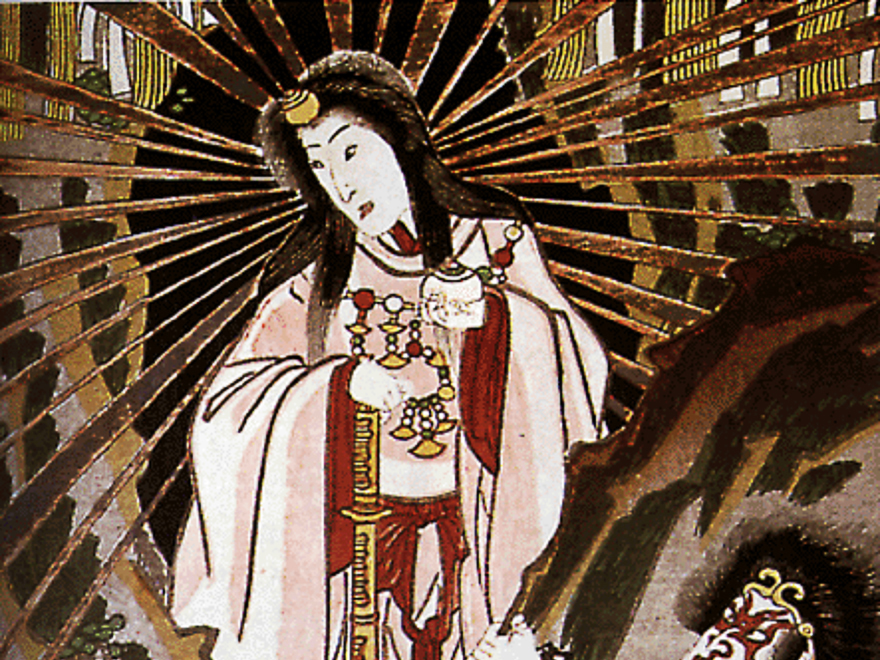 🇯🇵 JapanAkuma悪魔(あくま)
An evil spirit in Japanese folklore, later used for Satan in ChristianityBeing · Cursing and harm Historical
🇮🇱 IsraelAgrat bat Mahlatאגרת בת מחלת
A demon in Jewish tradition who rules over destructive spirits and night hours.Being · Cursing and harm Historical
🇵🇱 PolandTopielec
A Slavic water spirit of the drowned dead that pulls victims into lakes.Being · Cursing and harm Historical
🇷🇺 RussiaHabernitsa
A noon demon of Slavic fields who punishes workers and causes pain.Being · Cursing and harm Historical
 🇩🇪 Germany and 3 moreWiedergänger
A German term for a revenant or ghost that returns to the world of the living.Being · Cursing and harm Historical
 🇩🇪 Germany and 4 moreNight ravennattravn
A nocturnal creature of European folklore, feared as a child-stealer or seen as a ghost in bird form.Being · Cursing and harm Historical
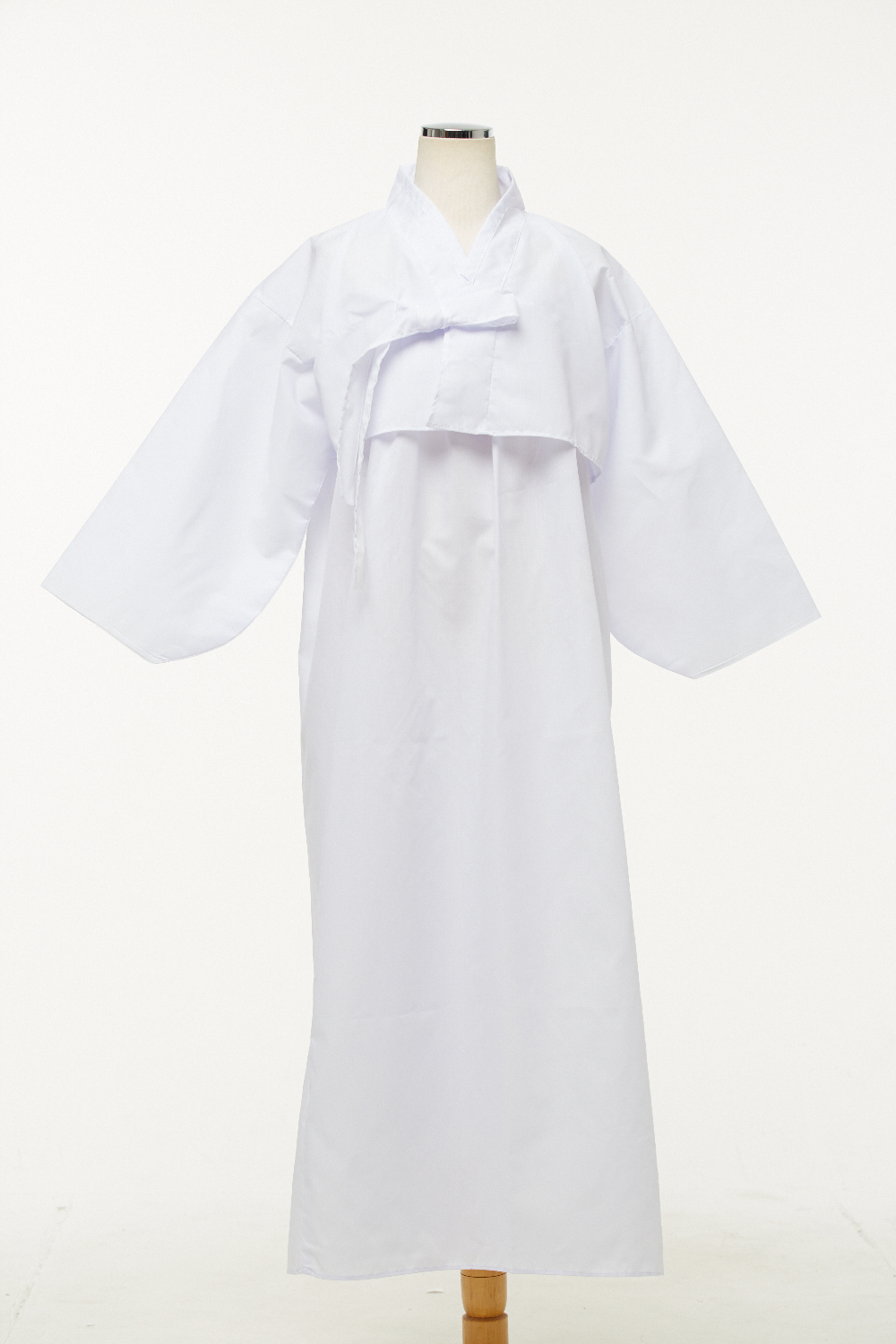 🇰🇷 South KoreaKorean virgin ghost처녀귀신 (cheonyeo-gwisin)
A spirit of an unmarried woman who died with resentment in Korean folklore.Being · Cursing and harm · Binding and oaths Historical
Photo credits on this page
The small pictures above come from Wikimedia Commons under free licences. Some are cropped to fit.
- Mare: Henry Fuseli, Public domain, source
- Night raven: Kim Diaz Holm (den unge herr Holm), CC BY 4.0, source
- Abyzou: Paul Perdirizet (1870-4 juin 1938), Public domain, source
- Ancient Mesopotamian religion: editor Austen Henry Layard , drawing by L. Gruner, Public domain, source
- Tsukumogami: Unknown author, Public domain, source
- Leviathan: Gustave Doré, Public domain, source
- Norns: file: James Steakley ; artwork: Gustav Heidenreich, Public domain, source
- Titivillus: Andrewrabbott, CC BY-SA 4.0, source
- Div: Unknown Calligrapher, Public domain, source
- Demon: Martin Schongauer, Public domain, source
- Astaroth: M. Jarrault, Public domain, source
- Ifrit: Unknown author, Public domain, source
- Mogwai: Gisling, CC BY-SA 3.0, source
- Yōkai: Kyosai Kawanabe (河鍋 暁斎), Public domain, source
- Strix: Prosthetic Head, CC BY-SA 4.0, source
- Dakini: Didier Descouens, Public domain, source
- Boginka: Walery Eljasz Radzikowski, Public domain, source
- Kallikantzaros: Katolophyromai, CC BY-SA 4.0, source
- Zduhać: Bidgee, CC BY-SA 3.0, source
- Strzyga: Filip Gutowski, CC BY-SA 4.0, source
- Akuma: Utagawa Kunisada (歌川国貞), Public domain, source
- Lady Midday: Віщун, CC BY-SA 4.0, source
- Boggart: Katolophyromai, CC BY-SA 4.0, source
- Gello: Filippino Lippi, Public domain, source
- Wiedergänger: Unknown author, Public domain, source
- Kurdaitcha: Unknown author, CC BY 4.0, source
- Chort: Unknown author, Public domain, source
- Nurikabe: Anonymous Unknown author, Public domain, source
- Korean virgin ghost: 국립국어원, CC BY-SA 2.0 kr, source
- Mjölnir: Mårten Eskil Winge, Public domain, source
- Vampire: Віщун, CC BY-SA 4.0, source
- Noppera-bō: 芥川龍之介, Public domain, source
- Inugami: Sawaki Suushi (佐脇嵩之, Japanese, *1707, †1772), Public domain, source
- Fortuna: Charles Samuel, CC BY-SA 4.0, source