Popobawa
Swahili for bat-wing
A shapeshifting spirit of Zanzibar blamed for night attacks and mass panic
Popobawa is an evil spirit or shetani known in Zanzibar, Tanzania. Residents believe it first appeared on Pemba Island and causes fear through nocturnal assaults and mass hysteria.
- Name means bat-wing in Swahili
- First reported on Pemba Island in 1965
- Major panic spread to Dar es Salaam in 1995
- Linked to sleep paralysis by skeptics
- Considered a shetani or evil spirit
What it is
Popobawa is a feared spirit in Zanzibar folklore. It belongs to the group known as shetani. The creature is a shapeshifter that can appear as a human or animal. Its name translates to bat-wing, referring to the dark shadow it casts during attacks. It is not limited to a single form. The spirit visits homes at night and may attack men, women, and children. Victims report physical assault and sexual violence. The spirit is said to threaten repeat visits if victims remain silent about the encounters.
Where it comes from
The legend has a recent history. First reports date to 1965 on Pemba Island after a political revolution. Sightings continued in 1970 and peaked in 1995. A popular story claims an angry sheikh released a jinn in the 1970s that turned demonic. Scholars suggest the myth reflects social memory of slavery horrors. Zanzibar was once an Arab-run slave market. Legends there blend influences from Arabs, Portuguese, Indians, Chinese, Britons, Persians, and Africans.
How it is done
Attacks occur primarily at night. The spirit may cause poltergeist-like phenomena or simple physical assault. Victims are urged to tell others of the encounter. Silence invites further trouble. During panics, people stay awake outside their houses. They gather around open fires with family and neighbors. Some place charms at the base of fig trees. Others sacrifice goats. Exorcisms are also practiced to ward off the entity.
Popobawa, drawn and placed
- Living
- Revived
- Fading
- Historical
- Legendary
- Performed
- Lineage
- Shetani
- Timing
- at night
What it is for
The spirit is believed to bring harm and terror. It targets households across neighborhoods. Reports rise during election cycles in Zanzibar. Some claim the spirit is the ghost of assassinated President Abeid Karume. Others say it was summoned by a political party. Villagers maintain the spirit becomes enraged if its existence is denied. It speaks through possessed individuals to assert its presence.
At a glance: who, where and when
Peoples
How scholars and sceptics see it
Researchers offer various explanations for the phenomenon. Joe Nickell compared symptoms to sleep paralysis or waking dreams. He noted feelings of weight, vivid dreams, and terrifying content. These match experiences attributed to incubi or alien abductions. Katrina Daly Thompson criticized this view in her 2017 book. She argued it associates locals with fear and Westerners with skepticism. Doctors at Zanzibar Medical Group reported no treated victims. Anthropologists link the legend to political tension and historical trauma.
Compare and confuse
Popobawa is similar to the incubus of Western folklore. Both spirits are blamed for sexual assault during sleep. The term shetani links it to broader Islamic demonology in the region. It shares traits with other shapeshifting entities found in global myths. The name Winged Bat highlights its visual association with shadows.
Questions people ask about Popobawa
What is Popobawa?
Popobawa is an evil spirit or shetani in Zanzibar folklore. It is a shapeshifter blamed for night attacks and mass panic. The name means bat-wing in Swahili.
Where does the legend come from?
The legend originated in Zanzibar, Tanzania. First reports appeared on Pemba Island in 1965. It later spread to Unguja and mainland towns like Dar es Salaam.
How do people protect themselves?
During panics, people stay awake outside their homes. They gather around open fires with neighbors. Some use exorcisms, place charms at fig trees, or sacrifice goats.
Is it real or a hallucination?
Believers hold it is a real spirit causing harm. Skeptics compare symptoms to sleep paralysis. Doctors report no physical injuries from attacks.
Good reading and sources
The facts on this page come from the Wikipedia article "Popobawa", written by its contributors and used under the CC BY-SA 4.0 licence, and from its Wikidata record (CC0). EveryJaadu rewrote the text in its own words, with AI assistance, and compares every page with the article to make sure no passage is copied. It may be reused under the same CC BY-SA 4.0 licence with a link back.
It may contain mistakes. Names and customs differ from one community to the next, and some knowledge is closed to outsiders and left out here. This page describes belief and practice. It does not say that any of it works, it is not a how-to, and it is not medical advice. If something is wrong, tell us. Last refreshed 2026-10-05.
More from Tanzania
All the entries from Tanzania 🇿🇦 South Africa and 4 moreWitch doctor
A traditional healer who identifies supernatural causes of illness and performs rituals to restore balance.Tradition · Healing · Protection Living
🇿🇦 South Africa and 4 moreWitch doctor
A traditional healer who identifies supernatural causes of illness and performs rituals to restore balance.Tradition · Healing · Protection Living
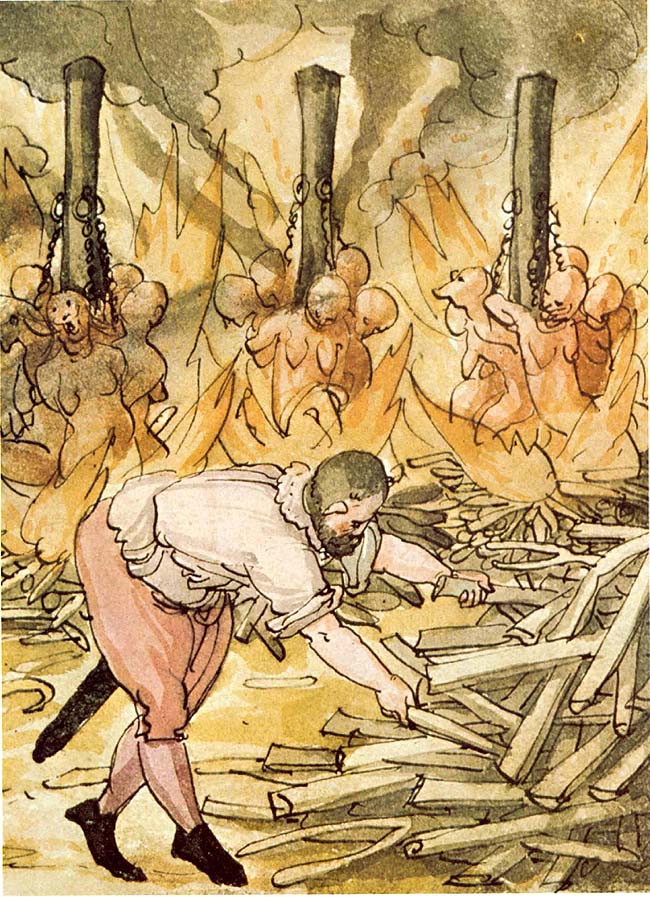 🇸🇦 Saudi Arabia and 5 moreWitch hunt
A campaign to find and punish people accused of using magic for harmBelief · Cursing and harm Historical
🇸🇦 Saudi Arabia and 5 moreWitch hunt
A campaign to find and punish people accused of using magic for harmBelief · Cursing and harm Historical
 🇰🇪 Kenya and 1 moreMaasai religion
The spiritual beliefs of the semi-nomadic Maasai people of East AfricaTradition · Protection · Healing Living
🇰🇪 Kenya and 1 moreMaasai religion
The spiritual beliefs of the semi-nomadic Maasai people of East AfricaTradition · Protection · Healing Living
 🇪🇹 Ethiopia and 4 moreBudaቡዳ
An Ethiopian and Eritrean belief in the evil eye and hyena transformationBelief · Cursing and harm · Protection Living
🇪🇹 Ethiopia and 4 moreBudaቡዳ
An Ethiopian and Eritrean belief in the evil eye and hyena transformationBelief · Cursing and harm · Protection Living
Related elsewhere
All being 🇷🇸 Serbia and 5 moreVampire
An undead creature from folklore that feeds on the blood or life force of the livingBeing · Cursing and harm · Luck and prosperity Legendary
🇷🇸 Serbia and 5 moreVampire
An undead creature from folklore that feeds on the blood or life force of the livingBeing · Cursing and harm · Luck and prosperity Legendary
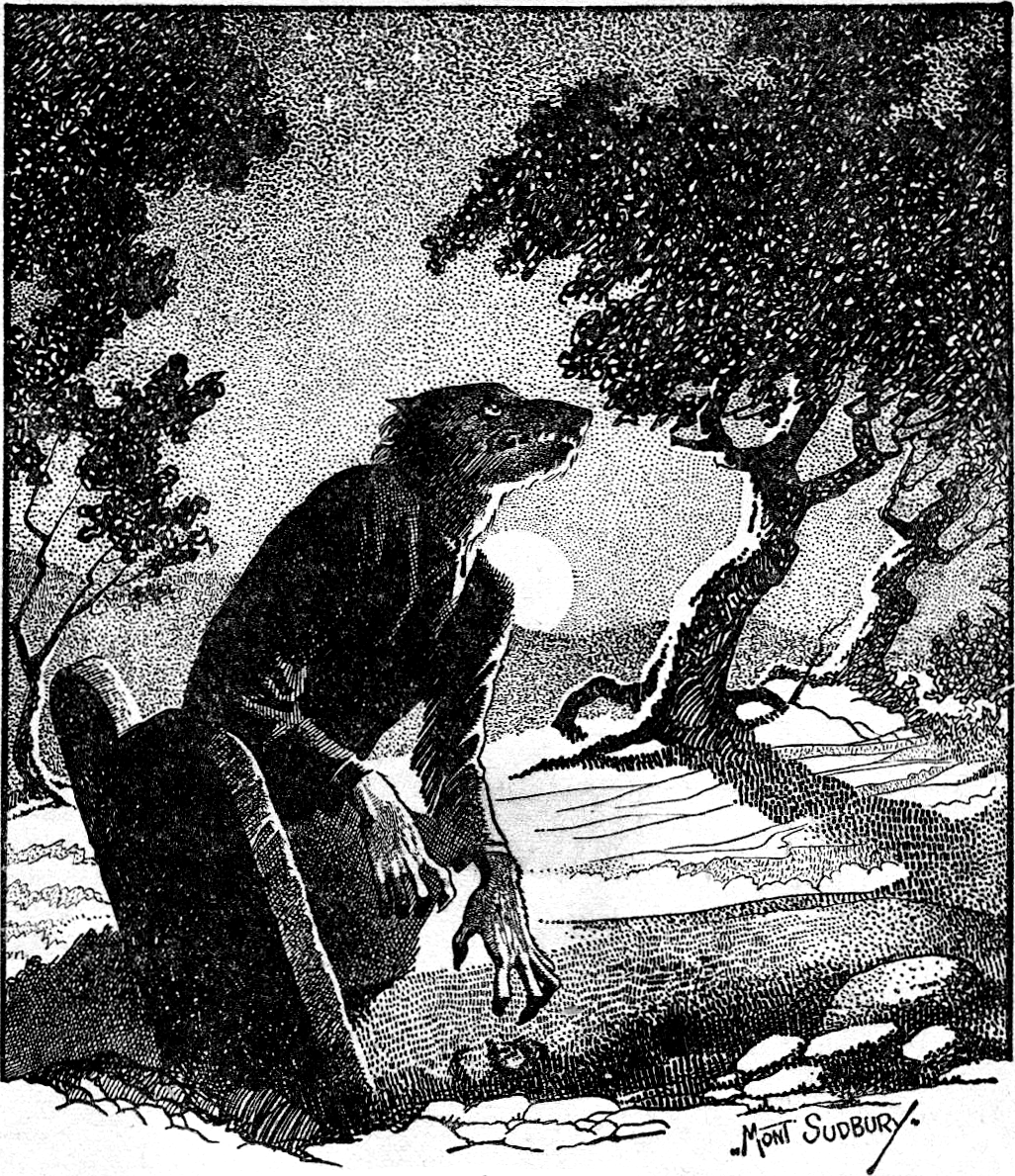 🇫🇷 France and 5 moreWerewolf
A mythical shapeshifter that turns into a wolf, central to European witch-hunts and Gothic horror.Being · Cursing and harm · Wonder and entertainment Legendary
🇫🇷 France and 5 moreWerewolf
A mythical shapeshifter that turns into a wolf, central to European witch-hunts and Gothic horror.Being · Cursing and harm · Wonder and entertainment Legendary
 🇪🇬 Egypt and 1 moreLilithלִילִית
A feminine figure from Mesopotamian and Jewish mythology, often depicted as a night demon or spirit.Being · Cursing and harm Legendary
🇪🇬 Egypt and 1 moreLilithלִילִית
A feminine figure from Mesopotamian and Jewish mythology, often depicted as a night demon or spirit.Being · Cursing and harm Legendary
 🇪🇬 EgyptCurse
A spoken wish for misfortune to befall a person or placeBelief · Cursing and harm · Luck and prosperity Historical
🇪🇬 EgyptCurse
A spoken wish for misfortune to befall a person or placeBelief · Cursing and harm · Luck and prosperity Historical