
Div
In its own language: دیو
from Classical Persian dēw or dīv, related to the Vedic devas
Monstrous creatures of Persian and West Asian lore, later adapted into Islamic and regional mythologies
The div is a monstrous creature from Persian mythology that was reinterpreted as a demon in Zoroastrianism and later integrated into the Islamic world. These beings are described as giants with boar-like tusks who serve as antagonists in epic poetry and symbols of evil urges in Sufi mysticism.
- Originates from Vedic devas demonized in Zoroastrianism
- Described as giant humanoids with boar-like tusks
- Main antagonists in the Persian epic Shahnameh
- Symbolize human vices in Sufi mysticism
- Integrated into Islamic and regional folklores
What it is
The div is a class of monstrous beings originating in ancient Persian lore. They are widely recognized across West Asia and have been adopted into Armenian, Turkic, and Albanian mythologies. In their earliest forms, they were celestial spirits, but they were later reimagined as demonic entities. Folklore describes them as gigantic humanoids with two horns and teeth resembling the tusks of a wild boar. They are characterized by immense physical strength, cruelty, and a taste for human flesh. Some are depicted as primitive brutes wielding stones, while others are sophisticated warriors clad in metal armor. Many possess magical abilities, allowing them to cast spells, inflict nightmares, and transform into other shapes such as snakes or dragons.
Where it comes from
The concept of the div derives from the Vedic deities known as devas, who were originally worshipped in ancient India. As these beliefs spread to Persia, they underwent a monotheistic reinterpretation within Zoroastrianism. The texts began to view these beings as evil, leading to their demonization. By the time of the Islamic conquest, the div had become firmly established as a fully demonic being. Muslim authors often equated them with other supernatural entities like the ifrit and shayatin. Legends suggest that Satan once fought against the div before falling from grace and joining their ranks. This transition marks a shift from revered celestial figures to feared monsters of the underworld.
Tools and materials
Divs are frequently depicted using various tools and weapons depending on their level of sophistication. Primitive divs rely on crude instruments such as large stones to attack their enemies. More advanced divs are equipped like professional warriors, wearing heavy armor and utilizing metal weapons. Their appearance is often uncouth, yet they possess great physical power. Some divs are also masters of sorcery, using magic to overcome opponents rather than brute force alone. Their presence is sometimes presaged by a change in air temperature or a foul smell, indicating their approach before they reveal their physical form or weaponry.
Div, drawn and placed
- Living
- Revived
- Fading
- Historical
- Legendary
- Performed
- Lineage
- Persian mythology and Iranian mythology
- Timing
- at night
What it is for
In literature and folklore, divs primarily serve as antagonists and sources of danger. They are often portrayed as villains, sorcerers, or ogres who capture maidens and force them into marriage. Their purpose in stories is to test heroes, such as Rostam in the Shahnameh, who must defeat them to restore order. In Sufi philosophy, they represent human vices and evil urges. They symbolize the lower carnal desires that individuals must struggle against. The killing of a div is viewed as a way to purge the human soul of negative inclinations and safeguard the good within oneself. They act as moral guardians of temptation, representing the consequences of moral transgression.
Peoples and places
The div is central to Persian mythology, where they appear as main antagonists in the epic poem Shahnameh. They are also prominent in Armenian and Albanian folklore, where they assimilated with local demons and ogres. In Turkic mythology, they were associated with Erlik Khan, the lord of the underworld, though modern stories sometimes depict them as benign guardians of nature. The concept spread through the Islamic world, where they were integrated into religious narratives. Different cultures adapted the div to fit their own belief systems, viewing them as subjects of God's judgment or as symbols of spiritual struggle. The diversity of these portrayals highlights the adaptability of the myth across different regions.
At a glance: who, where and when
Belief worlds


What people believe
The worldview surrounding the div involves a complex hierarchy of supernatural beings. In Zoroastrianism, they were initially not evil but became associated with darkness and opposition to Ahura Mazda. In Islamic theology, they are created by God from fire, wind, and smoke, and are subject to divine rule and final judgment. Sufi mystics interpret them as metaphors for the ego and base instincts. The story of Solomon enslaving demons is used to illustrate the microcosmic struggle against one's own lower self. Divs are seen as constant sources of suffering for themselves and others due to their inherent evil nature.
How scholars and sceptics see it
Scholars trace the evolution of the div from Indo-Iranian celestial spirits to West Asian demons. Historical analysis shows how pre-Zoroastrian Persians demonized the devas, heroizing the titans instead. Linguistic studies connect the term to the Vedic deva, noting the semantic shift over centuries. Researchers also examine how Islamic hagiography absorbed these figures, identifying them with Quranic entities like shayatin. Literary scholars analyze the div in the Shahnameh as a symbol of passion and instinct, contrasted with the hero's wisdom. Philosophers study the div in Sufi texts as an allegory for the nafs, or the commanding self, emphasizing the spiritual journey toward purity.
Compare and confuse
The div is often compared to the Vedic deva, its original counterpart in Hindu tradition. It is also linked to the parī, which evolved into a separate class of beautiful spirits in later Persian lore. In Islamic contexts, it is frequently equated with jinn, ifrit, and shayatin. The Armenian and Albanian versions share traits with local ogres and demons. The Turkish div shares similarities with Erlik Khan, while the Persian div appears alongside figures like Zahhak and Ahriman. These comparisons highlight the fluid boundaries between different mythological categories as they crossed cultural and religious lines.
Questions people ask about Div
What is a div?
A div is a monstrous creature from Persian mythology, originally a celestial spirit that became a demon. They are described as giant humanoids with horns and boar tusks, known for their strength and magical abilities.
Where do divs come from?
They originate from the Vedic deities called devas. When these beliefs reached Persia, they were reinterpreted as evil beings in Zoroastrianism and later integrated into Islamic and other West Asian mythologies.
What do divs look like?
Folklore depicts them as gigantic humans with two horns on their heads and teeth like wild boar tusks. Some wear armor and use metal weapons, while others wield stones or transform into snakes.
What role do divs play in stories?
They are often villains and sorcerers who oppose heroes. In the Shahnameh, they are enemies of Rostam. In Sufi poetry, they symbolize evil urges and the lower self that must be conquered.
Good reading and sources
The facts on this page come from the Wikipedia article "Div (mythology)", written by its contributors and used under the CC BY-SA 4.0 licence, and from its Wikidata record (CC0). EveryJaadu rewrote the text in its own words, with AI assistance, and compares every page with the article to make sure no passage is copied. It may be reused under the same CC BY-SA 4.0 licence with a link back.
It may contain mistakes. Names and customs differ from one community to the next, and some knowledge is closed to outsiders and left out here. This page describes belief and practice. It does not say that any of it works, it is not a how-to, and it is not medical advice. If something is wrong, tell us. Last refreshed 2026-10-05.
More from Iran
All the entries from Iran 🇮🇶 Iraq and 1 moreLamassu𒀭𒆗 (dlamma)
A Mesopotamian guardian spirit, a winged bull with a human head, set to watch the gatesBeing · Protection · Power and authority Historical
🇮🇶 Iraq and 1 moreLamassu𒀭𒆗 (dlamma)
A Mesopotamian guardian spirit, a winged bull with a human head, set to watch the gatesBeing · Protection · Power and authority Historical
 🇮🇷 Iran and 1 moreJinnجِنّ
Supernatural beings in Islamic and pre-Islamic Arabian belief, created from smokeless fire.Being · Protection · Cursing and harm Living
🇮🇷 Iran and 1 moreJinnجِنّ
Supernatural beings in Islamic and pre-Islamic Arabian belief, created from smokeless fire.Being · Protection · Cursing and harm Living
 🇮🇶 Iraq and 1 morePazuzu𒀭𒅆𒊒𒍪𒍪 (pà.zu.zu)
A Mesopotamian wind demon and protective amulet against child-harming spiritsBeing · Protection · Cursing and harm Historical
🇮🇷 Iran and 2 moreHaoma
A divine plant and spirit in Zoroastrianism, linked to healing and ancient rituals.Substance · Healing · Speaking with spirits and the dead Living
🇮🇶 Iraq and 1 morePazuzu𒀭𒅆𒊒𒍪𒍪 (pà.zu.zu)
A Mesopotamian wind demon and protective amulet against child-harming spiritsBeing · Protection · Cursing and harm Historical
🇮🇷 Iran and 2 moreHaoma
A divine plant and spirit in Zoroastrianism, linked to healing and ancient rituals.Substance · Healing · Speaking with spirits and the dead Living
Related elsewhere
All being 🇷🇸 Serbia and 5 moreVampire
An undead creature from folklore that feeds on the blood or life force of the livingBeing · Cursing and harm · Luck and prosperity Legendary
🇷🇸 Serbia and 5 moreVampire
An undead creature from folklore that feeds on the blood or life force of the livingBeing · Cursing and harm · Luck and prosperity Legendary
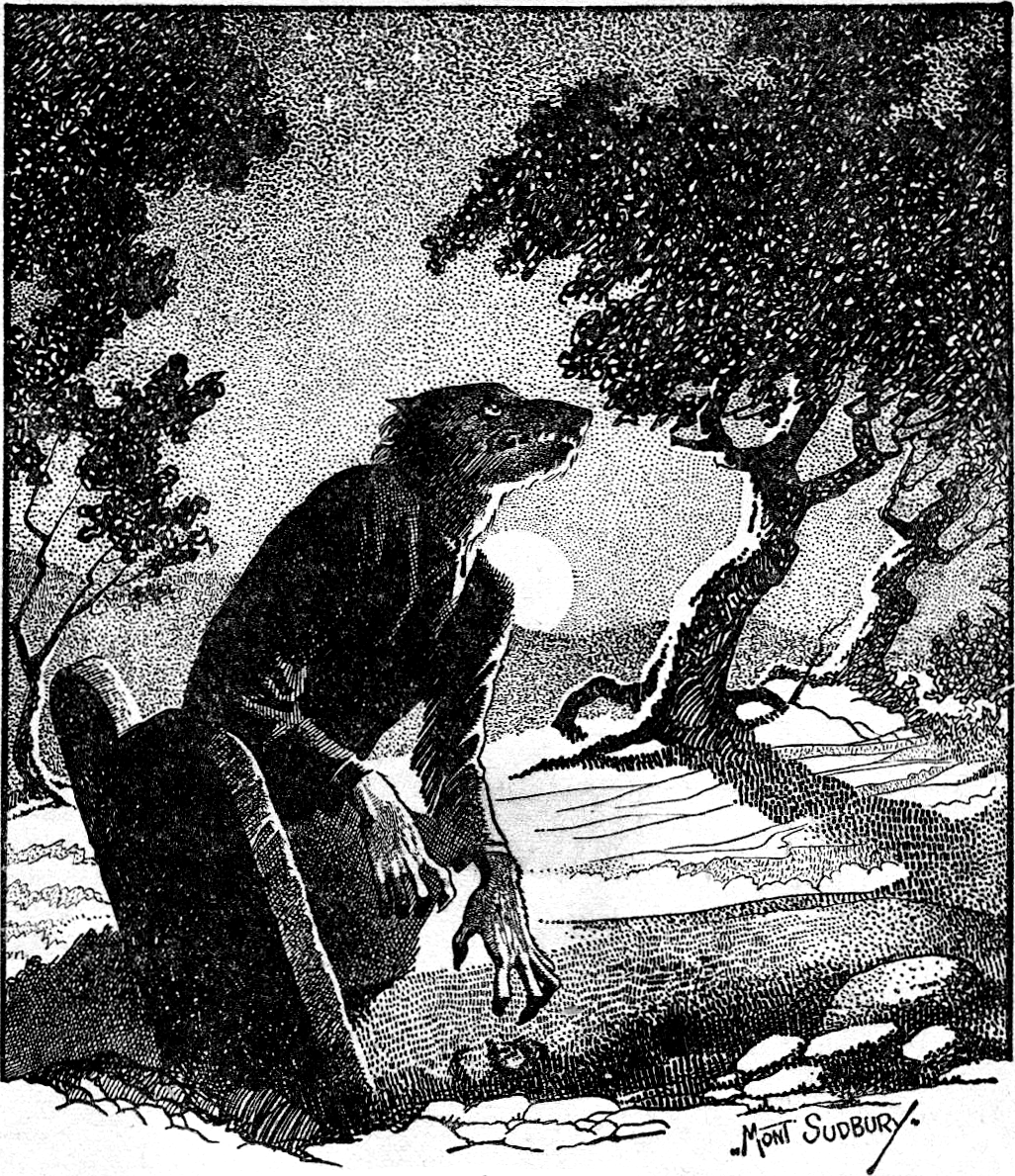 🇫🇷 France and 5 moreWerewolf
A mythical shapeshifter that turns into a wolf, central to European witch-hunts and Gothic horror.Being · Cursing and harm · Wonder and entertainment Legendary
🇫🇷 France and 5 moreWerewolf
A mythical shapeshifter that turns into a wolf, central to European witch-hunts and Gothic horror.Being · Cursing and harm · Wonder and entertainment Legendary
 🇪🇬 Egypt and 1 moreLilithלִילִית
A feminine figure from Mesopotamian and Jewish mythology, often depicted as a night demon or spirit.Being · Cursing and harm Legendary
🇪🇬 Egypt and 1 moreLilithלִילִית
A feminine figure from Mesopotamian and Jewish mythology, often depicted as a night demon or spirit.Being · Cursing and harm Legendary
 🇪🇬 EgyptCurse
A spoken wish for misfortune to befall a person or placeBelief · Cursing and harm · Luck and prosperity Historical
🇪🇬 EgyptCurse
A spoken wish for misfortune to befall a person or placeBelief · Cursing and harm · Luck and prosperity Historical