Spirits, creatures and beings
Djinn, fairies, orisha, golems and the other powers that magic deals with.
Beings are the powers that magic deals with: spirits, ancestors, gods, djinn, fairies, orisha, nats, kami, demons, golems, ghosts and the many kinds of household and landscape spirit. People in most cultures have described a world shared with unseen others, who may help, trouble or ask for respect. This page covers what these beings are said to be and the very different ways communities relate to them. They are always described here as what communities believe, not as established fact.
Different kinds of beings
A being can be a god with a priesthood, such as an orisha served in Yoruba religion, Cuba and Brazil. It can be an ancestor, honoured in China, Africa and Mexico. It can belong to a place, such as the kami of Shinto, the Thai phi or the Burmese nats. It can be a trouble-maker, like the djinn of Arabic and Islamic tradition, formed from smokeless fire, or the fairies of Ireland, whom people avoided naming.
Relationship, not command
In many traditions, a person does not command a being but enters a relationship with it, through offerings, promises and respect. Possession and mediumship are forms of that relationship, as in Vodou, Candomblé, Korean mudang rites and Sufi gatherings. In ceremonial magic of the European grimoires, by contrast, the magician summons spirits by name and authority, which the Church condemned as demon-raising. The same being may be loved in one household and feared in the next, and a spirit helpful to its servant can be harmful to a stranger.
Religions and renaming
Dominant religions often absorbed beings by relabelling them. Christian missionaries called many African and Indigenous spirits demons. Islam reads the djinn as real creatures, some of whom are Muslim, and Hindu and Buddhist traditions fold local deities into their own pantheons. Pagan and fairy beliefs were sometimes recast as the devil's work, which fed witch trials in Europe. Churches and mosques have sometimes divided beings into good and evil in ways the older traditions did not, so that a neutral local spirit became a demon on the day a missionary arrived.
Harm and interpretation
Belief in harmful spirits has been used to accuse people. Children in parts of West and Central Africa have been branded as witches possessed by evil spirits, and some have been abused by pastors or families in the name of deliverance. Scholars read spirit beliefs as ways to make sense of illness, loss and conflict, and many communities see them simply as neighbours. That is why accusations tied to spirit beliefs fall hardest on children and the vulnerable, and why many agencies train local leaders to challenge them.
Being on EveryJaadu
The entries written up so far, best known first.
 🇷🇸 Serbia and 5 moreVampire
An undead being from European folklore that feeds on the life force of the living.Being · Cursing and harm Legendary
 🇪🇬 Egypt and 1 moreSphinx
A composite creature of human head and lion body found in Egyptian and Greek mythBeing · Protection Legendary
 🇪🇬 Egypt and 1 moreLilithלִילִית
A feminine figure from Mesopotamian and Jewish mythology, often depicted as a night demon or spirit.Being · Cursing and harm Legendary
 🇨🇳 China and 2 moreXiezhi獬豸
A one-horned beast of Chinese legend that butts the guiltyBeing · Protection · Power and authority Legendary
 🇮🇩 IndonesiaRangdaᬭᬗ᭄ᬤ
A Balinese demon queen who leads witches in an eternal battle against good.Being · Cursing and harm · Wonder and entertainment Legendary
🇹🇿 TanzaniaPopobawa
A shapeshifting spirit of Zanzibar blamed for night attacks and mass panicBeing · Cursing and harm Legendary
 🇬🇧 United KingdomBrowniebrùnaidh
A nocturnal household spirit from Scottish folklore that performs chores in exchange for offerings.Being · Protection · Luck and prosperity Legendary
 🇪🇬 Egypt and 1 moreBehemothבְּהֵמוֹת
A primeval land-monster from the Book of Job and later Jewish legendBeing · Power and authority Legendary
 🇬🇧 United Kingdom and 1 moreEach-uisge
A fierce water spirit of the Scottish Highlands and Irish shores that takes the form of a horse.Being · Cursing and harm Legendary
🇬🇧 United KingdomBarghest
A mythical black dog from Northern England that foretells death and haunts the countryside.Being · Seeing and foretelling · Cursing and harm Legendary
 🇵🇪 Peru and 1 moreChullachaqui
A one-footed forest spirit of the Amazon that guards the jungle and lures humans with tricks.Being · Cursing and harm · Power and authority Legendary
 🇨🇳 ChinaZhang Guolao張果老
A Taoist immortal known for his white donkey and fish drum, said to be a bat spirit.Figure · Wonder and entertainment · Change and initiation Legendary
🇬🇧 United KingdomCŵn Annwn
Spectral hounds of the Welsh otherworld that hunt souls and signal deathBeing · Cursing and harm · Speaking with spirits and the dead Legendary
 🇮🇷 Iran and 5 moreParīپری
A winged being of Persian origin, linked to beauty and the spirit world across AsiaBeing · Love and attraction · Cursing and harm Legendary
 🇮🇷 Iran and 2 moreDivدیو
Monstrous creatures of Persian and West Asian lore, later adapted into Islamic and regional mythologiesBeing · Cursing and harm Legendary
 🇷🇺 Russia and 4 moreRusalkaрусалка
A water spirit of Slavic folklore, often linked to drowned women and seasonal ritesBeing · Cursing and harm · Luck and prosperity Legendary
 🇯🇵 JapanKappa河童
A river-dwelling yōkai known for its head dish and love of cucumbersBeing · Cursing and harm · Wonder and entertainment Legendary
🇮🇩 Indonesia and 2 moreKuntilanak
A vengeful female spirit of Indonesian and Malaysian folklore, known for luring victims with beauty before revealing a mBeing · Cursing and harm · Love and attraction Legendary
 🇵🇭 PhilippinesKapre
A tree giant of Philippine folklore that smokes cigars and plays pranks on travelersBeing · Wonder and entertainment Legendary
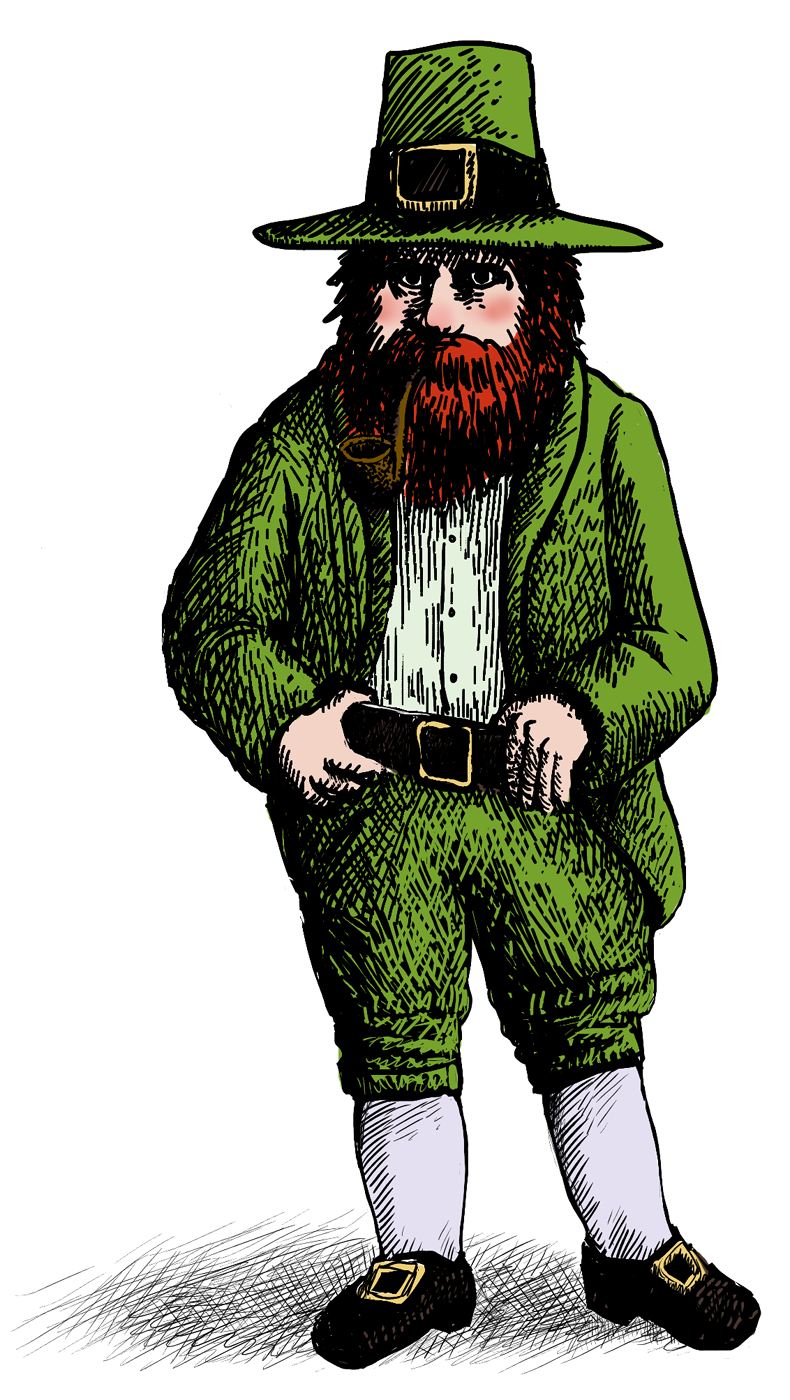 🇮🇪 Ireland and 1 moreLeprechaunlucharachán / leipreachán / luchorpán
A solitary Irish fairy known for mischief and shoe-makingBeing · Wonder and entertainment Legendary
🇭🇺 HungaryTáltos
A Hungarian mythic figure with supernatural powers who acts as a spiritual mediator.Being · Healing · Seeing and foretelling Legendary
 🇸🇪 Sweden and 2 moreFreyja
Norse goddess of love, war, and seiðr magic who rides a chariot pulled by catsBeing · Love and attraction · Seeing and foretelling Legendary
🇯🇵 JapanKuda-gitsune管狐 (kuda-gitsune)
A small spirit kept in a tube or sleeve, used by Japanese folk practitioners for divination and cursing.Being · Seeing and foretelling · Cursing and harm Legendary
🇦🇺 AustraliaMokoi
An evil spirit in Yolngu mythology that kills sorcerers and kidnaps childrenBeing · Cursing and harm Legendary
 🇳🇿 New ZealandPatupaiarehe
Pale-skinned forest spirits of Māori mythology who live in mist and mountainsBeing · Speaking with spirits and the dead Legendary
 🇧🇷 Brazil and 2 moreMapinguari
A hairy Amazonian monster with a belly mouth and backwards feetBeing · Cursing and harm Legendary
 🇨🇳 China and 1 moreYue Lao月下老人
The Chinese deity of marriage who binds destined couples with red cordsBeing · Love and attraction · Binding and oaths Legendary
🇯🇵 JapanJorōgumo絡新婦 (kanji), じょろうぐも (hiragana)
A shapeshifting spider yōkai of Japanese folklore that lures victims with human guise.Being · Cursing and harm Legendary
🇿🇦 South AfricaMamlambo
A South African river spirit linked to wealth and reported cryptid sightingsBeing · Luck and prosperity · Cursing and harm Legendary
 🇮🇪 Ireland and 5 moreFairy
A European spirit with magical powers and human form found in folklore and artBeing · Protection · Cursing and harm Legendary
🇯🇵 JapanIttan-momen一反木綿
A flying cloth yōkai from Japanese folklore that warns children to stay indoors at nightBeing · Cursing and harm Legendary
 🇨🇳 ChinaHundun混沌
A faceless being and the primordial void in Chinese cosmology and myth.Being · Wonder and entertainment Legendary
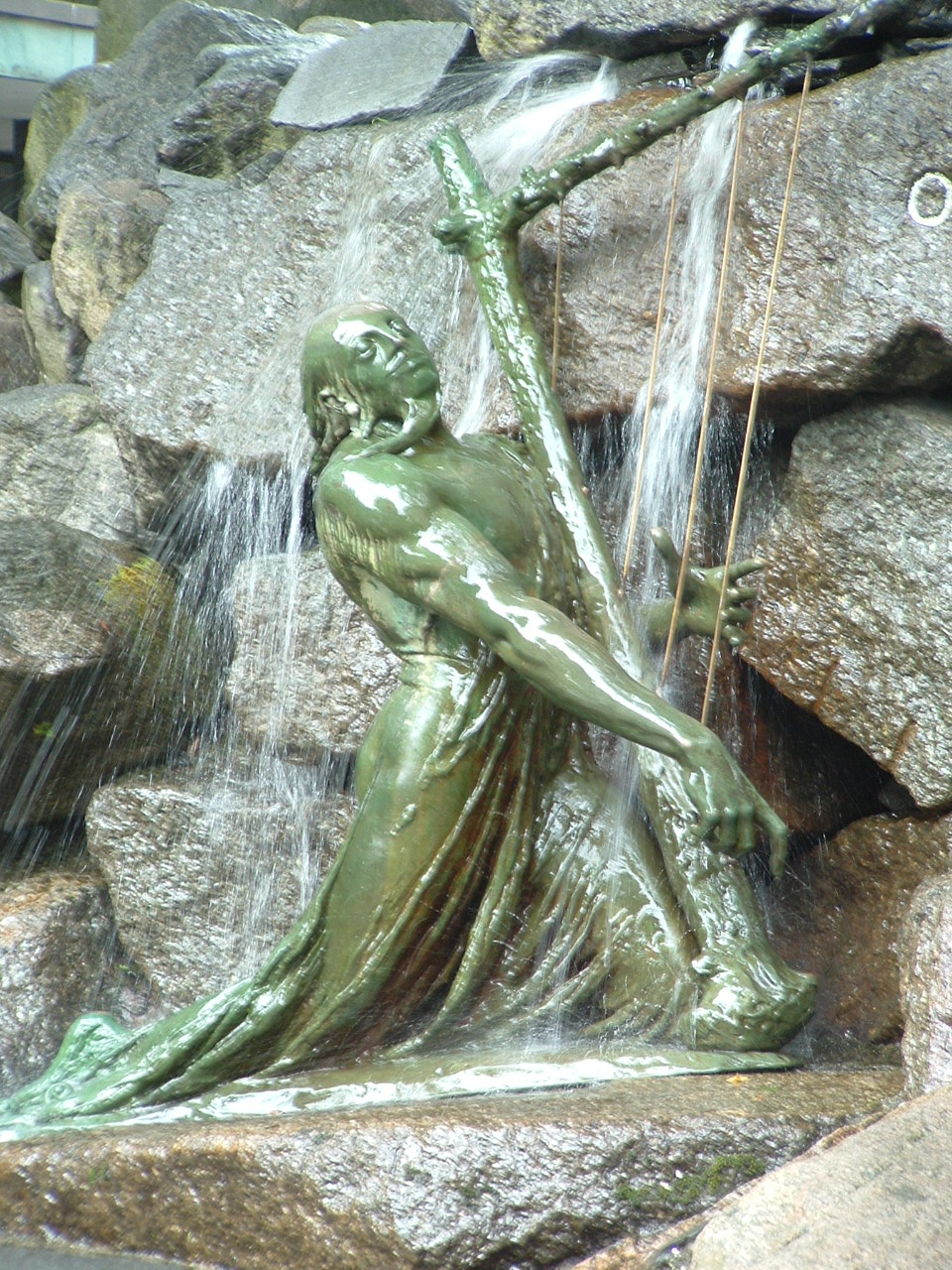 🇳🇴 Norway and 1 moreFossegrim
A Scandinavian water spirit known for teaching fiddle music in exchange for offeringsBeing · Power and authority Legendary
 🇨🇱 ChileTrauco
A short forest man of Chiloé whom islanders blame for unclaimed pregnanciesBeing · Love and attraction · Cursing and harm Legendary
 🇨🇳 China and 3 moreFenghuang鳳凰 (fènghuáng)
A mythological bird symbolizing virtue and imperial harmony in East Asian cultureBeing · Power and authority · Love and attraction Legendary
🇬🇧 United KingdomBlack dog
A spectral hound from English folklore that signals death or guards the living.Being · Cursing and harm · Protection Legendary
 🇿🇦 South AfricaInkanyamba
A storm serpent of South African folklore linked to tornadoes and river spiritsBeing · Cursing and harm · Power and authority Legendary
 🇷🇺 Russia and 3 moreLeshyлеший
A forest spirit from Slavic folklore who guards the woods and misleads travelers.Being · Protection · Cursing and harm Legendary
 🇮🇪 Ireland and 3 moreChangeling
A substitute left by supernatural beings in place of a stolen human child or adultBeing · Cursing and harm · Luck and prosperity Legendary
 🇮🇪 IrelandTuatha Dé Danann
A supernatural race in Irish mythology, later known as the fairy folk.Being · Power and authority Legendary
 🇮🇳 IndiaParashuramaपरशुराम (Paraśurāma)
The warrior sage of Hinduism who wields a divine axe to restore cosmic balance.Being · Power and authority · Cursing and harm Legendary
🇷🇸 Serbia and 1 moreDrekavacДрекавац
A South Slavic night creature born from unbaptised souls or sinnersBeing · Cursing and harm Legendary
 🇨🇳 ChinaLan Caihe藍采和
An ambiguous Taoist immortal known for a flower basket and wandering songsBeing · Wonder and entertainment Legendary
 🇬🇷 GreeceCirceΚίρκη
A Greek goddess and witch known for turning men into beasts with her potionsBeing · Cursing and harm · Love and attraction Legendary
🇲🇾 MalaysiaPelesit
A familiar spirit in Malay folklore, usually appearing as a cricket or grasshopperBeing · Speaking with spirits and the dead Legendary
 🇯🇵 JapanTengu天狗
Japanese mountain spirits that evolved from ominous birds into protective forest guardians.Being · Cursing and harm · Protection Legendary
🇬🇭 Ghana and 2 moreSasabonsam
A tree-dwelling creature of Akan folklore with iron teeth and bat-like wingsBeing · Cursing and harm Legendary
 🇷🇺 RussiaKikimoraКикимора
A female house spirit in Slavic folklore that reflects the state of a home.Being · Cursing and harm · Protection Legendary
Photo credits on this page
The small pictures above come from Wikimedia Commons under free licences. Some are cropped to fit.
- Patupaiarehe: Archives New Zealand, CC BY-SA 2.0, source
- Changeling: Henry Fuseli, Public domain, source
- Parashurama: Unknown author, Public domain, source
- Kikimora: Гиппиус Татьяна Николаевна (1877-1957), Public domain, source
- Rusalka: Andrey Shishkin, CC BY 3.0, source
- Trauco: Seo2 (Cristian), CC BY 2.0, source
- Vampire: Edvard Munch, Public domain, source
- Fenghuang: Supremo Editor, CC BY-SA 4.0, source
- Inkanyamba: Bjørn Christian Tørrissen, CC BY-SA 3.0, source
- Sphinx: Ipipipourax, CC BY-SA 3.0, source
- Tuatha Dé Danann: John Duncan, Public domain, source
- Lan Caihe: Internet Archive Book Images, No restrictions, source
- Circe: Wright Barker, Public domain, source
- Tengu: Katsushika Hokusai, Public domain, source
- Freyja: John Bauer, Public domain, source
- Philippine mythology: The original uploader was Rodsan18 at English Wikipedia . ( Original t, CC BY 2.5, source
- Mapinguari: Lauro Iyambae (@Aptix_4p0clix), CC0, source
- Yue Lao: 仔仔好帥, CC BY-SA 4.0, source
- Parī: Ismoon ( talk ) 22:26, 10 February 2013 (UTC), CC BY-SA 4.0, source
- Fairy: Henry Fuseli, Public domain, source
- Zhang Guolao: Hong Zicheng, Public domain, source
- Chullachaqui: LLs, CC BY-SA 4.0, source
- Fossegrim: Bjørn som tegner, CC BY-SA 3.0, source
- Kappa: Unknown author, CC0, source
- Leprechaun: Unknown author, FAL, source
- Lilith: Photographs by Ardon Bar Hama, author of original document is unknown., Public domain, source
- Rangda: Boy Lawson, CC BY-SA 3.0, source
- Div: Unknown Calligrapher, Public domain, source
- Each-uisge: John Allan, CC BY-SA 2.0, source
- Brownie: Unknown author, CC BY-SA 2.5, source
- Behemoth: Louis Le Breton, Public domain, source
- Hundun: Oldie~commonswiki, CC BY-SA 3.0, source
- Xiezhi: Carty239 at English Wikipedia, Public domain, source
- Leshy: Γραφέας, CC BY-SA 4.0, source