Speaking with spirits and the dead
Mediumship, ancestor rites, possession and the offerings made to the unseen.
Speaking with spirits and the dead is the aim of mediumship, ancestor rites, possession and necromancy. It runs from the spirit mediums of Korea and Brazil to Vodou possession, Chinese ancestor offerings, the Mexican Day of the Dead, Victorian spiritualism and the Witch of Endor of the Bible. It is a central practice in some living religions and a frequent target of fraud in others. This page covers who speaks to the dead and how they are judged.
Ways of contact
Methods differ. In possession, a spirit or deity is said to speak through the body of a medium, as in Vodou, Candomblé, Haitian and Brazilian rites, and in Korean gut. In trance or dream, a shaman travels to the spirit world. In offerings and festivals, families feed and talk to ancestors, as in the Hungry Ghost month in China and the ofrenda in Mexico. Spiritualism added the seance and the table-rapping of the 1840s.
Who may
In many societies, women lead: Korean mudang, Okinawan yuta, Brazilian mães de santo and the Western spiritualist mediums of the nineteenth century, who found in mediumship a public role denied elsewhere. Elsewhere, the role is for elders and ancestors' descendants. Some traditions require initiation, and some say contact with the dead is not for outsiders to attempt. Spirits and ancestors are not always friendly: mediums report angry, hungry or lost beings, and rites exist for settling them, such as offerings for neglected ancestors in China and Vietnam.
Authority and fear
Religions disagree. Christianity, Judaism and Islam each forbid certain contact with the dead while honouring prayer for them. Spiritist movements around Kardec in Brazil and France treat communication as a doctrine. Colonial authorities banned possession cults in many places, often labelling them devil worship, and some Pentecostal churches today condemn them in the same terms. The rites are widely found in Africa too, where ancestors are consulted at the family shrine and are held to watch over the living.
Fraud, grief and study
Grieving people are vulnerable. Fraudulent mediums, from the Fox sisters, who confessed in 1888, to modern cold readers, have taken money by exploiting loss. Researchers point to cold reading and to the ideomotor effect behind the Ouija board. Many bereaved people also report real comfort from rites that keep a bond with the dead, and counsellors acknowledge that continuing bonds are common. Doctors and psychologists note that a grief reaction can include hearing or sensing the dead, which is common and not in itself a sign of illness.
Speaking with spirits and the dead on EveryJaadu
The entries written up so far, best known first.
 🇷🇺 RussiaReindeer in Siberian shamanism
The role of reindeer as spirit helpers, ritual tools, and burial vehicles in the shamanic traditions of Northern AsiaTradition · Healing · Speaking with spirits and the dead Living
🇵🇰 PakistanShamanism in Pakistan
A shamanic tradition of the Hunza region where spirit guides select healers who enter trance states through music and riTradition · Seeing and foretelling · Speaking with spirits and the dead Living
🇮🇩 IndonesiaIndonesian numismatic charmUang Gobog
Coin-like amulets from Indonesia used for protection and ritual offerings.Charm · Protection · Luck and prosperity Living
🇷🇺 RussiaReindeer in Siberian shamanism
The role of reindeer as spirit helpers, ritual tools, and burial vehicles in the shamanic traditions of Northern AsiaTradition · Healing · Speaking with spirits and the dead Living
🇵🇰 PakistanShamanism in Pakistan
A shamanic tradition of the Hunza region where spirit guides select healers who enter trance states through music and riTradition · Seeing and foretelling · Speaking with spirits and the dead Living
🇮🇩 IndonesiaIndonesian numismatic charmUang Gobog
Coin-like amulets from Indonesia used for protection and ritual offerings.Charm · Protection · Luck and prosperity Living
 🇨🇳 China and 5 moreRegional forms of shamanism
A global overview of indigenous spirit-interaction practices across Asia and the Americas.Tradition · Healing · Speaking with spirits and the dead Living
🇨🇳 China and 5 moreRegional forms of shamanism
A global overview of indigenous spirit-interaction practices across Asia and the Americas.Tradition · Healing · Speaking with spirits and the dead Living
 🇹🇹 Trinidad and Tobago and 4 moreTrinidad Orisha
A syncretic Afro-Caribbean faith blending Yoruba spirit work with Christian and other traditions in Trinidad.Tradition · Speaking with spirits and the dead · Healing Living
🇹🇹 Trinidad and Tobago and 4 moreTrinidad Orisha
A syncretic Afro-Caribbean faith blending Yoruba spirit work with Christian and other traditions in Trinidad.Tradition · Speaking with spirits and the dead · Healing Living
 🇻🇳 Vietnam and 2 moreVietnamese numismatic charmsBùa Việt Nam
Coin-shaped charms used for protection, luck, and ritual in Vietnamese cultureCharm · Protection · Luck and prosperity Historical
🇯🇲 Jamaica and 2 moreKromanti
A ritual language spoken by ancestral spirits in Jamaican Maroon ceremoniesBelief · Speaking with spirits and the dead Living
🇻🇳 Vietnam and 2 moreVietnamese numismatic charmsBùa Việt Nam
Coin-shaped charms used for protection, luck, and ritual in Vietnamese cultureCharm · Protection · Luck and prosperity Historical
🇯🇲 Jamaica and 2 moreKromanti
A ritual language spoken by ancestral spirits in Jamaican Maroon ceremoniesBelief · Speaking with spirits and the dead Living
 🇨🇺 Cuba and 1 moreHaitian Vodou in CubaVodú Haitiano
A Caribbean religious tradition brought by migrants and maintained in eastern CubaTradition · Speaking with spirits and the dead · Protection Living
🇨🇺 Cuba and 1 moreHaitian Vodou in CubaVodú Haitiano
A Caribbean religious tradition brought by migrants and maintained in eastern CubaTradition · Speaking with spirits and the dead · Protection Living
 🇮🇹 Italy and 2 moreHaruspicy
Reading animal entrails to discern divine will and omensRite · Seeing and foretelling · Speaking with spirits and the dead Historical
🇮🇳 IndiaVelichappaduവെളിച്ചപ്പാട്
A Hindu temple oracle in Kerala who channels deities through trance and danceBeing · Seeing and foretelling · Speaking with spirits and the dead Living
🇮🇹 Italy and 2 moreHaruspicy
Reading animal entrails to discern divine will and omensRite · Seeing and foretelling · Speaking with spirits and the dead Historical
🇮🇳 IndiaVelichappaduവെളിച്ചപ്പാട്
A Hindu temple oracle in Kerala who channels deities through trance and danceBeing · Seeing and foretelling · Speaking with spirits and the dead Living
 🇨🇳 China and 2 moreBuddhist coin charm佛教品壓勝錢
Amulets shaped like coins that bear Buddhist symbols and prayers for protection.Charm · Protection · Luck and prosperity Historical
🇬🇷 GreeceAornumἌορνον
A Greek cave oracle said to be a gateway to the underworldOracle · Speaking with spirits and the dead Historical
🇨🇳 China and 2 moreBuddhist coin charm佛教品壓勝錢
Amulets shaped like coins that bear Buddhist symbols and prayers for protection.Charm · Protection · Luck and prosperity Historical
🇬🇷 GreeceAornumἌορνον
A Greek cave oracle said to be a gateway to the underworldOracle · Speaking with spirits and the dead Historical
 🇯🇵 JapanChinkon kishin鎮魂帰神
A Japanese spiritual practice combining soul calming with spirit possessionRite · Speaking with spirits and the dead · Healing Living
🇯🇵 JapanMisaki御先
Japanese spirit-like entities that serve gods or possess humans with illness and calamityBeing · Cursing and harm · Speaking with spirits and the dead Living
🇮🇳 IndiaApeswari sabha
An Assamese healing rite where village women invoke a goddess to cure illnessRite · Healing · Speaking with spirits and the dead Living
🇯🇵 JapanChinkon kishin鎮魂帰神
A Japanese spiritual practice combining soul calming with spirit possessionRite · Speaking with spirits and the dead · Healing Living
🇯🇵 JapanMisaki御先
Japanese spirit-like entities that serve gods or possess humans with illness and calamityBeing · Cursing and harm · Speaking with spirits and the dead Living
🇮🇳 IndiaApeswari sabha
An Assamese healing rite where village women invoke a goddess to cure illnessRite · Healing · Speaking with spirits and the dead Living
 🇨🇳 China and 1 moreShamanism in the Qing dynasty
State-managed rituals of the Manchu rulers and their shamansTradition · Protection · Healing Historical
🇨🇳 China and 1 moreShamanism in the Qing dynasty
State-managed rituals of the Manchu rulers and their shamansTradition · Protection · Healing Historical
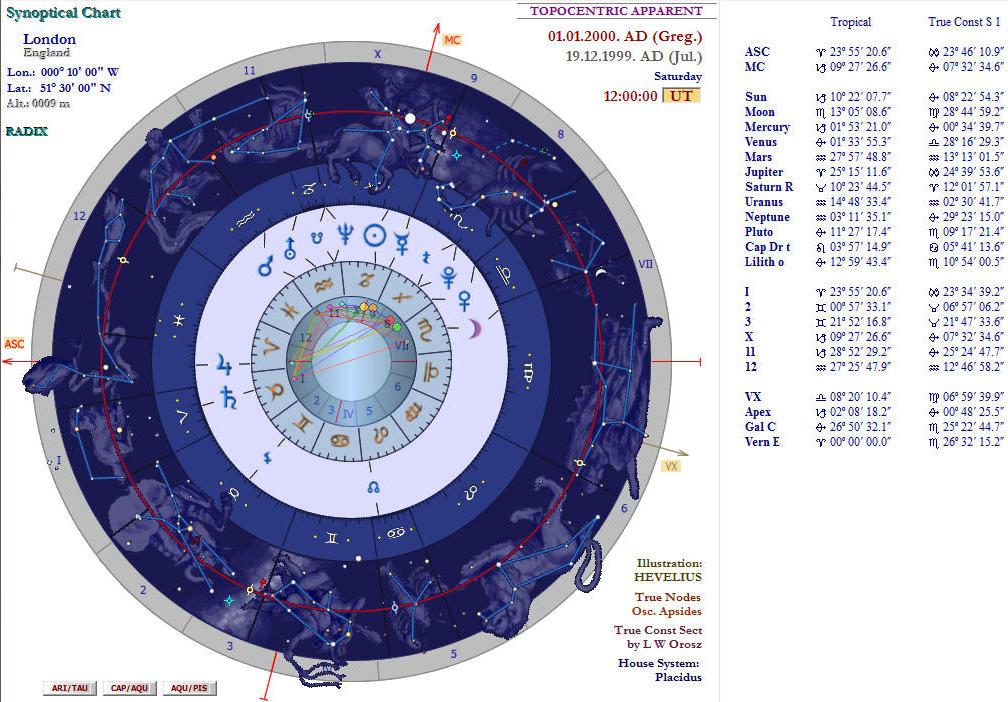 🇮🇳 IndiaSynoptical astrology
An astrological system that overlays tropical, sidereal and constellational zodiacsText · Seeing and foretelling · Speaking with spirits and the dead Historical
🇮🇳 IndiaSynoptical astrology
An astrological system that overlays tropical, sidereal and constellational zodiacsText · Seeing and foretelling · Speaking with spirits and the dead Historical
 🇮🇱 Israel and 4 moreAngelמלאך
A supernatural messenger or intermediary spirit found in many religious traditions.Being · Speaking with spirits and the dead · Protection Living
🇮🇱 Israel and 4 moreAngelמלאך
A supernatural messenger or intermediary spirit found in many religious traditions.Being · Speaking with spirits and the dead · Protection Living
 🇮🇶 Iraq and 1 moreTawûsî Melekتاوسی مەلەک
The central angel of Yazidism, known as the Peacock Angel and leader of the Seven Mysteries.Being · Power and authority · Speaking with spirits and the dead Living
🇬🇷 GreeceEmpusaἜμπουσα
A shape-shifting phantom of Greek myth with a single brass leg, sent by Hecate to seduce and devour young men.Being · Cursing and harm · Speaking with spirits and the dead Legendary
🇮🇷 Iran and 2 moreYazata𐬫𐬀𐬰𐬀𐬙𐬀
A Zoroastrian term for divine beings worthy of worship and venerationBeing · Speaking with spirits and the dead · Power and authority Historical
🇮🇶 Iraq and 1 moreTawûsî Melekتاوسی مەلەک
The central angel of Yazidism, known as the Peacock Angel and leader of the Seven Mysteries.Being · Power and authority · Speaking with spirits and the dead Living
🇬🇷 GreeceEmpusaἜμπουσα
A shape-shifting phantom of Greek myth with a single brass leg, sent by Hecate to seduce and devour young men.Being · Cursing and harm · Speaking with spirits and the dead Legendary
🇮🇷 Iran and 2 moreYazata𐬫𐬀𐬰𐬀𐬙𐬀
A Zoroastrian term for divine beings worthy of worship and venerationBeing · Speaking with spirits and the dead · Power and authority Historical
 🇮🇷 IranFravashi
A personal spirit in Zoroastrian belief that guides the living and protects the dead.Being · Protection · Speaking with spirits and the dead Living
🇮🇷 IranFravashi
A personal spirit in Zoroastrian belief that guides the living and protects the dead.Being · Protection · Speaking with spirits and the dead Living
 🇺🇸 United States and 2 moreBlack Hebrew Israelites
A religious movement claiming African Americans are descendants of ancient IsraelitesTradition · Speaking with spirits and the dead Living
🇺🇸 United States and 2 moreBlack Hebrew Israelites
A religious movement claiming African Americans are descendants of ancient IsraelitesTradition · Speaking with spirits and the dead Living
 🇯🇵 Japan and 4 moreHousehold deity
A spirit or minor god believed to guard a home and its family members.Being · Protection · Speaking with spirits and the dead Historical
🇺🇸 United StatesFive-Percent Nation
A New York movement teaching that Black people are the original gods and earth of civilizationTradition · Power and authority · Speaking with spirits and the dead Living
🇯🇵 Japan and 4 moreHousehold deity
A spirit or minor god believed to guard a home and its family members.Being · Protection · Speaking with spirits and the dead Historical
🇺🇸 United StatesFive-Percent Nation
A New York movement teaching that Black people are the original gods and earth of civilizationTradition · Power and authority · Speaking with spirits and the dead Living
 🇪🇬 EgyptAeonαἰών
Emanations of the divine source in Gnostic cosmologyBeing · Speaking with spirits and the dead Historical
🇪🇬 EgyptAeonαἰών
Emanations of the divine source in Gnostic cosmologyBeing · Speaking with spirits and the dead Historical
 🇺🇸 United StatesAshtar
A channeled extraterrestrial figure central to mid-century American ufology and New Age spiritualityBeing · Speaking with spirits and the dead · Seeing and foretelling Living
🇷🇺 Russia and 4 moreIriyВырай
A mythical Slavic realm where souls and birds gather for the winterBelief · Speaking with spirits and the dead Legendary
🇺🇸 United StatesAshtar
A channeled extraterrestrial figure central to mid-century American ufology and New Age spiritualityBeing · Speaking with spirits and the dead · Seeing and foretelling Living
🇷🇺 Russia and 4 moreIriyВырай
A mythical Slavic realm where souls and birds gather for the winterBelief · Speaking with spirits and the dead Legendary
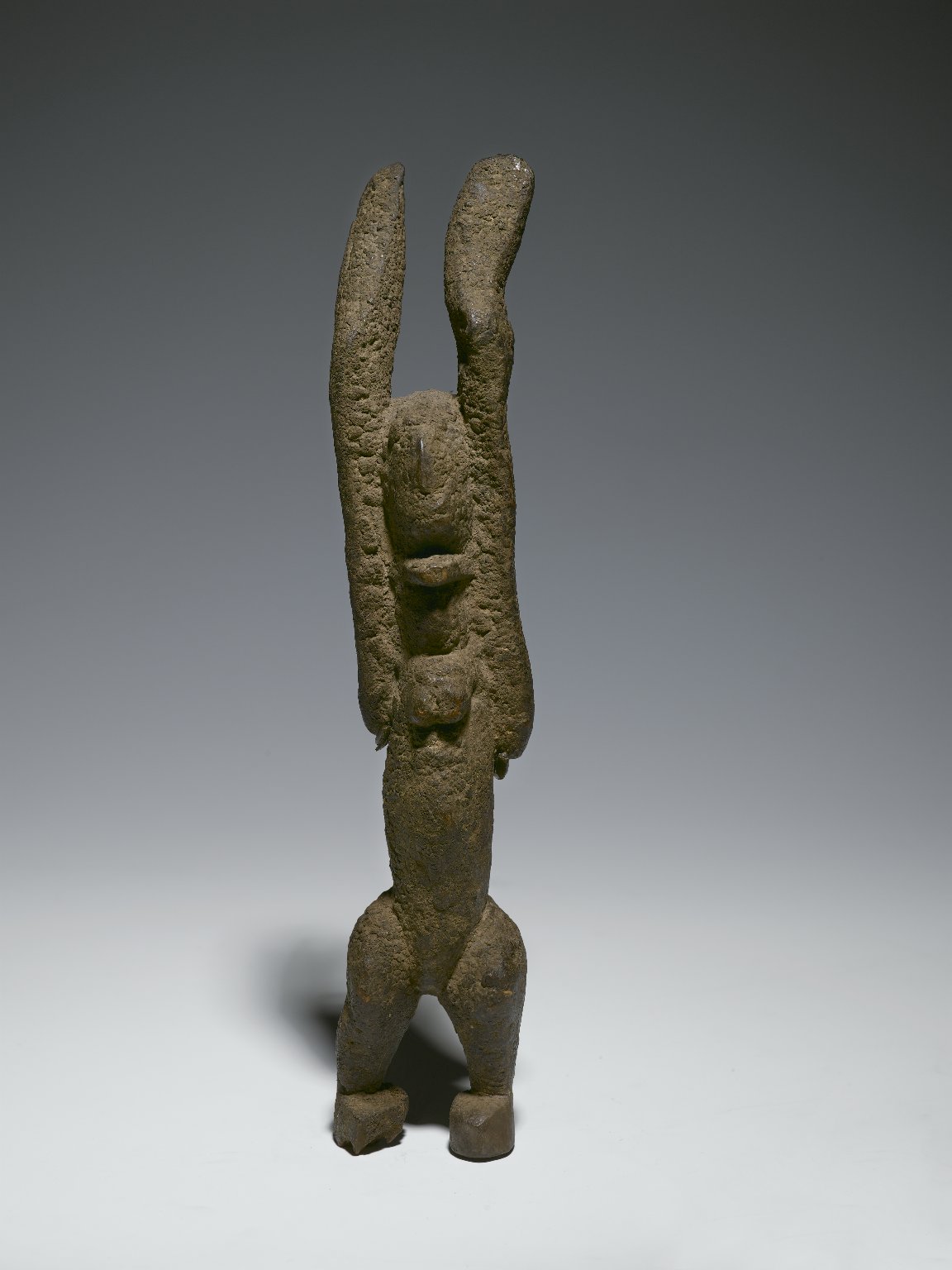 🇲🇱 MaliNommo
Primordial water spirits in Dogon cosmology from MaliBeing · Speaking with spirits and the dead Legendary
🇲🇱 MaliNommo
Primordial water spirits in Dogon cosmology from MaliBeing · Speaking with spirits and the dead Legendary
 🇷🇺 Russia and 5 moreRinging Cedars' Anastasianismдвижение «Анастасия»
A Russian new religious movement based on books about a Siberian mystic and nature worshipTradition · Protection · Speaking with spirits and the dead Living
🇷🇺 Russia and 5 moreRinging Cedars' Anastasianismдвижение «Анастасия»
A Russian new religious movement based on books about a Siberian mystic and nature worshipTradition · Protection · Speaking with spirits and the dead Living
 🇨🇳 China and 1 moreNuo folk religion傩 (Nuó)
A Chinese exorcistic tradition using wooden masks and ancestor worship to drive away malevolent forcesTradition · Protection · Speaking with spirits and the dead Living
🇮🇳 India and 5 moreWestern Sufism
Adaptations of Islamic mysticism in Europe and North AmericaTradition · Speaking with spirits and the dead · Power and authority Living
🇦🇺 AustraliaDaramulum
A one-legged sky hero of south-east Aboriginal culturesBeing · Speaking with spirits and the dead Living
🇮🇪 IrelandFellowship of Isis𓊨𓏏𓁐𓌞𓋴𓅱𓂻𓏥
An international spiritual fellowship honouring the Divine Feminine and the goddess IsisTradition · Speaking with spirits and the dead · Change and initiation Living
🇨🇳 China and 1 moreNuo folk religion傩 (Nuó)
A Chinese exorcistic tradition using wooden masks and ancestor worship to drive away malevolent forcesTradition · Protection · Speaking with spirits and the dead Living
🇮🇳 India and 5 moreWestern Sufism
Adaptations of Islamic mysticism in Europe and North AmericaTradition · Speaking with spirits and the dead · Power and authority Living
🇦🇺 AustraliaDaramulum
A one-legged sky hero of south-east Aboriginal culturesBeing · Speaking with spirits and the dead Living
🇮🇪 IrelandFellowship of Isis𓊨𓏏𓁐𓌞𓋴𓅱𓂻𓏥
An international spiritual fellowship honouring the Divine Feminine and the goddess IsisTradition · Speaking with spirits and the dead · Change and initiation Living
 🇰🇪 Kenya and 5 moreLegio Maria
A Kenyan church blending Catholic rites with beliefs in a Black Christ and visionary apparitionsTradition · Protection · Healing Living
🇰🇪 Kenya and 5 moreLegio Maria
A Kenyan church blending Catholic rites with beliefs in a Black Christ and visionary apparitionsTradition · Protection · Healing Living
 🇲🇽 MexicoWerejaguar
A supernatural figure from Olmec art, blending human and jaguar traits.Being · Power and authority · Speaking with spirits and the dead Legendary
🇷🇺 Russia and 3 moreYehowistsильинцы
A Russian Spiritual Christian group founded by Nikolai Ilyin in the 1840sTradition · Protection · Speaking with spirits and the dead Living
🇲🇽 MexicoWerejaguar
A supernatural figure from Olmec art, blending human and jaguar traits.Being · Power and authority · Speaking with spirits and the dead Legendary
🇷🇺 Russia and 3 moreYehowistsильинцы
A Russian Spiritual Christian group founded by Nikolai Ilyin in the 1840sTradition · Protection · Speaking with spirits and the dead Living
 🇺🇸 United States and 5 moreSpiritualist church
A worship service led by a medium to communicate with the deceasedTradition · Speaking with spirits and the dead · Healing Living
🇨🇳 ChinaPanhu盤瓠
A dragon-dog origin myth of the Yao and She peoples in ChinaFigure · Speaking with spirits and the dead Legendary
🇱🇨 Saint Lucia and 1 moreKélé
An Afro-Saint Lucian faith rooted in Yoruba traditions and secret practiceTradition · Speaking with spirits and the dead · Power and authority Living
🇰🇷 South KoreaSuunism수운교
A Korean ethnic religion focused on the Great Jade Emperor of Heaven and spiritual reconnection.Tradition · Speaking with spirits and the dead · Change and initiation Living
🇫🇮 Finland and 2 moreHaltija
A supernatural guardian of a specific place or animal species in Finnish and Baltic Finnic mythologyBeing · Protection · Speaking with spirits and the dead Historical
🇺🇸 United States and 5 moreSpiritualist church
A worship service led by a medium to communicate with the deceasedTradition · Speaking with spirits and the dead · Healing Living
🇨🇳 ChinaPanhu盤瓠
A dragon-dog origin myth of the Yao and She peoples in ChinaFigure · Speaking with spirits and the dead Legendary
🇱🇨 Saint Lucia and 1 moreKélé
An Afro-Saint Lucian faith rooted in Yoruba traditions and secret practiceTradition · Speaking with spirits and the dead · Power and authority Living
🇰🇷 South KoreaSuunism수운교
A Korean ethnic religion focused on the Great Jade Emperor of Heaven and spiritual reconnection.Tradition · Speaking with spirits and the dead · Change and initiation Living
🇫🇮 Finland and 2 moreHaltija
A supernatural guardian of a specific place or animal species in Finnish and Baltic Finnic mythologyBeing · Protection · Speaking with spirits and the dead Historical
 🇬🇷 Greece and 1 moreMinoan Genius
A composite creature from Bronze Age Crete, often shown as a libation bearer or sacrificial attendant.Being · Protection · Speaking with spirits and the dead Legendary
🇬🇷 Greece and 1 moreMinoan Genius
A composite creature from Bronze Age Crete, often shown as a libation bearer or sacrificial attendant.Being · Protection · Speaking with spirits and the dead Legendary
 🇹🇷 TurkeyKhirqaخرقه
An initiatory cloak in Sufism that passes spiritual lineage and blessings from teacher to student.Tradition · Speaking with spirits and the dead · Power and authority Living
🇹🇷 TurkeyKhirqaخرقه
An initiatory cloak in Sufism that passes spiritual lineage and blessings from teacher to student.Tradition · Speaking with spirits and the dead · Power and authority Living
 🇩🇿 AlgeriaHezzabحزّاب
A Quran reciter who leads daily collective chanting in Algerian mosques.Tradition · Speaking with spirits and the dead Living
🇩🇿 AlgeriaHezzabحزّاب
A Quran reciter who leads daily collective chanting in Algerian mosques.Tradition · Speaking with spirits and the dead Living
 🇪🇸 Spain and 2 moreHoly ChaliceSanto Cáliz
A cup believed to have held the blood of Jesus at the Last SupperCharm · Speaking with spirits and the dead · Power and authority Living
🇬🇷 GreeceSoterΣωτήρ
A Greek daimon of safety and deliverance from harmBeing · Protection · Speaking with spirits and the dead Legendary
🇪🇸 Spain and 2 moreHoly ChaliceSanto Cáliz
A cup believed to have held the blood of Jesus at the Last SupperCharm · Speaking with spirits and the dead · Power and authority Living
🇬🇷 GreeceSoterΣωτήρ
A Greek daimon of safety and deliverance from harmBeing · Protection · Speaking with spirits and the dead Legendary
Photo credits on this page
The small pictures above come from Wikimedia Commons under free licences. Some are cropped to fit.
- Chinkon kishin: Tomokiyo Yoshisane (友清歓真), also known as Tomokiyo Kyūgo (友清九吾), Public domain, source
- Egungun: Ìṣẹ̀ṣeAssembly, CC BY-SA 4.0, source
- Haruspicy: Lokilech, CC BY-SA 3.0, source
- Dogon religion: Unknown author, CC BY 3.0, source
- Haitian Vodou in Cuba: Dr. Anthony R. Picciolo, NOAA NODC, Public domain, source
- Buddhist coin charm: Scott Semans, CC BY 3.0, source
- Synoptical astrology: Constellarius, CC BY-SA 3.0, source
- Shamanism in the Qing dynasty: A nineteenth-century team of editors., Public domain, source
- Vietnamese numismatic charms: Jean-Michel Moullec, CC BY 2.0, source
- Tawûsî Melek: Bernd Schwabe in Hannover, CC BY 3.0, source
- Fravashi: Hooman Mallahzadeh, CC BY-SA 4.0, source
- Black Hebrew Israelites: Elvert Barnes, CC BY-SA 2.0, source
- Angel: Unknown author, CC0, source
- Aeon: Jacques Matter, Public domain, source
- Ashtar: Evedawn99, Public domain, source
- Nuo folk religion: Wikiwikiyarou, CC BY-SA 3.0, source
- Spiritualist church: Jim.henderson, CC0, source
- Werejaguar: Ruben Charles, ( http://www.rubencharles.com ), CC BY 2.0, source
- Khirqa: Unknown author, CC0, source
- Hezzab: Elph, Public domain, source
- Legio Maria: Comondi, CC BY-SA 4.0, source
- Ringing Cedars' Anastasianism: Лобачев Владимир, CC BY-SA 3.0, source
- Reindeer in Siberian shamanism: Unknown author, Public domain, source
- Regional forms of shamanism: Man Sing, Public domain, source
- Household deity: Claus Ableiter, CC BY-SA 3.0, source
- Holy Chalice: Vitold Muratov, CC BY-SA 3.0, source
- Minoan Genius: Zde, CC BY-SA 3.0, source