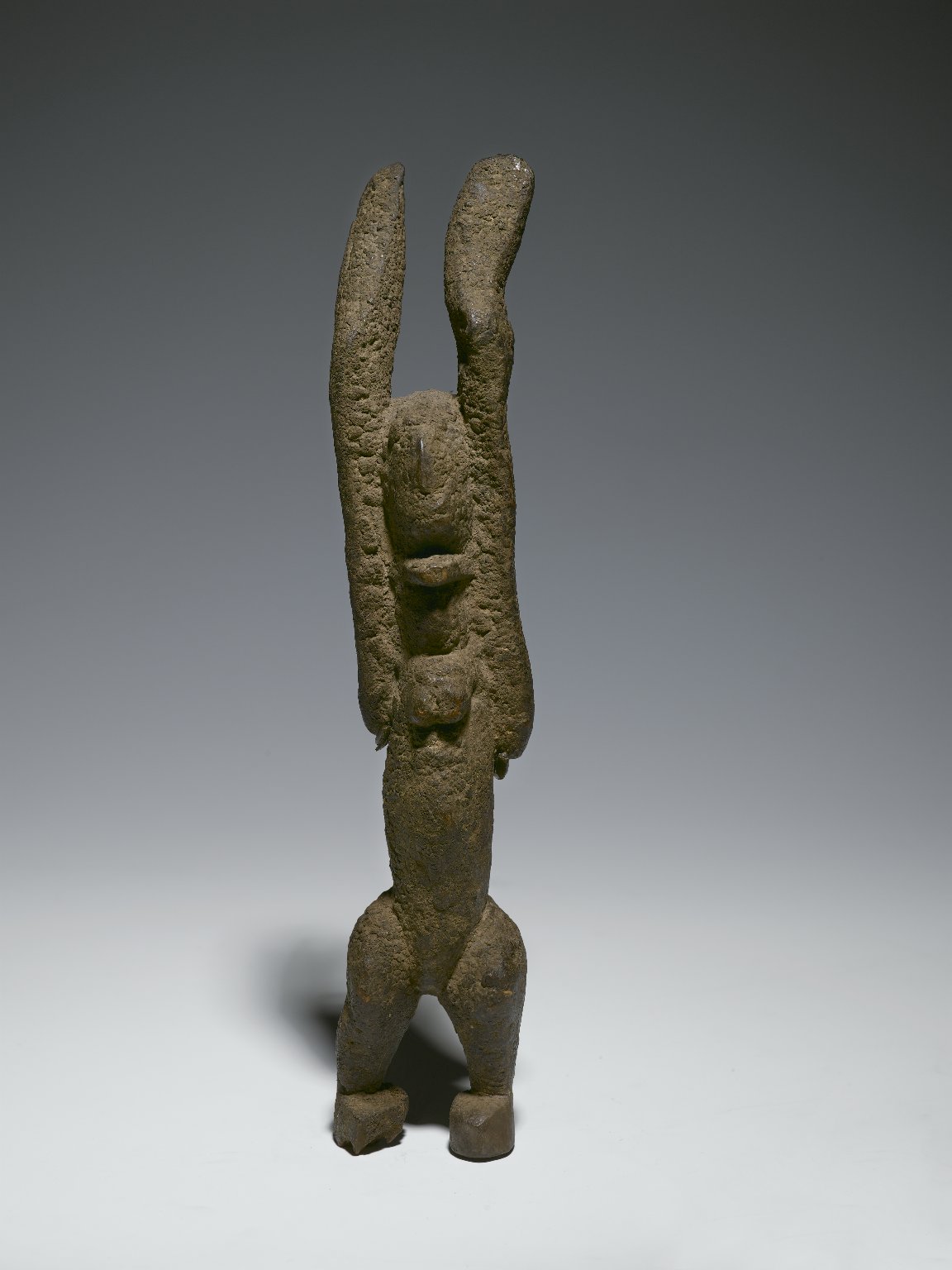
Nommo
from a Dogon word meaning "to make one drink"
Primordial water spirits in Dogon cosmology from Mali
The Nommo are ancestral beings in the Dogon religion of Mali. They are described as amphibious entities linked to water and creation.
- Named after a Dogon word for drinking
- Created first by sky god Amma
- Linked to the star Sirius in myths
- Depicted as amphibious hermaphrodites
- Origin of the first Hogon leader
What it is
The Nommo are primordial ancestral spirits within the Dogon religion of Mali. These beings are often called Nummo or referred to as Masters of the Water. They are depicted as hermaphroditic creatures with fish-like lower bodies and human upper torsos. The term can name a single entity or the entire group. They serve as foundational figures in Dogon cosmogony and are venerated by the local community.
Where it comes from
Dogon mythology states that the sky god Amma created Nommo as the first living being. This being later transformed into four pairs of twins. One twin rebelled against the cosmic order. To restore balance, Amma sacrificed another progeny. The dismembered body parts scattered across the universe became the basis for Binu shrines wherever they landed. This act established the spiritual landscape of the Dogon people.
Nommo, drawn and placed
- Living
- Revived
- Fading
- Historical
- Legendary
- Performed
- Lineage
- Dogon religion
At a glance: who, where and when
Peoples
What people believe
The Nommo originated from a world circling Sirius. They arrived in a vessel with fire and thunder, creating a water reservoir before diving in. They require a watery environment to live. Myths describe them dividing their bodies to feed humanity, giving life principles to humans through drinking. They are also considered the origin of the first Hogon, the spiritual leader of the Dogon.
How scholars and sceptics see it
French anthropologists Marcel Griaule and Germaine Dieterlen recorded secret mythologies in the 1940s linking the Nommo to Sirius. Walter van Beek criticized this, claiming the Dogon learned about Sirius from Griaule himself due to leading questions. Carl Sagan noted the Dogon had ample opportunity to gain astronomical knowledge from modern societies. Critics attribute the Sirius connection to cultural contamination or over-interpretation rather than ancient advanced knowledge.
Questions people ask about Nommo
What are the Nommo?
They are primordial ancestral spirits in the Dogon religion of Mali. They are described as amphibious, hermaphroditic beings linked to water and creation.
Where do the Nommo come from?
Myth says the sky god Amma created Nommo as the first living creature. He later multiplied into twins and his body was scattered to create shrines.
Are the Nommo connected to stars?
Some Dogon myths say they lived on a world circling Sirius. Scholars debate if this is ancient knowledge or influenced by modern astronomy.
What does the name mean?
The word comes from a Dogon term meaning "to make one drink." It reflects their role in giving life principles to humans through drinking.
Good reading and sources
The facts on this page come from the Wikipedia article "Nommo", written by its contributors and used under the CC BY-SA 4.0 licence, and from its Wikidata record (CC0). EveryJaadu rewrote the text in its own words, with AI assistance, and compares every page with the article to make sure no passage is copied. It may be reused under the same CC BY-SA 4.0 licence with a link back.
It may contain mistakes. Names and customs differ from one community to the next, and some knowledge is closed to outsiders and left out here. This page describes belief and practice. It does not say that any of it works, it is not a how-to, and it is not medical advice. If something is wrong, tell us. Last refreshed 2026-10-06.
More from Mali
All the entries from Mali 🇸🇳 Senegal and 5 moreMaraboutmurābiṭ
A Muslim religious leader and teacher in West Africa, often linked to Sufi brotherhoods.Tradition · Protection · Speaking with spirits and the dead Living
🇲🇱 MaliDogon religion
The traditional spiritual beliefs of the Dogon people of MaliTradition · Protection · Speaking with spirits and the dead Living
🇸🇳 Senegal and 5 moreMaraboutmurābiṭ
A Muslim religious leader and teacher in West Africa, often linked to Sufi brotherhoods.Tradition · Protection · Speaking with spirits and the dead Living
🇲🇱 MaliDogon religion
The traditional spiritual beliefs of the Dogon people of MaliTradition · Protection · Speaking with spirits and the dead Living
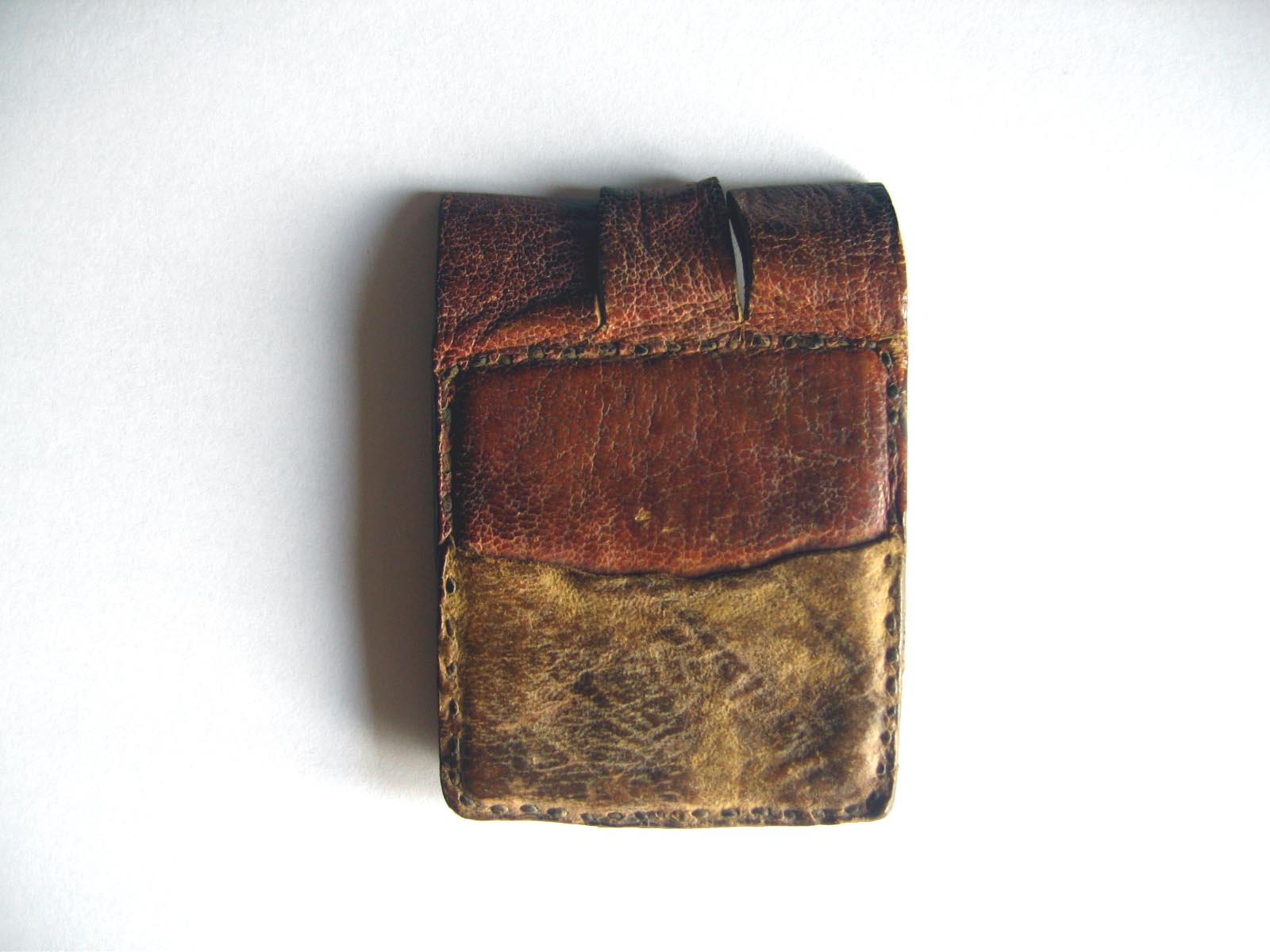 🇲🇱 Mali and 3 moreGris-gris
A small pouch or charm from West Africa used for protection and luck.Charm · Protection · Luck and prosperity Living
🇬🇭 Ghana and 4 moreSpirit children
A Ghanaian belief that disabled children are harmful spirits requiring ritual treatment or deathBelief · Cursing and harm Fading
🇲🇱 Mali and 3 moreGris-gris
A small pouch or charm from West Africa used for protection and luck.Charm · Protection · Luck and prosperity Living
🇬🇭 Ghana and 4 moreSpirit children
A Ghanaian belief that disabled children are harmful spirits requiring ritual treatment or deathBelief · Cursing and harm Fading
Related elsewhere
All being 🇮🇳 IndiaChakraचक्र
Meditation points in the subtle body used in Hindu and Buddhist yogaTradition · Speaking with spirits and the dead · Change and initiation Living
🇮🇳 IndiaChakraचक्र
Meditation points in the subtle body used in Hindu and Buddhist yogaTradition · Speaking with spirits and the dead · Change and initiation Living
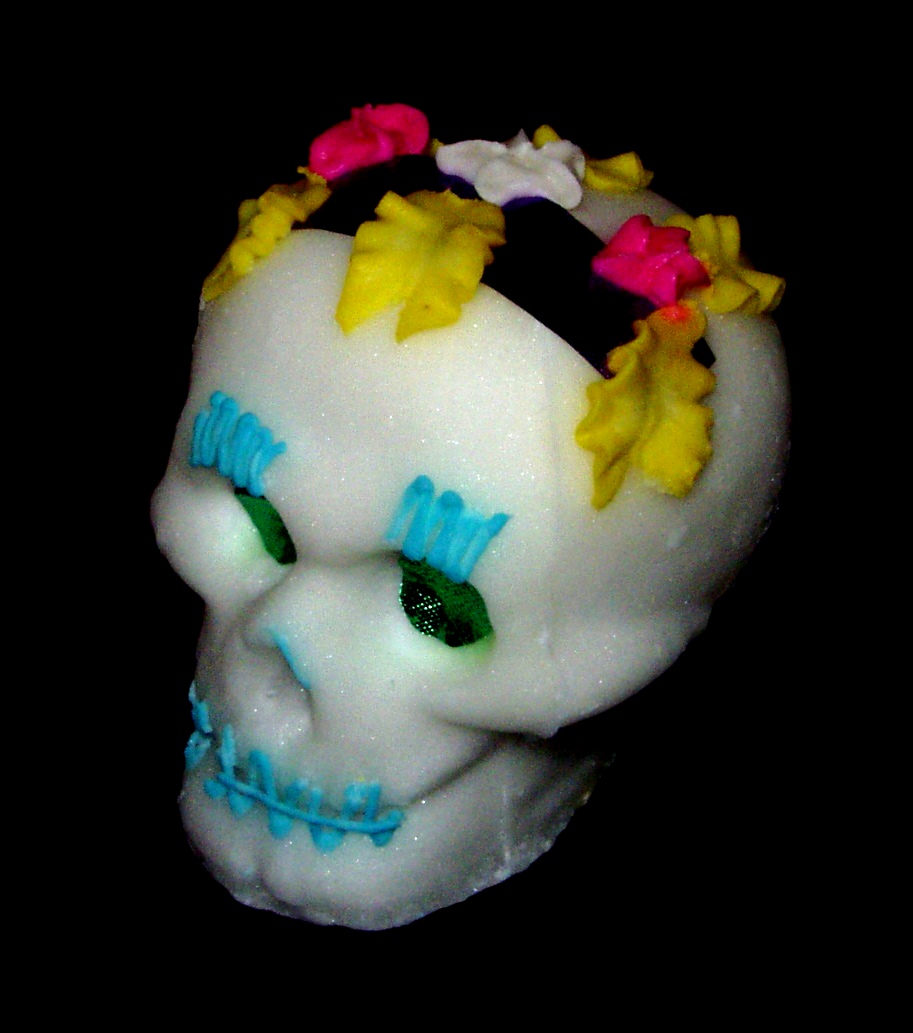 🇲🇽 MexicoCalavera
A sugar or clay skull used in Mexican Day of the Dead celebrations.Charm · Speaking with spirits and the dead · Luck and prosperity Living
🇲🇽 MexicoCalavera
A sugar or clay skull used in Mexican Day of the Dead celebrations.Charm · Speaking with spirits and the dead · Luck and prosperity Living
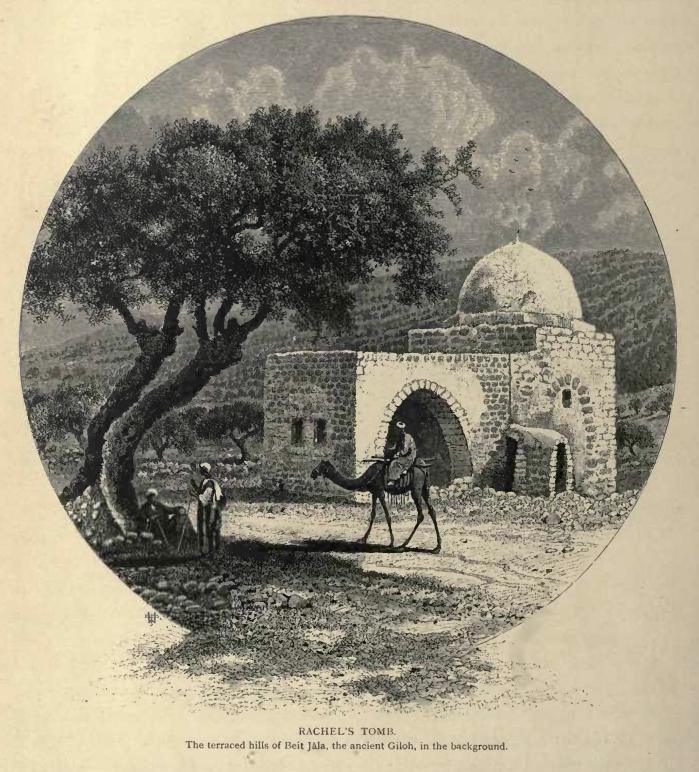 🇵🇸 Palestine and 1 moreRachel's TombQever Raḥel; Qabr Rāḥīl
A shared holy site near Bethlehem revered by Jews, Christians, and MuslimsTradition · Speaking with spirits and the dead · Protection Living
🇵🇸 Palestine and 1 moreRachel's TombQever Raḥel; Qabr Rāḥīl
A shared holy site near Bethlehem revered by Jews, Christians, and MuslimsTradition · Speaking with spirits and the dead · Protection Living
 🇪🇸 Spain and 5 moreSt John's Eve
A Christian vigil marked by bonfires and plant gathering on the summer solstice eveRite · Protection · Speaking with spirits and the dead Living
🇪🇸 Spain and 5 moreSt John's Eve
A Christian vigil marked by bonfires and plant gathering on the summer solstice eveRite · Protection · Speaking with spirits and the dead Living