Aornum
In its own language: Ἄορνον
A Greek cave oracle said to be a gateway to the underworld
Aornum was an ancient oracle in Thesprotia, Greece, located within a cave known as Charonium. It was believed to emit poisonous vapours and serve as an entrance to Hades, the realm of the dead.
- Located in Thesprotia, Greece
- Cave called Charonium
- Emitted poisonous vapours
- Believed to be an entrance to Hades
- Associated with the myth of Orpheus
What it is
Aornum functioned as a significant oracle site in Ancient Greece, situated within the region of Thesprotia. The physical location was a cavern named Charonium, which translates to Charon's Cave. This name directly references the belief that the site served as a portal or entrance to Hades, the Greek underworld. The environment of the cave was notable for releasing toxic fumes, adding to its reputation as a dangerous threshold between the living world and the realm of the dead.
Where it comes from
The site is deeply embedded in Greek mythological tradition. Its identity as a gateway to the afterlife is reflected in the name Charonium, honoring Charon, the ferryman of the dead. A prominent myth involves the musician Orpheus traveling to this specific location. He sought to retrieve his wife, Eurydice, from the grasp of Hades, illustrating the site's association with journeys into the underworld and attempts to communicate with or rescue souls from death.
How it is done
The oracle operated through the natural conditions of the cave. Visitors or priests would enter the cavern where poisonous vapours were emitted. These fumes were likely central to the divinatory process, potentially inducing altered states or serving as a sign of the presence of the underworld. The act of entering such a hazardous space was itself a ritualistic step toward accessing divine knowledge or contacting spirits.
Tools and materials
The primary 'tool' of the oracle was the cave itself, specifically the toxic gases it released. The name Charonium highlights the symbolic tool of the entrance to Hades. No external objects are mentioned; the power lay in the geological and mythological nature of the site.
Aornum, drawn and placed
- Living
- Revived
- Fading
- Historical
- Legendary
- Performed
- Lineage
- Greek mythology
What it is for
The purpose of visiting Aornum was to commune with the forces of the underworld. It was a place associated with death and the afterlife, used by those seeking to bridge the gap between life and death. The myth of Orpheus underscores its role as a destination for those attempting to recover lost loved ones from the dead.
Who does it
The site was part of the broader pagan religious framework of Ancient Greece.
Peoples and places
Aornum is identified with Ancient Greece and the specific region of Thesprotia. It reflects the beliefs and geographical understanding of the Ancient Greek people regarding the underworld and divination.
At a glance: who, where and when
Peoples
Belief worlds
What people believe
The underlying belief system is rooted in Greek mythology, specifically the concept of Hades as a physical place accessible through certain caves. The presence of poisonous vapours was interpreted as evidence of the underworld's proximity. The site was seen as a liminal space where the boundaries between the living and the dead were thin.
Cautions and what is closed
The cave emitted poisonous vapours, posing a direct health risk to anyone entering. This natural hazard contributed to the site's fearsome reputation and its association with death.
Compare and confuse
Aornum is related to other underworld entrances in mythology, such as the Yomotsu Hirasaka in Japanese tradition, though it is distinct in its Greek context and specific association with the vapours and the name Charonium.
Questions people ask about Aornum
What is Aornum?
Aornum was an ancient oracle in Greece, located in a cave called Charonium. It was believed to be an entrance to the underworld and emitted poisonous vapours.
Where is Aornum located?
It is located in Thesprotia, in Ancient Greece. The specific site is a cave known as Charonium, which means Charon's Cave.
Why is it called Charonium?
The name reflects the belief that the cave was an entrance to Hades, the Greek underworld. It honors Charon, the ferryman of the dead.
Is there a famous myth about Aornum?
Yes, the myth of Orpheus. He traveled to Aornum to try and recover his wife, Eurydice, from Hades, highlighting its role as a gateway to the dead.
Good reading and sources
The facts on this page come from the Wikipedia article "Aornum", written by its contributors and used under the CC BY-SA 4.0 licence, and from its Wikidata record (CC0). EveryJaadu rewrote the text in its own words, with AI assistance, and compares every page with the article to make sure no passage is copied. It may be reused under the same CC BY-SA 4.0 licence with a link back.
It may contain mistakes. Names and customs differ from one community to the next, and some knowledge is closed to outsiders and left out here. This page describes belief and practice. It does not say that any of it works, it is not a how-to, and it is not medical advice. If something is wrong, tell us. Last refreshed 2026-10-06.
More from Greece
All the entries from Greece 🇬🇷 Greece and 2 moreAstragalomancy
Divination by casting marked bones, carved rods, or numbered diceOracle · Seeing and foretelling · Speaking with spirits and the dead Living
🇬🇷 Greece and 2 moreAstragalomancy
Divination by casting marked bones, carved rods, or numbered diceOracle · Seeing and foretelling · Speaking with spirits and the dead Living
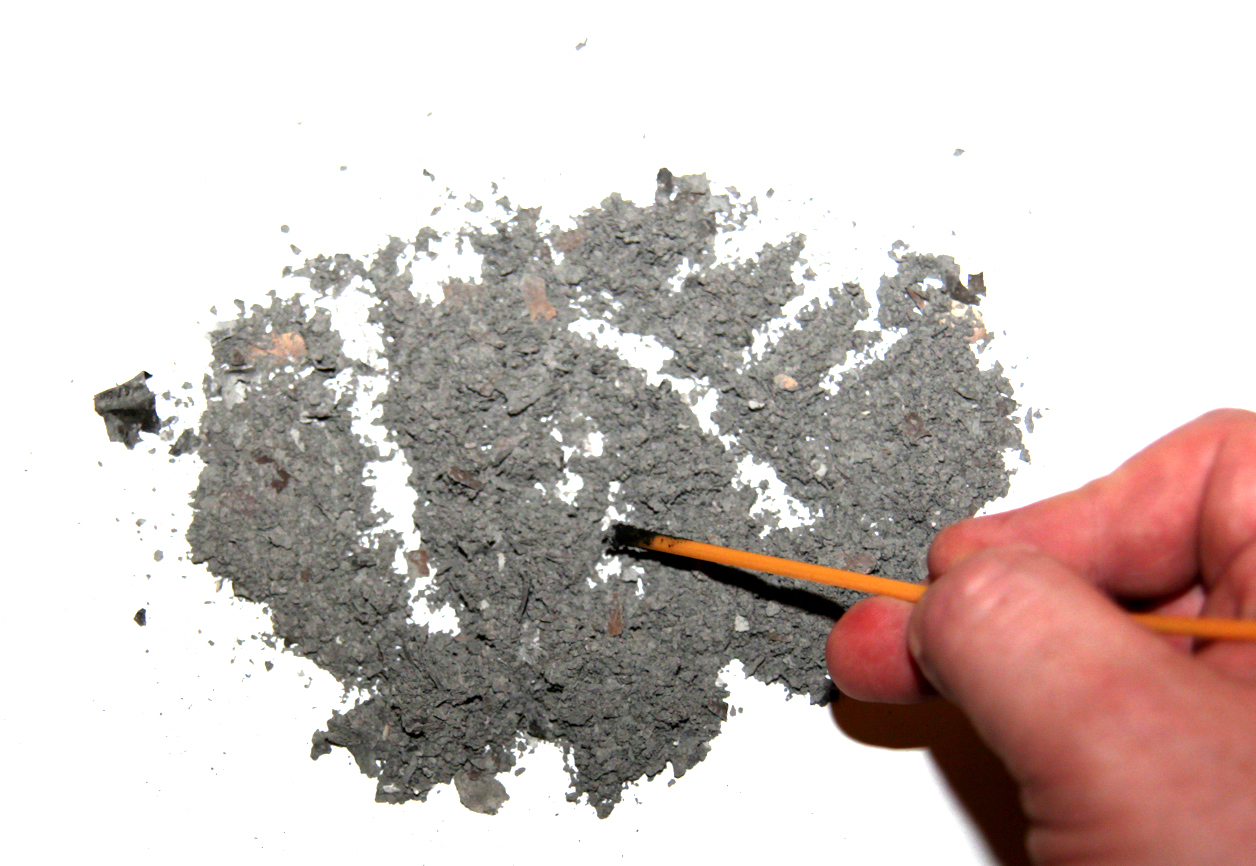 🇬🇷 Greece and 5 moreSpodomancy
Divination by reading omens in ashes, soot, and cindersOracle · Seeing and foretelling · Healing Living
🇬🇷 Greece and 5 moreSpodomancy
Divination by reading omens in ashes, soot, and cindersOracle · Seeing and foretelling · Healing Living
 🇬🇷 GreeceCoscinomancy
A divination method using a sieve and shears to reveal guilt or answer questions.Oracle · Seeing and foretelling Historical
🇬🇷 GreeceCoscinomancy
A divination method using a sieve and shears to reveal guilt or answer questions.Oracle · Seeing and foretelling Historical
 🇬🇷 Greece and 1 moreHydromancy
Divination using water to reveal the future or judge legitimacy.Oracle · Seeing and foretelling · Luck and prosperity Historical
🇬🇷 Greece and 1 moreHydromancy
Divination using water to reveal the future or judge legitimacy.Oracle · Seeing and foretelling · Luck and prosperity Historical
Related elsewhere
All oracle 🇮🇳 IndiaChakraचक्र
Meditation points in the subtle body used in Hindu and Buddhist yogaTradition · Speaking with spirits and the dead · Change and initiation Living
🇮🇳 IndiaChakraचक्र
Meditation points in the subtle body used in Hindu and Buddhist yogaTradition · Speaking with spirits and the dead · Change and initiation Living
 🇳🇬 NigeriaOrunmilaỌ̀rúnmìlà
Yoruba deity of wisdom and the creator of the Ifá divination systemBeing · Seeing and foretelling · Speaking with spirits and the dead Living
🇳🇬 NigeriaOrunmilaỌ̀rúnmìlà
Yoruba deity of wisdom and the creator of the Ifá divination systemBeing · Seeing and foretelling · Speaking with spirits and the dead Living
 🇲🇽 MexicoCalavera
A sugar or clay skull used in Mexican Day of the Dead celebrations.Charm · Speaking with spirits and the dead · Luck and prosperity Living
🇲🇽 MexicoCalavera
A sugar or clay skull used in Mexican Day of the Dead celebrations.Charm · Speaking with spirits and the dead · Luck and prosperity Living
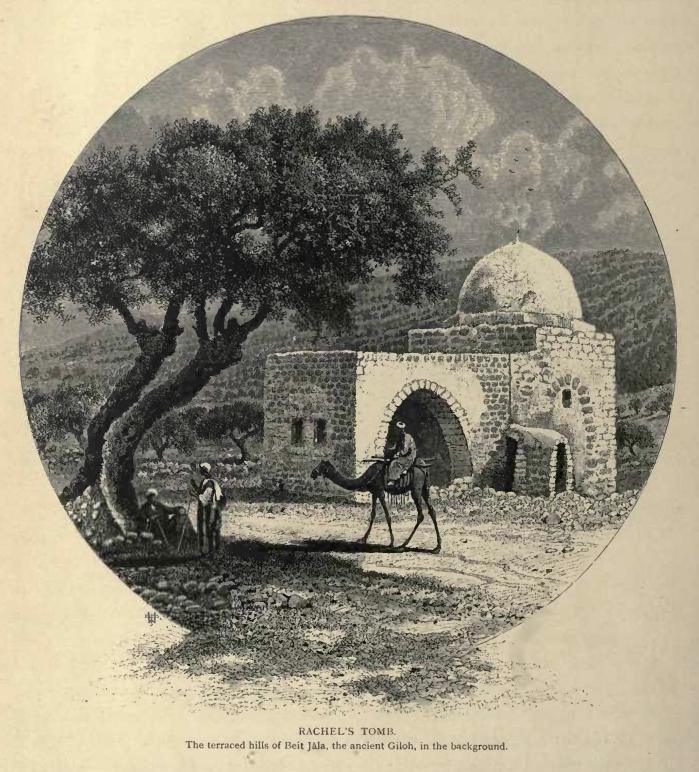 🇵🇸 Palestine and 1 moreRachel's TombQever Raḥel; Qabr Rāḥīl
A shared holy site near Bethlehem revered by Jews, Christians, and MuslimsTradition · Speaking with spirits and the dead · Protection Living
🇵🇸 Palestine and 1 moreRachel's TombQever Raḥel; Qabr Rāḥīl
A shared holy site near Bethlehem revered by Jews, Christians, and MuslimsTradition · Speaking with spirits and the dead · Protection Living