Haltija
possibly from Proto-Norse *halđiaz meaning "hold", or from the Finnish verb hallita meaning "to rule"
A supernatural guardian of a specific place or animal species in Finnish and Baltic Finnic mythology
In Finnish tradition, a haltija is a localized spirit that guards a particular spot, building, or animal group. These beings are believed to maintain the peace and continuity of their domain, ranging from household corners to deep forests.
- Haltijas guard specific places or animal groups
- Offerings include bread, water, money, and charcoal
- Personal haltija souls maintain human health
- Collective power is known as väki
- Similar spirits exist in Swedish and Estonian lore
What it is
A haltija serves as a supernatural inhabitant tied to a specific location or living group within Finnish mythology. Unlike broad deities, these spirits act as guardians for a defined area, such as a home, a forest patch, or a water body. They exist in an invisible layer of the world but can appear to humans. Some haltijas are the original protectors of a place, while others are the ancestral mothers of animal species. They ensure the continued existence of their charge by returning dead animals to the earth. A person buried at their home could also transform into a local guardian spirit after death.
Where it comes from
The term likely stems from the Proto-Norse word halđiaz, meaning "hold," or the Finnish verb hallita, which means "to rule." Similar concepts appear across the region: Swedish folklore calls them rå, and Estonian tradition knows them as haldjas. In modern usage, the word simply denotes an owner or occupier. The spelling haltija was preferred by language institutes until 2013, when it became equal to the older form haltia. Today, the latter often refers to fantasy elves rather than traditional spirits.
How it is done
People interacted with these spirits through offerings and respectful behavior. When constructing a new house, builders presented water, bread, money, and charcoal to the land spirit to secure its favor. In homes, residents treated barn cats well to appease the barn guardian, which might take feline form. People also made sacrifices at sacred sites like yard trees to honor forest spirits. Daily life required maintaining proper conduct in places like saunas, where specific spirits monitored behavior.
Tools and materials
Offerings included basic sustenance and materials: water, bread, coins, and charcoal. Animals, particularly cats, served as vessels or signs of the barn spirit. Sacred locations, such as specific trees near homes, acted as focal points for rituals. The spirits themselves were associated with natural elements like fire, rock, and water, each possessing distinct magical properties known as väki.
Haltija, drawn and placed
- Living
- Revived
- Fading
- Historical
- Legendary
- Performed
- Lineage
- Finnish paganism
- Timing
- during house construction and daily life
What it is for
These beings protected the peace of their domains and ensured the survival of animal populations. They maintained human wellbeing; a personal haltija soul was believed to sustain a person's success and health. If this inner spirit left the body, it caused illness, poverty, or death. Humans sought their protection for homes, livelihoods, and natural resources, fearing their punishment if forest rules were broken.
Who does it
Scholars like Risto Pulkkinen distinguish between wide-ranging gods (jumala) and localized spirits (haltija). Traditional practitioners included hunters and farmers who communicated with these forces. In hunter-gatherer societies, shamans dealt with dead souls, while later agrarian specialists called tietäjät handled impersonal magical powers. The spirits were respected by households and communities who lived in their presence.
Peoples and places
The concept is central to Finnish and Baltic Finnic cultures, appearing in Karelian and Votic traditions as well. Swedish folklore holds similar figures known as tomte or rå. Estonian mythology features the haldjas. Each culture adapts the spirit to local environments, whether urban homesteads or wild forests. The diversity of names reflects the widespread nature of these beliefs across Northern Europe.
At a glance: who, where and when
Who does it
Belief worlds
Occasions
What people believe
Finnish paganism views the world as filled with layered spiritual forces. The collective power of these spirits is called väki, meaning magic power or folk. This force connects to animistic beliefs where nature itself holds agency. Personal souls consist of multiple parts, one of which is the haltija soul. This inner guardian links individual fate to the broader magical ecosystem of the region.
When it is done
Interactions occurred during daily routines and specific life events. Building a new home required immediate ritual offerings to the land spirit. Seasonal respect was shown to forest and water guardians. The belief system integrated seamlessly into everyday agricultural and domestic life rather than being confined to specific festivals.
How scholars and sceptics see it
Researchers define haltijas as localized rulers compared to broader deities. Kaarle Krohn first categorized them as spirit-like beings in 1914. Uno Harva later described väki as an impersonal supernatural force. Modern scholars link väki to the Polynesian concept of mana, though debates continue on whether it represents special magic or general power. Anna-Leena Siikala notes a shift from shamanic soul communication to agrarian spirit handling.
Cautions and what is closed
Disrespecting forest spirits could lead to punishment. Losing one's personal haltija soul resulted in disease and misfortune. The boundary between god and spirit is debated among scholars, with some limiting jumalas to only a few major deities like Ukko and Tapio. Other beings fall into the haltija category based on their scope of influence.
Compare and confuse
The Swedish tomte and rå share similarities with the Finnish tonttu and haltija. Estonian haldjas represents the same cultural archetype. The concept differs from broad sky gods like Ilmarinen, who was demoted to a wind deity-haltija after the arrival of the thunder god Ukko. This hierarchy shows how localized spirits sit below supreme deities in the mythological structure.
Questions people ask about Haltija
What is a haltija?
A haltija is a supernatural guardian spirit in Finnish mythology that protects a specific place, building, or animal species. It acts as a localized ruler rather than a broad deity.
Where does the word come from?
It likely derives from the Proto-Norse word halđiaz meaning "hold" or the Finnish verb hallita meaning "to rule." Similar terms exist in Swedish, Estonian, and other Baltic Finnic languages.
How do people interact with them?
Traditional interactions involved making offerings like bread, water, and money when building homes. People also treated animals respectfully to appease barn spirits and avoided improper behavior in saunas.
What happens if you lose your haltija soul?
Believers hold that losing one's personal haltija soul causes illness, poverty, and a decline in quality of life. It may even result in death, as the spirit maintains personal wellbeing.
Good reading and sources
The facts on this page come from the Wikipedia article "Haltija", written by its contributors and used under the CC BY-SA 4.0 licence, and from its Wikidata record (CC0). EveryJaadu rewrote the text in its own words, with AI assistance, and compares every page with the article to make sure no passage is copied. It may be reused under the same CC BY-SA 4.0 licence with a link back.
It may contain mistakes. Names and customs differ from one community to the next, and some knowledge is closed to outsiders and left out here. This page describes belief and practice. It does not say that any of it works, it is not a how-to, and it is not medical advice. If something is wrong, tell us. Last refreshed 2026-10-06.
More from Finland
All the entries from Finland 🇫🇮 Finland and 1 moreVäinämöinen
An ancient Finnish demigod and master singer from the Kalevala epicBeing · Wonder and entertainment Historical
🇫🇮 Finland and 1 moreVäinämöinen
An ancient Finnish demigod and master singer from the Kalevala epicBeing · Wonder and entertainment Historical
 🇺🇸 United States and 5 moreFriday the 13th
A Western superstition marking a specific calendar date as unlucky.Belief · Luck and prosperity Living
🇺🇸 United States and 5 moreFriday the 13th
A Western superstition marking a specific calendar date as unlucky.Belief · Luck and prosperity Living
 🇺🇸 United States and 7 moreSatanic panic
A moral panic over unsubstantiated claims of Satanic cults abusing children in the late twentieth centuryBelief · Cursing and harm Historical
🇺🇸 United States and 7 moreSatanic panic
A moral panic over unsubstantiated claims of Satanic cults abusing children in the late twentieth centuryBelief · Cursing and harm Historical
Related elsewhere
All being 🇪🇸 Spain and 5 moreSt John's Eve
A Christian vigil marked by bonfires and plant gathering on the summer solstice eveRite · Protection · Speaking with spirits and the dead Living
🇪🇸 Spain and 5 moreSt John's Eve
A Christian vigil marked by bonfires and plant gathering on the summer solstice eveRite · Protection · Speaking with spirits and the dead Living
 🇮🇳 India and 2 moreHomaहोम
A fire ritual found across Asian religions where offerings are burned as a votive exchange with the divine.Rite · Protection · Speaking with spirits and the dead Living
🇮🇳 India and 2 moreHomaहोम
A fire ritual found across Asian religions where offerings are burned as a votive exchange with the divine.Rite · Protection · Speaking with spirits and the dead Living
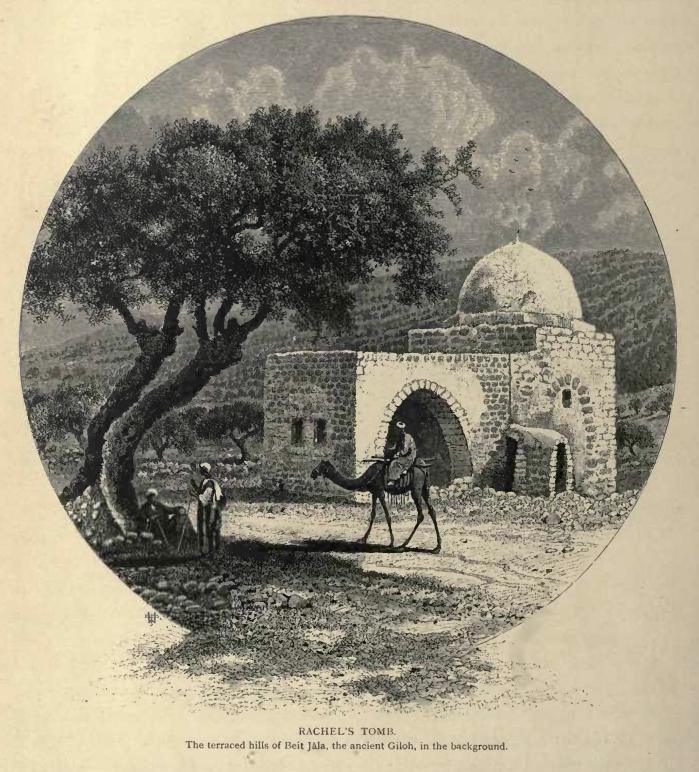 🇵🇸 Palestine and 1 moreRachel's TombQever Raḥel; Qabr Rāḥīl
A shared holy site near Bethlehem revered by Jews, Christians, and MuslimsTradition · Speaking with spirits and the dead · Protection Living
🇳🇿 New ZealandKarakia
Māori recitations used for spiritual guidance, protection, and formal greetingsTradition · Protection · Speaking with spirits and the dead Living
🇵🇸 Palestine and 1 moreRachel's TombQever Raḥel; Qabr Rāḥīl
A shared holy site near Bethlehem revered by Jews, Christians, and MuslimsTradition · Speaking with spirits and the dead · Protection Living
🇳🇿 New ZealandKarakia
Māori recitations used for spiritual guidance, protection, and formal greetingsTradition · Protection · Speaking with spirits and the dead Living