Shamanism in Pakistan
The term Bitan comes from Burushaski, while Dayal is used in Shina and Kahin in Urdu.
A shamanic tradition of the Hunza region where spirit guides select healers who enter trance states through music and ri
This practice is centred in the Hunza valley of northern Pakistan. Local practitioners called Bitans or Dayals are chosen by fairy spirits known as Pari during their youth. They use music, smoke and ritual acts to enter trances for divination and healing.
- Bitans are selected by Pari spirits in infancy
- Trance induced by music, smoke and blood
- Used to predict famines and crop yields
- Practiced mainly in Hunza valley, Pakistan
- Instruments include Dadang drum and Surnai pipe
What it is
Shamanism in Pakistan refers to a specific set of spiritual practices found primarily in the Hunza region. It involves individuals known as Bitans in the Burushaski language, Dayals in Shina, or Kahins in Urdu. These figures act as intermediaries between the human world and the spirit realm. Unlike some other shamanic traditions that require physical anomalies, these practitioners are selected by supernatural beings called Pari. The practice focuses on entering altered states of consciousness to communicate with these entities and gain insight into future events or community needs.
Where it comes from
The tradition is deeply rooted in the history of the Hunza valley. Historians such as M.H. Sidky have documented its presence, noting famous Bitans like Huk Mamu and Shon Gakur. The selection process begins early in life, with Pari spirits choosing infants by smelling their noses and mouths during the spring blossom seasons. This belief system developed alongside the local culture, becoming an established part of the social and spiritual fabric of the region's communities.
How it is done
Rituals involve musicians playing instruments like the Dadang drum, Daamal drums, and Surnai pipes. The practitioner dances while inhaling smoke from burning juniper leaves and Syrian rue. In some cases, goat blood is consumed to deepen the trance. As the music intensifies, the Dayal enters an ecstatic state, often speaking in Shina to argue or converse with the Pari spirits. This process may repeat several times before the practitioner collapses from exhaustion.
Tools and materials
Key tools include musical instruments such as the Dadang, Daamal, Surnai, and Gabi. Smoke is generated using juniper leaves and Syrian rue, locally known as Supandur. Goat blood, taken from a recently sacrificed animal called Chati, is used in certain rituals. These elements combine to facilitate the transition into the trance state required for spiritual communication.
Shamanism in Pakistan, drawn and placed
- Living
- Revived
- Fading
- Historical
- Legendary
- Performed
- Lineage
- Regional shamanic traditions of the Hindu Kush
- Timing
- During cherry and apricot blossoms, at harvest festivals, and when calamities are feared
What it is for
Practitioners are believed to possess foresight gained through interaction with Pari spirits. They are summoned by local rulers, known as Thum or Mir, to predict disasters, famines, or other calamities. During festivals like Ginani, they also forecast crop yields. The primary goal is to provide guidance and warning to the community based on information received from the spirit world.
Who does it
Bitans and Dayals are ordinary people selected by Pari spirits rather than those born with physical traits. Selection occurs in infancy, but signs only appear during adolescence, including periods of unconsciousness or sickness. Resistance to this calling can be fatal. Practitioners undergo a transformation where they develop the ability to enter trances, often requiring them to consume goat blood at least once in their lifetime to fully embrace their role.
Peoples and places
The tradition is specific to the Hunza region in northern Pakistan. It is practiced by the Burusho people, who refer to shamans as Bitan, and Shina speakers, who call them Dayal. The Urdu term Kahin is also used. The practice is tied to the local geography and seasonal cycles, particularly the cherry and apricot blossoms when Pari spirits are said to descend. It remains a distinct regional variation of shamanism within the broader cultural landscape of Pakistan.
At a glance: who, where and when
Who does it
Peoples
Belief worlds
Occasions
What people believe
The worldview centres on Pari, or fairies, who inhabit a realm called Paristan. These spirits choose humans to serve as intermediaries. During rituals, the practitioner's spirit is believed to travel to Paristan, where they may receive gifts like milk from the Pari. However, in the physical world, they consume goat blood. This duality allows them to access hidden knowledge and convey messages about the future to the living community.
When it is done
Events are linked to agricultural and seasonal cycles. Pari spirits descend during the cherry and apricot blossoming seasons. Rituals often coincide with the Ginani festival, which celebrates crop harvesting. Shamans were historically called upon during times of crisis or when leaders feared impending disasters, making the timing dependent on both natural cycles and community needs.
Questions people ask about Shamanism in Pakistan
What is Shamanism in Pakistan?
It is a spiritual tradition from the Hunza region where practitioners called Bitans or Dayals communicate with fairy spirits known as Pari to offer guidance and predictions.
How are shamans chosen in this tradition?
Pari spirits select infants by smelling their noses and mouths during spring. Signs appear in adolescence, including sickness or ecstasy, marking them as chosen ones.
What tools are used in the rituals?
Musicians play drums and pipes while the practitioner inhales smoke from juniper and Syrian rue. Goat blood may be consumed to deepen the trance state.
Why do practitioners consume goat blood?
It helps induce a higher trance state. Belief holds that while the spirit travels to the fairy realm, the body consumes blood, linking the physical and spiritual worlds.
Good reading and sources
The facts on this page come from the Wikipedia article "Shamanism in Pakistan", written by its contributors and used under the CC BY-SA 4.0 licence, and from its Wikidata record (CC0). EveryJaadu rewrote the text in its own words, with AI assistance, and compares every page with the article to make sure no passage is copied. It may be reused under the same CC BY-SA 4.0 licence with a link back.
It may contain mistakes. Names and customs differ from one community to the next, and some knowledge is closed to outsiders and left out here. This page describes belief and practice. It does not say that any of it works, it is not a how-to, and it is not medical advice. If something is wrong, tell us. Last refreshed 2026-10-06.
More from Pakistan
All the entries from Pakistan 🇮🇳 India and 3 moreMaha Shivaratriमहाशिवरात्रि
A Hindu night of fasting and vigil dedicated to the deity ShivaTradition · Protection · Speaking with spirits and the dead Living
🇮🇳 India and 3 moreMaha Shivaratriमहाशिवरात्रि
A Hindu night of fasting and vigil dedicated to the deity ShivaTradition · Protection · Speaking with spirits and the dead Living
 🇮🇳 India and 5 moreHoliहोली
A Hindu spring festival marked by coloured powders and bonfires to celebrate love and virtue.Tradition · Love and attraction · Cursing and harm Living
🇮🇳 India and 5 moreHoliहोली
A Hindu spring festival marked by coloured powders and bonfires to celebrate love and virtue.Tradition · Love and attraction · Cursing and harm Living
 🇮🇳 India and 5 moreShakta pithasशाक्त पीठ (Śākta Pīṭha)
Sacred shrines in Shaktism marking where parts of the goddess Sati fell to earth.Tradition · Speaking with spirits and the dead · Power and authority Living
🇮🇳 India and 5 moreShakta pithasशाक्त पीठ (Śākta Pīṭha)
Sacred shrines in Shaktism marking where parts of the goddess Sati fell to earth.Tradition · Speaking with spirits and the dead · Power and authority Living
 🇮🇳 India and 4 moreBonབོན།
The indigenous religion of Tibet and the Himalayas, preserving ancient rituals alongside Buddhist teachings.Tradition · Protection · Speaking with spirits and the dead Living
🇮🇳 India and 4 moreBonབོན།
The indigenous religion of Tibet and the Himalayas, preserving ancient rituals alongside Buddhist teachings.Tradition · Protection · Speaking with spirits and the dead Living
Related elsewhere
All tradition 🇮🇹 ItalyEtruscan religion
The polytheistic beliefs and divination practices of the ancient Etruscans of ItalyTradition · Seeing and foretelling · Speaking with spirits and the dead Historical
🇮🇹 ItalyEtruscan religion
The polytheistic beliefs and divination practices of the ancient Etruscans of ItalyTradition · Seeing and foretelling · Speaking with spirits and the dead Historical
 🇳🇬 NigeriaOrunmilaỌ̀rúnmìlà
Yoruba deity of wisdom and the creator of the Ifá divination systemBeing · Seeing and foretelling · Speaking with spirits and the dead Living
🇳🇬 NigeriaOrunmilaỌ̀rúnmìlà
Yoruba deity of wisdom and the creator of the Ifá divination systemBeing · Seeing and foretelling · Speaking with spirits and the dead Living
 🇨🇳 China and 3 moreTang-ki童乩 (tóngjī); 乩童 (jītóng)
A Chinese folk-religion medium whose body a deity is held to take overTradition · Speaking with spirits and the dead · Seeing and foretelling Living
🇨🇳 China and 3 moreTang-ki童乩 (tóngjī); 乩童 (jītóng)
A Chinese folk-religion medium whose body a deity is held to take overTradition · Speaking with spirits and the dead · Seeing and foretelling Living
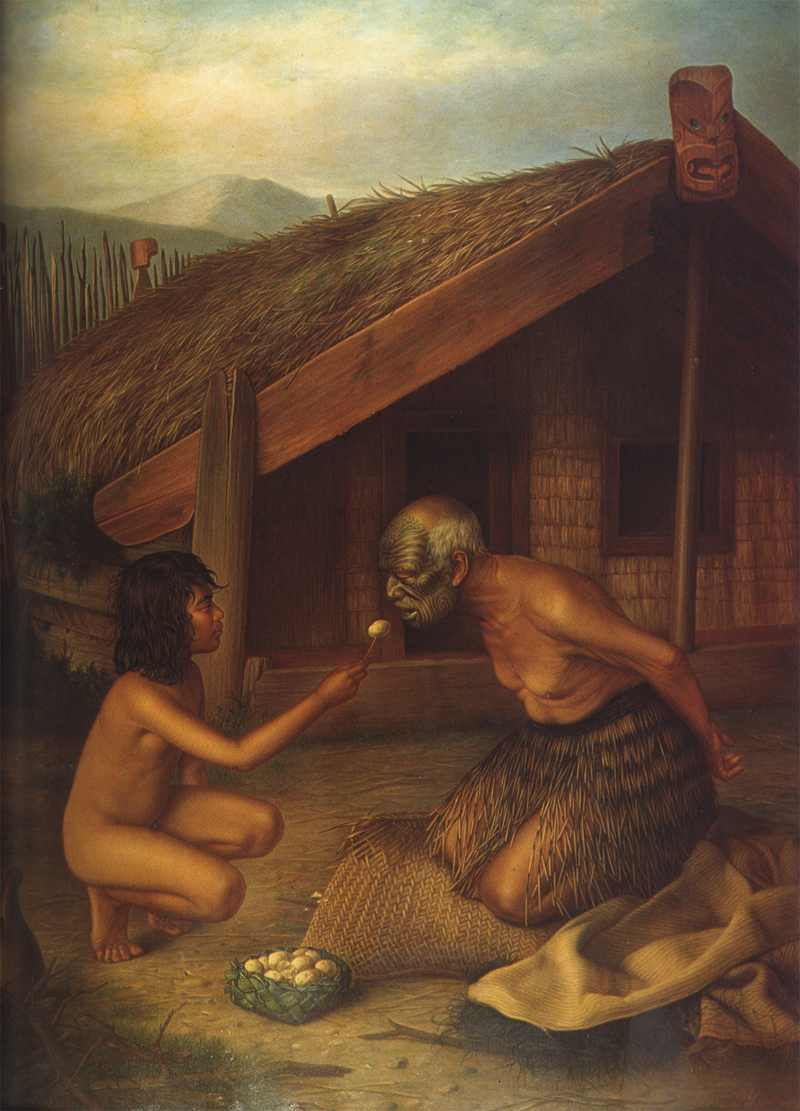 🇳🇿 New ZealandTohunga
A Māori expert practitioner of sacred or secular arts, from priests to carvers.Tradition · Healing · Seeing and foretelling Living
🇳🇿 New ZealandTohunga
A Māori expert practitioner of sacred or secular arts, from priests to carvers.Tradition · Healing · Seeing and foretelling Living