Suunism
In its own language: 수운교
A Korean ethnic religion focused on the Great Jade Emperor of Heaven and spiritual reconnection.
Suunism is a Korean ethnic religion derived from Sinism and split from Cheondoism. It traces its roots to the Donghak movement and claims to preserve a purer version of Choe Je-u's teachings through the worship of Okhwangsangje Haneullim.
- Derived from Korean Sinism and Cheondoism.
- Headquarters located in Daejeon since 1829.
- Worships Okhwangsangje Haneullim.
- Symbol is the Archer Bird (Gungeul).
- Includes belief in the Maitreya.
What it is
Suunism stands as one of the ethnic religions of Korea, emerging from the broader tradition of Sinism. It originated as a branch of Cheondoism, which itself grew out of the organized Donghak movement. The group identifies with the name Suwun, an alternative title used by Choe Je-u. Members assert that they maintain a more authentic transmission of his original instructions compared to other offshoots.
Where it comes from
The faith developed within the context of Korean religious history, splitting from Cheondoism. Its lineage connects back to the Donghak movement, a significant historical current in Korea. The figure known as Suwun played a central role in this development, having previously preached in Seoul starting in 1823 before relocating to Daejeon in 1829, where the modern headquarters remain situated.
Tools and materials
The Archer Bird, known locally as Gungeul, serves as a primary symbol for the community. This emblem represents key aspects of their identity and spiritual focus within the practice.
Suunism, drawn and placed
- Living
- Revived
- Fading
- Historical
- Legendary
- Performed
- Lineage
- Korean ethnic religions
What it is for
Adherents engage in the worship of Okhwangsangje Haneullim, referred to as the Great Jade Emperor of Heaven. The goal of this devotion is to facilitate a reconnection with the One, aiming to transform the earthly realm into a paradise through this spiritual alignment.
Peoples and places
The tradition is rooted in Korean culture and is practiced primarily within South Korea. It draws from the indigenous Sinistic traditions and the historical Donghak movement, reflecting specific regional religious developments rather than global spread.
At a glance: who, where and when
What people believe
Core doctrine involves reverence for the Great Jade Emperor of Heaven. The community also incorporates belief in the Maitreya, a figure associated with future salvation in various Asian traditions. These elements combine to form a unique theological framework distinct from mainstream Christianity or Buddhism.
Compare and confuse
Suunism shares historical ties with Cheondoism and the Donghak movement. While related, it distinguishes itself by claiming a purer adherence to the teachings of Choe Je-u, setting it apart from other groups that emerged from the same initial religious wave.
Questions people ask about Suunism
What is Suunism?
It is a Korean ethnic religion derived from Sinism and Cheondoism, focusing on the worship of the Great Jade Emperor of Heaven.
Where did it originate?
It stems from the Donghak movement in Korea, with roots tracing back to teachings associated with Choe Je-u.
Who do they worship?
Practitioners worship Okhwangsangje Haneullim, the Great Jade Emperor of Heaven, seeking spiritual reconnection.
Good reading and sources
The facts on this page come from the Wikipedia article "Suunism", written by its contributors and used under the CC BY-SA 4.0 licence, and from its Wikidata record (CC0). EveryJaadu rewrote the text in its own words, with AI assistance, and compares every page with the article to make sure no passage is copied. It may be reused under the same CC BY-SA 4.0 licence with a link back.
It may contain mistakes. Names and customs differ from one community to the next, and some knowledge is closed to outsiders and left out here. This page describes belief and practice. It does not say that any of it works, it is not a how-to, and it is not medical advice. If something is wrong, tell us. Last refreshed 2026-10-06.
More from South Korea
All the entries from South Korea 🇰🇷 South Korea and 3 moreKorean shamanism무속
A Korean folk religion centered on ritual specialists who mediate between humans and spiritsTradition · Protection · Healing Living
🇰🇷 South Korea and 3 moreKorean shamanism무속
A Korean folk religion centered on ritual specialists who mediate between humans and spiritsTradition · Protection · Healing Living
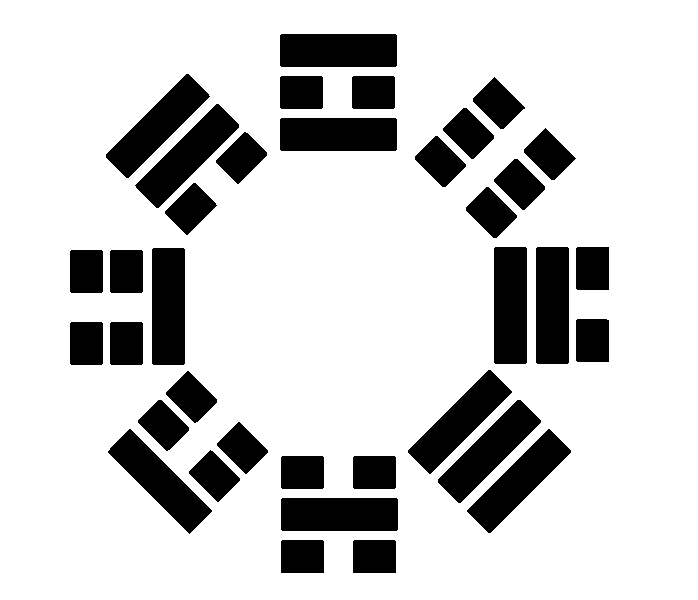 🇨🇳 China and 1 moreBagua八卦
A set of eight trigram symbols from China used in divination, cosmology, and feng shui.Tradition · Seeing and foretelling · Protection Living
🇨🇳 China and 1 moreBagua八卦
A set of eight trigram symbols from China used in divination, cosmology, and feng shui.Tradition · Seeing and foretelling · Protection Living
 🇰🇷 South Korea and 1 moreKorean shamanismKorean shamanism (Korean: Korean shamanism)
A traditional practice of ritual specialists who mediate between the human and spirit worlds.Tradition · Healing · Protection Living
🇰🇷 South Korea and 1 moreKorean shamanismKorean shamanism (Korean: Korean shamanism)
A traditional practice of ritual specialists who mediate between the human and spirit worlds.Tradition · Healing · Protection Living
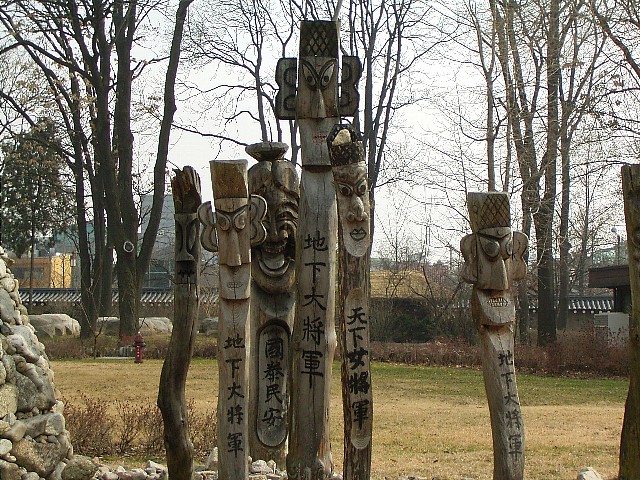 🇰🇷 South Korea and 1 moreJangseung장승
Wooden or stone poles that guard Korean villages and temples from evil spiritsTradition · Protection · Speaking with spirits and the dead Living
🇰🇷 South Korea and 1 moreJangseung장승
Wooden or stone poles that guard Korean villages and temples from evil spiritsTradition · Protection · Speaking with spirits and the dead Living
Related elsewhere
All tradition 🇮🇳 IndiaChakraचक्र
Meditation points in the subtle body used in Hindu and Buddhist yogaTradition · Speaking with spirits and the dead · Change and initiation Living
🇮🇳 IndiaChakraचक्र
Meditation points in the subtle body used in Hindu and Buddhist yogaTradition · Speaking with spirits and the dead · Change and initiation Living
 🇮🇱 Israel and 4 moreIsaac Luriaיִצְחָק בן שלמה אשכנזי לוּרְיָא
A sixteenth-century rabbi who founded modern Kabbalah through oral teachings in Safed.Text · Speaking with spirits and the dead · Change and initiation Living
🇮🇱 Israel and 4 moreIsaac Luriaיִצְחָק בן שלמה אשכנזי לוּרְיָא
A sixteenth-century rabbi who founded modern Kabbalah through oral teachings in Safed.Text · Speaking with spirits and the dead · Change and initiation Living
 🇳🇬 NigeriaOrunmilaỌ̀rúnmìlà
Yoruba deity of wisdom and the creator of the Ifá divination systemBeing · Seeing and foretelling · Speaking with spirits and the dead Living
🇳🇬 NigeriaOrunmilaỌ̀rúnmìlà
Yoruba deity of wisdom and the creator of the Ifá divination systemBeing · Seeing and foretelling · Speaking with spirits and the dead Living
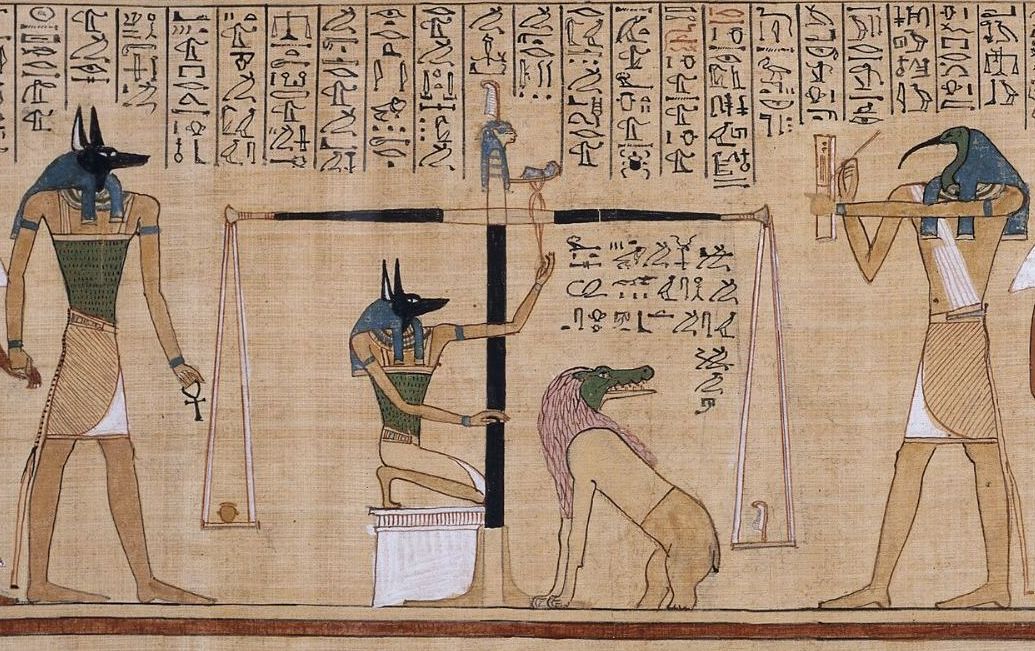 🇪🇬 EgyptAncient Egyptian afterlife beliefs
A system of rituals and texts guiding the soul through the underworld to eternal rebirthTradition · Protection · Speaking with spirits and the dead Historical
🇪🇬 EgyptAncient Egyptian afterlife beliefs
A system of rituals and texts guiding the soul through the underworld to eternal rebirthTradition · Protection · Speaking with spirits and the dead Historical