
Reindeer in Siberian shamanism
The role of reindeer as spirit helpers, ritual tools, and burial vehicles in the shamanic traditions of Northern Asia
This subject covers how the native peoples of Siberia integrate reindeer into their spiritual practices. Reindeer serve as symbols of power for shamans, materials for sacred instruments like drums, and guides for souls in the afterlife.
- Drums are made from reindeer hide and initiated with a feast
- Shamans use antlers as symbols of power and weapons
- Khanty sacrifice reindeer to prolong life and ease sickness
- Chukchi funeral rites use reindeer to carry souls to the underworld
- Evenks wrap bodies in reindeer skins for burial on high poles
What it is
Reindeer hold a central place in the religious life of Siberian indigenous groups. They are not just economic assets but spiritual entities. Shamans view them as swift and vigilant partners. The animals provide materials for sacred objects. Their hides make drums that summon spirits. Their antlers represent authority and power. Reindeer also act as guides for human souls. They help shamans travel between worlds. They assist in healing by taking on disease. They carry the dead to the afterlife. This relationship shapes the entire spiritual philosophy of these nomadic cultures.
Where it comes from
The integration of reindeer into shamanism stems from the deep bond between herders and their animals. Soviet scholars once viewed this as a form of priesthood. Modern researchers see it as a broad activity practiced by hunters. The tradition reflects the cyclic nature of seasons and herd movements. It is rooted in the belief that humans and animals share spiritual connections. Different Siberian peoples have developed unique variations of these practices over time.
How it is done
Shamans use reindeer parts in specific rituals. A drum made from reindeer hide is initiated through a multi-day ceremony. The shaman collects dropped hairs and catches the animal's soul. Healing involves swallowing and yawning to invite spirits. The shaman offers reindeer blood and fat to these spirits. To cure illness, the sick person may step through a loop of entrails or place injured limbs inside a reindeer's belly. Sacrifices involve killing reindeer in sacred thickets. Blood may be consumed or avoided depending on the group. Bones and skins are hung in trees to return the spirit to the game master.
Tools and materials
Reindeer provide essential materials for shamanic work. Drum heads are stretched from reindeer hide. Headdresses feature metal caps with attached antlers. Cloaks are trimmed with strips of hair or skin. Staves and batons often end in hoof shapes or faces. These items transfer the reindeer's strength to the wearer. Antlers serve as weapons and symbols of power. Blood and fat are used as offerings to spirits. Skins wrap bodies for burial transport.
Reindeer in Siberian shamanism, drawn and placed
- Living
- Revived
- Fading
- Historical
- Legendary
- Performed
- Lineage
- Siberian shamanism
- Timing
- at funerals, during healing rituals, and seasonal herd returns
What it is for
These practices aim to heal the sick, guide souls, and ensure herd welfare. Shamans intercede between patients and disease-causing spirits. They banish evil spirits and return stolen souls. Sacrifices are offered to deities to prolong life and ease suffering. Funeral rites provide the deceased with a vehicle for the journey to the underworld. Seasonal ceremonies welcome returning herds and express gratitude. The goal is to maintain balance between the human and spirit worlds.
Who does it
Shamans are the primary practitioners. They undergo initiation ceremonies involving reindeer sacrifices. They train to summon spirits using drums and chants. Some groups, like the Khanty, have cultural specialists called chirta-ko who lead rituals. Shamans choose sacrificial animals based on color and gender matching the target spirit. They interpret dreams to find sacred locations. Their status comes from their ability to communicate with helper spirits, often reindeer.
Peoples and places
Various Siberian peoples practice these traditions. The Evenks bury bodies in reindeer skins on high poles. The Khanty distinguish between bloody and bloodless sacrifices. White, black, and red cloths mark sacrificial animals. The Koryaks greet returning herds with fire. The Chukchi hold fawn festivals and antler ceremonies. Ob-Ugrians strangle reindeer at gravesites. The Ket believe reindeer once possessed flight. Each group has distinct methods but shares core beliefs about reindeer spirituality.
At a glance: who, where and when
Who does it
Belief worlds
What people believe
Siberian shamanism holds that spirits inhabit all things. Reindeer are powerful helpers that aid shamans in journeys. The soul of a sacrificed reindeer returns to the Master of Animals. This deity reclothes the spirit in new flesh for future generations. Shamans believe they can fly on reindeer back. Disease is seen as a stolen soul or evil spirit presence. Healing requires restoring balance through spiritual intervention. The cycle of life, death, and rebirth is mirrored in the herd's existence.
When it is done
Rituals occur throughout the year. Funerals require reindeer to transport the dead. Healing ceremonies happen during illness. Seasonal changes trigger herd management rituals. The Chukchi celebrate the fawn festival in spring. Antler ceremonies occur when collections become too heavy. Summer marks the departure of herds from camps. Winter brings families together for communal sacrifices. Life events like birth and marriage may also involve reindeer blessings.
Questions people ask about Reindeer in Siberian shamanism
What is the role of reindeer in Siberian shamanism?
Reindeer serve as spirit helpers, materials for sacred tools like drums, and guides for souls in the afterlife. They symbolize power and assist shamans in healing and journeying between worlds.
How are reindeer used in healing rituals?
Shamans offer reindeer blood and fat to spirits to gain influence. Sick individuals may step through loops of entrails or place injured body parts inside a reindeer's belly to transfer disease away from the human.
Why are reindeer sacrificed in these traditions?
Sacrifices are offered to deities to ensure herd welfare, prolong life, and ease suffering. The animal's spirit returns to the Master of Animals to be reborn, maintaining the cycle of nature.
How do different Siberian peoples differ in their practices?
The Khanty distinguish between bloody and bloodless sacrifices. The Chukchi hold fawn festivals. The Evenks bury bodies in skins on poles. The Ket believe reindeer once flew. Each group has unique customs but shares core beliefs.
Good reading and sources
The facts on this page come from the Wikipedia article "Reindeer in Siberian shamanism", written by its contributors and used under the CC BY-SA 4.0 licence, and from its Wikidata record (CC0). EveryJaadu rewrote the text in its own words, with AI assistance, and compares every page with the article to make sure no passage is copied. It may be reused under the same CC BY-SA 4.0 licence with a link back.
It may contain mistakes. Names and customs differ from one community to the next, and some knowledge is closed to outsiders and left out here. This page describes belief and practice. It does not say that any of it works, it is not a how-to, and it is not medical advice. If something is wrong, tell us. Last refreshed 2026-10-06.
More from Russia
All the entries from Russia 🇲🇳 Mongolia and 2 moreMongolian shamanismBöö mörgöl
The animistic and shamanic ethnic religion of the Mongol peoples, centered on sky worship and ancestral spirits.Tradition · Protection · Healing Living
🇲🇳 Mongolia and 2 moreMongolian shamanismBöö mörgöl
The animistic and shamanic ethnic religion of the Mongol peoples, centered on sky worship and ancestral spirits.Tradition · Protection · Healing Living
 🇷🇺 Russia and 3 moreSiberian shamanism
The spirit-journey practices of North Asian peoples and their linguistic relativesTradition · Healing · Speaking with spirits and the dead Fading
🇷🇺 Russia and 3 moreSiberian shamanism
The spirit-journey practices of North Asian peoples and their linguistic relativesTradition · Healing · Speaking with spirits and the dead Fading
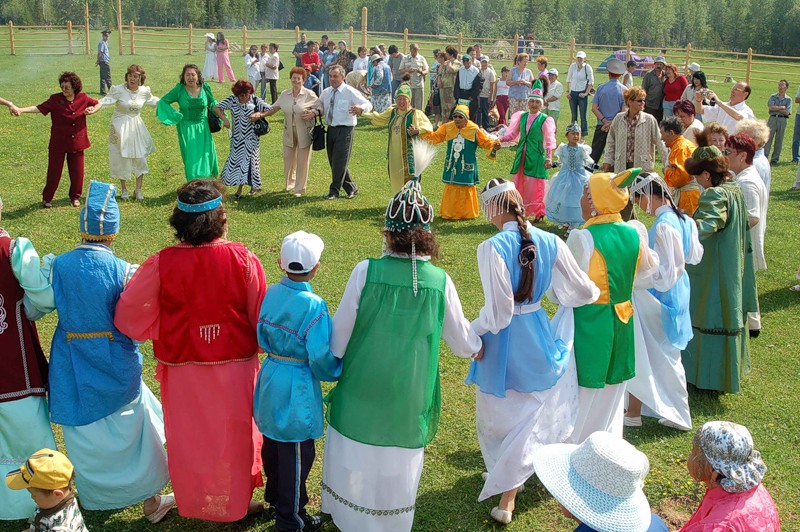 🇷🇺 RussiaYhyakhЫһыах
A summer solstice festival of the Sakha people marking the new year and nature's returnTradition · Luck and prosperity · Speaking with spirits and the dead Living
🇲🇳 Mongolia and 1 moreYellow shamanismШар бөө
A Mongolian and Siberian shamanic tradition blended with Buddhist ritualsTradition · Speaking with spirits and the dead · Protection Historical
🇷🇺 RussiaYhyakhЫһыах
A summer solstice festival of the Sakha people marking the new year and nature's returnTradition · Luck and prosperity · Speaking with spirits and the dead Living
🇲🇳 Mongolia and 1 moreYellow shamanismШар бөө
A Mongolian and Siberian shamanic tradition blended with Buddhist ritualsTradition · Speaking with spirits and the dead · Protection Historical
Related elsewhere
All tradition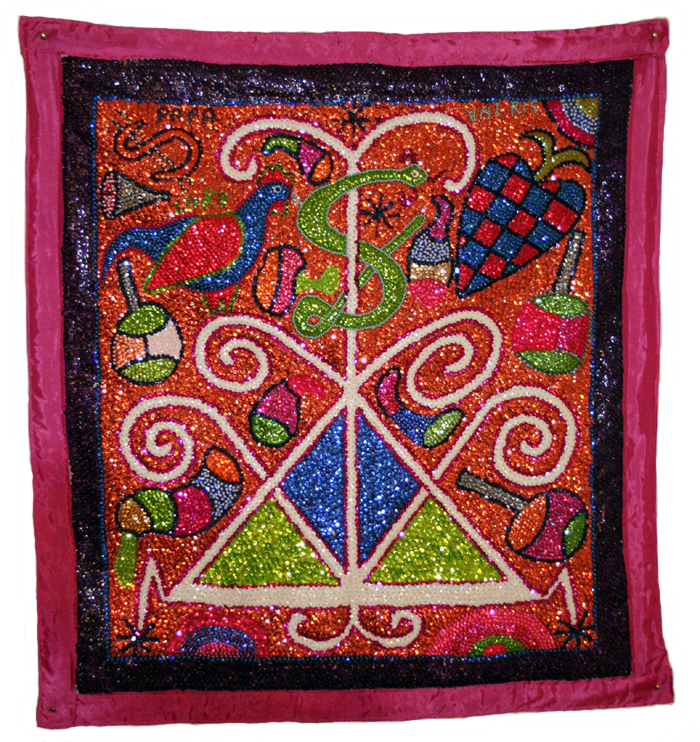 🇭🇹 Haiti and 2 moreHaitian VodouVodou
An Afro-Haitian religion blending West African traditions with Catholicism and FreemasonryTradition · Protection · Healing Living
🇭🇹 Haiti and 2 moreHaitian VodouVodou
An Afro-Haitian religion blending West African traditions with Catholicism and FreemasonryTradition · Protection · Healing Living
 🇸🇳 Senegal and 1 moreSerer religionA ƭat Roog
The traditional faith of the Serer people, centred on the supreme deity Roog and ancestral veneration.Tradition · Protection · Speaking with spirits and the dead Living
🇸🇳 Senegal and 1 moreSerer religionA ƭat Roog
The traditional faith of the Serer people, centred on the supreme deity Roog and ancestral veneration.Tradition · Protection · Speaking with spirits and the dead Living
 🇮🇶 Iraq and 5 moreGrimoire
A textbook containing instructions for spells, rituals, and the creation of magical objects.Text · Protection · Healing Historical
🇮🇶 Iraq and 5 moreGrimoire
A textbook containing instructions for spells, rituals, and the creation of magical objects.Text · Protection · Healing Historical
 🇫🇷 France and 5 moreKardecist SpiritismSpiritisme
A French spiritualist doctrine based on communication with spirits and reincarnation.Tradition · Speaking with spirits and the dead · Protection Living
🇫🇷 France and 5 moreKardecist SpiritismSpiritisme
A French spiritualist doctrine based on communication with spirits and reincarnation.Tradition · Speaking with spirits and the dead · Protection Living