
Black Hebrew Israelites
A religious movement claiming African Americans are descendants of ancient Israelites
Black Hebrew Israelites are a diverse new religious movement originating in the United States. Members believe that African Americans and sometimes other groups are the biological descendants of the ancient Israelites described in the Bible.
- Frank Cherry founded the oldest known group in 1886.
- William Saunders Crowdy established his church in 1896.
- Some members moved to Israel in the late twentieth century.
- The movement includes diverse groups with varying beliefs.
- Extremist sects are designated as hate groups by monitors.
What it is
This movement is a collection of distinct groups rather than a single unified organization. Members identify as Hebrew Israelites or Black Hebrews instead of Jews. They claim that African Americans are the direct descendants of the ancient Israelites found in the Hebrew Bible. Some branches also include indigenous peoples of the Americas and Latin Americans in this lineage. The beliefs mix interpretations of Christianity and Judaism with influences from Freemasonry and New Thought. These groups operate outside mainstream Jewish and Christian communities because they do not follow standard conversion rules or Nicene doctrine.
Where it comes from
The movement began in the late nineteenth century through visions received by Frank Cherry and William Saunders Crowdy. Both men claimed God revealed that African Americans were descendants of the Hebrews. Cherry started his group in Tennessee in 1886, while Crowdy founded his church in Kansas in 1896. Early leaders like William Christian helped spread these ideas. Many pioneers were Freemasons, which shaped their traditions. By the mid-twentieth century, dozens of similar organizations had formed across the United States, particularly in cities like New York and Philadelphia.
How it is done
Practices vary widely between different sects. Some groups observe traditional Jewish laws, such as keeping kosher and celebrating Passover. Others blend Christian and Jewish rituals. For example, some congregations pray facing east and wear skullcaps. Circumcision of infant males is common in several branches. Worship may include gospel singing or musical instruments, though some founders banned piano playing. Leadership structures differ, with some groups led by ordained rabbis and others by prophets or family heirs.
Tools and materials
Materials depend on the specific group's adherence to Jewish law. Some members use yarmulkes during prayer. Rituals often involve reading from the Old and New Testaments. A few groups incorporate elements from the Talmud. Musical instruments appear in some services, while others forbid them. Physical spaces range from urban synagogues to rural tabernacles. The Hebrew calendar guides festival dates for observant branches.
Black Hebrew Israelites, drawn and placed
- Living
- Revived
- Fading
- Historical
- Legendary
- Performed
What it is for
Members seek to reclaim an identity tied to biblical ancestry. This belief provides a sense of historical continuity and spiritual purpose. It challenges mainstream narratives about race and religion. Followers aim to live according to what they see as ancient commandments. The movement offers community structure and moral guidance. Some groups emphasize black nationalism and self-determination alongside religious practice.
Who does it
Leadership styles vary significantly. Some groups are led by ordained rabbis who studied at rabbinical colleges. Others follow hereditary succession, where leadership passes to sons or grandsons of founders. Prophets and seers play key roles in movements based on visions. Members are typically African American, but some groups include West Indian immigrants. Training involves studying scriptures and learning ritual practices. Status depends on the specific sect's hierarchy.
Peoples and places
The movement is primarily found in the United States, with significant populations in states like New York, Virginia, and Illinois. A notable branch moved to Israel in the late twentieth century, establishing communities in the Negev region. Smaller groups exist in Africa and the Caribbean. West Indian immigrants contributed to the early growth of the movement in northern US cities. Practices differ between urban congregations and rural settlements. International branches adapt local customs while maintaining core beliefs.
At a glance: who, where and when
Belief worlds


What people believe
Core theology asserts that African Americans are the true Israelites. This view rejects mainstream Jewish definitions of Jewishness. Some groups believe Jesus was a prophet but not divine. Others hold messianic expectations, such as his return in the year 2000. Beliefs often include a square earth surrounded by heavens. The Talmud is authoritative for some but rejected by others. Spirits and ancestors may be invoked in certain rites. The movement emphasizes a direct connection to biblical figures like Solomon and the Queen of Sheba.
When it is done
Observances follow the Hebrew calendar for some groups. Festivals like Passover and the Sabbath are celebrated on Saturday. Other groups follow Christian liturgical calendars. Life events such as births and marriages are marked with specific rituals. Bar and Bat Mitzvahs are observed in more traditional sects. Some groups have unique holy days based on prophetic visions. Seasonal changes may influence agricultural or harvest-related ceremonies.
How scholars and sceptics see it
Academics criticize the movement for historical revisionism and lack of evidence. Scholars note that claims of biological descent are unsupported by genetics or history. Researchers point out theological inconsistencies with established Jewish and Christian texts. Some scholars highlight the movement's role in black nationalism and identity politics. Critics argue that the groups often misinterpret biblical texts to support their claims. Anthropologists study the movement as a new religious phenomenon.
Cautions and what is closed
Some extremist sects within the movement are labeled hate groups by monitoring organizations. These groups promote racial segregation, Holocaust denial, and homophobia. Violence has occurred in certain factions, including murders of apostates. Anti-Semitic rhetoric is present in some branches. Mainstream Jewish and Christian communities reject the movement's claims. Legal issues arise from property disputes and internal conflicts. Fraudulent healers and psychics may exploit followers for financial gain.
Compare and confuse
The movement is often confused with mainstream Judaism due to shared rituals. However, it is distinct in its racial theology and rejection of rabbinic authority. It differs from black nationalist groups by focusing on biblical ancestry. Similar movements exist among other ethnic groups claiming Israelite descent. The term 'Hebrew Israelite' is used by various unrelated groups worldwide.
Questions people ask about Black Hebrew Israelites
What is the main belief of Black Hebrew Israelites?
They believe African Americans are the biological descendants of the ancient Israelites described in the Bible. This identity forms the core of their religious and cultural practice.
Where did the movement originate?
It began in the late nineteenth century in the United States. Founders Frank Cherry and William Saunders Crowdy claimed divine visions about their ancestry.
Are Black Hebrew Israelites considered Jewish?
No. They do not meet mainstream Jewish criteria for conversion or lineage. They operate outside normative Judaism and Christian denominations.
Do all groups follow the same practices?
No. Practices vary widely. Some observe strict Jewish laws, while others blend Christian and Jewish rituals. Leadership and theology differ significantly between sects.
Is there a connection to Israel today?
Yes. A branch called the African Hebrew Israelites moved to Israel in the late twentieth century. They live in communities in the Negev region.
Good reading and sources
- Encyclopaedia BritannicaArticle
- Library of Congress CatalogLibrary of Congress, Article
- BBC NEWS | EntertainmentBBC, Article
- Black Hebrew Israelites on WikipediaEncyclopedia
- More photos on Wikimedia CommonsPhotos and video
- Wikidata recordOpen data
The facts on this page come from the Wikipedia article "Black Hebrew Israelites", written by its contributors and used under the CC BY-SA 4.0 licence, and from its Wikidata record (CC0). EveryJaadu rewrote the text in its own words, with AI assistance, and compares every page with the article to make sure no passage is copied. It may be reused under the same CC BY-SA 4.0 licence with a link back.
It may contain mistakes. Names and customs differ from one community to the next, and some knowledge is closed to outsiders and left out here. This page describes belief and practice. It does not say that any of it works, it is not a how-to, and it is not medical advice. If something is wrong, tell us. Last refreshed 2026-10-06.
More from the United States
All the entries from the United States 🇺🇸 United States and 1 moreMedicine wheel
Circular stone formations built by Indigenous peoples of North America for ceremony and astronomy.Tradition · Speaking with spirits and the dead · Power and authority Living
🇺🇸 United States and 1 moreMedicine wheel
Circular stone formations built by Indigenous peoples of North America for ceremony and astronomy.Tradition · Speaking with spirits and the dead · Power and authority Living
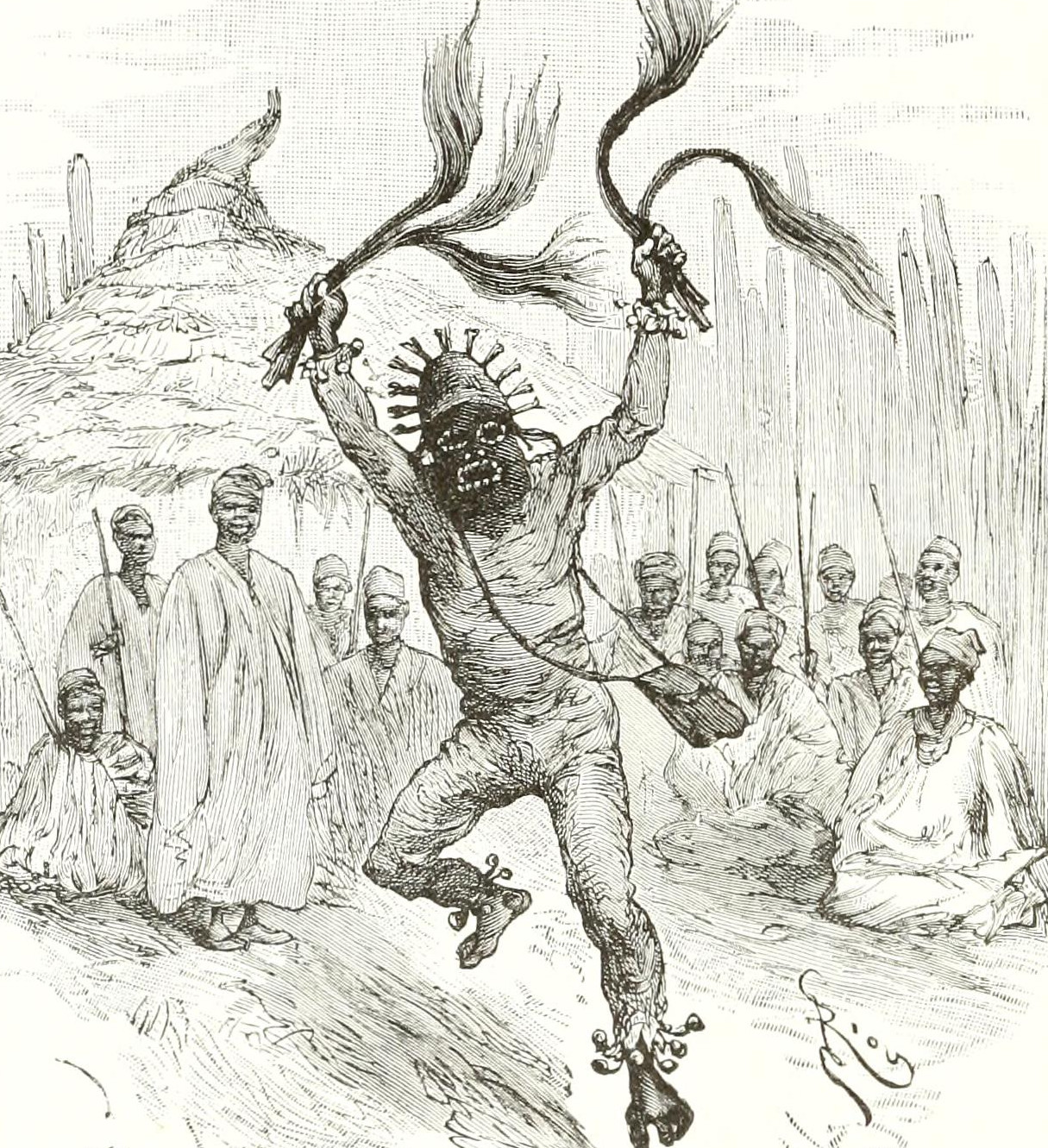 🇺🇸 United States and 2 moreLouisiana Voodoo
An African diasporic religion practiced in Louisiana from the 18th to early 20th centuriesTradition · Healing · Protection Historical
🇺🇸 United States and 2 moreLouisiana Voodoo
An African diasporic religion practiced in Louisiana from the 18th to early 20th centuriesTradition · Healing · Protection Historical
 🇺🇸 United StatesFolk healer
An unlicensed community member who provides healing care using local plants and traditional knowledge.Tradition · Healing · Protection Historical
🇺🇸 United StatesFolk healer
An unlicensed community member who provides healing care using local plants and traditional knowledge.Tradition · Healing · Protection Historical
 🇺🇸 United States and 1 moreGroundhog DayGrund'sau dåk
A North American custom using a burrowing rodent to forecast the end of winterTradition · Seeing and foretelling · Luck and prosperity Living
🇺🇸 United States and 1 moreGroundhog DayGrund'sau dåk
A North American custom using a burrowing rodent to forecast the end of winterTradition · Seeing and foretelling · Luck and prosperity Living
Related elsewhere
All tradition 🇮🇳 IndiaChakraचक्र
Meditation points in the subtle body used in Hindu and Buddhist yogaTradition · Speaking with spirits and the dead · Change and initiation Living
🇮🇳 IndiaChakraचक्र
Meditation points in the subtle body used in Hindu and Buddhist yogaTradition · Speaking with spirits and the dead · Change and initiation Living
 🇪🇸 Spain and 5 moreSt John's Eve
A Christian vigil marked by bonfires and plant gathering on the summer solstice eveRite · Protection · Speaking with spirits and the dead Living
🇪🇸 Spain and 5 moreSt John's Eve
A Christian vigil marked by bonfires and plant gathering on the summer solstice eveRite · Protection · Speaking with spirits and the dead Living
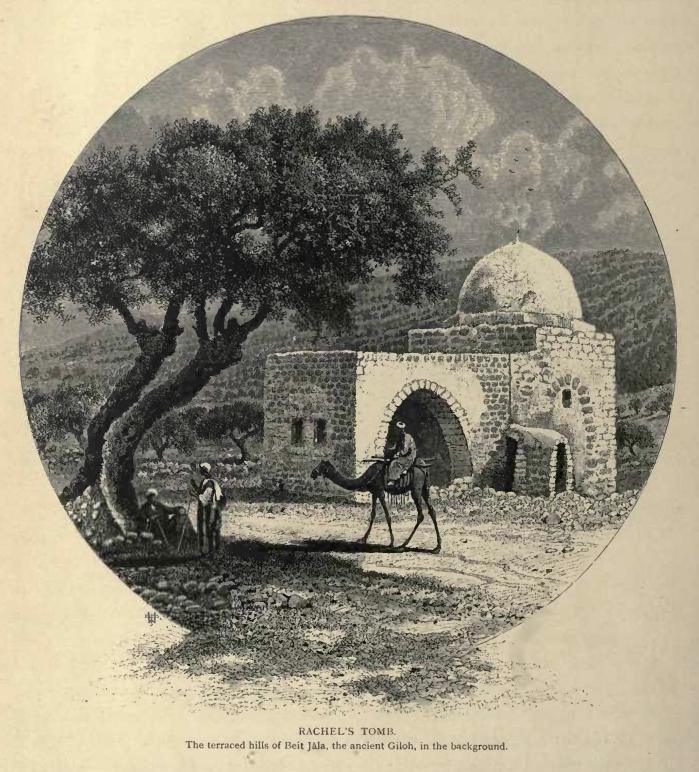 🇵🇸 Palestine and 1 moreRachel's TombQever Raḥel; Qabr Rāḥīl
A shared holy site near Bethlehem revered by Jews, Christians, and MuslimsTradition · Speaking with spirits and the dead · Protection Living
🇵🇸 Palestine and 1 moreRachel's TombQever Raḥel; Qabr Rāḥīl
A shared holy site near Bethlehem revered by Jews, Christians, and MuslimsTradition · Speaking with spirits and the dead · Protection Living
 🇳🇬 NigeriaOrunmilaỌ̀rúnmìlà
Yoruba deity of wisdom and the creator of the Ifá divination systemBeing · Seeing and foretelling · Speaking with spirits and the dead Living
🇳🇬 NigeriaOrunmilaỌ̀rúnmìlà
Yoruba deity of wisdom and the creator of the Ifá divination systemBeing · Seeing and foretelling · Speaking with spirits and the dead Living