
Hypocephalus
from Greek words meaning 'under the head'
An ancient Egyptian disk placed under the head of the dead for protection and rebirth
A hypocephalus is a circular object used in ancient Egypt to shield the deceased. It was positioned beneath the head of the mummy to ensure the body received divine light and warmth in the afterlife.
- Circular disk placed under the head of the dead
- Made of linen, papyrus, bronze, gold, wood, or clay
- Originated in the Saite Dynasty (663–525 B.C.)
- Symbolizes the Eye of Ra and solar cycles
- Over 100 known specimens exist globally
What it is
This item serves as a protective amulet designed for the deceased. Ancient Egyptians crafted it as a small disk from materials such as stuccoed linen, papyrus, bronze, gold, wood, or clay. The object was placed directly under the head of the dead body during burial rituals. Its primary function was to provide magical shielding for the departed soul. Practitioners believed the disk would envelop the head and body in divine light and warmth. This process was intended to transform the deceased into a divine being. The hypocephalus replaced an earlier tradition involving a cow-shaped amulet. It remains a distinct artifact of Egyptian funerary customs.
Where it comes from
The practice began during the Saite Dynasty, which lasted from 663 to 525 B.C. Usage continued for several centuries thereafter. Instructions for creating and using these disks appear in Chapter 162 of the Book of the Dead. This text provides specific guidance for the Late Period. The design likely evolved from earlier protective symbols. The cow-amulet served as a predecessor before this circular form became standard. Scholars trace its development through archaeological finds across Egypt.
How it is done
Artisans constructed the disk using various available materials. Linen coated with stucco was common, though metal and wood were also used. The surface typically featured symbolic imagery related to resurrection. Scenes often connected to the Osirian myth appeared on the face. The upper half represented the world of the living, while the lower half depicted the realm of the dead. This layout mirrored the sun's daily journey. The object was then positioned beneath the head of the mummy during interment.
Tools and materials
Common materials included stuccoed linen, papyrus sheets, bronze plates, gold foil, wooden boards, and clay discs. These substances carried symbolic weight. The imagery often referenced the Eye of Ra or the Eye of Horus. These symbols represented the sun deity. The disk itself stood for everything the sun encircles. Artists painted or carved scenes illustrating death and rebirth concepts. No two known examples are identical in their specific details.
Hypocephalus, drawn and placed
- Living
- Revived
- Fading
- Historical
- Legendary
- Performed
- Lineage
- Ancient Egyptian funerary practice
- Timing
- during burial preparations
What it is for
The primary goal was protection against harm in the afterlife. It ensured the deceased received necessary warmth and light. This divine energy facilitated transformation into a god-like state. The object helped maintain cosmic order by linking the dead to solar cycles. Families requested these items to secure a favorable existence for their loved ones. It addressed fears of darkness and cold in the underworld.
Who does it
Funerary specialists prepared these objects for burial. Artisans crafted them according to religious guidelines. The placement was part of standard mummification rites. Ordinary households commissioned them for family members. Priests may have overseen the ritual positioning. The practice required knowledge of symbolic iconography found in texts like the Book of the Dead.
Peoples and places
Ancient Egyptians utilized this custom extensively. The tradition originated in Egypt and spread within that cultural sphere. Today, specimens are held in institutions worldwide. Major collections exist in European museums, including the British Museum. American institutions like the University of Pennsylvania Museum and the Boston Museum of Fine Arts also house examples. Over one hundred samples are currently documented.
At a glance: who, where and when
Who does it
Peoples
Belief worlds
Occasions


What people believe
The disk symbolized the Eye of Ra, representing solar power. It connected the deceased to the Osirian myth of resurrection. Egyptians viewed sunrise and sunset as cycles of death and rebirth. The object mapped this cosmology onto the body. The upper section corresponded to the daytime world of the living. The lower section matched the nighttime journey through the dead. This alignment ensured the soul could navigate the afterlife successfully.
When it is done
The object was used specifically during funeral rites. It was placed with the body at the time of burial. No specific festivals or calendar days are tied to its creation outside of general funerary preparation. Its use was consistent throughout the year whenever a death occurred.
How scholars and sceptics see it
French egyptologist Brigitte Vallée has studied these artifacts since 1995. She compiled a comprehensive catalogue of over one hundred and sixty specimens. Her work involves classifying, deciphering, and comparing each unique example. Researchers analyze the variations in material and iconography. The diversity of designs helps scholars understand regional or temporal differences in Egyptian belief.
Cautions and what is closed
No specific cautions are recorded regarding the object itself. It is a historical artifact with no active ritual use today. Modern handling requires care to preserve fragile materials like linen and papyrus. Fraudulent replicas may exist in the market, but authentic pieces are well-documented in academic literature.
Compare and confuse
It replaced the earlier cow-amulet in funerary contexts. While similar in protective intent, the form changed from animal representation to abstract cosmic symbolism. Other amulets protected different body parts; this one focused on the head. The Book of the Dead links it to other resurrection spells.
Law and persecution
Ownership of ancient Egyptian artifacts is regulated by international law. Many specimens in museums were acquired during periods of colonial extraction. Modern laws in Egypt restrict the export of such items. Legal disputes sometimes arise over repatriation claims. Museums generally hold these items under legal custody agreements.
Questions people ask about Hypocephalus
What is a hypocephalus?
It is a circular amulet placed under the head of an ancient Egyptian mummy. Crafted from materials like linen or bronze, it provided magical protection and divine warmth to the deceased in the afterlife.
Where did this practice originate?
The custom began during the Saite Dynasty in Egypt, around 663 B.C. It replaced earlier cow-amulets and continued for centuries as part of standard burial rites.
What does the disk symbolize?
It represents the Eye of Ra and the sun's daily journey. The upper half depicts the world of the living, while the lower half shows the realm of the dead, ensuring resurrection.
How many examples are known today?
Scholars have identified just over one hundred specimens. French egyptologist Brigitte Vallée cataloged more than 160 unique examples, noting that no two are exactly alike.
Good reading and sources
- Hypocephalus on WikipediaEncyclopedia
- More photos on Wikimedia CommonsPhotos and video
- Wikidata recordOpen data
The facts on this page come from the Wikipedia article "Hypocephalus", written by its contributors and used under the CC BY-SA 4.0 licence, and from its Wikidata record (CC0). EveryJaadu rewrote the text in its own words, with AI assistance, and compares every page with the article to make sure no passage is copied. It may be reused under the same CC BY-SA 4.0 licence with a link back.
It may contain mistakes. Names and customs differ from one community to the next, and some knowledge is closed to outsiders and left out here. This page describes belief and practice. It does not say that any of it works, it is not a how-to, and it is not medical advice. If something is wrong, tell us. Last refreshed 2026-10-06.
More from Egypt
All the entries from Egypt 🇪🇬 Egypt and 1 moreShen ring
An ancient Egyptian symbol of eternal protection, shaped like a rope looped around a stick.Charm · Protection Historical
🇪🇬 Egypt and 1 moreShen ring
An ancient Egyptian symbol of eternal protection, shaped like a rope looped around a stick.Charm · Protection Historical
 🇪🇬 EgyptScarab
A carved beetle amulet and seal used in ancient Egypt for protection, identity, and ritual.Charm · Protection · Luck and prosperity Historical
🇪🇬 EgyptScarab
A carved beetle amulet and seal used in ancient Egypt for protection, identity, and ritual.Charm · Protection · Luck and prosperity Historical
 🇪🇬 Egypt and 5 moreHamsaخمسة
A palm-shaped amulet used across North Africa and the Middle East to ward off harm.Charm · Protection · Luck and prosperity Living
🇪🇬 Egypt and 5 moreHamsaخمسة
A palm-shaped amulet used across North Africa and the Middle East to ward off harm.Charm · Protection · Luck and prosperity Living
 🇪🇬 EgyptDjedḏd
An ancient Egyptian pillar symbol representing stability and resurrectionCharm · Protection · Power and authority Historical
🇪🇬 EgyptDjedḏd
An ancient Egyptian pillar symbol representing stability and resurrectionCharm · Protection · Power and authority Historical
Related elsewhere
All charm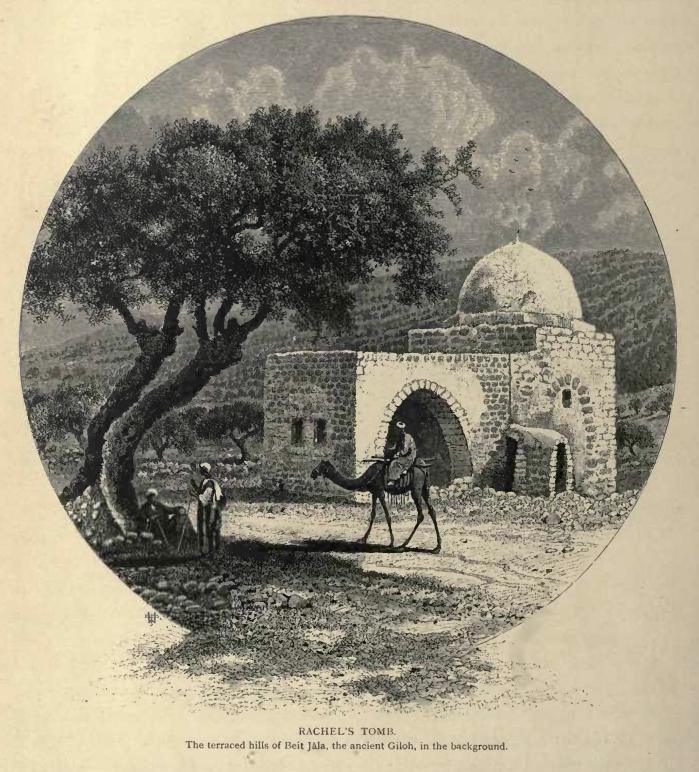 🇵🇸 Palestine and 1 moreRachel's TombQever Raḥel; Qabr Rāḥīl
A shared holy site near Bethlehem revered by Jews, Christians, and MuslimsTradition · Speaking with spirits and the dead · Protection Living
🇵🇸 Palestine and 1 moreRachel's TombQever Raḥel; Qabr Rāḥīl
A shared holy site near Bethlehem revered by Jews, Christians, and MuslimsTradition · Speaking with spirits and the dead · Protection Living
 🇪🇸 Spain and 5 moreSt John's Eve
A Christian vigil marked by bonfires and plant gathering on the summer solstice eveRite · Protection · Speaking with spirits and the dead Living
🇪🇸 Spain and 5 moreSt John's Eve
A Christian vigil marked by bonfires and plant gathering on the summer solstice eveRite · Protection · Speaking with spirits and the dead Living
 🇮🇳 India and 2 moreHomaहोम
A fire ritual found across Asian religions where offerings are burned as a votive exchange with the divine.Rite · Protection · Speaking with spirits and the dead Living
🇳🇿 New ZealandKarakia
Māori recitations used for spiritual guidance, protection, and formal greetingsTradition · Protection · Speaking with spirits and the dead Living
🇮🇳 India and 2 moreHomaहोम
A fire ritual found across Asian religions where offerings are burned as a votive exchange with the divine.Rite · Protection · Speaking with spirits and the dead Living
🇳🇿 New ZealandKarakia
Māori recitations used for spiritual guidance, protection, and formal greetingsTradition · Protection · Speaking with spirits and the dead Living