Theosophy in Scandinavia
from Greek theos, meaning god, and sophia, meaning wisdom
A network of independent lodges studying esoteric philosophy across the Nordic countries.
Theosophy in Scandinavia consists of numerous independent lodges that began forming around 1890. These groups study esoteric philosophy and spiritual teachings, with organizations like the Theosophical Network operating across Denmark, Norway, Sweden, Finland, and Iceland.
- First lodges founded in Scandinavia around 1890
- Danish Section left TS Adyar in 1989 over Bailey's teachings
- Theosophical Network formed in Aarhus in 2004
- Lodges exist in Denmark, Norway, Sweden, Finland, and Iceland
- Independent organizations study esoteric philosophy collectively
What it is
Theosophy in Scandinavia is a collection of independent lodges dedicated to the study of esoteric philosophy. It emerged in the late nineteenth century as members explored ideas about the divine and human nature. The movement focuses on spiritual development and the search for universal truths. Lodges operate separately but share common roots in early theosophical societies. Members gather to discuss texts and explore metaphysical concepts. The tradition emphasizes personal growth and understanding of hidden spiritual laws. It remains active today through various regional networks and associations.
Where it comes from
The first theosophical lodges appeared in Scandinavia around 1890. By 1895, seven lodges existed, prompting the creation of a Scandinavian Section of the TS Adyar based in Stockholm. This section followed a rule where a country could form its own Section after establishing seven lodges. Finland established its Section in 1907, and Iceland followed in 1921. The Danish Section later diverged due to disagreements over Alice Bailey's teachings, leading to independence in 1989. This split resulted in the formation of separate organizations like the Theosophical Association Scandinavia.
How it is done
Members meet in local lodges to study philosophical texts and discuss spiritual ideas. Gatherings often involve reading works by founders or contemporary teachers. Discussions focus on interpreting esoteric principles and applying them to daily life. Some groups participate in broader events like the World Parliament of Religions. The practice relies on group learning and shared exploration rather than ritual performance. Members engage in dialogue to deepen their understanding of theosophical concepts. There are no standardized ceremonies; instead, the focus is on intellectual and spiritual inquiry.
Tools and materials
The primary tools are books, lectures, and discussion groups. Texts by Helena Blavatsky, Henry Steel Olcott, and other theosophical writers are central. Some members also study works by Alice Bailey. Meetings take place in lodge halls or community centers. No specific physical objects or rituals are required for participation. The emphasis is on written material and verbal exchange. Members use these resources to explore themes of consciousness, evolution, and spirituality.
Theosophy in Scandinavia, drawn and placed
- Living
- Revived
- Fading
- Historical
- Legendary
- Performed
- Lineage
- Theosophical Society
What it is for
The main goal is spiritual education and self-improvement. Members seek to understand the deeper nature of reality and their place within it. The tradition aims to foster tolerance and unity among different belief systems. Participants hope to gain insight into universal principles that underlie all religions. The work supports personal transformation through knowledge and reflection. It offers a framework for exploring questions about existence and meaning. Many join to connect with others who share similar interests in esoteric studies.
Who does it
Lodges are led by local members who organize meetings and discussions. Leadership roles rotate among participants depending on the group's structure. Training involves studying core texts and engaging in peer dialogue. There is no formal hierarchy; each lodge operates autonomously. Women and men participate equally in most groups. New members typically start by attending open meetings before joining fully. Experienced members may guide newcomers through introductory materials. The community values voluntary participation and mutual respect.
Peoples and places
The tradition spans five Nordic countries: Denmark, Norway, Sweden, Finland, and Iceland. Each country has developed its own organizational structure over time. Denmark hosts several distinct networks, including the Theosophical Network. Norway and Sweden maintain lodges affiliated with international bodies like TS Adyar and TS Pasadena. Finland and Iceland have smaller but active sections. Cultural differences influence how groups format their meetings and select texts. Despite variations, all groups share a commitment to theosophical principles.
At a glance: who, where and when
Who does it
Belief worlds
What people believe
Theosophy teaches that all beings are part of a single divine source. It proposes that spirits evolve through cycles of rebirth and karma. The tradition views religion as a way to access higher truths. They seek to reconcile science, philosophy, and spirituality. The worldview includes concepts of hidden masters guiding human progress. It suggests that individuals can achieve enlightenment through disciplined study. This perspective encourages openness to diverse spiritual experiences.
When it is done
There are no fixed annual festivals tied specifically to Scandinavian theosophy. Meetings occur regularly throughout the year, often weekly or monthly. Some groups align activities with global theosophical observances. Special events may coincide with birthdays of key figures like Blavatsky. Seasonal changes do not dictate the schedule. Life events such as weddings or funerals might include theosophical elements if requested. The timing is flexible, adapting to member availability and local needs.
How scholars and sceptics see it
Researchers view theosophy as a significant example of modern esotericism. Anthropologists note its role in spreading Eastern ideas to Western audiences. Historians trace its impact on early twentieth-century spiritual movements. Critics argue that some teachings lack empirical support. Scholars appreciate its contribution to interfaith dialogue and comparative religion. Studies highlight how theosophical ideas influenced art, literature, and psychology. The movement's emphasis on universal brotherhood resonates with contemporary values.
Cautions and what is closed
Some groups face internal conflicts over doctrinal interpretations. Disagreements about certain teachers' validity have caused splits. Members must navigate differing opinions on authoritative texts. There is no risk of physical harm, but ideological disputes can strain relationships. Outsiders may find the dense terminology challenging. Financial contributions support lodge operations, though amounts vary. Transparency in governance helps maintain trust among participants.
Compare and confuse
Theosophy shares similarities with other esoteric traditions like Rosicrucianism and Freemasonry. It differs from organized religions by rejecting dogma and clerical authority. Unlike New Age movements, it maintains a structured approach to study. In Scandinavia, it coexists with Lutheran heritage and secular culture. Other Nordic spiritual groups focus on nature worship or folk traditions. Theosophy stands out for its systematic classification of spiritual concepts.
Law and persecution
Theosophical lodges operate legally as non-profit associations in all five countries. They enjoy freedom of religion and assembly under national laws. No special restrictions apply to their activities. Groups register formally to hold property and manage funds. Government oversight ensures compliance with general civil regulations. There are no reports of persecution or legal challenges against theosophists.
Questions people ask about Theosophy in Scandinavia
What is Theosophy in Scandinavia?
It is a collection of independent lodges studying esoteric philosophy across Nordic countries, focusing on spiritual development and universal truths.
Where did it originate?
It began around 1890 when the first lodges were established, leading to regional sections in Stockholm, Helsinki, and Reykjavik.
How are members trained?
Through studying foundational texts, attending meetings, and participating in group discussions without formal initiation rites.
Why did the Danish group become independent?
They disagreed with the TS Adyar's opposition to Alice Bailey's teachings, leading to the creation of separate organizations in 1989.
Is it related to any specific religion?
No, it is an esoteric tradition that draws from multiple religious sources but does not belong to any single organized faith.
Good reading and sources
The facts on this page come from the Wikipedia article "Theosophy in Scandinavia", written by its contributors and used under the CC BY-SA 4.0 licence, and from its Wikidata record (CC0). EveryJaadu rewrote the text in its own words, with AI assistance, and compares every page with the article to make sure no passage is copied. It may be reused under the same CC BY-SA 4.0 licence with a link back.
It may contain mistakes. Names and customs differ from one community to the next, and some knowledge is closed to outsiders and left out here. This page describes belief and practice. It does not say that any of it works, it is not a how-to, and it is not medical advice. If something is wrong, tell us. Last refreshed 2026-10-12.
More from Norway
All the entries from Norway 🇸🇪 Sweden and 2 moreDísdísir
Female spirits of fate and protection in Norse traditionBeing · Protection · Luck and prosperity Historical
🇸🇪 Sweden and 2 moreDísdísir
Female spirits of fate and protection in Norse traditionBeing · Protection · Luck and prosperity Historical
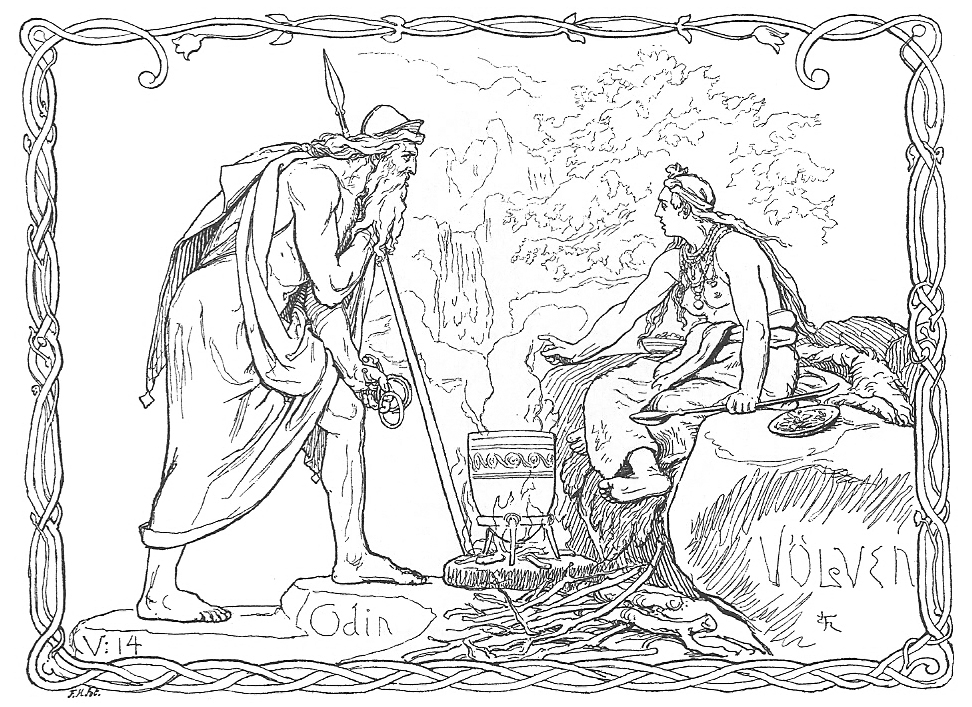 🇮🇸 Iceland and 1 moreNorse mythology
The mythic tales of the North Germanic peoples and their ancient gods.Tradition · Wonder and entertainment Historical
🇮🇸 Iceland and 1 moreNorse mythology
The mythic tales of the North Germanic peoples and their ancient gods.Tradition · Wonder and entertainment Historical
 🇬🇧 United Kingdom and 4 moreCunning folk
European practitioners of folk medicine and helpful magic from the Middle Ages to the twentieth centuryTradition · Protection · Healing Historical
🇬🇧 United Kingdom and 4 moreCunning folk
European practitioners of folk medicine and helpful magic from the Middle Ages to the twentieth centuryTradition · Protection · Healing Historical
 🇸🇪 Sweden and 2 moreGermanic seeressvǫlva
Diviners and sorceresses of early Germanic and Norse societyTradition · Seeing and foretelling · Power and authority Revived
🇸🇪 Sweden and 2 moreGermanic seeressvǫlva
Diviners and sorceresses of early Germanic and Norse societyTradition · Seeing and foretelling · Power and authority Revived
Related elsewhere
All tradition 🇮🇳 IndiaChakraचक्र
Meditation points in the subtle body used in Hindu and Buddhist yogaTradition · Speaking with spirits and the dead · Change and initiation Living
🇮🇳 IndiaChakraचक्र
Meditation points in the subtle body used in Hindu and Buddhist yogaTradition · Speaking with spirits and the dead · Change and initiation Living
 🇮🇱 Israel and 4 moreIsaac Luriaיִצְחָק בן שלמה אשכנזי לוּרְיָא
A sixteenth-century rabbi who founded modern Kabbalah through oral teachings in Safed.Text · Speaking with spirits and the dead · Change and initiation Living
🇮🇱 Israel and 4 moreIsaac Luriaיִצְחָק בן שלמה אשכנזי לוּרְיָא
A sixteenth-century rabbi who founded modern Kabbalah through oral teachings in Safed.Text · Speaking with spirits and the dead · Change and initiation Living
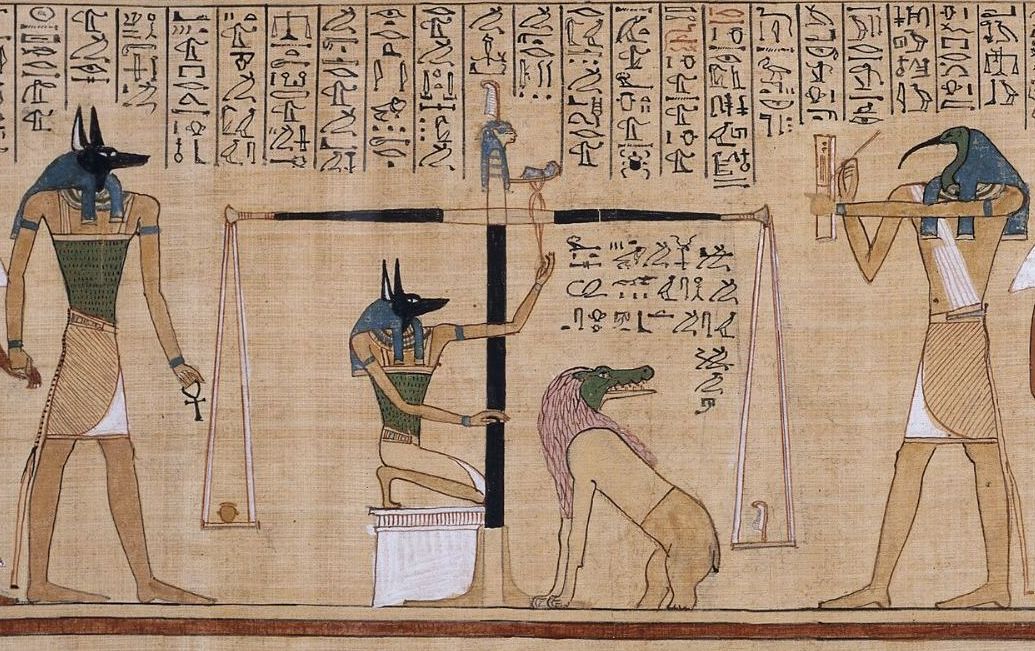 🇪🇬 EgyptAncient Egyptian afterlife beliefs
A system of rituals and texts guiding the soul through the underworld to eternal rebirthTradition · Protection · Speaking with spirits and the dead Historical
🇪🇬 EgyptAncient Egyptian afterlife beliefs
A system of rituals and texts guiding the soul through the underworld to eternal rebirthTradition · Protection · Speaking with spirits and the dead Historical
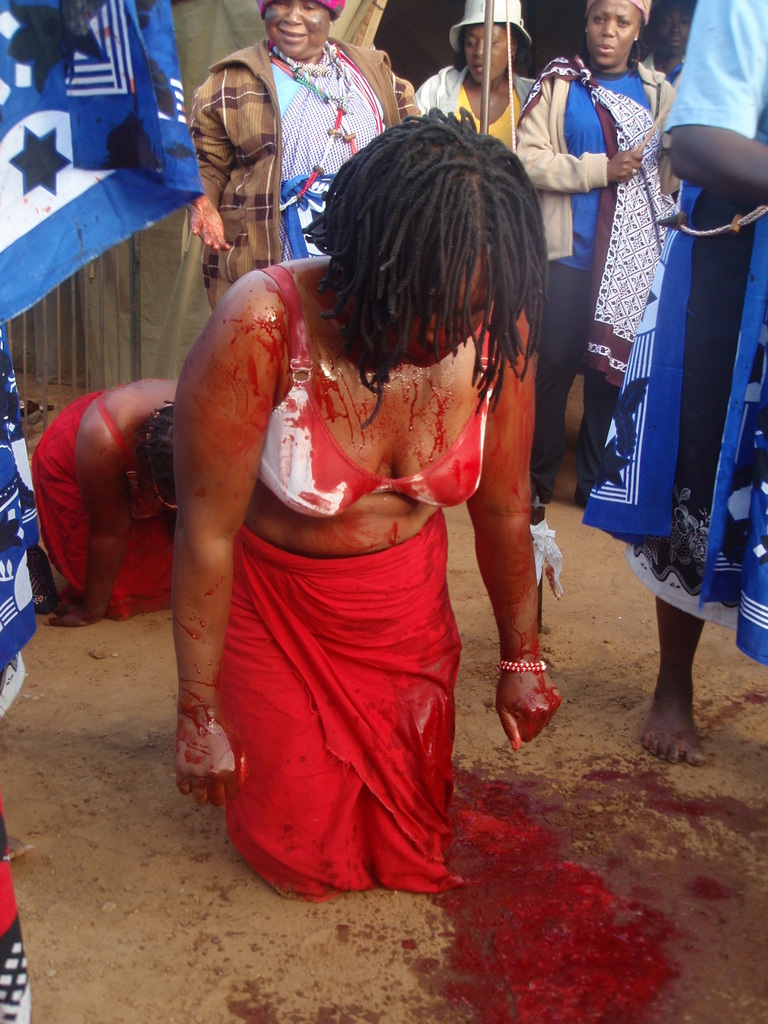 🇿🇦 South AfricaUkuthwasa
A spiritual calling and initiation process for traditional healers in Southern Africa.Rite · Healing · Speaking with spirits and the dead Living
🇿🇦 South AfricaUkuthwasa
A spiritual calling and initiation process for traditional healers in Southern Africa.Rite · Healing · Speaking with spirits and the dead Living