
Patupaiarehe are supernatural beings from Māori mythology described as pale or fair-skinned with blonde or red hair. They inhabit New Zealand's forests and mountains, remaining hidden by mist and active only at night or on foggy days.
- Pale-skinned spirits with blonde or red hair in Māori myth
- Active at night or in mist; sunlight is fatal to them
- Play sweet music on kōauau and pūtōrino flutes
- Original inhabitants of NZ forests and mountains
- Term pakehakeha may be origin of pākehā (European)
What it is
The Patupaiarehe are supernatural entities within Māori mythology, often classified alongside fairies or spirits. They are depicted as human-sized beings with pale to fair skin, blonde or red hair, and no tattoos. Unlike ordinary people, they possess a deep connection to the natural environment, particularly mist and fog. Their presence is typically concealed, making them elusive figures in folklore rather than visible inhabitants of daily life.
Where it comes from
These beings are considered the original inhabitants of certain regions in New Zealand, predating the arrival of the Māori people. Traditions suggest they lived in large, guarded communities before being displaced or driven away by later settlers. Some theories propose that early encounters between Māori and European explorers were interpreted through the lens of these existing myths, potentially linking the term 'pākehā' (European) to an older word for these spirits.
How it is done
The Patupaiarehe do not perform rituals in the conventional sense but exist according to specific natural laws. They avoid direct sunlight, which is fatal to them, and prefer raw food over cooked meals. Their homes are invisible to human eyes, and they remain hidden within dense forests and mountain ranges. Interaction with them is rare and usually occurs under specific atmospheric conditions like fog or at night.
Tools and materials
They play musical instruments known as kōauau and pūtōrino, which are bugle flutes. Their music is described as sweeter than that of humans and can reveal their location on foggy days. They also wear garments made from dyed flax and rough mats. In some stories, they use gourds to carry water from distant sources to their dry mountain homes.
Patupaiarehe, drawn and placed
- Living
- Revived
- Fading
- Historical
- Legendary
- Performed
- Lineage
- Māori mythology
- Timing
- nocturnal, misty days
What it is for
The Patupaiarehe are not worshipped but are respected as powerful neighbors or former owners of the land. They are believed to be hostile to intruders who trespass on their territory. However, they are also capable of interaction, such as teaching weaving skills or forming relationships with humans, though these unions often end in separation due to their supernatural nature.
Who does it
Scholars and Māori elders recount the stories of the Patupaiarehe. The beings themselves are not practitioners but subjects of oral tradition. Different iwi (tribes) have varying descriptions of them, with some viewing them as small beings and others as tall giants. Their history is preserved through narratives passed down through generations, detailing their interactions with human ancestors.
Peoples and places
The Patupaiarehe are central to Māori mythology in New Zealand. North Island traditions place them in specific ranges like Mount Pirongia and the Urewera Ranges. South Island legends often replace them with similar beings called Maero, though some stories persist. Different tribes, such as Ngāti Maru and Arawa, have unique accounts of their chiefs, appearance, and interactions with human ancestors like Īhenga.
At a glance: who, where and when
Peoples
What people believe
In Māori worldview, the Patupaiarehe are he iwi atua, or spirit people. They are part of the spiritual landscape, inhabiting places that hold sacred significance. Their aversion to fire and steam reflects a belief in their elemental nature. They are seen as distinct from humans, possessing their own language, customs, and social structures, yet sharing the same physical world.
When it is done
They are most active during nocturnal hours or on misty, foggy days when their visibility is protected. Direct sunlight is dangerous to them, so they avoid midday exposure. Their presence is often associated with specific times of day or weather conditions that allow them to move freely without being detected by humans.
How scholars and sceptics see it
Anthropologists and historians study the Patupaiarehe as part of Māori oral tradition and mythology. Scholars analyze how these stories reflect historical encounters between Māori and other groups, including Europeans. The variations in descriptions across different tribes provide insights into regional beliefs and the evolution of mythological narratives over time.
Cautions and what is closed
The Patupaiarehe are described as potentially hostile to those who intrude on their lands. Stories warn of dangers associated with interacting with them, such as being dragged away or drowned. Their supernatural nature means that human attempts to capture or control them often fail, highlighting the limits of human power in the face of spiritual forces.
Compare and confuse
The Patupaiarehe are similar to other fairy-like beings in Polynesian and global folklore, such as the Menehune of Hawaii or the Engkanto of the Philippines. These entities share traits like pale skin, mastery of music, and association with mist and mountains. The term 'pakehakeha' may link them to concepts of foreignness or otherness in Māori culture.
Questions people ask about Patupaiarehe
What are the Patupaiarehe?
They are supernatural beings in Māori mythology, described as pale or fair-skinned with blonde or red hair. They are human-sized, never tattooed, and live in mist-covered forests and mountains.
Where do they live?
They inhabit deep forests and hilly or mountainous regions in New Zealand, such as Mount Pirongia and the Urewera Ranges. Their homes are invisible to human eyes and guarded by natural barriers.
How are they revealed?
Their presence is occasionally revealed by the sweet music of their kōauau and pūtōrino flutes on foggy days. They are nocturnal and avoid direct sunlight, which is fatal to them.
Are they related to Europeans?
Some scholars suggest the word pakehakeha, a lesser-known term for Patupaiarehe, may be the origin of pākehā, used for Europeans. Early Māori may have interpreted European explorers as these spirits.
Can humans interact with them?
Yes, traditions say Māori could converse with them. Some stories involve romantic relationships or teachings, like weaving, but these often end in separation due to the spirits' supernatural nature.
Good reading and sources
- Patupaiarehe on WikipediaEncyclopedia
- More photos on Wikimedia CommonsPhotos and video
- Wikidata recordOpen data
The facts on this page come from the Wikipedia article "Patupaiarehe", written by its contributors and used under the CC BY-SA 4.0 licence, and from its Wikidata record (CC0). EveryJaadu rewrote the text in its own words, with AI assistance, and compares every page with the article to make sure no passage is copied. It may be reused under the same CC BY-SA 4.0 licence with a link back.
It may contain mistakes. Names and customs differ from one community to the next, and some knowledge is closed to outsiders and left out here. This page describes belief and practice. It does not say that any of it works, it is not a how-to, and it is not medical advice. If something is wrong, tell us. Last refreshed 2026-10-05.
More from New Zealand
All the entries from New Zealand 🇳🇿 New ZealandTaniwha
Supernatural beings of Māori lore, acting as guardians or dangerous predators in water and earthBeing · Protection · Cursing and harm Living
🇳🇿 New ZealandKarakia
Māori recitations used for spiritual guidance, protection, and formal greetingsTradition · Protection · Speaking with spirits and the dead Living
🇳🇿 New ZealandTaniwha
Supernatural beings of Māori lore, acting as guardians or dangerous predators in water and earthBeing · Protection · Cursing and harm Living
🇳🇿 New ZealandKarakia
Māori recitations used for spiritual guidance, protection, and formal greetingsTradition · Protection · Speaking with spirits and the dead Living
 🇳🇿 New Zealand and 5 moreFace tattoo
Marks inked on the face for spiritual protection, identity, rank, and rite of passageTradition · Protection · Power and authority Living
🇳🇿 New ZealandTohunga Suppression Act 1907
A New Zealand law banning traditional Māori healers and faith practitionersText · Cursing and harm · Protection Historical
🇳🇿 New Zealand and 5 moreFace tattoo
Marks inked on the face for spiritual protection, identity, rank, and rite of passageTradition · Protection · Power and authority Living
🇳🇿 New ZealandTohunga Suppression Act 1907
A New Zealand law banning traditional Māori healers and faith practitionersText · Cursing and harm · Protection Historical
Related elsewhere
All being 🇮🇳 IndiaChakraचक्र
Meditation points in the subtle body used in Hindu and Buddhist yogaTradition · Speaking with spirits and the dead · Change and initiation Living
🇮🇳 IndiaChakraचक्र
Meditation points in the subtle body used in Hindu and Buddhist yogaTradition · Speaking with spirits and the dead · Change and initiation Living
 🇲🇦 Morocco and 5 moreWild rueاسپند
A desert plant whose seeds hold psychoactive alkaloids and serve as incense in the Middle East.Substance · Protection · Speaking with spirits and the dead Living
🇲🇦 Morocco and 5 moreWild rueاسپند
A desert plant whose seeds hold psychoactive alkaloids and serve as incense in the Middle East.Substance · Protection · Speaking with spirits and the dead Living
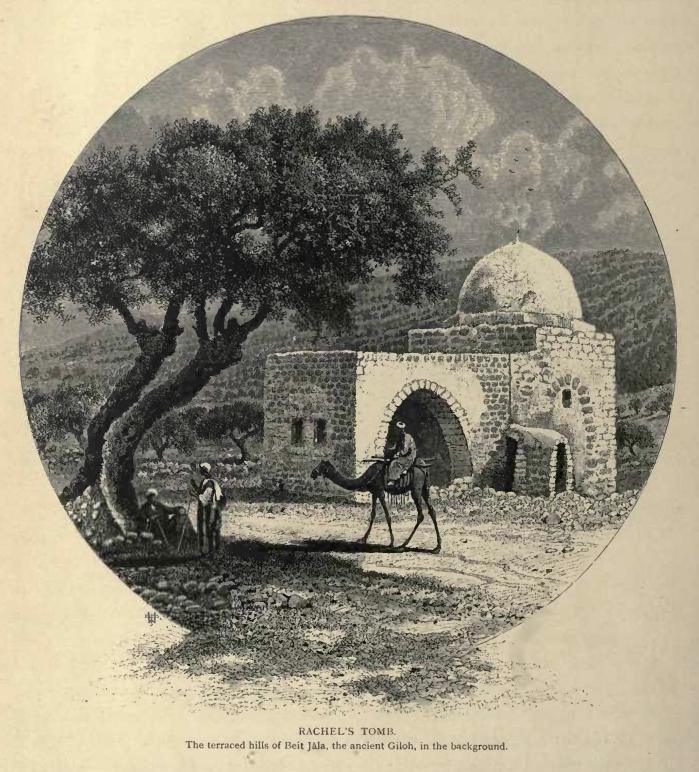 🇵🇸 Palestine and 1 moreRachel's TombQever Raḥel; Qabr Rāḥīl
A shared holy site near Bethlehem revered by Jews, Christians, and MuslimsTradition · Speaking with spirits and the dead · Protection Living
🇵🇸 Palestine and 1 moreRachel's TombQever Raḥel; Qabr Rāḥīl
A shared holy site near Bethlehem revered by Jews, Christians, and MuslimsTradition · Speaking with spirits and the dead · Protection Living
 🇨🇳 China and 1 moreAncestor veneration in China中國傳統宗法性宗教
Rites for dead kin who are thought to watch over the familyTradition · Protection · Speaking with spirits and the dead Living
🇨🇳 China and 1 moreAncestor veneration in China中國傳統宗法性宗教
Rites for dead kin who are thought to watch over the familyTradition · Protection · Speaking with spirits and the dead Living