
Kapre
from Arabic kafir via Spanish cafre, originally referring to non-believers or indigenous Negrito groups
A tree giant of Philippine folklore that smokes cigars and plays pranks on travelers
The kapre is a mythical tree giant from Philippine folklore. Described as tall, hairy, and muscular, it dwells in large trees and is known for smoking cigars and playing mischievous tricks on people.
- Tall, hairy, muscular tree giant from Philippine folklore
- Smokes large cigars; embers mistaken for fireflies
- Word comes from Arabic kafir via Spanish cafre
- Plays pranks; leads travelers astray
- Hides in acacia, mango, and balete trees
What it is
The kapre is a figure in Philippine mythology described as a tree giant. It appears as a tall, dark, hairy, and muscular humanoid. These beings are said to live atop the branches of large trees, such as acacias, mangoes, bamboo, and balete trees. They are often depicted smoking large cigars, with their smoke sometimes mistaken for thick fog or mist rising from the forest canopy. While generally benign, they can be mischievous, leading travelers astray in familiar places like their own gardens.
Where it comes from
The word kapre derives from the Arabic term kafir, meaning non-believer, which entered the Philippines through Spanish colonial contact as cafre. Initially, this label was used by Spanish colonizers and lowland Christians to describe indigenous Negrito groups, including the Aeta people, due to perceived physical similarities. The modern mythical character evolved from these racially charged historical portrayals. Early accounts by Antonio Pigafetta mentioned chapri, describing dark-skinned, tattooed people with barkcloth attire, linking the linguistic root to early encounters with local populations.
How it is done
Kapres are nocturnal creatures that dwell in specific trees. They are believed to possess a magical white stone, smaller than a quail egg, hidden within their possession. If a human obtains this stone, the kapre may grant wishes. They also wear a traditional loincloth called a bahag and may use a belt that renders them invisible to ordinary sight. Their presence is often signaled by rustling branches without wind, loud laughter from unseen sources, or sightings of glowing red eyes in the darkness.
Tools and materials
The kapre is associated with several distinct items. It smokes large cigars, the embers of which are sometimes confused with abundant fireflies in wooded areas. It wears a bahag, an indigenous Northern Philippine loincloth. Some versions mention a belt that grants invisibility and a magical white stone capable of granting wishes to those who find it. The creature itself is described as having a hairy, muscular body and an ugly face.
Kapre, drawn and placed
- Living
- Revived
- Fading
- Historical
- Legendary
- Performed
- Lineage
- Philippine mythology
- Timing
- nocturnal
What it is for
Kapres are not inherently evil but are known for playing pranks on humans. They may disorient travelers in mountains or woods, causing them to lose their way even in familiar surroundings. They might approach humans out of friendship or romantic interest, though their negative aura often drives away potential partners. Those befriended by a kapre may gain the ability to see these otherwise hidden giants, especially if they sit on the creature.
Who does it
The kapre is a legendary being rather than a subject of active ritual practice. It originates from the oral traditions and folklore of the Filipino people. The concept has been adapted into modern popular culture, appearing in comic books, films, and television series. Notable appearances include the Darna superhero comics and various horror and drama films, reflecting its enduring presence in the national imagination.
Peoples and places
The kapre is central to Philippine folklore, particularly among lowland Christianized ethnic groups. Its origins are tied to historical interactions between these groups and indigenous Negrito tribes, such as the Aeta. The creature serves as a cultural memory of colonial-era prejudices and encounters. It remains a recognizable figure in contemporary Filipino storytelling, media, and entertainment, distinguishing it from other mythological entities like the aswang or tikbalang.
At a glance: who, where and when
Peoples
What people believe
Belief in the kapre involves a worldview where spirits inhabit natural elements, specifically large trees. These beings are omnivorous and nocturnal. They are seen as powerful yet capricious entities that can influence human perception and navigation. The belief includes the idea that certain objects, like the white stone, hold magical power. Encounters with kapres are interpreted as supernatural interventions in daily life, ranging from harmless tricks to more unsettling experiences like sudden disorientation or unexplained sounds in the forest.
When it is done
Kapres are primarily active at night, making them nocturnal figures. There are no specific festivals or calendar days dedicated to them in the provided sources. Their presence is felt during nighttime activities in forests or near large trees, rather than on particular seasonal occasions. The lack of structured timing emphasizes their role as unpredictable spirits encountered during everyday life or travel.
How scholars and sceptics see it
Scholars view the kapre as a product of colonial history and racial prejudice. The etymology links the mythical creature to derogatory terms used against indigenous peoples. Anthropologists note how the legend transformed real human groups into monstrous figures, reflecting social tensions during the Spanish period. This perspective highlights the kapre not just as a folk tale, but as a narrative shaped by power dynamics and cultural misunderstanding between colonizers and native populations.
Cautions and what is closed
While generally mischievous, kapres can become vengeful if the tree they inhabit is cut down. They may cause harm or distress to those who disturb their dwelling. The belief system warns against disrespecting nature and the spirits within it. Additionally, the historical context of the kapre’s name involves racial slurs, requiring careful handling when discussing its origins to avoid perpetuating harmful stereotypes about indigenous groups.
Compare and confuse
The kapre is similar to other tree-dwelling or giant spirits in global folklore, such as trolls or nymphs. In the Philippines, it is often grouped with other mythical creatures like the aswang and manananggal. The synonym agta directly links it to the Aeta people, blurring the line between human ethnicity and mythical beast. Unlike stage magic or ritual practices, the kapre exists purely within the realm of myth and legend.
Questions people ask about Kapre
What is a kapre?
A kapre is a mythical tree giant from Philippine folklore. It is described as a tall, dark, hairy, and muscular humanoid that lives in large trees and smokes cigars.
Where does the word kapre come from?
The word comes from the Arabic kafir, meaning non-believer, which entered the Philippines via Spanish as cafre. It was originally used to describe indigenous Negrito groups.
Are kapres dangerous?
They are usually mischievous but benign. However, they can become vengeful if their tree is cut down. They may play tricks that disorient travelers.
How can you tell if a kapre is nearby?
Signs include rustling branches without wind, loud laughter from unseen sources, thick smoke from tree tops, and glowing red eyes at night.
Good reading and sources
- Kapre on WikipediaEncyclopedia
- More photos on Wikimedia CommonsPhotos and video
- Wikidata recordOpen data
The facts on this page come from the Wikipedia article "Kapre", written by its contributors and used under the CC BY-SA 4.0 licence, and from its Wikidata record (CC0). EveryJaadu rewrote the text in its own words, with AI assistance, and compares every page with the article to make sure no passage is copied. It may be reused under the same CC BY-SA 4.0 licence with a link back.
It may contain mistakes. Names and customs differ from one community to the next, and some knowledge is closed to outsiders and left out here. This page describes belief and practice. It does not say that any of it works, it is not a how-to, and it is not medical advice. If something is wrong, tell us. Last refreshed 2026-10-05.
More from the Philippines
All the entries from the Philippines 🇵🇭 PhilippinesAswang
A shape-shifting monster from Philippine folklore that preys on humans.Being · Cursing and harm Legendary
🇵🇭 PhilippinesAswang
A shape-shifting monster from Philippine folklore that preys on humans.Being · Cursing and harm Legendary
 🇲🇾 Malaysia and 5 morePenanggalan
A floating head with trailing organs from Malay folklore, said to hunt pregnant women and newborns.Being · Cursing and harm Legendary
🇲🇾 Malaysia and 5 morePenanggalan
A floating head with trailing organs from Malay folklore, said to hunt pregnant women and newborns.Being · Cursing and harm Legendary
 🇵🇭 PhilippinesTikbalang
A horse-headed spirit of Philippine forests that leads travelers astrayBeing · Cursing and harm · Luck and prosperity Living
🇵🇭 PhilippinesTikbalang
A horse-headed spirit of Philippine forests that leads travelers astrayBeing · Cursing and harm · Luck and prosperity Living
Related elsewhere
All being 🇬🇧 United Kingdom and 2 moreKing ArthurBrenin Arthur
A legendary British king and folk hero of medieval literature and Welsh mythologyFigure · Power and authority · Wonder and entertainment Legendary
🇬🇧 United Kingdom and 2 moreKing ArthurBrenin Arthur
A legendary British king and folk hero of medieval literature and Welsh mythologyFigure · Power and authority · Wonder and entertainment Legendary
 🇪🇬 Egypt and 1 moreSphinx
A mythical hybrid with a human head and lion body, serving as guardian or riddler in Egyptian and Greek traditions.Being · Protection · Wonder and entertainment Legendary
🇪🇬 Egypt and 1 moreSphinx
A mythical hybrid with a human head and lion body, serving as guardian or riddler in Egyptian and Greek traditions.Being · Protection · Wonder and entertainment Legendary
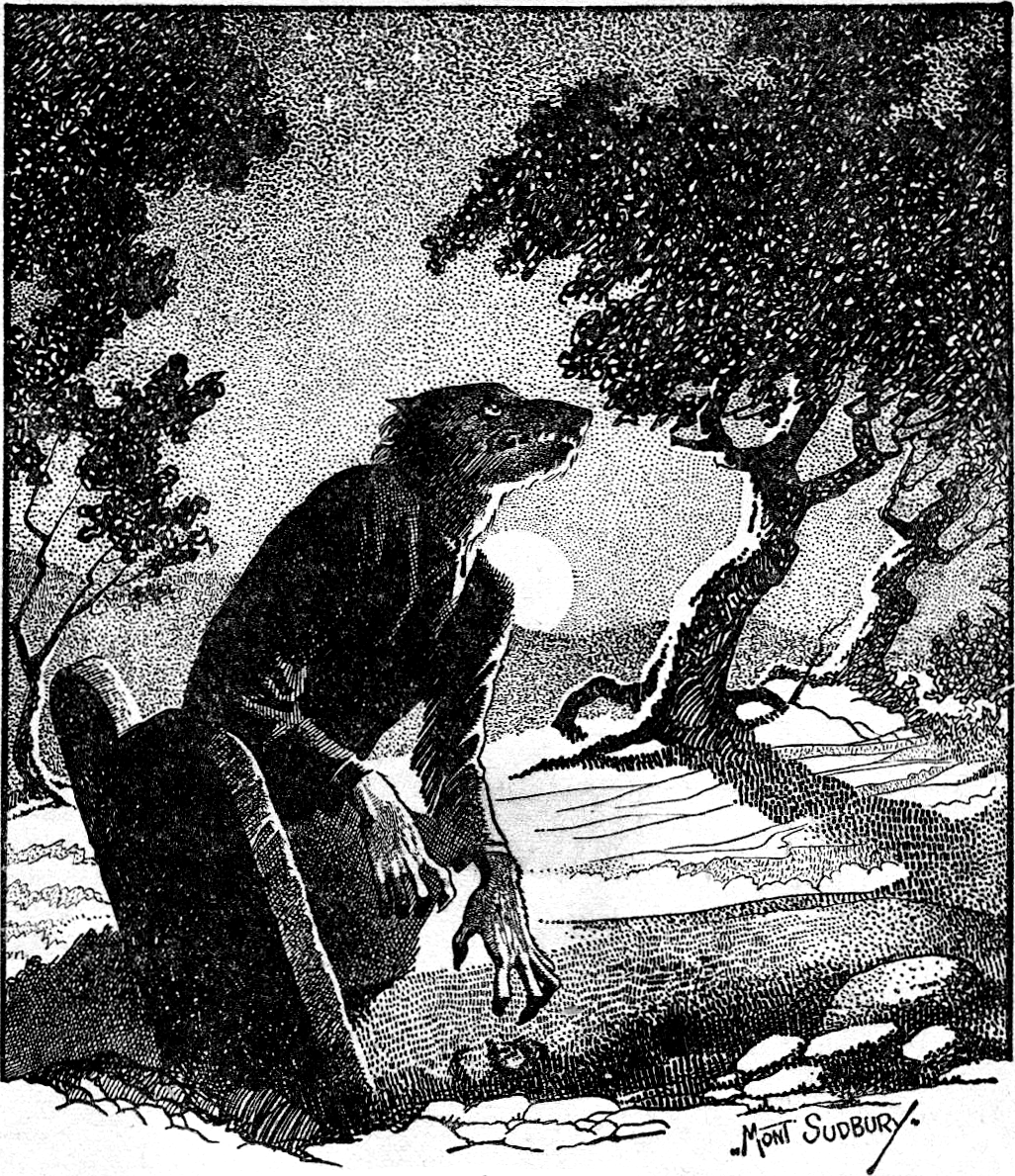 🇫🇷 France and 5 moreWerewolf
A mythical shapeshifter that turns into a wolf, central to European witch-hunts and Gothic horror.Being · Cursing and harm · Wonder and entertainment Legendary
🇷🇺 Russia and 3 moreNart sagaНарты кадджытæ
A collection of epic tales from the North Caucasus about a legendary group of heroes.Text · Wonder and entertainment Historical
🇫🇷 France and 5 moreWerewolf
A mythical shapeshifter that turns into a wolf, central to European witch-hunts and Gothic horror.Being · Cursing and harm · Wonder and entertainment Legendary
🇷🇺 Russia and 3 moreNart sagaНарты кадджытæ
A collection of epic tales from the North Caucasus about a legendary group of heroes.Text · Wonder and entertainment Historical