
Lan Caihe
In its own language: 藍采和
An ambiguous Taoist immortal known for a flower basket and wandering songs
Lan Caihe is one of the Eight Immortals in Taoism, celebrated as a patron of florists. Traditionally said to have lived during the Tang dynasty, this figure was a homeless street entertainer whose gender remains undefined.
What it is
Lan Caihe stands as a mythological figure within the Taoist pantheon, specifically recognized as one of the Eight Immortals. This group represents some of the most well-known deities among hundreds of others in the tradition. Lan Caihe holds a unique position because their gender is described as ambiguous, unlike the other members who are clearly male or female. The figure is widely regarded as the patron saint of florists and gardeners. Their identity is tied to a basket filled with flowers and plants, which serves as their primary symbol. Stories describe Lan as having attained immortality after living a life as a wandering musician, though the exact path to divinity varies across different tales.
Where it comes from
Scholars generally agree that Lan Caihe was not based on a single historical individual. Unlike three other immortals who have clear historical roots, Lan's origins are shrouded in legend. Tradition places the figure's birth sometime during the Tang dynasty, between 618 and 907 CE. Some accounts suggest a later origin during the Five Dynasties period. The earliest recorded stories date back to at least the tenth century. One theory proposes that Lan was modeled after an actor named Xu Jian, who performed under the stage name Lan Caihe. Regardless of these theories, the texts state that the figure's place of origin is unknown.
How it is done
As a mortal, Lan Caihe performed a style of music called stomping songs. This involved singing and dancing while stomping a foot in rhythm, accompanied by wooden or bamboo clappers. The performer would wander through towns and villages, entertaining crowds with improvised philosophical songs. These songs often warned about the brevity of life and urged listeners to seek the Tao. Lan would accept money from audiences but used it only for food and drink, giving the rest to the poor. The coins were often strung on a cord and dragged along the ground. In legends of attaining immortality, Lan discards earthly items like a robe or shoe and rides a cloud or crane to heaven.
Tools and materials
The most distinct tool associated with Lan Caihe is a basket containing flowers, fruit, and medicinal herbs. This basket identifies the figure as the patron of florists. The contents often include the lingzhi mushroom, bamboo, pine, plum blossoms, chrysanthemums, and heavenly bamboo, all symbols of longevity. Lan also carries clappers, sometimes made of jade, which are used in musical performances. A string of cash coins is another common accessory, often left trailing on the ground. In art, the basket may be carried in hand or slung over a shoulder on a hoe.
Lan Caihe, drawn and placed
- Living
- Revived
- Fading
- Historical
- Legendary
- Performed
- Lineage
- Taoist pantheon
What it is for
Lan Caihe is invoked as a patron for those working with plants, such as florists and gardeners. The figure's presence in art and decoration, particularly during Chinese New Year, represents riches and abundance. The songs attributed to Lan serve a philosophical purpose, reminding mortals of the fleeting nature of youth and beauty. By wandering without attachment, Lan exemplifies a spiritual practice of living in accordance with the Tao. The figure teaches that freedom from worldly concerns leads to a direct connection with the Way.
Who does it
Lan Caihe is not a practitioner of magic but a subject of worship and artistic depiction. Artists and writers have portrayed the figure for centuries, leading to varied interpretations of their appearance. Theatre performers often depict Lan wearing feminine clothing while speaking in a masculine voice. Scholars study the figure to understand Taoist mythology and the evolution of the Eight Immortals. The figure is not considered a woman, as He Xiangu holds that role exclusively, yet Lan's gender fluidity allows for diverse representations in literature and visual arts.
Peoples and places
Lan Caihe is a central figure in Chinese mythology and Taoism. The figure is deeply embedded in Chinese culture, appearing in literature, theatre, and decorative arts. Depictions of Lan can be found in China, Hong Kong, Taiwan, Japan, Singapore, Vietnam, and Ireland, reflecting the spread of Taoist and cultural influences. The figure is recognized across East Asia as part of the broader pantheon of immortals. Different regions may emphasize various aspects of Lan's story, such as the musical performance or the floral symbolism.
At a glance: who, where and when
Peoples
Belief worlds


What people believe
In Taoism, Lan Caihe represents eternal youth, innocence, and mastery over the physical body. The figure's ability to withstand extreme weather, such as sleeping naked on snow or wearing heavy clothes in summer, demonstrates control over bodily needs. The bare foot is linked to Buddhist imagery of survival beyond death and symbolizes the freeing of the soul. Lan's wandering lifestyle reflects the Tao Te Ching's praise for those who drift without intention, allowing the Tao to guide them. The figure embodies the idea that spiritual enlightenment comes from detachment and simplicity.
When it is done
However, images of Lan and the other Eight Immortals appear in decorations for Chinese New Year. During this time, Lan's flower basket is displayed as a motif representing prosperity and abundance. The figure is also featured on imperial dragon robes from the Qing dynasty, indicating ceremonial importance. There are no specific monthly or lunar events mentioned in the provided text.
Questions people ask about Lan Caihe
Where does Lan Caihe come from?
As our sources describe it, Lan Caihe belongs to China. Communities differ in what they call it and how they keep it.
What kind of thing is Lan Caihe?
As our sources describe it, Lan Caihe belongs with the being entries in a guide to magic. What it is believed to do depends on who is speaking, and scholars read it differently from those who practise it.
Is Lan Caihe still practised?
Our sources place Lan Caihe among the entries that are legendary. Known from myth, story and legend rather than from recorded practice.
Which peoples keep Lan Caihe?
As our sources describe it, Lan Caihe is kept by Chinese. Others now know it too, often in changed forms.
Good reading and sources
- Lan Caihe on WikipediaEncyclopedia
- More photos on Wikimedia CommonsPhotos and video
- Wikidata recordOpen data
The facts on this page come from the Wikipedia article "Lan Caihe", written by its contributors and used under the CC BY-SA 4.0 licence, and from its Wikidata record (CC0). EveryJaadu rewrote the text in its own words, with AI assistance, and compares every page with the article to make sure no passage is copied. It may be reused under the same CC BY-SA 4.0 licence with a link back.
It may contain mistakes. Names and customs differ from one community to the next, and some knowledge is closed to outsiders and left out here. This page describes belief and practice. It does not say that any of it works, it is not a how-to, and it is not medical advice. If something is wrong, tell us. Last refreshed 2026-10-05.
More from China
All the entries from China 🇨🇳 China and 3 moreChinese dragon龍
A legendary water deity and imperial symbol in East Asian cultureBeing · Protection · Luck and prosperity Historical
🇨🇳 China and 3 moreChinese dragon龍
A legendary water deity and imperial symbol in East Asian cultureBeing · Protection · Luck and prosperity Historical
 🇨🇳 China and 2 moreEight Immortals八仙
Eight legendary Taoist figures of China, each with a power and a vesselFigure · Protection · Healing Living
🇨🇳 China and 2 moreEight Immortals八仙
Eight legendary Taoist figures of China, each with a power and a vesselFigure · Protection · Healing Living
 🇨🇳 China and 2 moreXiezhi獬豸
A one-horned beast from East Asia that separates the guilty from the innocentBeing · Cursing and harm · Protection Legendary
🇨🇳 China and 2 moreXiezhi獬豸
A one-horned beast from East Asia that separates the guilty from the innocentBeing · Cursing and harm · Protection Legendary
 🇨🇳 China and 2 moreFox spirit狐狸精
A shapeshifting creature from Chinese folklore that can take human form and live for centuries.Being · Cursing and harm · Love and attraction Legendary
🇨🇳 China and 2 moreFox spirit狐狸精
A shapeshifting creature from Chinese folklore that can take human form and live for centuries.Being · Cursing and harm · Love and attraction Legendary
Related elsewhere
All being 🇬🇧 United Kingdom and 2 moreKing ArthurBrenin Arthur
A legendary British king and folk hero of medieval literature and Welsh mythologyFigure · Power and authority · Wonder and entertainment Legendary
🇬🇧 United Kingdom and 2 moreKing ArthurBrenin Arthur
A legendary British king and folk hero of medieval literature and Welsh mythologyFigure · Power and authority · Wonder and entertainment Legendary
 🇪🇬 Egypt and 1 moreSphinx
A mythical hybrid with a human head and lion body, serving as guardian or riddler in Egyptian and Greek traditions.Being · Protection · Wonder and entertainment Legendary
🇪🇬 Egypt and 1 moreSphinx
A mythical hybrid with a human head and lion body, serving as guardian or riddler in Egyptian and Greek traditions.Being · Protection · Wonder and entertainment Legendary
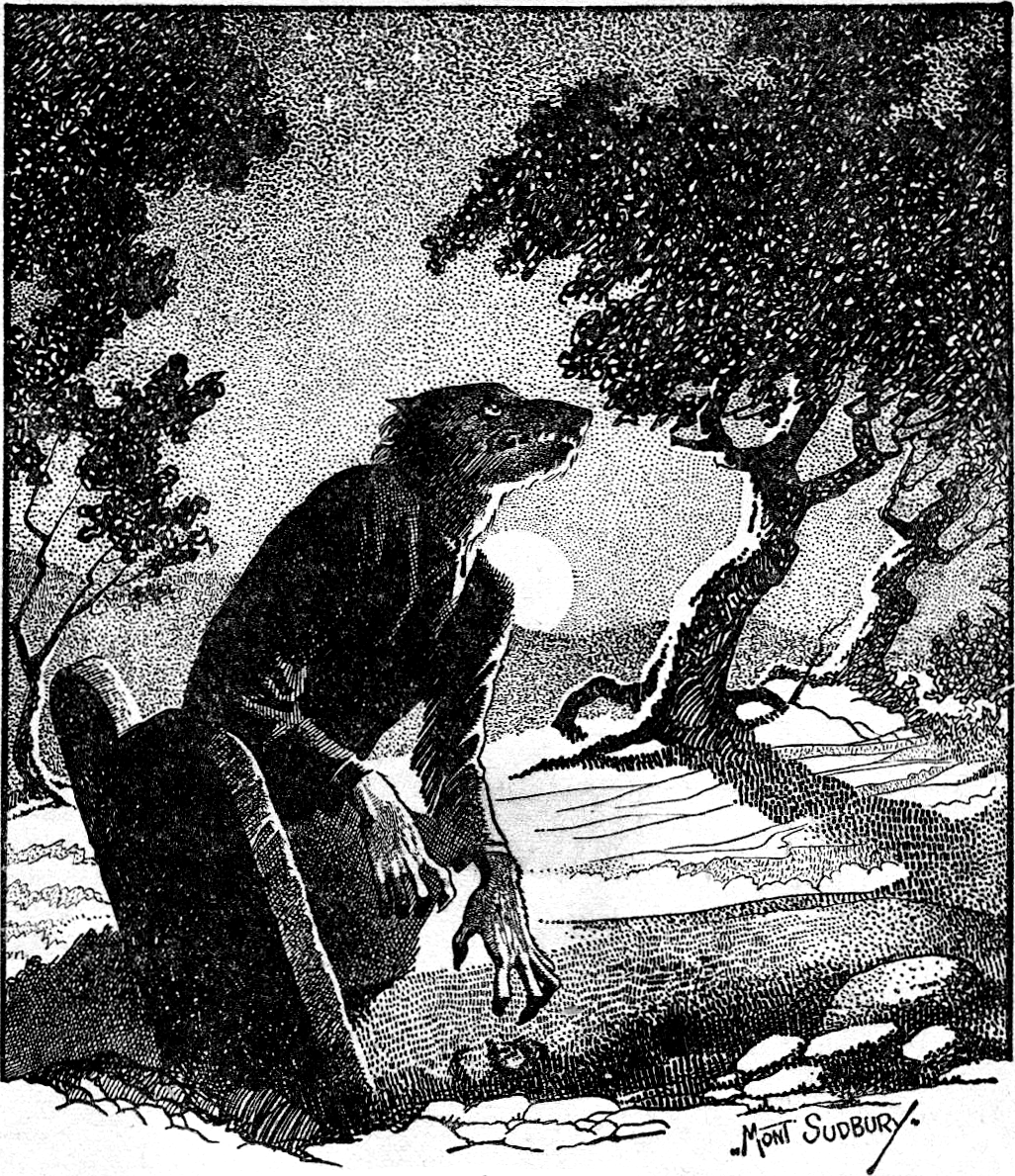 🇫🇷 France and 5 moreWerewolf
A mythical shapeshifter that turns into a wolf, central to European witch-hunts and Gothic horror.Being · Cursing and harm · Wonder and entertainment Legendary
🇫🇷 France and 5 moreWerewolf
A mythical shapeshifter that turns into a wolf, central to European witch-hunts and Gothic horror.Being · Cursing and harm · Wonder and entertainment Legendary
 🇬🇧 United KingdomBeltane Fire Festival
A modern Edinburgh performance celebrating the start of summer with fire and danceRite · Wonder and entertainment · Power and authority Living
🇬🇧 United KingdomBeltane Fire Festival
A modern Edinburgh performance celebrating the start of summer with fire and danceRite · Wonder and entertainment · Power and authority Living