🇪🇬 Magic in Egypt
207 entries from Egypt, best known first, across 62 places of magic.
Ancient Egyptian religion rested on about 1,500 named deities and on the pharaoh as a divine go-between who kept cosmic order, Ma'at, against chaos, Isfet. Beside state temples, people prayed and used magic to seek help or press the gods to act. Funerary care for the dead ran through the tradition, which was suppressed in Christian times, ended by the 530s, and later gave way to Islam.
- About 1,500 deities are known from ancient Egyptian religion.
- Akhenaten replaced most official gods with the Aten and moved the capital to Amarna.
- The winged sun disk with cobras was a protective sign on temples.
- The Pyramid Texts are a key source for early Egyptian theology.
- Mummification stopped and the religion was considered dead by the 530s.
Overview
Egyptian religion grew from prehistoric roots and lasted about 3,500 years. Its pantheon was not fixed: gods gained or lost rank, and their family ties were rearranged. Different communities venerated their own local gods; when one community absorbed another, the defeated god might be folded into a rival's story or dropped. Scholars have noted close cultural links with Eastern African peoples and an African base, rather than origins in Mesopotamia or the Mediterranean. Some connect the land of Punt, called Ta netjer or God's Land, with the home of certain deities or ancestors. In the New Kingdom, contact brought Near Eastern gods into Egypt, while Nubians took up Egyptian beliefs, especially Amun. Magic and private devotion sat next to temple ritual, not outside it.
Practices and beliefs
People approached the gods with prayer and gifts, and also tried to compel them by magic. Oracles answered questions and guided decisions, and those who read them, the priests, gained wealth and influence. Animal cults became a common form of worship in the first millennium BC. Protective signs were built into sacred spaces: a winged sun disk with cobras appears on temple ceilings and ceremonial entrances. Devotion to Isis increased; she was invoked for safety, for magic and for deliverance, and she became Egypt's leading goddess. The fertility god Min was shown as a bearded man with an erect penis, known from large statues at Koptos.
Rites and charms
Temple rites were state business. The pharaoh was thought to hold divine power and had to keep the gods supplied with offerings, so that Ma'at, right order, would hold and Isfet, chaos, would be pushed back. Funerary customs were equally serious: tombs, grave goods and offerings were prepared to preserve the body and spirit after death. Mummification belonged to this care. Pyramid complexes and mortuary temples replaced earlier tomb forms. The Pyramid Texts, first written in the Old Kingdom, describe solar and Osirian views of the afterlife and preserve older ideas. Akhenaten briefly directed worship to the Aten alone.
Who practises
Formal religion belonged to the pharaoh and the priests. The ruler was seen as a divine figure and a bridge between people and gods, bound to maintain offerings and cosmic order. Over time the priesthood grew more professional, especially at Thebes, where scholars of the temple produced detailed theology about Amun's universal power. Oracle interpreters came from the priesthood; as decisions were increasingly made by consulting oracles, these priests collected wealth and influence. Ordinary people could also act for themselves, praying or using magic to press a god for help, so religious action was not only a temple monopoly.
Regions and communities
Different communities venerated their own local gods, and cult centres shaped national religion. Nekhen in Upper Egypt was a leading site for Horus. Abydos held early royal funerary complexes. Heliopolis linked Atum, Ra, Osiris and Set in one creation story, the Ennead, and later became the heart of the sun cult. Thebes promoted Montu, then Amun, whose temple at Karnak became Egypt's chief religious centre. Behdet in the Delta was tied to Horus and the winged disk. Koptos was associated with Min. Nubians under Egyptian rule adopted Amun as their own.
The calendar
Death shaped the ritual year as far as this account shows: tombs, grave goods and offerings were prepared to keep body and spirit safe, and mummification was part of that care. The Pyramid Texts set out solar and Osirian hopes for the next life. Daily temple service involved prayer and offerings to the gods, and private devotion could happen at any time.
Law and the state
The state could promote or crush a cult. Akhenaten removed official support for most gods, moved the capital to Amarna and let only the Aten receive worship through him; his successors restored the old system and took down Atenist monuments. Temples received huge state resources, and the pharaoh was obliged to fund and perform rites. After Rome took Egypt in 30 BC, the religion became decentralized. In Christian times it was suppressed. Mummification stopped, and the tradition was regarded as fully dead by the 530s.
Today
Egyptian religion ended as a living tradition. Mummification stopped, and the faith was judged fully dead by the 530s. After the Arab conquest under Amr ibn al-As, people in Egypt converted to Islam. Its writings and monuments survive, and they have shaped later and modern cultures.
The facts in this overview come from the Wikipedia article "Ancient Egyptian religion", written by its contributors and used under the CC BY-SA 4.0 licence. EveryJaadu rewrote the text in its own words, with AI assistance, and compares every page with the article to make sure no passage is copied. It may be reused under the same CC BY-SA 4.0 licence with a link back.
Places of magic in Egypt
 🇮🇶 Iraq and 4 moreAstrology
A system of divination that links human affairs to the positions of celestial bodiesTradition · Seeing and foretelling · Luck and prosperity Living
 🇪🇬 Egypt and 1 moreSphinx
A composite creature of human head and lion body found in Egyptian and Greek mythBeing · Protection Legendary
 🇪🇬 Egypt and 1 moreLilithלִילִית
A feminine figure from Mesopotamian and Jewish mythology, often depicted as a night demon or spirit.Being · Cursing and harm Legendary
 🇪🇬 EgyptCurse
A spoken wish for harm, often backed by ritual or divine authorityBelief · Cursing and harm · Protection Historical
 🇪🇬 Egypt and 5 moreAmulet
A portable object worn or carried to ward off harm and invite fortuneCharm · Protection · Luck and prosperity Living
 🇪🇬 EgyptPapyrus of Ani
A decorated Egyptian scroll for the afterlife, held in LondonText · Protection · Speaking with spirits and the dead Historical
 🇪🇬 Egypt and 1 moreCorpus Hermeticum
A collection of Greek writings attributed to Hermes Trismegistus that shaped Western esoteric thoughtText · Speaking with spirits and the dead · Change and initiation Historical
 🇪🇬 EgyptAbraxasἈβράξας
A Gnostic archon and the name on ancient protective gemstonesBeing · Protection Historical
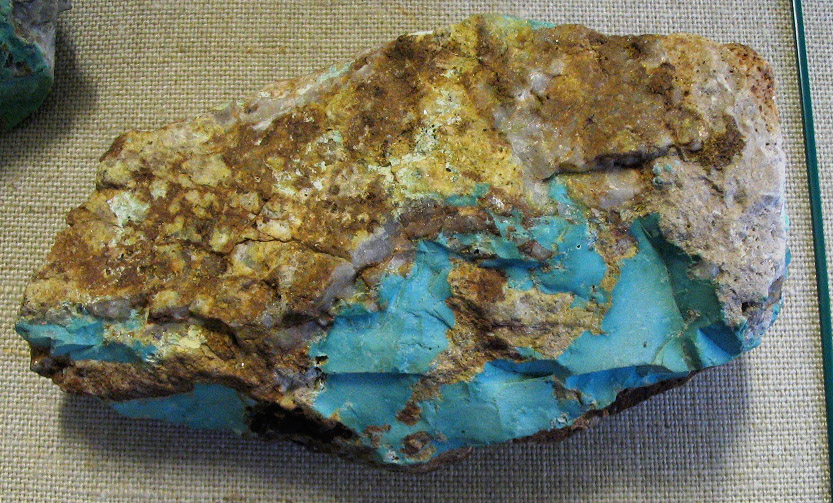 🇮🇷 Iran and 5 moreTurquoise
An opaque blue-green gemstone prized for its color since ancient timesSubstance · Protection · Luck and prosperity Living
 🇬🇧 United Kingdom and 5 moreAleister Crowley
English occultist and founder of the religion of ThelemaText · Power and authority · Change and initiation Living
 🇪🇬 EgyptKhaemwesetḫꜥ m wꜣst
A prince and priest remembered for restoring ancient Egyptian monuments.Figure Historical
 🇪🇬 Egypt and 2 moreSibylline Oracles
A mixed collection of ancient prophecies attributed to pagan prophetesses but shaped by Jewish and Christian writers.Text · Seeing and foretelling Historical
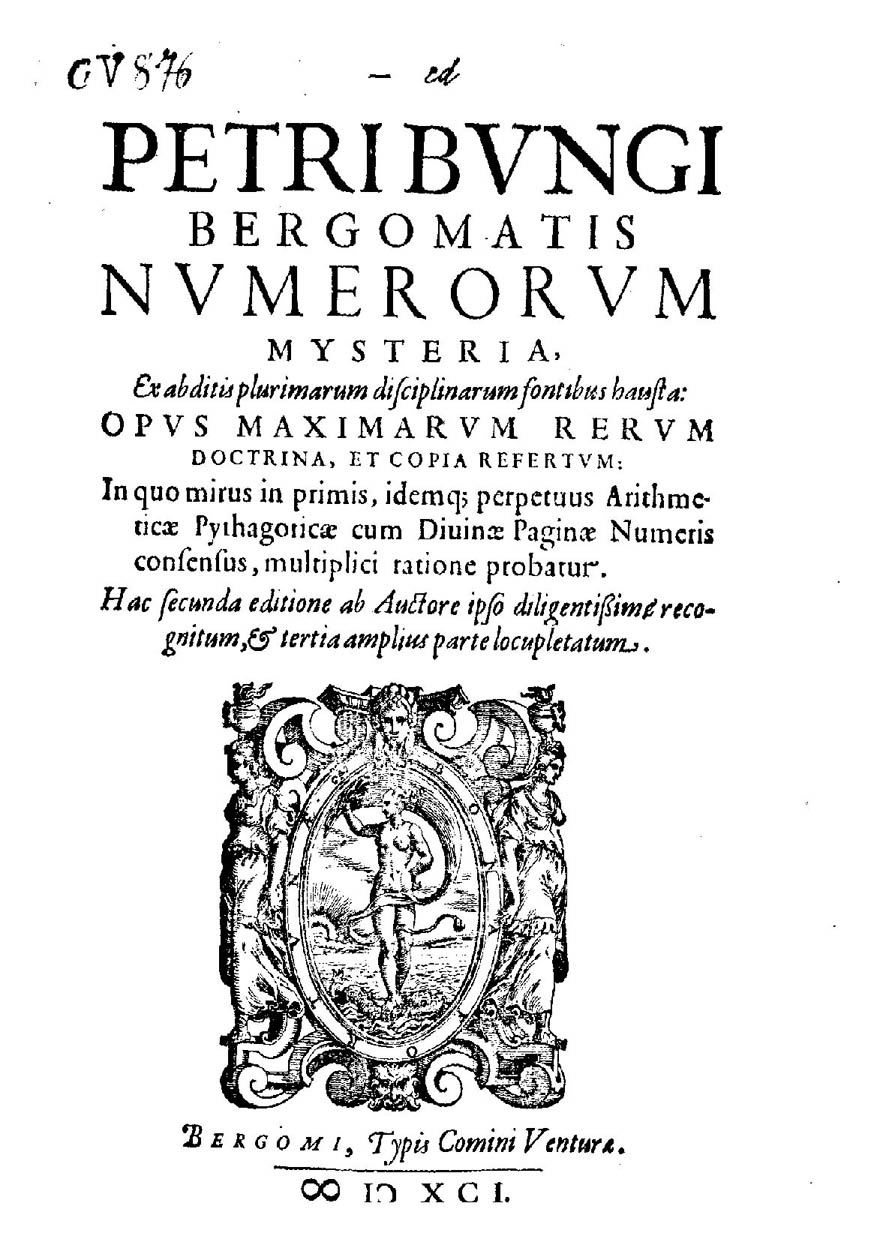 🇬🇷 Greece and 2 moreNumerology
The belief that numbers hold hidden meanings and influence human events.Belief · Seeing and foretelling · Luck and prosperity Historical
🇮🇱 Israel and 2 moreBelialבְּלִיַּעַל
A Hebrew term for worthlessness that evolved into a demon of darkness in Jewish and Christian texts.Being · Cursing and harm Historical
 🇪🇬 Egypt and 5 moreTalisman
An object believed to channel specific forces for protection, healing, or influence.Charm · Protection · Healing Historical
 🇩🇿 Algeria and 1 moreAhmad al-Buniأحمد البوني المالكي
A medieval Sufi scholar known for works on letter mysticism and talismansText · Power and authority · Seeing and foretelling Historical
 🇪🇸 Spain and 5 moreIbn Arabiمحيي الدين أبو عبد الله محمد بن علي بن عربي الحاتمي الطائي
A medieval Andalusian mystic and philosopher whose teachings shaped Sufi metaphysics across the Islamic world.Text · Speaking with spirits and the dead · Change and initiation Living
 🇦🇺 Australia and 1 moreTattoo
A permanent mark made by placing pigment under the skin to form a design.Tradition · Protection · Power and authority Living
 🇮🇷 Iran and 2 moreJabir ibn Hayyanجابِر بِن حَيّان
A legendary Islamic alchemist and philosopher whose writings shaped medieval magic and chemistryText · Power and authority · Wonder and entertainment Historical
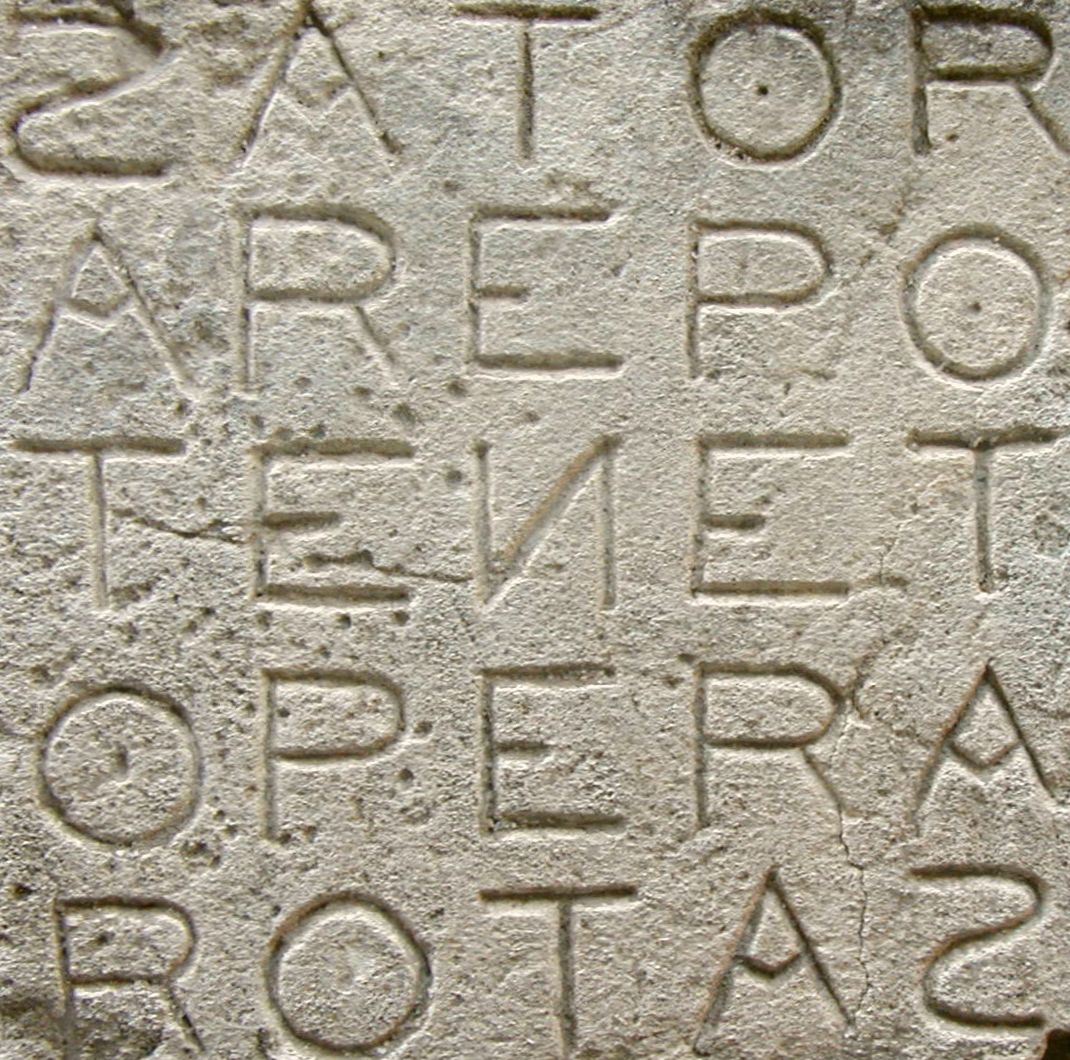 🇮🇹 Italy and 5 moreSator Square
A five-word Latin palindrome found in Roman ruins and medieval churchesCharm · Protection · Healing Historical
 🇪🇬 EgyptImhotepỉỉ-m-ḥtp
An ancient Egyptian architect deified as a god of healing and wisdomBeing · Healing · Power and authority Historical
🇪🇬 EgyptDjedi
A fictional magician from the Westcar Papyrus who resurrects animals and foretells a king's lineage.Figure · Seeing and foretelling · Wonder and entertainment Legendary
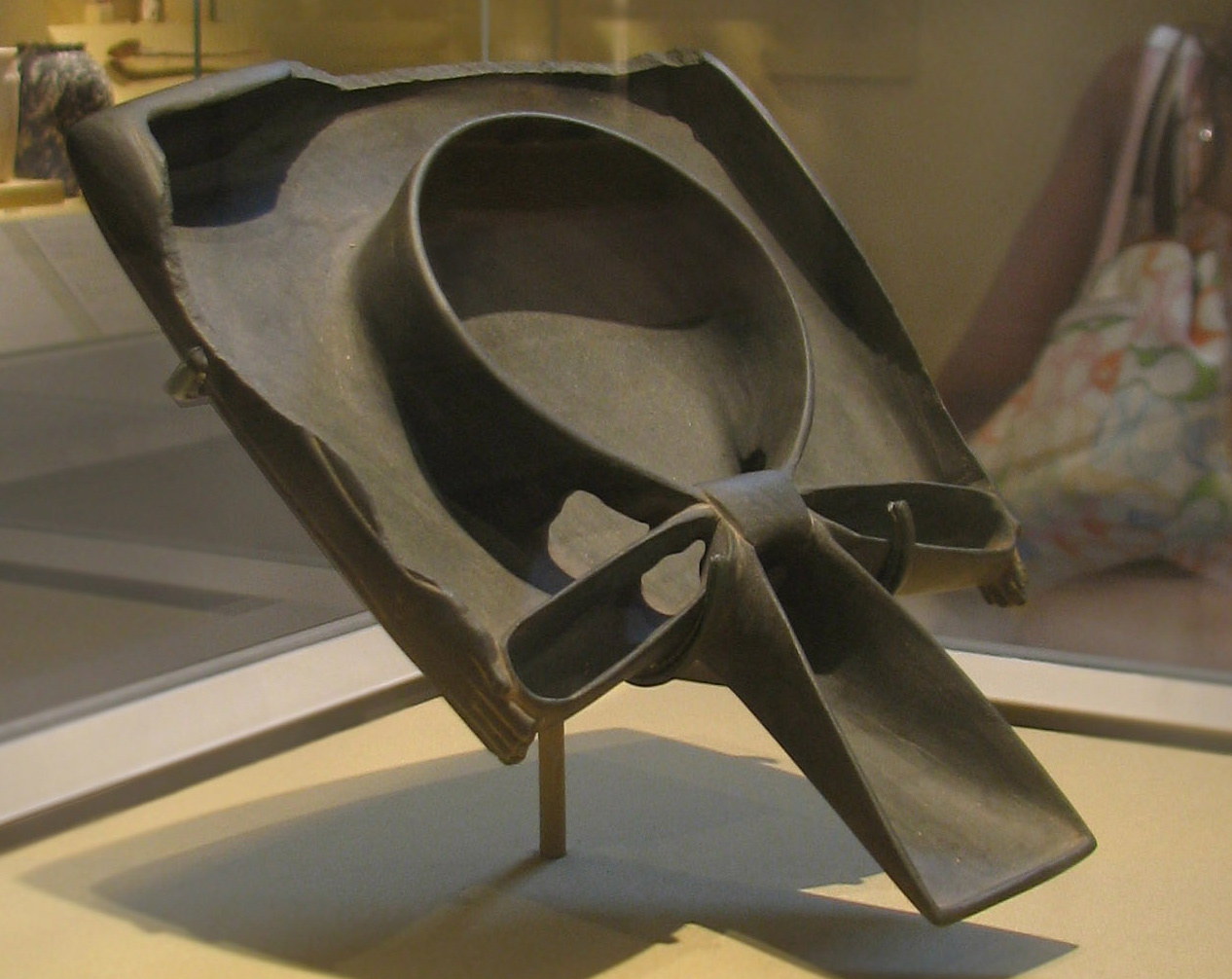 🇪🇬 Egypt and 2 moreAnkh
Ancient Egyptian hieroglyph for life and the amulet that carries its meaningCharm · Protection · Power and authority Historical
 🇪🇬 Egypt and 1 moreJannes and Jambresיניס וימבריס
Named Egyptian magicians who opposed Moses in biblical traditionFigure · Cursing and harm Historical
 🇪🇬 Egypt and 2 moreIsisꜣst (Egyptian)
Egyptian goddess of magic, mourning and kingship, mother of HorusBeing · Protection · Healing Historical
 🇮🇹 Italy and 2 moreAugury
A Roman rite of reading bird behavior to learn the will of the godsRite · Power and authority · Seeing and foretelling Historical
 🇪🇬 Egypt and 1 moreFoundation deposit
Ritual burial of objects under buildings to protect them from ruinRite · Protection Historical
 🇪🇬 EgyptLucifer
A Latin name for the planet Venus that became an epithet for the Devil in Christian traditionFigure · Cursing and harm Historical
 🇪🇬 Egypt and 1 moreBehemothבְּהֵמוֹת
A primeval land-monster from the Book of Job and later Jewish legendBeing · Power and authority Legendary
 🇮🇱 Israel and 2 moreLeviathanלִוְיָתָן (Livyaṯān)
A primordial sea monster from ancient Near Eastern myth and biblical textBeing · Cursing and harm · Power and authority Historical
 🇪🇬 Egypt and 5 moreSacred dance
Movement used in worship to honour deities, heal communities, or connect with the spirit world.Tradition · Protection · Healing Living
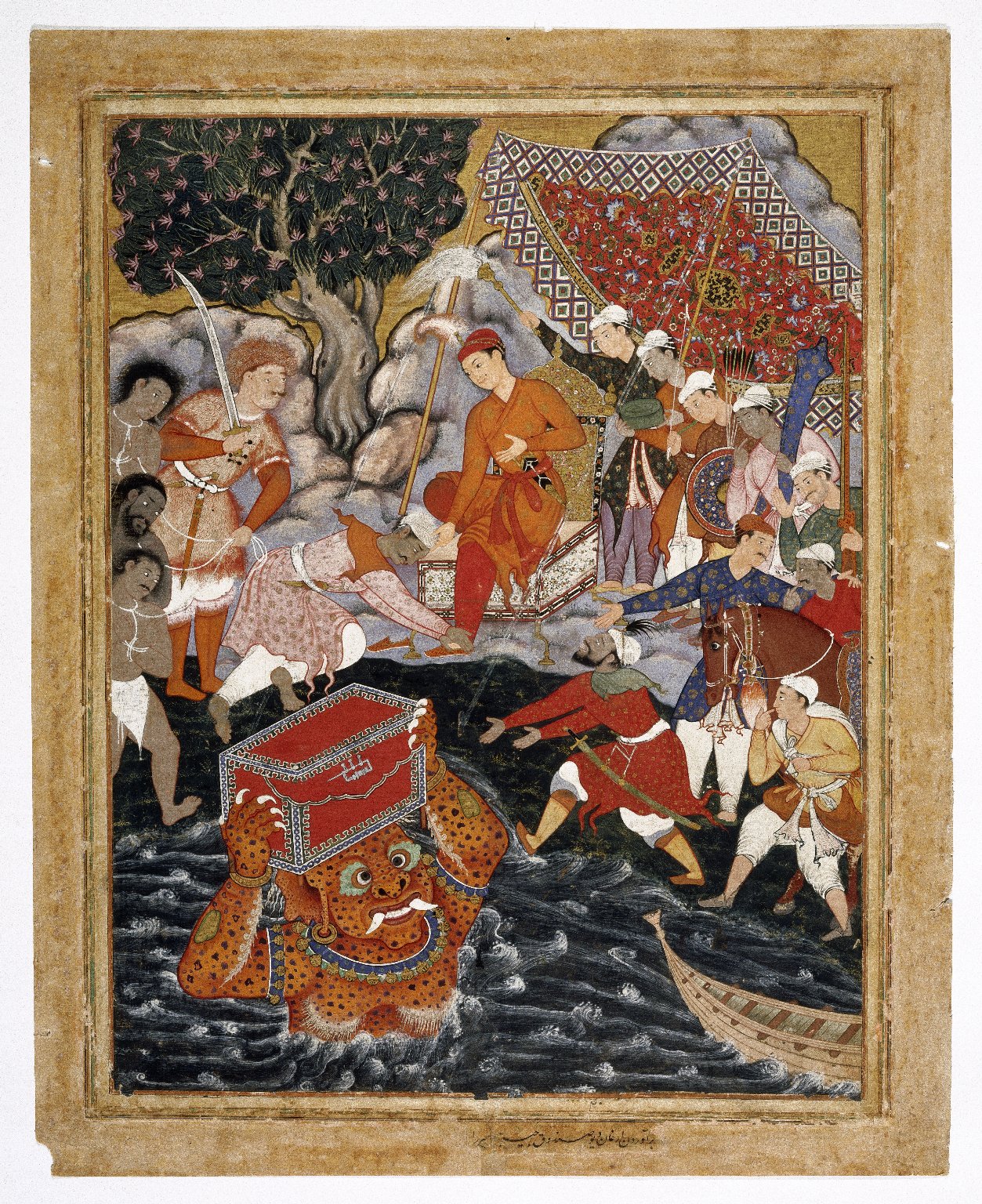 🇪🇬 Egypt and 3 moreIfritعفريت
A class of powerful chthonic spirits in Islamic tradition and folkloreBeing · Cursing and harm · Power and authority Historical
 🇫🇷 France and 1 moreBaphomet
A name from medieval trials and a symbol of occult equilibriumFigure · Power and authority Legendary
 🇮🇳 India and 5 moreSnake worship
Veneration of serpents as divine or ancestral beings across global culturesTradition · Protection · Healing Living
 🇮🇳 India and 5 moreSnake charming
A street performance using a gourd flute to make snakes swayIllusion · Wonder and entertainment · Luck and prosperity Fading
 🇪🇬 Egypt and 1 moreAncient Egyptian religion
Polytheistic worship, divine kingship, and funerary rites along the NileTradition · Protection · Speaking with spirits and the dead Historical
🇪🇬 EgyptHekaḥkꜣw
The ancient Egyptian deification of magic, medicine, and primordial creative powerBeing · Healing · Protection Historical
 🇪🇬 EgyptSham Ennessimشم النسيم
An Egyptian spring holiday marked by picnics, colored eggs, and salted fishTradition · Luck and prosperity · Wonder and entertainment Living
 🇬🇷 Greece and 2 moreGreco-Roman mysteriesμυστήρια
Secret religious schools of the ancient Mediterranean for initiates onlyTradition · Speaking with spirits and the dead · Power and authority Historical
 🇬🇷 Greece and 5 moreSibylΣίβυλλα (Sibylla)
Ancient Greek prophetesses who spoke divine counsel at holy shrinesFigure · Seeing and foretelling · Power and authority Legendary
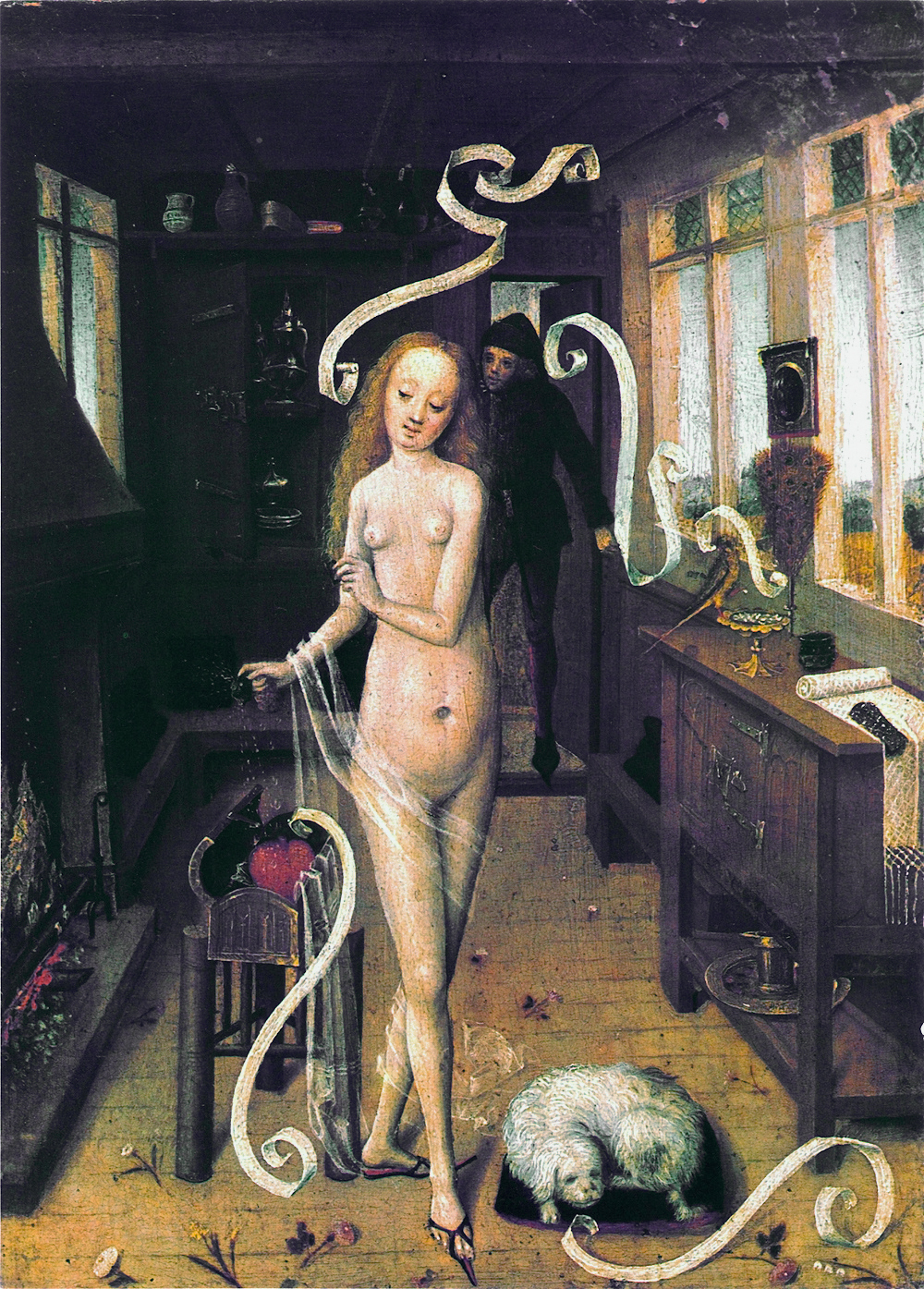 🇮🇶 Iraq and 5 moreLove magic
Rituals and spells used to attract, preserve, or end romantic relationships across many cultures.Tradition · Love and attraction · Cursing and harm Historical
 🇪🇬 Egypt and 4 moreAnimal sacrifice
The ritual killing of livestock or wild animals as an offering to deitiesRite · Speaking with spirits and the dead · Power and authority Historical
 🇪🇬 Egypt and 3 moreEx-voto
A gift left in a shrine to mark a vow kept or a miracle receivedCharm · Protection · Healing Living
 🇪🇬 EgyptOpening of the mouth ceremonywpt-r (Egyptian)
An ancient Egyptian rite to restore a deceased person's senses for the afterlifeRite · Speaking with spirits and the dead · Power and authority Historical
 🇪🇬 Egypt and 1 moreShen ring
An ancient Egyptian symbol of eternal protection, shaped like a rope looped around a stick.Charm · Protection Historical
 🇪🇬 EgyptDjedḏd
An ancient Egyptian pillar symbol representing stability and resurrectionCharm · Protection · Power and authority Historical
 🇺🇸 United States and 4 moreHarry Kellar
An American illusionist known for large-scale stage magic and mechanical tricks.Illusion · Wonder and entertainment Historical
 🇪🇬 EgyptWadjetwꜢḏyt
The green cobra goddess who protected Lower Egypt and the pharaohs.Being · Protection · Power and authority Historical
Photo credits on this page
The small pictures above come from Wikimedia Commons under free licences. Some are cropped to fit.
- Augur: Unknown author, Public domain, source
- Lucifer: Gustave Doré, Public domain, source
- Sacred dance: Jorge Barrios, CC BY-SA 3.0, source
- Leviathan: Gustave Doré, Public domain, source
- Wadjet: Rama, CC BY-SA 3.0 fr, source
- Sibylline Oracles: Domenichino, Public domain, source
- Snake worship: Alexandermcnabb, CC BY-SA 4.0, source
- Sphinx: Ipipipourax, CC BY-SA 3.0, source
- Love magic: Kölner Meister [ 1 ] The artist is an unknown lower Rhenish artist. [, Public domain, source
- Tattoo: Muyayo tattoo, CC BY-SA 3.0, source
- Corpus Hermeticum: Marsilio Ficino, Public domain, source
- Shen ring: Rama, CC BY-SA 3.0 fr, source
- Tengu: Katsushika Hokusai, Public domain, source
- Snake charming: Paris75000, Public domain, source
- Imhotep: Rama, CC BY-SA 3.0 fr, source
- Animal sacrifice: Wilfredor, CC0, source
- Ex-voto: JTSH26, CC BY-SA 4.0, source
- Ibn Arabi: Omar.Hafez, CC0, source
- Astrology: Wilfredor, CC0, source
- Foundation deposit: Unknown author, CC0, source
- Abraxas: Louis Breton, M. Jarrault, Public domain, source
- Papyrus of Ani: Photographed by the British Museum; original artist unknown, Public domain, source
- Baphomet: Eliphas Levi, Public domain, source
- Sator Square: M Disdero, CC BY-SA 3.0, source
- Ahmad al-Buni: Khalili Collections, CC BY-SA 3.0 igo, source
- Turquoise: Unknown author, Public domain, source
- Harry Kellar: Unknown author, Public domain, source
- Lilith: Photographs by Ardon Bar Hama, author of original document is unknown., Public domain, source
- Behemoth: Louis Le Breton, Public domain, source
- Ifrit: Unknown author, Public domain, source
- Aleister Crowley: Aleister Crowley, Public domain, source
- Amulet: Anonymous ( Egypt ) Unknown author, Public domain, source
- Jabir ibn Hayyan: Unknown author, Public domain, source
- Djed: Anonymous ( Egypt ) Unknown author, Public domain, source
- Greco-Roman mysteries: Varrese Painter, Public domain, source
- Sham Ennessim: Ikonact, CC BY-SA 3.0, source
- Ankh: Soutekh67, CC BY-SA 4.0, source
- Sibyl: Filippino Lippi (1457-1504), Public domain, source
- Jannes and Jambres: Gerard Hoet, Public domain, source
- Opening of the mouth ceremony: Hunefer, Public domain, source
- Khaemweset: No machine-readable author provided. Neithsabes assumed (based on copy, Public domain, source
- Numerology: Pietro Bongo, Public domain, source
- Isis: Ägyptischer Maler um 1360 v. Chr., Public domain, source
- Talisman: Sasha India, CC BY 2.0, source
The weekly digest
Every Monday: seven entries you may not know, what is on the calendar this week, and one rite drawn step by step.