
A curse is an expressed wish that adversity will attach to someone or something. It is often viewed as effective through supernatural power or witchcraft. Reversing it usually requires specific rituals or prayers.
- The Curse of the Pharaohs haunted Tutankhamun excavators.
- Andvaranaut ruined lives in Norse mythology.
- Evil eye beads use blue glass for protection.
- Sports curses explain team failures like the Cubs drought.
- Gavin Dunbar cursed border reivers in 1525.
What it is
A curse is a declaration wishing harm upon a target. It may be a simple wish or a formal spell cast by a practitioner. Many cultures believe the words themselves carry force. This force can come from spirits, gods, or natural energies. The act is often linked to black magic or witchcraft. People seek to remove these spells through counter-rituals. These removal rites are known as breaking or unbinding. The goal is to stop the predicted misfortune from occurring.
Where it comes from
Ancient Egyptians placed inscriptions on tomb markers to warn violators. These early warnings evolved into popular legends about mummy curses. British journalists in the nineteenth century amplified these stories. They turned quiet warnings into sensational horror tales. Similar beliefs surround other ancient finds like Ötzi the Iceman. In Hindu tradition, sages hold the power to bless or curse. Their words are considered binding due to their spiritual status. Biblical texts also record divine and human curses against transgressors.
How it is done
Practitioners speak the words aloud to activate the intent. Some use physical objects to anchor the spell. Foot track magic involves placing cursed items in a victim's path. Victims trigger the effect when they walk over them. Protection against such attacks often involves wearing amulets. The evil eye bead is a common defensive tool. It uses blue glass and white circles to deflect envy. Breaking a curse requires equal ritual effort. Prayers or specific actions must dispel the original spell.
Tools and materials
Cursed objects are often stolen goods or looted treasures. The Hope Diamond is said to bring bad luck to its owners. Norse mythology features the ring Andvaranaut. A dwarf cursed it after Loki stole his wealth. Possession leads to ruin for anyone who holds it. Busby's stoop chair was cursed by a murderer before execution. Sitting in it was believed to cause death. Inscriptions on stone or wood serve as permanent records. These markers protect temple goods or warn intruders.
Curse, drawn and placed
- Living
- Revived
- Fading
- Historical
- Legendary
- Performed
- Lineage
- black magic
- Timing
- at violation of tombs or during disputes
What it is for
Curses aim to inflict harm, illness, or death. They punish those who violate sacred spaces or laws. Sports teams face curses used to explain long losing streaks. Fans attribute failures to supernatural interference. The Curse of the Billy Goat targeted the Chicago Cubs. The Curse of the Bambino affected the Boston Red Sox. These modern examples show how curses explain frustration. They provide a narrative for unexpected failures in competition.
Who does it
Shamans and healers may cast curses as part of their role. Witchcraft practitioners use hexes to cause dry milk or lame horses. German speakers use the term hexen for this practice. Rishis in Hindu culture wield immense spiritual authority. Their blessings and curses shape the fate of kings. Religious figures in the Bible pronounce divine judgments. Modern artists sometimes recreate historical curses for public display. Gordon Young carved Gavin Dunbar’s curse into granite.
At a glance: who, where and when


Questions people ask about Curse
What is a curse?
It is a spoken wish for misfortune to attach to a person or object. Many believe the words carry supernatural power to cause harm.
Where do curses come from?
They appear in many traditions. Ancient Egyptians warned tomb violators. Hindu sages cursed kings. Biblical texts record divine judgments against sinners.
How do you break a curse?
Removal requires specific rituals. Prayers or counter-spells dispel the original intent. The process is called breaking or unbinding the spell.
Are there cursed objects?
Yes, stolen items often bear negative reputations. The Hope Diamond and Andvaranaut ring are famous examples. Sitting in Busby's chair was also thought fatal.
Good reading and sources
- Encyclopaedia BritannicaArticle
- BBCBBC, Article
- Magic Rings in Norse MythologyWorld History Encyclopedia, Article
- Curse on WikipediaEncyclopedia
- More photos on Wikimedia CommonsPhotos and video
- Wikidata recordOpen data
The facts on this page come from the Wikipedia article "Curse", written by its contributors and used under the CC BY-SA 4.0 licence, and from its Wikidata record (CC0). EveryJaadu rewrote the text in its own words, with AI assistance, and compares every page with the article to make sure no passage is copied. It may be reused under the same CC BY-SA 4.0 licence with a link back.
It may contain mistakes. Names and customs differ from one community to the next, and some knowledge is closed to outsiders and left out here. This page describes belief and practice. It does not say that any of it works, it is not a how-to, and it is not medical advice. If something is wrong, tell us. Last refreshed 2026-10-05.
More from Egypt
All the entries from Egypt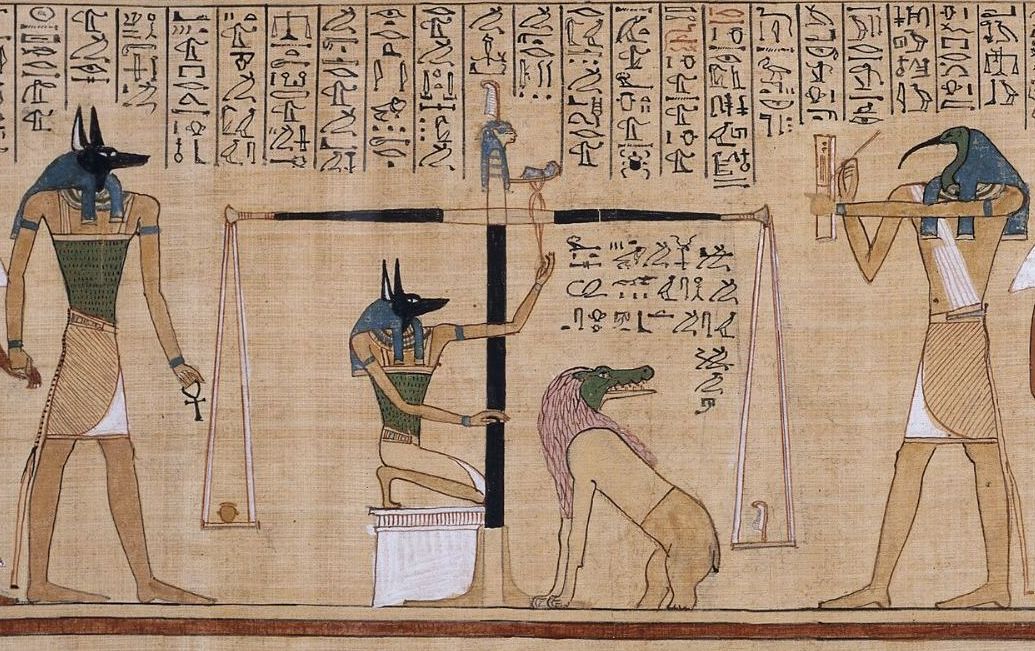 🇪🇬 EgyptAncient Egyptian afterlife beliefs
A system of rituals and texts guiding the soul through the underworld to eternal rebirthTradition · Protection · Speaking with spirits and the dead Historical
🇪🇬 EgyptAncient Egyptian afterlife beliefs
A system of rituals and texts guiding the soul through the underworld to eternal rebirthTradition · Protection · Speaking with spirits and the dead Historical
 🇪🇬 EgyptCurse of the pharaohs
A belief that disturbing ancient Egyptian tombs brings illness or death to the living.Belief · Cursing and harm Historical
🇪🇬 EgyptCurse of the pharaohs
A belief that disturbing ancient Egyptian tombs brings illness or death to the living.Belief · Cursing and harm Historical
 🇪🇬 Egypt and 1 moreLilithלִילִית
A feminine figure from Mesopotamian and Jewish mythology, often depicted as a night demon or spirit.Being · Cursing and harm Legendary
🇪🇬 Egypt and 1 moreLilithלִילִית
A feminine figure from Mesopotamian and Jewish mythology, often depicted as a night demon or spirit.Being · Cursing and harm Legendary
 🇪🇬 EgyptScarab
A carved beetle amulet and seal used in ancient Egypt for protection, identity, and ritual.Charm · Protection · Luck and prosperity Historical
🇪🇬 EgyptScarab
A carved beetle amulet and seal used in ancient Egypt for protection, identity, and ritual.Charm · Protection · Luck and prosperity Historical
Related elsewhere
All belief 🇷🇸 Serbia and 5 moreVampire
An undead creature from folklore that feeds on the blood or life force of the livingBeing · Cursing and harm · Luck and prosperity Legendary
🇷🇸 Serbia and 5 moreVampire
An undead creature from folklore that feeds on the blood or life force of the livingBeing · Cursing and harm · Luck and prosperity Legendary
 🇩🇪 GermanyAlp
A Germanic spirit that presses on sleepers and drinks milkBeing · Cursing and harm · Luck and prosperity Historical
🇧🇷 Brazil and 1 moreQuimbanda
An Afro-Brazilian religion focused on male and female street spirits for worldly mattersTradition · Protection · Luck and prosperity Living
🇩🇪 GermanyAlp
A Germanic spirit that presses on sleepers and drinks milkBeing · Cursing and harm · Luck and prosperity Historical
🇧🇷 Brazil and 1 moreQuimbanda
An Afro-Brazilian religion focused on male and female street spirits for worldly mattersTradition · Protection · Luck and prosperity Living
 🇮🇳 India and 1 moreNavagrahaनवग्रह
A group of nine celestial deities in Hinduism that govern fate and astrologyTradition · Protection · Luck and prosperity Living
🇮🇳 India and 1 moreNavagrahaनवग्रह
A group of nine celestial deities in Hinduism that govern fate and astrologyTradition · Protection · Luck and prosperity Living