🇪🇬 Magic in Egypt
207 entries from Egypt, best known first, across 62 places of magic.
Ancient Egyptian religion rested on about 1,500 named deities and on the pharaoh as a divine go-between who kept cosmic order, Ma'at, against chaos, Isfet. Beside state temples, people prayed and used magic to seek help or press the gods to act. Funerary care for the dead ran through the tradition, which was suppressed in Christian times, ended by the 530s, and later gave way to Islam.
- About 1,500 deities are known from ancient Egyptian religion.
- Akhenaten replaced most official gods with the Aten and moved the capital to Amarna.
- The winged sun disk with cobras was a protective sign on temples.
- The Pyramid Texts are a key source for early Egyptian theology.
- Mummification stopped and the religion was considered dead by the 530s.
Overview
Egyptian religion grew from prehistoric roots and lasted about 3,500 years. Its pantheon was not fixed: gods gained or lost rank, and their family ties were rearranged. Different communities venerated their own local gods; when one community absorbed another, the defeated god might be folded into a rival's story or dropped. Scholars have noted close cultural links with Eastern African peoples and an African base, rather than origins in Mesopotamia or the Mediterranean. Some connect the land of Punt, called Ta netjer or God's Land, with the home of certain deities or ancestors. In the New Kingdom, contact brought Near Eastern gods into Egypt, while Nubians took up Egyptian beliefs, especially Amun. Magic and private devotion sat next to temple ritual, not outside it.
Practices and beliefs
People approached the gods with prayer and gifts, and also tried to compel them by magic. Oracles answered questions and guided decisions, and those who read them, the priests, gained wealth and influence. Animal cults became a common form of worship in the first millennium BC. Protective signs were built into sacred spaces: a winged sun disk with cobras appears on temple ceilings and ceremonial entrances. Devotion to Isis increased; she was invoked for safety, for magic and for deliverance, and she became Egypt's leading goddess. The fertility god Min was shown as a bearded man with an erect penis, known from large statues at Koptos.
Rites and charms
Temple rites were state business. The pharaoh was thought to hold divine power and had to keep the gods supplied with offerings, so that Ma'at, right order, would hold and Isfet, chaos, would be pushed back. Funerary customs were equally serious: tombs, grave goods and offerings were prepared to preserve the body and spirit after death. Mummification belonged to this care. Pyramid complexes and mortuary temples replaced earlier tomb forms. The Pyramid Texts, first written in the Old Kingdom, describe solar and Osirian views of the afterlife and preserve older ideas. Akhenaten briefly directed worship to the Aten alone.
Who practises
Formal religion belonged to the pharaoh and the priests. The ruler was seen as a divine figure and a bridge between people and gods, bound to maintain offerings and cosmic order. Over time the priesthood grew more professional, especially at Thebes, where scholars of the temple produced detailed theology about Amun's universal power. Oracle interpreters came from the priesthood; as decisions were increasingly made by consulting oracles, these priests collected wealth and influence. Ordinary people could also act for themselves, praying or using magic to press a god for help, so religious action was not only a temple monopoly.
Regions and communities
Different communities venerated their own local gods, and cult centres shaped national religion. Nekhen in Upper Egypt was a leading site for Horus. Abydos held early royal funerary complexes. Heliopolis linked Atum, Ra, Osiris and Set in one creation story, the Ennead, and later became the heart of the sun cult. Thebes promoted Montu, then Amun, whose temple at Karnak became Egypt's chief religious centre. Behdet in the Delta was tied to Horus and the winged disk. Koptos was associated with Min. Nubians under Egyptian rule adopted Amun as their own.
The calendar
Death shaped the ritual year as far as this account shows: tombs, grave goods and offerings were prepared to keep body and spirit safe, and mummification was part of that care. The Pyramid Texts set out solar and Osirian hopes for the next life. Daily temple service involved prayer and offerings to the gods, and private devotion could happen at any time.
Law and the state
The state could promote or crush a cult. Akhenaten removed official support for most gods, moved the capital to Amarna and let only the Aten receive worship through him; his successors restored the old system and took down Atenist monuments. Temples received huge state resources, and the pharaoh was obliged to fund and perform rites. After Rome took Egypt in 30 BC, the religion became decentralized. In Christian times it was suppressed. Mummification stopped, and the tradition was regarded as fully dead by the 530s.
Today
Egyptian religion ended as a living tradition. Mummification stopped, and the faith was judged fully dead by the 530s. After the Arab conquest under Amr ibn al-As, people in Egypt converted to Islam. Its writings and monuments survive, and they have shaped later and modern cultures.
The facts in this overview come from the Wikipedia article "Ancient Egyptian religion", written by its contributors and used under the CC BY-SA 4.0 licence. EveryJaadu rewrote the text in its own words, with AI assistance, and compares every page with the article to make sure no passage is copied. It may be reused under the same CC BY-SA 4.0 licence with a link back.
Places of magic in Egypt
 🇮🇶 Iraq and 4 moreAstrology
A system of divination that links human affairs to the positions of celestial bodiesTradition · Seeing and foretelling · Luck and prosperity Living
 🇪🇬 EgyptCurse
A spoken wish for harm, often backed by ritual or divine authorityBelief · Cursing and harm · Protection Historical
 🇪🇬 Egypt and 5 moreAmulet
A portable object worn or carried to ward off harm and invite fortuneCharm · Protection · Luck and prosperity Living
 🇪🇬 EgyptDjedḏd
An ancient Egyptian pillar symbol representing stability and resurrectionCharm · Protection · Power and authority Historical
 🇪🇬 EgyptWadjetwꜢḏyt
The green cobra goddess who protected Lower Egypt and the pharaohs.Being · Protection · Power and authority Historical
 🇪🇬 Egypt and 5 moreTalisman
An object believed to channel specific forces for protection, healing, or influence.Charm · Protection · Healing Historical
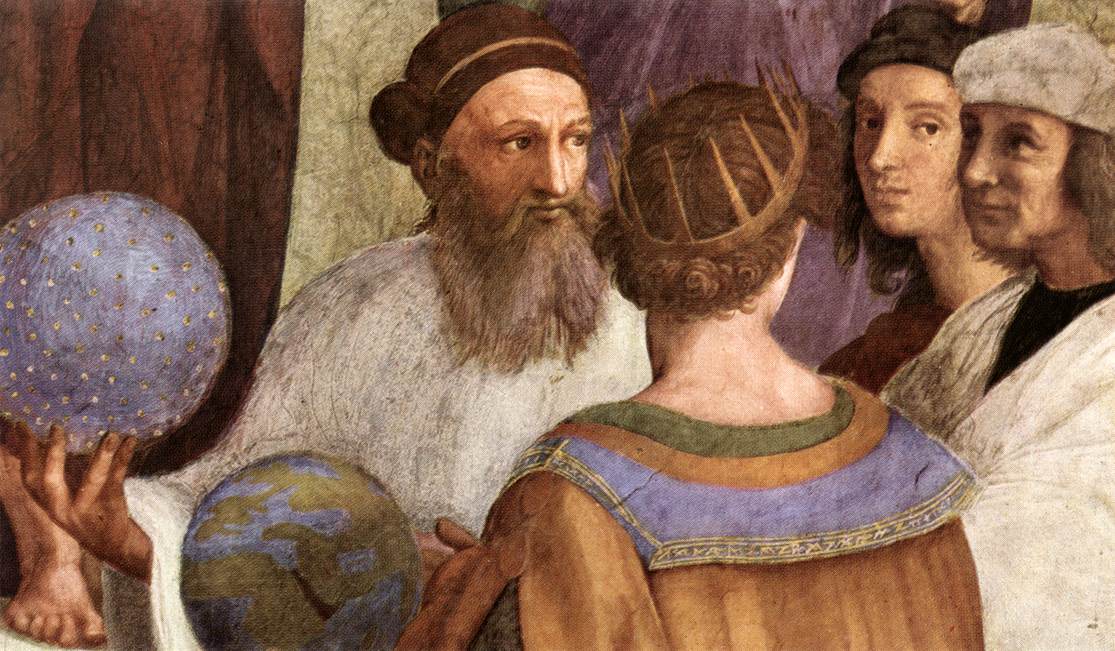 🇮🇷 Iran and 4 morePersian mythologyاسطورهشناسی ایرانی
Ancient Iranian myths of cosmic struggle between light and darknessBelief · Power and authority Historical
 🇮🇪 Ireland and 4 moreWinter solstice
The shortest day and longest night of the year, marked by rites of solar returnTradition · Seeing and foretelling · Protection Living
 🇪🇬 Egypt and 2 moreAmunjmn (Old/Middle Egyptian); Amoun (Coptic)
The hidden creator god of ancient Egypt, later fused with the sun deity Ra.Being · Power and authority · Protection Historical
 🇮🇳 India and 5 moreSnake charming
A street performance using a gourd flute to make snakes swayIllusion · Wonder and entertainment · Luck and prosperity Fading
🇪🇬 Egypt and 1 moreMagic and religion
A study of how magical practices and religious beliefs intersect or diverge in human cultureBelief · Power and authority Historical
 🇪🇪 Estonia and 5 moreSoul dualism
A belief that a person possesses two or more distinct kinds of souls.Belief · Healing · Speaking with spirits and the dead Historical
 🇮🇹 Italy and 5 morePrecious coral
A marine skeleton harvested for jewelry and worn as a protective charm in several culturesSubstance · Protection · Healing Living
 🇪🇬 EgyptScarab
An ancient Egyptian amulet shaped like a dung beetle, symbolizing rebirth and serving as a seal.Charm · Protection · Luck and prosperity Historical
 🇸🇩 Sudan and 5 moreIncense
Aromatic plant material that releases scent when heated or burnedSubstance · Protection · Speaking with spirits and the dead Living
 🇪🇬 Egypt and 5 moreSacred dance
Movement used in worship to honour deities, heal communities, or connect with the spirit world.Tradition · Protection · Healing Living
 🇪🇬 Egypt and 1 moreDendera zodiac
A carved Egyptian sky map now held in a Paris museumText · Seeing and foretelling · Power and authority Historical
 🇪🇬 EgyptDemon
A supernatural entity believed to cause harm or possess humansBeing · Cursing and harm · Speaking with spirits and the dead Historical
 🇪🇬 Egypt and 1 moreHypocephalus
An ancient Egyptian disk placed under the head of the dead for protection and rebirthCharm · Protection · Speaking with spirits and the dead Historical
🇪🇬 Egypt and 5 moreAmulet
A portable object worn or carried to ward off harm and invite protection.Charm · Protection · Healing Living
 🇪🇬 Egypt and 4 moreScarab
An ancient Egyptian amulet and seal shaped like a dung beetleCharm · Protection · Luck and prosperity Historical
🇮🇳 India and 3 moreAstrology
A divinatory practice that links celestial positions to human affairs and earthly eventsTradition · Seeing and foretelling · Luck and prosperity Historical
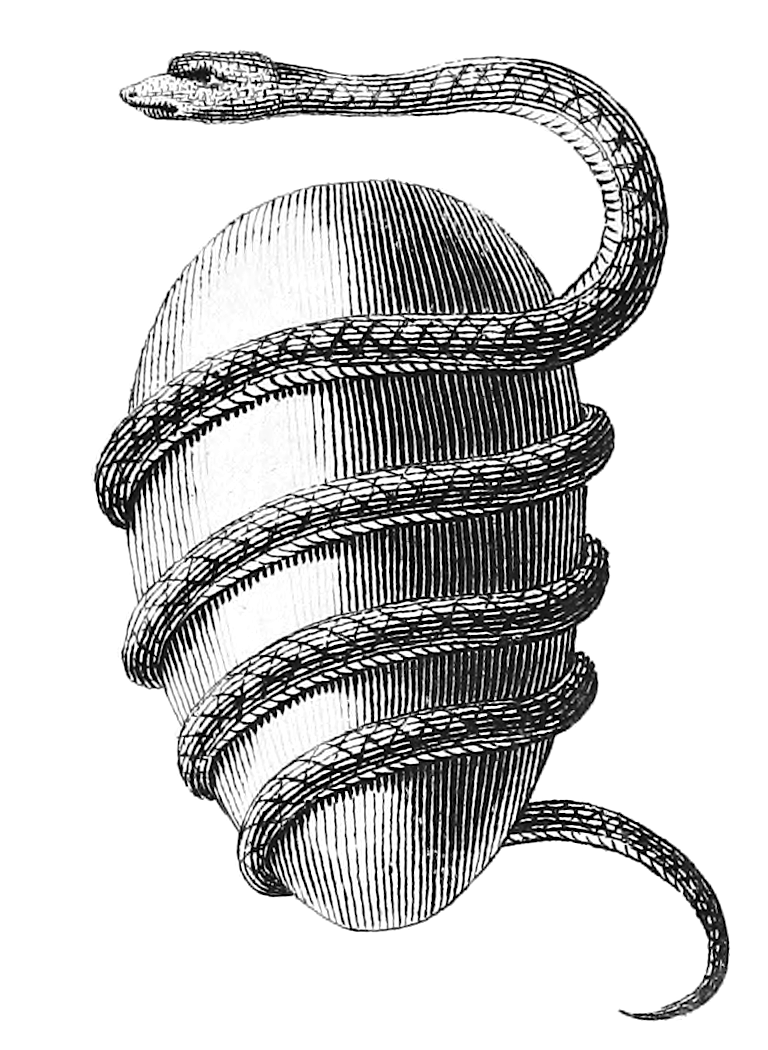 🇧🇫 Burkina Faso and 5 moreCosmic egg
A mythological motif where the universe or a creator emerges from a primordial egg.Belief · Wonder and entertainment Historical
 🇪🇬 Egypt and 2 moreHybrid beasts in folklore
Creatures made of animal and human parts found in myths and ancient artBeing · Power and authority Legendary
 🇪🇬 EgyptSekhem scepter
An ancient Egyptian staff symbolizing power and authorityCharm · Power and authority Historical
 🇪🇬 Egypt and 1 moreOuroborosοὐροβόρος
An ancient image of a serpent eating its own tail, symbolizing cycles and wholenessFigure · Power and authority · Wonder and entertainment Historical
 🇮🇳 India and 5 moreLock of hair
A piece of human hair kept for symbolic, sentimental, or superstitious reasons.Substance · Protection · Luck and prosperity Living
 🇮🇳 India and 1 moreDamnation
A state of divine punishment or separation from the sacred after deathBelief · Cursing and harm Living
 🇪🇬 Egypt and 5 moreWorship of heavenly bodies
Veneration of stars, planets, and the sky as divine forces or deitiesTradition · Protection · Power and authority Historical
 🇪🇬 Egypt and 1 morePsychopomp
A spirit or creature that guides the dead to the afterlifeBeing · Speaking with spirits and the dead Historical
 🇬🇷 Greece and 2 moreClassical elements
Ancient theories that explain all matter as combinations of earth, water, fire, air, and aetherBelief · Wonder and entertainment Historical
 🇮🇷 Iran and 5 moreAxis mundi
A concept describing a central point connecting the earthly and heavenly realms.Belief · Speaking with spirits and the dead · Power and authority Historical
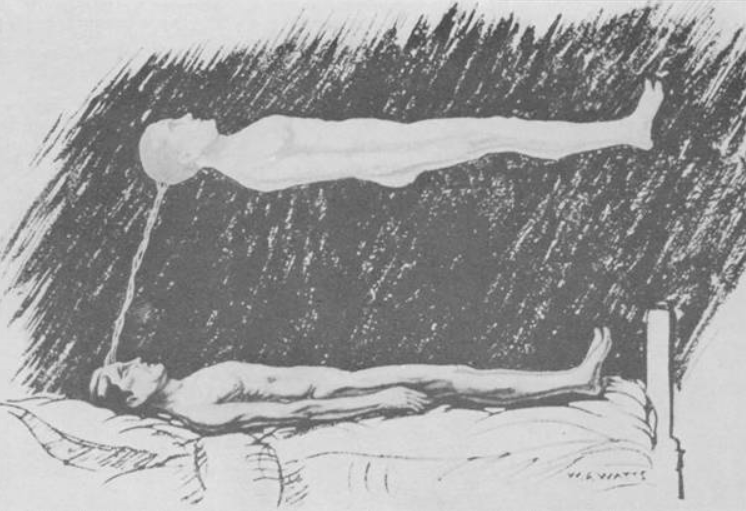 🇮🇳 India and 3 moreAstral projection
An intentional out-of-body experience where consciousness travels through the astral planeTradition · Speaking with spirits and the dead · Change and initiation Living
 🇬🇷 Greece and 3 morePalladium
A sacred image or object believed to guarantee the safety of a city or nationCharm · Protection Historical
 🇮🇱 Israel and 1 moreDivine retribution
Supernatural punishment by a deity in response to anger or wrongdoingBelief · Cursing and harm Historical
Photo credits on this page
The small pictures above come from Wikimedia Commons under free licences. Some are cropped to fit.
- Sacred dance: Jorge Barrios, CC BY-SA 3.0, source
- Incense: nakimusi, CC BY 2.0, source
- Damnation: Didier Descouens, Public domain, source
- Amulet: Anonymous ( Egypt ) Unknown author, Public domain, source
- Tengu: Katsushika Hokusai, Public domain, source
- Snake charming: Paris75000, Public domain, source
- Dendera zodiac: Shonagon, CC0, source
- Winter solstice: Image by Przemyslaw " Blueshade " Idzkiewicz, CC BY-SA 2.0, source
- Astrology: Wilfredor, CC0, source
- Amun: MusikAnimal, CC BY-SA 4.0, source
- Palladium: Marie-Lan Nguyen ( Jastrow ), Public domain, source
- Wadjet: Rama, CC BY-SA 3.0 fr, source
- Precious coral: Géry PARENT, CC BY-SA 3.0, source
- Soul dualism: 尹真人, Public domain, source
- Demon: Martin Schongauer, Public domain, source
- Worship of heavenly bodies: Jean-Pierre Dalbéra, CC BY 2.0, source
- Djed: Anonymous ( Egypt ) Unknown author, Public domain, source
- Scarab: Unknown author, CC BY 4.0, source
- Hypocephalus: rob koopman, CC BY-SA 2.0, source
- Psychopomp: Unknown author, CC BY 2.5, source
- Hybrid beasts in folklore: Peter Schmelzle, CC BY-SA 3.0, source
- Divine retribution: John Martin, Public domain, source
- Ouroboros: Djehouty, CC BY-SA 4.0, source
- Scarab: Rama, CC BY-SA 2.0 fr, source
- Axis mundi: Unknown author, Public domain, source
- Cosmic egg: James Basire, 1730–1802 (engraver), Public domain, source
- Astral projection: Hereward Carrington, Sylvan Muldoon., Public domain, source
- Lock of hair: Unknown author, CC0, source
- Classical elements: Unknown author, Public domain, source
- Sekhem scepter: Maler der Grabkammer der Nefertari, Public domain, source
- Talisman: Sasha India, CC BY 2.0, source
- Persian mythology: Raphael, Public domain, source
The weekly digest
Every Monday: seven entries you may not know, what is on the calendar this week, and one rite drawn step by step.