
Harry Kellar
Born Heinrich Keller; changed spelling to Kellar to avoid confusion with magician Robert Heller.
An American illusionist known for large-scale stage magic and mechanical tricks.
Harry Kellar was a prominent American magician who performed large stage shows from the late nineteenth to the early twentieth century. He apprenticed under Isaiah Hughes and Robert Heller before developing his own reputation as a master of misdirection and mechanical illusions.
- Kellar invented the Levitation of Princess Karnac using hidden machinery.
- He apprenticed under Isaiah Hughes starting at age twelve.
- A shipwreck in the Bay of Biscay left him penniless in 1873.
- Houdini carried Kellar off stage in a sedan chair after his final show.
- Kellar changed his name from Keller to avoid confusion with Robert Heller.
What it is
Harry Kellar was an American illusionist who defined large-scale stage magic in the late nineteenth and early twentieth centuries. He is often called the Dean of American Magicians. His work focused on grand spectacles rather than close-up sleight of hand. He built a career on mechanical inventions and clever use of attention. Audiences saw him perform across five continents. His shows featured large props and dramatic reveals. He influenced later performers like Harry Houdini. Kellar’s legacy rests on his ability to make the impossible look simple through careful staging.
Where it comes from
Kellar was born Heinrich Keller in Erie, Pennsylvania, to German immigrants. As a child he stowed away on a train at age ten. He apprenticed under a druggist and experimented with chemicals. A traveling magician named The Fakir of Ava inspired him to join the stage. He became an assistant to Isaiah Hughes at age twelve. After a failed solo debut, he returned to Hughes. He later worked with spiritualist acts before touring South America. A shipwreck in the Bay of Biscay left him penniless but determined. He bought a trick from Buatier de Kolta and launched his own theater in Philadelphia.
Tools and materials
Kellar used custom-built illusions supplied by the Martinka Magic Company. His sets included the Blue Room and Egyptian Hall stages. He employed automata like Psycho, a whist-playing machine. His levitation trick required an elevator company’s engineering. Props included glass tables, thin cloths, nested wooden boxes, and pistols. He used flowers and ribbons to tie audience items. A sedan chair carried him off stage during his final bow. These tools created the visual spectacle without revealing their inner workings.
Harry Kellar, drawn and placed
- Living
- Revived
- Fading
- Historical
- Legendary
- Performed
- Lineage
- American stage magic tradition
- Timing
- Evening performances in theaters and on tour
What it is for
Kellar performed to entertain audiences with wonder and surprise. His shows aimed to amaze viewers with feats that defied logic. He sought to captivate crowds in theaters and on tour. His acts were designed for public amusement and artistic display. He did not claim supernatural powers or spiritual connections. His goal was to create memorable theatrical moments. Audiences paid to see him solve puzzles and reveal secrets. His success came from delivering consistent awe and delight.
Who does it
Kellar trained as an apprentice under established magicians. He learned stagecraft from spiritualist troupes and traveling performers. He managed his own theaters and hired assistants like his wife Eva Medley. She played music and participated in illusions. Kellar collaborated with engineers and prop makers. He adapted his acts for different venues and cultures. His style emphasized clear presentation and bold gestures. He mentored successors like Howard Thurston. His approach combined technical precision with showmanship.
Peoples and places
Kellar performed primarily in the United States and Brazil. He toured Mexico, England, and other regions. His name change helped him stand out in American markets. He faced criticism from rivals like Alexander Herrmann. Herrmann mocked Kellar’s lack of sleight of hand. Kellar responded by mastering misdirection instead. His international tours showed his adaptability. He spoke Dutch, French, and English. His global reach made him a recognized figure in magic history.
At a glance: who, where and when
Who does it


What people believe
Kellar did not promote any religious or spiritual beliefs. His acts were secular entertainment. He avoided claims of psychic power or divine aid. Critics sometimes accused him of exploiting others’ reputations. He defended his name change as a practical choice. His work was viewed as craft rather than mysticism. Audiences knew they were watching skilled deception. Scholars study his methods as examples of cognitive illusion. His legacy is one of artistic innovation and professional discipline.
When it is done
Kellar performed year-round on tour and in fixed theaters. He opened Egyptian Hall in December and closed after months of shows. His final performance occurred in November 1917. He retired in 1908 but returned for a benefit show. His career spanned decades of continuous travel. He adjusted schedules based on audience demand and financial needs. His timeline reflects the rhythm of vaudeville and theater circuits.
How scholars and sceptics see it
Scholars view Kellar as a key figure in the history of stage magic. They analyze his use of misdirection as a psychological tool. Researchers note his reliance on mechanical aids over manual dexterity. Some critics initially dismissed his work as inferior to sleight of hand. Later assessments recognize his influence on modern illusion design. His collaboration with engineers highlights the technical side of magic. Historians place him between Heller and Houdini in the lineage of American performers.
Cautions and what is closed
Kellar’s life included risks like shipwrecks and financial loss. He lost equipment and wealth in the Bay of Biscay disaster. His early career involved avoiding creditors and borrowing gear. No reports of harm to animals or people exist in his acts. His illusions were safe for performers and audiences. Fraud accusations arose only regarding his name change. He resolved disputes through public explanation. His retirement ended naturally without scandal.
Compare and confuse
Kellar is often compared to Harry Houdini and Alexander Herrmann. Houdini succeeded him and borrowed from his innovations. Herrmann criticized Kellar’s mechanical style. Kellar’s Levitation of Princess Karnac resembles Maskelyne’s original trick. Both used hidden supports and curtains. Kellar’s nested boxes differ from standard vanishing acts. His work shares traits with European illusionists like Buatier de Kolta. Each magician developed unique signatures within the same tradition.
Questions people ask about Harry Kellar
What was Harry Kellar's real name?
He was born Heinrich Keller. He changed the spelling to Kellar to distinguish himself from magician Robert Heller.
Where did Harry Kellar learn magic?
He apprenticed under Isaiah Hughes and Robert Heller. He also gained experience working with spiritualist troupes and traveling performers.
What was Kellar's most famous illusion?
The Levitation of Princess Karnac. It used a hidden machine and a metal bar to raise a woman while she appeared to float freely.
How did Kellar handle criticism about his skills?
Rivals like Alexander Herrmann mocked his lack of sleight of hand. Kellar countered by mastering misdirection and mechanical ingenuity.
When did Harry Kellar retire?
He retired in 1908. He returned briefly in 1917 for a benefit show organized by Harry Houdini before passing away in 1922.
Good reading and sources
- Harry Kellar on WikipediaEncyclopedia
- More photos on Wikimedia CommonsPhotos and video
- Wikidata recordOpen data
The facts on this page come from the Wikipedia article "Harry Kellar", written by its contributors and used under the CC BY-SA 4.0 licence, and from its Wikidata record (CC0). EveryJaadu rewrote the text in its own words, with AI assistance, and compares every page with the article to make sure no passage is copied. It may be reused under the same CC BY-SA 4.0 licence with a link back.
It may contain mistakes. Names and customs differ from one community to the next, and some knowledge is closed to outsiders and left out here. This page describes belief and practice. It does not say that any of it works, it is not a how-to, and it is not medical advice. If something is wrong, tell us. Last refreshed 2026-10-05.
More from the United States
All the entries from the United States 🇺🇸 United States and 2 moreDavenport brothers
A pair of American stage magicians who performed spirit cabinet illusions in the late nineteenth century.Illusion · Wonder and entertainment · Speaking with spirits and the dead Historical
🇺🇸 United States and 2 moreDavenport brothers
A pair of American stage magicians who performed spirit cabinet illusions in the late nineteenth century.Illusion · Wonder and entertainment · Speaking with spirits and the dead Historical
 🇺🇸 United StatesSociety of American Magicians
A global professional group for magicians that preserves the art and ethics of stage illusionIllusion · Wonder and entertainment Living
🇺🇸 United States and 1 moreHorace Goldin
A stage magician known for his fast style and the sawing illusion.Illusion · Wonder and entertainment Historical
🇨🇦 Canada and 1 moreInternational Brotherhood of Magicians
A global organization for professional and amateur magicians founded in 1922.Illusion · Wonder and entertainment Living
🇺🇸 United StatesSociety of American Magicians
A global professional group for magicians that preserves the art and ethics of stage illusionIllusion · Wonder and entertainment Living
🇺🇸 United States and 1 moreHorace Goldin
A stage magician known for his fast style and the sawing illusion.Illusion · Wonder and entertainment Historical
🇨🇦 Canada and 1 moreInternational Brotherhood of Magicians
A global organization for professional and amateur magicians founded in 1922.Illusion · Wonder and entertainment Living
Related elsewhere
All illusion 🇬🇧 United Kingdom and 2 moreKing ArthurBrenin Arthur
A legendary British king and folk hero of medieval literature and Welsh mythologyFigure · Power and authority · Wonder and entertainment Legendary
🇬🇧 United Kingdom and 2 moreKing ArthurBrenin Arthur
A legendary British king and folk hero of medieval literature and Welsh mythologyFigure · Power and authority · Wonder and entertainment Legendary
 🇪🇬 Egypt and 1 moreSphinx
A mythical hybrid with a human head and lion body, serving as guardian or riddler in Egyptian and Greek traditions.Being · Protection · Wonder and entertainment Legendary
🇪🇬 Egypt and 1 moreSphinx
A mythical hybrid with a human head and lion body, serving as guardian or riddler in Egyptian and Greek traditions.Being · Protection · Wonder and entertainment Legendary
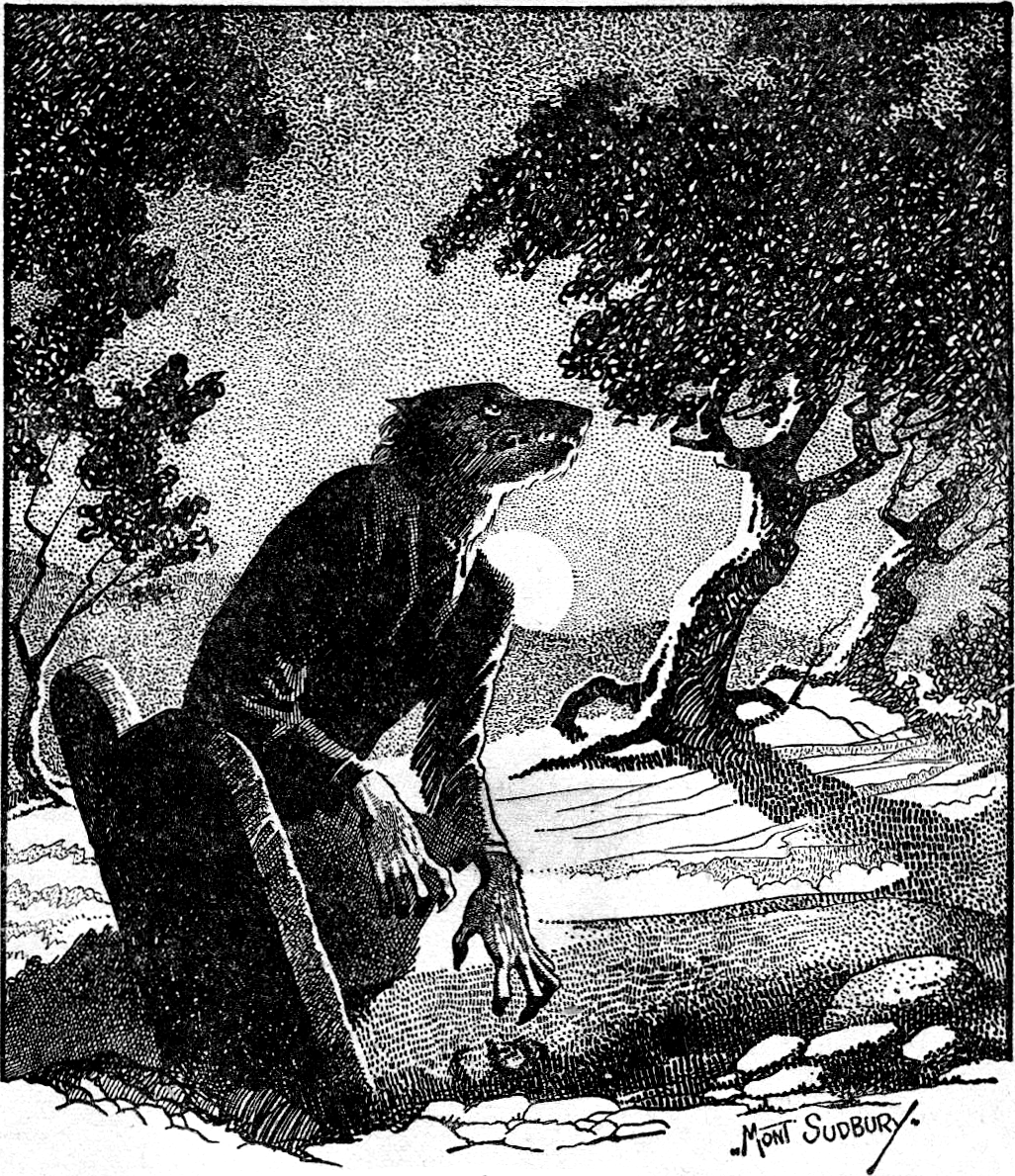 🇫🇷 France and 5 moreWerewolf
A mythical shapeshifter that turns into a wolf, central to European witch-hunts and Gothic horror.Being · Cursing and harm · Wonder and entertainment Legendary
🇫🇷 France and 5 moreWerewolf
A mythical shapeshifter that turns into a wolf, central to European witch-hunts and Gothic horror.Being · Cursing and harm · Wonder and entertainment Legendary
 🇪🇸 Spain and 5 moreSt John's Eve
A Christian vigil marked by bonfires and plant gathering on the summer solstice eveRite · Protection · Speaking with spirits and the dead Living
🇪🇸 Spain and 5 moreSt John's Eve
A Christian vigil marked by bonfires and plant gathering on the summer solstice eveRite · Protection · Speaking with spirits and the dead Living