🇪🇬 Magic in Egypt
76 entries from Egypt, best known first, across 33 places of magic.
Ancient Egyptian religion rested on about 1,500 named deities and on the pharaoh as a divine go-between who kept cosmic order, Ma'at, against chaos, Isfet. Beside state temples, people prayed and used magic to seek help or press the gods to act. Funerary care for the dead ran through the tradition, which was suppressed in Christian times, ended by the 530s, and later gave way to Islam.
- About 1,500 deities are known from ancient Egyptian religion.
- Akhenaten replaced most official gods with the Aten and moved the capital to Amarna.
- The winged sun disk with cobras was a protective sign on temples.
- The Pyramid Texts are a key source for early Egyptian theology.
- Mummification stopped and the religion was considered dead by the 530s.
Overview
Egyptian religion grew from prehistoric roots and lasted about 3,500 years. Its pantheon was not fixed: gods gained or lost rank, and their family ties were rearranged. Different communities venerated their own local gods; when one community absorbed another, the defeated god might be folded into a rival's story or dropped. Scholars have noted close cultural links with Eastern African peoples and an African base, rather than origins in Mesopotamia or the Mediterranean. Some connect the land of Punt, called Ta netjer or God's Land, with the home of certain deities or ancestors. In the New Kingdom, contact brought Near Eastern gods into Egypt, while Nubians took up Egyptian beliefs, especially Amun. Magic and private devotion sat next to temple ritual, not outside it.
Practices and beliefs
People approached the gods with prayer and gifts, and also tried to compel them by magic. Oracles answered questions and guided decisions, and those who read them, the priests, gained wealth and influence. Animal cults became a common form of worship in the first millennium BC. Protective signs were built into sacred spaces: a winged sun disk with cobras appears on temple ceilings and ceremonial entrances. Devotion to Isis increased; she was invoked for safety, for magic and for deliverance, and she became Egypt's leading goddess. The fertility god Min was shown as a bearded man with an erect penis, known from large statues at Koptos.
Rites and charms
Temple rites were state business. The pharaoh was thought to hold divine power and had to keep the gods supplied with offerings, so that Ma'at, right order, would hold and Isfet, chaos, would be pushed back. Funerary customs were equally serious: tombs, grave goods and offerings were prepared to preserve the body and spirit after death. Mummification belonged to this care. Pyramid complexes and mortuary temples replaced earlier tomb forms. The Pyramid Texts, first written in the Old Kingdom, describe solar and Osirian views of the afterlife and preserve older ideas. Akhenaten briefly directed worship to the Aten alone.
Who practises
Formal religion belonged to the pharaoh and the priests. The ruler was seen as a divine figure and a bridge between people and gods, bound to maintain offerings and cosmic order. Over time the priesthood grew more professional, especially at Thebes, where scholars of the temple produced detailed theology about Amun's universal power. Oracle interpreters came from the priesthood; as decisions were increasingly made by consulting oracles, these priests collected wealth and influence. Ordinary people could also act for themselves, praying or using magic to press a god for help, so religious action was not only a temple monopoly.
Regions and communities
Different communities venerated their own local gods, and cult centres shaped national religion. Nekhen in Upper Egypt was a leading site for Horus. Abydos held early royal funerary complexes. Heliopolis linked Atum, Ra, Osiris and Set in one creation story, the Ennead, and later became the heart of the sun cult. Thebes promoted Montu, then Amun, whose temple at Karnak became Egypt's chief religious centre. Behdet in the Delta was tied to Horus and the winged disk. Koptos was associated with Min. Nubians under Egyptian rule adopted Amun as their own.
The calendar
Death shaped the ritual year as far as this account shows: tombs, grave goods and offerings were prepared to keep body and spirit safe, and mummification was part of that care. The Pyramid Texts set out solar and Osirian hopes for the next life. Daily temple service involved prayer and offerings to the gods, and private devotion could happen at any time.
Law and the state
The state could promote or crush a cult. Akhenaten removed official support for most gods, moved the capital to Amarna and let only the Aten receive worship through him; his successors restored the old system and took down Atenist monuments. Temples received huge state resources, and the pharaoh was obliged to fund and perform rites. After Rome took Egypt in 30 BC, the religion became decentralized. In Christian times it was suppressed. Mummification stopped, and the tradition was regarded as fully dead by the 530s.
Today
Egyptian religion ended as a living tradition. Mummification stopped, and the faith was judged fully dead by the 530s. After the Arab conquest under Amr ibn al-As, people in Egypt converted to Islam. Its writings and monuments survive, and they have shaped later and modern cultures.
The facts in this overview come from the Wikipedia article "Ancient Egyptian religion", written by its contributors and used under the CC BY-SA 4.0 licence. EveryJaadu rewrote the text in its own words, with AI assistance, and compares every page with the article to make sure no passage is copied. It may be reused under the same CC BY-SA 4.0 licence with a link back.
Places of magic in Egypt
 🇮🇱 Israel and 3 moreGematriaגימטריה
A numeric writing system that assigns numerical values to words and phrases for interpretation.Text · Seeing and foretelling · Power and authority Living
🇮🇱 Israel and 3 moreGematriaגימטריה
A numeric writing system that assigns numerical values to words and phrases for interpretation.Text · Seeing and foretelling · Power and authority Living
 🇪🇬 Egypt and 1 moreDendera zodiac
A carved Egyptian sky map now held in a Paris museumText · Seeing and foretelling · Power and authority Historical
🇪🇬 Egypt and 1 moreDendera zodiac
A carved Egyptian sky map now held in a Paris museumText · Seeing and foretelling · Power and authority Historical
 🇬🇧 United Kingdom and 5 moreAleister Crowley
English occultist and founder of the religion of ThelemaText · Power and authority · Change and initiation Living
🇪🇬 Egypt and 1 moreBook of Thoth
A collection of ancient Egyptian texts attributed to the god of writing and knowledge.Text · Power and authority · Seeing and foretelling Historical
🇬🇧 United Kingdom and 5 moreAleister Crowley
English occultist and founder of the religion of ThelemaText · Power and authority · Change and initiation Living
🇪🇬 Egypt and 1 moreBook of Thoth
A collection of ancient Egyptian texts attributed to the god of writing and knowledge.Text · Power and authority · Seeing and foretelling Historical
 🇪🇬 Egypt and 1 moreEbers Papyrus
An ancient Egyptian medical scroll detailing herbal remedies and bodily theories from around 1550 BCE.Text · Healing Historical
🇫🇷 France and 3 moreBardo Thodolབར་དོ་ཐོས་གྲོལ (bar do thos grol)
A Tibetan Buddhist guide for navigating the intermediate state between death and rebirth.Text Living
🇪🇬 EgyptPapyrus Graecus Holmiensis
A third-century Egyptian manuscript of craft and alchemical recipes written in GreekText · Power and authority Historical
🇪🇬 Egypt and 1 moreLeyden papyrus X
A third-century Greek manuscript of alchemical and metallurgical recipesText · Power and authority Historical
🇪🇬 Egypt and 1 moreEbers Papyrus
An ancient Egyptian medical scroll detailing herbal remedies and bodily theories from around 1550 BCE.Text · Healing Historical
🇫🇷 France and 3 moreBardo Thodolབར་དོ་ཐོས་གྲོལ (bar do thos grol)
A Tibetan Buddhist guide for navigating the intermediate state between death and rebirth.Text Living
🇪🇬 EgyptPapyrus Graecus Holmiensis
A third-century Egyptian manuscript of craft and alchemical recipes written in GreekText · Power and authority Historical
🇪🇬 Egypt and 1 moreLeyden papyrus X
A third-century Greek manuscript of alchemical and metallurgical recipesText · Power and authority Historical
 🇪🇬 Egypt and 5 moreHermetica
A collection of ancient texts attributed to Hermes Trismegistus, covering magic, alchemy and philosophy.Text · Seeing and foretelling · Change and initiation Historical
🇪🇬 Egypt and 5 moreHermetica
A collection of ancient texts attributed to Hermes Trismegistus, covering magic, alchemy and philosophy.Text · Seeing and foretelling · Change and initiation Historical
 🇪🇬 Egypt and 1 moreCorpus Hermeticum
A collection of Greek writings attributed to Hermes Trismegistus that shaped Western esoteric thoughtText · Speaking with spirits and the dead · Change and initiation Historical
🇪🇬 Egypt and 1 moreCorpus Hermeticum
A collection of Greek writings attributed to Hermes Trismegistus that shaped Western esoteric thoughtText · Speaking with spirits and the dead · Change and initiation Historical
 🇪🇬 Egypt and 2 moreSibylline Oracles
A mixed collection of ancient prophecies attributed to pagan prophetesses but shaped by Jewish and Christian writers.Text · Seeing and foretelling Historical
🇪🇬 Egypt and 2 moreSibylline Oracles
A mixed collection of ancient prophecies attributed to pagan prophetesses but shaped by Jewish and Christian writers.Text · Seeing and foretelling Historical
 🇪🇬 EgyptPapyrus of Ani
A decorated Egyptian scroll for the afterlife, held in LondonText · Protection · Speaking with spirits and the dead Historical
🇪🇬 EgyptPapyrus of Ani
A decorated Egyptian scroll for the afterlife, held in LondonText · Protection · Speaking with spirits and the dead Historical
 🇪🇸 Spain and 5 moreIbn Arabiمحيي الدين أبو عبد الله محمد بن علي بن عربي الحاتمي الطائي
A medieval Andalusian mystic and philosopher whose teachings shaped Sufi metaphysics across the Islamic world.Text · Speaking with spirits and the dead · Change and initiation Living
🇪🇸 Spain and 5 moreIbn Arabiمحيي الدين أبو عبد الله محمد بن علي بن عربي الحاتمي الطائي
A medieval Andalusian mystic and philosopher whose teachings shaped Sufi metaphysics across the Islamic world.Text · Speaking with spirits and the dead · Change and initiation Living
 🇩🇿 Algeria and 1 moreAhmad al-Buniأحمد البوني المالكي
A medieval Sufi scholar known for works on letter mysticism and talismansText · Power and authority · Seeing and foretelling Historical
🇩🇿 Algeria and 1 moreAhmad al-Buniأحمد البوني المالكي
A medieval Sufi scholar known for works on letter mysticism and talismansText · Power and authority · Seeing and foretelling Historical
 🇮🇷 Iran and 2 moreJabir ibn Hayyanجابِر بِن حَيّان
A legendary Islamic alchemist and philosopher whose writings shaped medieval magic and chemistryText · Power and authority · Wonder and entertainment Historical
🇮🇷 Iran and 2 moreJabir ibn Hayyanجابِر بِن حَيّان
A legendary Islamic alchemist and philosopher whose writings shaped medieval magic and chemistryText · Power and authority · Wonder and entertainment Historical
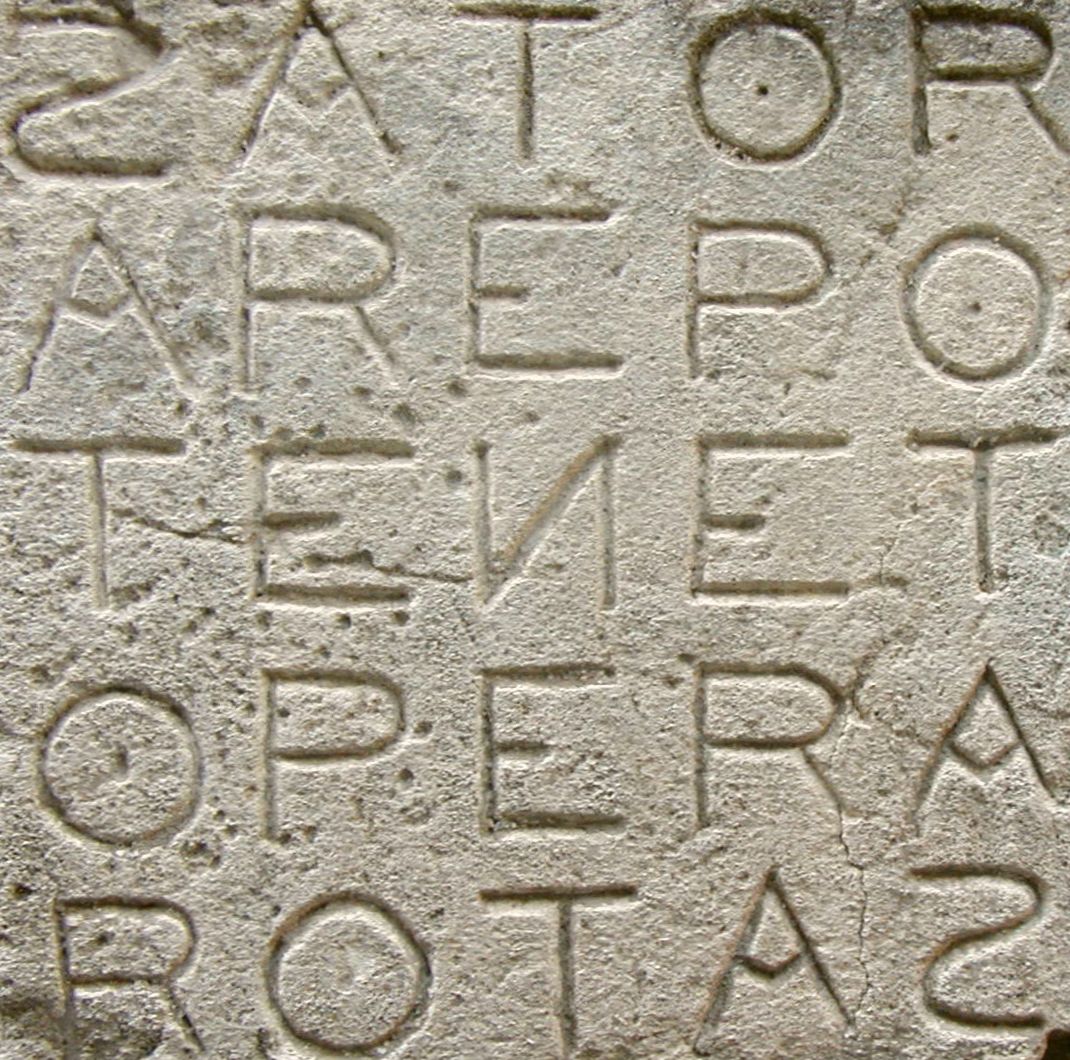 🇮🇹 Italy and 5 moreSator Square
A five-word Latin palindrome found in Roman ruins and medieval churchesCharm · Protection · Healing Historical
🇮🇹 Italy and 5 moreSator Square
A five-word Latin palindrome found in Roman ruins and medieval churchesCharm · Protection · Healing Historical
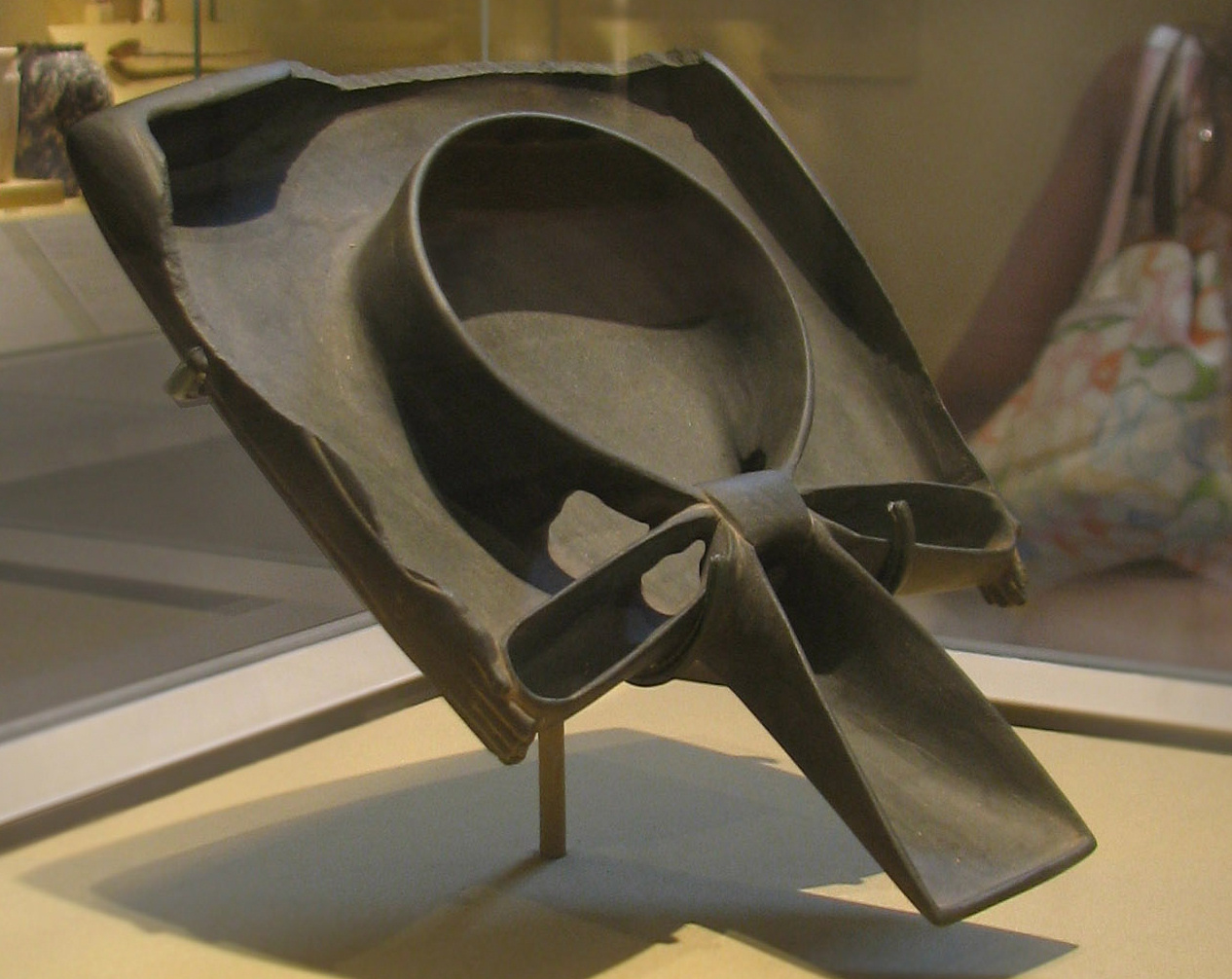 🇪🇬 Egypt and 2 moreAnkh
Ancient Egyptian hieroglyph for life and the amulet that carries its meaningCharm · Protection · Power and authority Historical
🇪🇬 Egypt and 2 moreAnkh
Ancient Egyptian hieroglyph for life and the amulet that carries its meaningCharm · Protection · Power and authority Historical
Photo credits on this page
The small pictures above come from Wikimedia Commons under free licences. Some are cropped to fit.
- Heinrich Cornelius Agrippa: Jean-Louis Durant (1654-1718), Public domain, source
- Ahmad al-Buni: Khalili Collections, CC BY-SA 3.0 igo, source
- Aleister Crowley: Aleister Crowley, Public domain, source
- Ebers Papyrus: PEbers_c41.jpg : Einsamer Schütze derivative work: Photohound ( talk ), CC BY-SA 3.0, source
- Dendera zodiac: Shonagon, CC0, source
- Corpus Hermeticum: Marsilio Ficino, Public domain, source
- Sibylline Oracles: Domenichino, Public domain, source
- Papyrus of Ani: Photographed by the British Museum; original artist unknown, Public domain, source
- Ibn Arabi: Omar.Hafez, CC0, source
- Jabir ibn Hayyan: Unknown author, Public domain, source
- Sator Square: M Disdero, CC BY-SA 3.0, source
- Ankh: Soutekh67, CC BY-SA 4.0, source
- Gematria: Bethsheba Ashe, CC BY-SA 4.0, source
The weekly digest
Every Monday: seven entries you may not know, what is on the calendar this week, and one rite drawn step by step.