
Snake charming is a traditional street performance where musicians play a wind instrument to make serpents move. The practice originated in ancient Egypt and later developed in India, spreading across Asia, the Middle East, and North Africa.
- Snakes do not hear the music but follow the flute's movement
- Indian cobra is the preferred species in South Asia
- Venomoid surgery removes fangs and glands for safety
- Wildlife Protection Act of 1972 banned the trade in India
- Practitioners often belong to the Sapera or Bede communities
What it is
Snake charming is a public entertainment act involving live reptiles. A performer plays a reed instrument while a snake emerges from a container. The animal sways side to side as if dancing to the music. This tradition is linked to ancient Egyptian rituals and South Asian folk culture. Performers often combine the act with juggling or sleight of hand. It is viewed as a display of skill and bravery rather than actual mind control.
Where it comes from
The earliest records appear in ancient Egypt, where serpent handlers were also healers and magicians. They studied snake types and bite treatments. The modern form likely began in India around the medieval period. Hindu beliefs about sacred serpents influenced the practice. Charmer lineages trace back to traditional physicians and exorcists. The art spread from India to Southeast Asia, the Middle East, and North Africa over centuries.
Tools and materials
The main tool is the pungi, a flute made from a dried gourd. Snakes are kept in woven baskets or clay pots. These containers hang from a bamboo pole carried over the shoulder. Performers cover the pots with cloth between sets. In some regions, charms and amulets are sold alongside the show.
Snake charming, drawn and placed
- Living
- Revived
- Fading
- Historical
- Legendary
- Performed
- Timing
- market days and festivals
What it is for
People watch for entertainment and wonder. Historically, charmers provided venom for antivenin production. They also removed dangerous snakes from homes. Some audiences believe the music brings luck or protects against bites. The performances support the livelihoods of wandering families.
Who does it
Snake charming is usually an inherited trade. Boys learn from their fathers at a young age. In India, practitioners often belong to the Sapera caste. In Bangladesh, they are part of the nomadic Bede community. Training involves handling venomous species and treating bites. Many performers also work as traditional healers or sellers of folk remedies.
Peoples and places
The practice is widespread in South Asia, including India, Pakistan, and Sri Lanka. It is common in North African nations like Egypt and Morocco. Southeast Asian countries such as Thailand and Malaysia also host these acts. Indian charmers face strict legal bans, pushing them into rural areas. North African performers often operate in open-air markets and tourist zones.
At a glance: who, where and when
Who does it
Belief worlds
Occasions


What people believe
Hinduism regards serpents as sacred beings linked to deities. Ancient Egyptians associated snakes with ritual magic and healing. Some cultures believe specific tunes can hypnotize reptiles. Others think the music wards off evil spirits. Charmers are sometimes seen as possessing magical powers to cure illnesses or protect homes from danger.
When it is done
Performances peak during local festivals and market days. Charmers travel to villages and towns on these occasions. They set up in busy streets or open squares. Tourist seasons also drive activity in coastal resort areas. There are no fixed religious holidays tied specifically to the act itself.
How scholars and sceptics see it
Researchers note that snakes lack external ears and cannot hear the flute. They respond to the physical movement of the instrument. The swaying motion is a defensive reaction to a perceived threat. Anthropologists study the social status of charmer communities. Historians trace the evolution from royal court entertainers to street performers.
Cautions and what is closed
Many practices cause harm to the animals. Snakes are often starved or dehydrated to make them sluggish. Some have their fangs removed or mouths sewn shut. These methods lead to infection and death. Legal bans in India restrict ownership of wild snakes. Animal rights groups condemn the treatment of the reptiles.
Compare and confuse
Snake handling is a religious ritual in some Christian groups. Worm charming involves making earthworms emerge from the ground. Stage magic uses illusions to deceive the eye. Snake charming relies on live animals and acoustic vibrations. It differs from circus acts by focusing on native venomous species.
Questions people ask about Snake charming
What is snake charming?
It is a street performance where a musician plays a gourd flute to make a snake sway. The act originated in ancient Egypt and India. It is now found across Asia, the Middle East, and North Africa.
How does the snake react to the music?
Snakes cannot hear the melody because they lack outer ears. They move because they sense vibrations and track the motion of the flute. The swaying is a defensive response to a perceived threat.
Which snakes are used in the performance?
In South Asia, the Indian cobra is most common. Russell's vipers and pythons are also used. In North Africa, Egyptian cobras and puff adders appear. Western shows typically use non-venomous boas.
Why is the practice declining in India?
The Wildlife Protection Act of 1972 banned snake ownership. This law was enforced strictly in later decades. Charmers lost their livelihood and moved to rural areas or other countries.
Who performs snake charming today?
Most performers come from the Sapera caste in India or the Bede community in Bangladesh. They learn the trade from family members. Many also sell amulets or offer traditional healing services.
Good reading and sources
- Snake charming on WikipediaEncyclopedia
- More photos on Wikimedia CommonsPhotos and video
- Wikidata recordOpen data
The facts on this page come from the Wikipedia article "Snake charming", written by its contributors and used under the CC BY-SA 4.0 licence, and from its Wikidata record (CC0). EveryJaadu rewrote the text in its own words, with AI assistance, and compares every page with the article to make sure no passage is copied. It may be reused under the same CC BY-SA 4.0 licence with a link back.
It may contain mistakes. Names and customs differ from one community to the next, and some knowledge is closed to outsiders and left out here. This page describes belief and practice. It does not say that any of it works, it is not a how-to, and it is not medical advice. If something is wrong, tell us. Last refreshed 2026-10-05.
More from India
All the entries from India 🇮🇳 India and 1 moreFire eating
A performance art of extinguishing flames in the mouthIllusion · Wonder and entertainment Performed
🇮🇳 India and 1 moreFire eating
A performance art of extinguishing flames in the mouthIllusion · Wonder and entertainment Performed
 🇮🇳 IndiaIndian rope trick
A legendary stage illusion involving a levitating rope and a disappearing boy assistantIllusion · Wonder and entertainment Historical
🇮🇳 IndiaIndian rope trick
A legendary stage illusion involving a levitating rope and a disappearing boy assistantIllusion · Wonder and entertainment Historical
 🇮🇳 India and 1 moreGarba
A Gujarati circle dance performed around a central symbol during NavaratriIllusion · Power and authority · Luck and prosperity Living
🇮🇳 India and 1 moreGarba
A Gujarati circle dance performed around a central symbol during NavaratriIllusion · Power and authority · Luck and prosperity Living
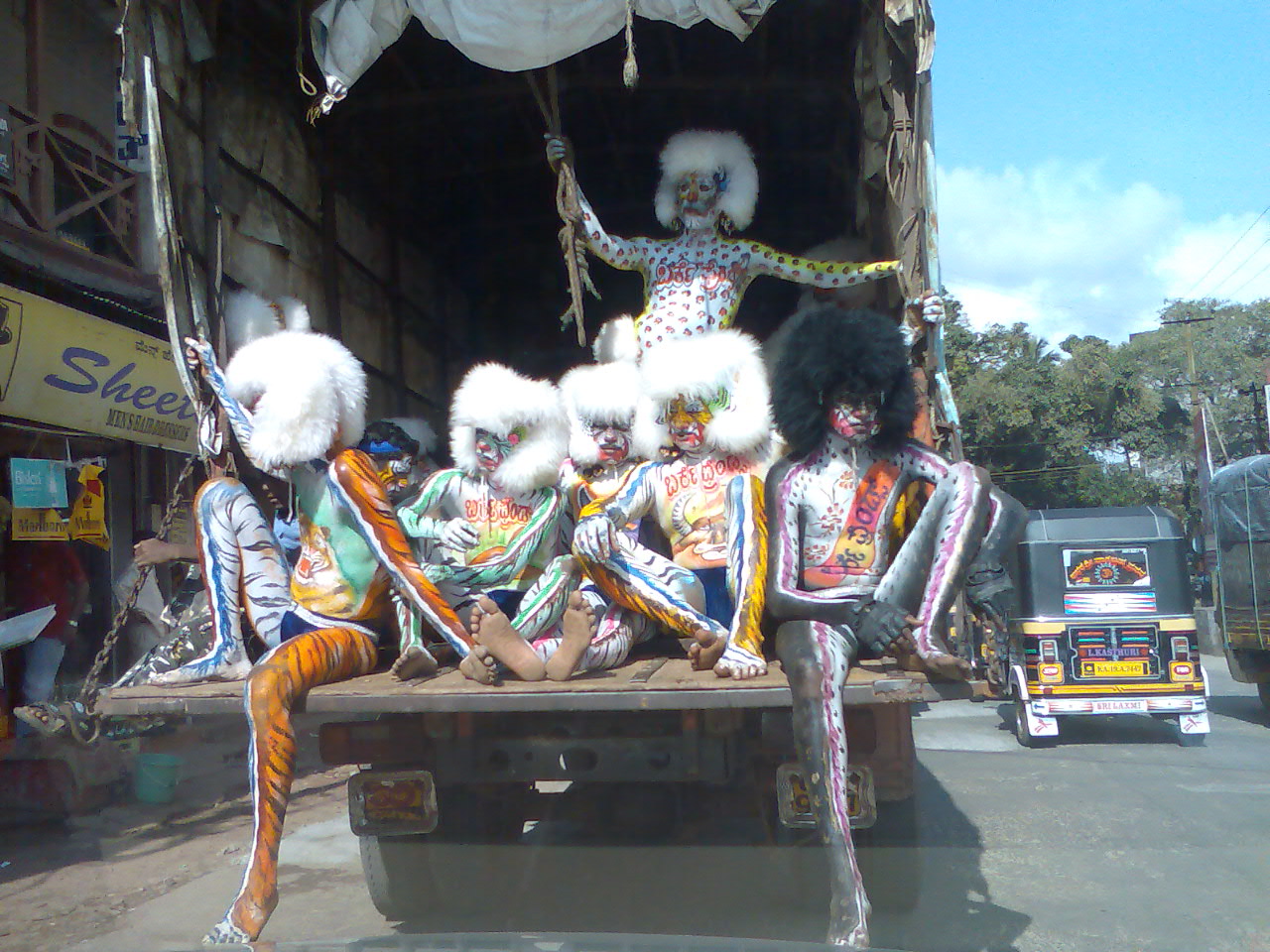 🇮🇳 IndiaPili Yesaಪಿಲಿವೇಷ
A coastal Karnataka folk dance where performers paint themselves as tigers to honour the Goddess DurgaIllusion · Protection · Power and authority Living
🇮🇳 IndiaPili Yesaಪಿಲಿವೇಷ
A coastal Karnataka folk dance where performers paint themselves as tigers to honour the Goddess DurgaIllusion · Protection · Power and authority Living
Related elsewhere
All illusion 🇯🇵 Japan and 2 moreTanabataたなばた (七夕)
A Japanese celebration of star-crossed lovers and written wishesTradition · Luck and prosperity · Wonder and entertainment Living
🇯🇵 Japan and 2 moreTanabataたなばた (七夕)
A Japanese celebration of star-crossed lovers and written wishesTradition · Luck and prosperity · Wonder and entertainment Living
 🇮🇪 Ireland and 5 moreCairn
A human-made stack of stones used as a marker, memorial, or religious symbol across many cultures.Tradition · Protection · Speaking with spirits and the dead Living
🇮🇪 Ireland and 5 moreCairn
A human-made stack of stones used as a marker, memorial, or religious symbol across many cultures.Tradition · Protection · Speaking with spirits and the dead Living
 🇷🇺 Russia and 3 moreFirebird
A glowing bird of Slavic folklore that brings both fortune and peril to those who seek itFigure · Wonder and entertainment · Luck and prosperity Legendary
🇷🇺 Russia and 3 moreFirebird
A glowing bird of Slavic folklore that brings both fortune and peril to those who seek itFigure · Wonder and entertainment · Luck and prosperity Legendary
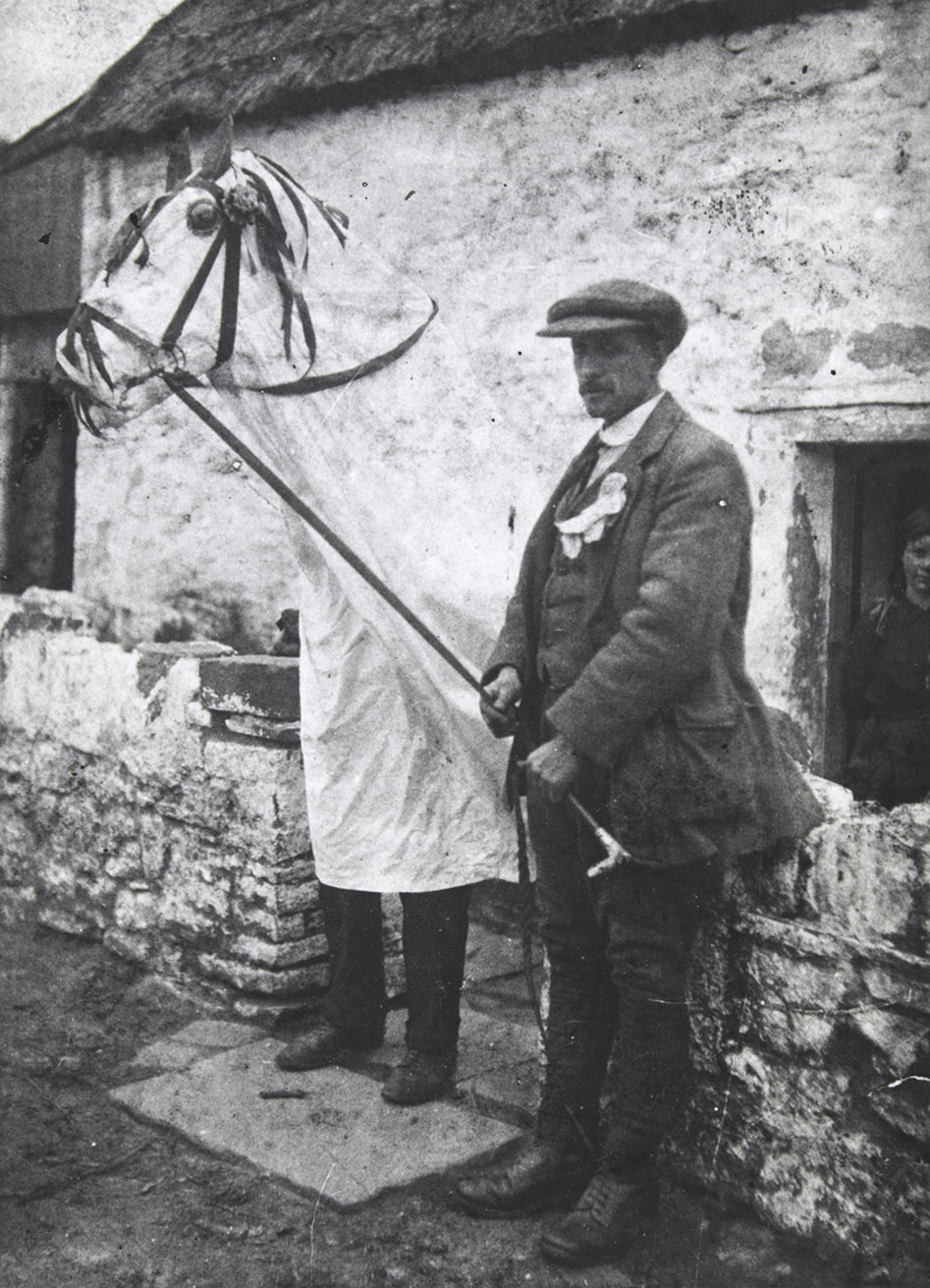 🇬🇧 United KingdomMari LwydY Fari Lwyd
A Welsh winter custom featuring a horse skull carried through villages for song and hospitality.Rite · Luck and prosperity · Wonder and entertainment Revived
🇬🇧 United KingdomMari LwydY Fari Lwyd
A Welsh winter custom featuring a horse skull carried through villages for song and hospitality.Rite · Luck and prosperity · Wonder and entertainment Revived