
Baphomet
Likely an Old French corruption of Mohammed
A name from medieval trials and a symbol of occult equilibrium
The term Baphomet originated in the fourteenth century as an accusation against the Knights Templar. It later became a central figure in Western esotericism through the work of Éliphas Lévi.
- Name appeared in 1098 at Antioch siege
- Accused Templars worshipped Baphomet idol
- Éliphas Lévi created winged goat image
- Likely corruption of Mohammed name
- Symbolizes balance of opposites
What it is
Baphomet is a figure found within Western esoteric traditions. The name first appeared during the thirteenth-century suppression of the Knights Templar. Accusers claimed the order worshipped this entity as a demonic idol. The modern image comes from a nineteenth-century illustration by Éliphas Lévi. His drawing shows a winged, androgynous goat-human hybrid. This design represents the balance of opposing forces. Occultists use it to symbolize esoteric knowledge and universal harmony.
Where it comes from
The word emerged in July 1098 during the siege of Antioch. A letter by Anselm of Ribemont mentioned it. Troubadours used similar terms for Muhammad and mosques. The name appeared again in Provençal poems around 1250. In 1307, King Philip IV arrested the Templars. Tortured confessions named Baphomet as their idol. Scholars agree the name likely corrupted Mohammed. Some theorists suggest Gnostic or Masonic origins instead.
Tools and materials
Confessions described various idols. These included severed heads, cats, and three-faced figures. One account mentioned a wooden head painted with the image. Another described a silver-gilt reliquary. Lévi’s later depiction used specific symbolic elements. The figure combined male and female traits. It featured horns, wings, and torches. These components represented binary opposites.
Baphomet, drawn and placed
- Living
- Revived
- Fading
- Historical
- Legendary
- Performed
- Lineage
- Western esotericism
What it is for
Accusers believed the Templars worshipped Baphomet for power. They claimed the idol bestowed wealth and fertility. Modern occultists view the symbol differently. They see it as a representation of equilibrium. It serves as a marker of esoteric wisdom. The figure helps practitioners understand cosmic balance.
Who does it
Historical records show inquisitors recording accusations. Medieval chroniclers noted the term's usage. Nineteenth-century scholars debated its meaning. Occultists adopted the symbol for their practices. Lévi created the iconic image himself. He intended it to represent perfect synthesis.
Peoples and places
The term originated in France and Egypt. French crusaders encountered it in the Levant. Troubadours spread the name through poetry. The Knights Templar were accused in France. Later, European museums displayed related artifacts. Scholars across different regions have studied the name.
At a glance: who, where and when
Peoples
Belief worlds
What people believe
Medieval Christians viewed Muslims as idolaters. They believed Muslims worshipped Muhammad as a god. The name Baphomet reflected this perception. Later theories linked the term to Gnosticism. Some suggested it meant Baptism of Wisdom. Others proposed cabalistic abbreviations. The symbol represents the reconciliation of opposites.
How scholars and sceptics see it
Historians find the Templar confessions difficult to dismiss entirely. Some acts may have been ritual simulations. However, no specific evidence exists in Templar rules. Modern scholars reject claims of Islamic adoption. Alternative etymologies include Gnostic or Masonic roots. Many proposed connections lack solid evidence.
Compare and confuse
The name is often confused with Mahomet. It relates to medieval views on Islam. The symbol differs from traditional religious icons. It is distinct from earlier pagan deities. The concept shares themes with other dualistic symbols.
Law and persecution
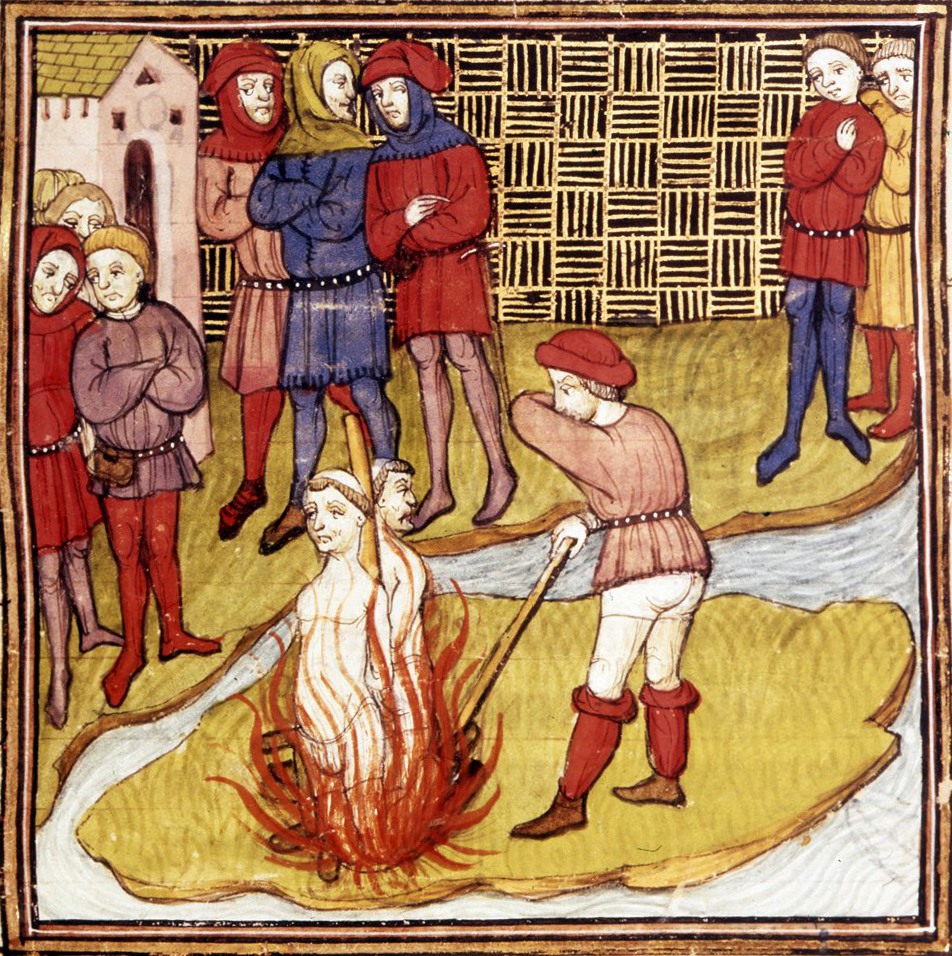
The Knights Templar faced legal suppression in France. King Philip IV orchestrated their arrest. The Inquisition conducted trials. Confessions were obtained under torture. The order was eventually dissolved. No laws currently govern the modern symbol.
Today
The figure remains popular in occult circles. It appears in various esoteric contexts. Museums display artifacts linked to the name. Scholars continue to debate its origins. The symbol adapts to new interpretations.
Questions people ask about Baphomet
What is Baphomet?
It is a figure from Western esotericism. The name originated in medieval trials. It represents a demonic idol in historical accusations. Modern usage focuses on occult symbolism.
Where does the name come from?
Scholars believe it is an Old French corruption of Mohammed. It appeared in letters about the First Crusade. Troubadours used similar terms for Islamic concepts.
Who created the famous image?
Éliphas Lévi designed the iconic figure in 1856. His drawing shows a winged, androgynous goat-human. The image represents the balance of opposing forces.
Why were the Templars accused?
King Philip IV arrested them in 1307. Tortured confessions claimed they worshipped Baphomet. Historians debate if these acts were real or fabricated.
Good reading and sources
- Robin of Sherwood: Cult show returns with fan-funded dramaBBC, Article
- Library of Congress CatalogLibrary of Congress, Article
- Baphomet on WikipediaEncyclopedia
- More photos on Wikimedia CommonsPhotos and video
- Wikidata recordOpen data
The facts on this page come from the Wikipedia article "Baphomet", written by its contributors and used under the CC BY-SA 4.0 licence, and from its Wikidata record (CC0). EveryJaadu rewrote the text in its own words, with AI assistance, and compares every page with the article to make sure no passage is copied. It may be reused under the same CC BY-SA 4.0 licence with a link back.
It may contain mistakes. Names and customs differ from one community to the next, and some knowledge is closed to outsiders and left out here. This page describes belief and practice. It does not say that any of it works, it is not a how-to, and it is not medical advice. If something is wrong, tell us. Last refreshed 2026-10-05.
More from France
All the entries from France 🇬🇧 United Kingdom and 2 moreKing ArthurBrenin Arthur
A legendary British king and folk hero of medieval literature and Welsh mythologyFigure · Power and authority · Wonder and entertainment Legendary
🇬🇧 United Kingdom and 2 moreKing ArthurBrenin Arthur
A legendary British king and folk hero of medieval literature and Welsh mythologyFigure · Power and authority · Wonder and entertainment Legendary
 🇫🇷 France and 5 moreWerewolf
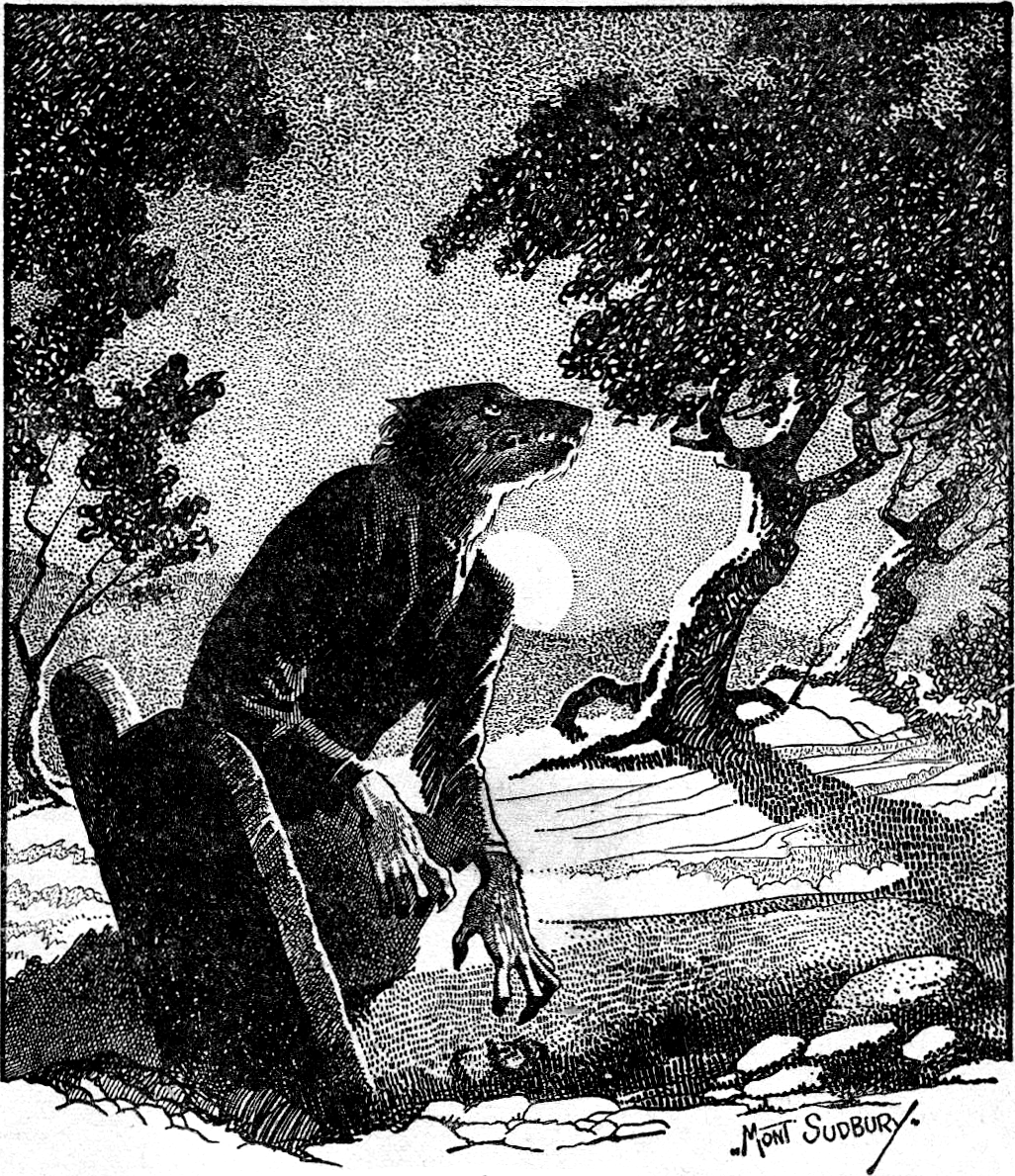
A mythical shapeshifter that turns into a wolf, central to European witch-hunts and Gothic horror.Being · Cursing and harm · Wonder and entertainment Legendary
🇫🇷 France and 5 moreWerewolf
A mythical shapeshifter that turns into a wolf, central to European witch-hunts and Gothic horror.Being · Cursing and harm · Wonder and entertainment Legendary
 🇫🇷 FranceHoly GrailSaint Graal
A cup or stone from Arthurian tales that grants healing and eternal lifeFigure · Healing · Luck and prosperity Legendary
🇫🇷 FranceHoly GrailSaint Graal
A cup or stone from Arthurian tales that grants healing and eternal lifeFigure · Healing · Luck and prosperity Legendary
 🇮🇹 Italy and 5 moreTarottarocchi
A set of playing cards used for games and divinationTradition · Seeing and foretelling · Luck and prosperity Living
🇮🇹 Italy and 5 moreTarottarocchi
A set of playing cards used for games and divinationTradition · Seeing and foretelling · Luck and prosperity Living
Related elsewhere
All figure 🇮🇳 India and 5 moreAstrology
A divinatory practice that reads human fate through the positions of celestial bodies.Belief · Seeing and foretelling · Luck and prosperity Living
🇮🇳 India and 5 moreAstrology
A divinatory practice that reads human fate through the positions of celestial bodies.Belief · Seeing and foretelling · Luck and prosperity Living
 🇮🇳 India and 2 morePalmistry
A divination method that interprets the lines and shapes of the hand to predict fate or reveal character.Oracle · Seeing and foretelling · Power and authority Living
🇮🇳 India and 2 morePalmistry
A divination method that interprets the lines and shapes of the hand to predict fate or reveal character.Oracle · Seeing and foretelling · Power and authority Living
 🇨🇳 China and 3 moreChinese dragon龍
A legendary water deity and imperial symbol in East Asian cultureBeing · Protection · Luck and prosperity Historical
🇨🇳 China and 3 moreChinese dragon龍
A legendary water deity and imperial symbol in East Asian cultureBeing · Protection · Luck and prosperity Historical
 🇮🇳 India and 1 moreGarba
A Gujarati circle dance performed around a central symbol during NavaratriIllusion · Power and authority · Luck and prosperity Living
🇮🇳 India and 1 moreGarba
A Gujarati circle dance performed around a central symbol during NavaratriIllusion · Power and authority · Luck and prosperity Living