Belial
In its own language: בְּלִיַּעַל
from Hebrew beli-yaal, meaning without worth or yokeless
A Hebrew term for worthlessness that evolved into a demon of darkness in Jewish and Christian texts.
Belial begins as a Hebrew word meaning worthless or wicked. Later texts personify it as a demonic prince who opposes God. The concept appears in the Dead Sea Scrolls, the New Testament, and later occult literature.
- Hebrew word meaning worthless or lawless
- Personified as a demon in Dead Sea Scrolls
- Leader of the Sons of Darkness
- Mentioned once in the New Testament
- Included in grimoires like The Lesser Key of Solomon
What it is
Belial is a figure from ancient religious texts that represents evil and corruption. Originally a common noun in Hebrew scripture, it described people or actions that were worthless or lawless. Over time, writers began to treat the word as a proper name for a specific spirit. This spirit became known as a prince of darkness and an enemy of divine light. The concept bridges early biblical descriptions of moral failure with later theological ideas about a personal devil.
Where it comes from
The word appears twenty-seven times in the Masoretic Text of the Hebrew Bible. Early scholars view it as an adjective describing wickedness rather than a name. By the Second Temple period, around three hundred BCE, the term shifted in the Dead Sea Scrolls. There, Belial became a distinct entity leading the forces of darkness against the sons of light. This shift marks the transition from a descriptive phrase to a mythological character.
Belial, drawn and placed
- Living
- Revived
- Fading
- Historical
- Legendary
- Performed
- Lineage
- Abrahamic demonology
What it is for
In later traditions, Belial is said to lead demons and inspire rebellion against God. Texts describe him as controlling spirits of deceit and encouraging acts like fornication and wealth obsession. Opponents believe he seeks to corrupt humanity and separate them from divine law. His presence serves as a counterweight to God's authority in dualistic cosmologies found in certain Jewish and Christian writings.
Who does it
Scholars study the evolution of the term through historical linguistics and textual analysis. Religious commentators interpret the figure within their respective theological frameworks. Occultists in the seventeenth century and later incorporated Belial into ceremonial magic systems. These groups often viewed him as a powerful entity to be invoked or understood within complex hierarchies of hell.
Peoples and places
The concept originates in ancient Hebrew culture and spreads through Jewish apocrypha. It enters Christian theology via the New Testament and early church fathers. Different communities interpret the severity of the figure differently. Some view him as a literal ruler of demons, while others see him as an allegory for human sinfulness. The term also appears in medieval polemics and modern popular media.
At a glance: who, where and when
What people believe
Dualistic texts present a cosmic struggle between light and darkness. Belial is identified as the angel of lawlessness or the prince of darkness. He stands opposite the angel of light, which some texts equate with God himself. Believers hold that he was created for destruction but operates under divine permission. His existence explains the presence of evil in the world without making God its author.
How scholars and sceptics see it
Linguists trace the root words to explain the original meaning of worthlessness. Historians track how the term evolved from a generic insult to a specific demon. Textual critics note variations in spelling, such as Beliar versus Belial, across different manuscripts. Researchers analyze how early Jewish sects used the figure to define community boundaries and identify internal enemies.
Compare and confuse
Belial is often compared to Satan and Samael in later Christian and Gnostic texts. Some sources identify them as the same entity or closely related angels of lawlessness. The term is also linked to Mastema, another figure who tests humans. Unlike Satan, who often serves as an accuser, Belial is frequently depicted as the direct leader of destructive forces.
Questions people ask about Belial
What does the name Belial mean?
The name comes from Hebrew words meaning without worth or yokeless. It originally described worthless people or wicked actions in the Hebrew Bible before becoming a proper name for a demon.
Where does Belial appear in religious texts?
Belial appears in the Hebrew Bible, the Dead Sea Scrolls, the New Testament, and various Jewish and Christian apocrypha. It is also featured in later occult grimoires and popular culture.
Is Belial the same as Satan?
Some later texts identify Belial with Satan or Samael as the ruler of this world. However, in earlier Hebrew texts, it was a general term for wickedness. The identification varies by tradition and time period.
Who leads the forces of Belial?
In the Dead Sea Scrolls, Belial is described as the leader of the Sons of Darkness. He commands angels of destruction and guides those who follow the laws of darkness against the sons of light.
Good reading and sources
- Belial on WikipediaEncyclopedia
- More photos on Wikimedia CommonsPhotos and video
- Wikidata recordOpen data
The facts on this page come from the Wikipedia article "Belial", written by its contributors and used under the CC BY-SA 4.0 licence, and from its Wikidata record (CC0). EveryJaadu rewrote the text in its own words, with AI assistance, and compares every page with the article to make sure no passage is copied. It may be reused under the same CC BY-SA 4.0 licence with a link back.
It may contain mistakes. Names and customs differ from one community to the next, and some knowledge is closed to outsiders and left out here. This page describes belief and practice. It does not say that any of it works, it is not a how-to, and it is not medical advice. If something is wrong, tell us. Last refreshed 2026-10-05.
More from Israel
All the entries from Israel 🇮🇱 IsraelNumber of the beastἈριθμὸς τοῦ θηρίου
A biblical number linked to a prophetic figure and interpreted through ancient letter values.Belief · Cursing and harm Historical
🇮🇱 IsraelNumber of the beastἈριθμὸς τοῦ θηρίου
A biblical number linked to a prophetic figure and interpreted through ancient letter values.Belief · Cursing and harm Historical
 🇮🇱 Israel and 5 moreTetragrammatonיהוה
The four-letter name of God in the Hebrew Bible, written as YHWH.Belief · Speaking with spirits and the dead Living
🇮🇱 Israel and 5 moreTetragrammatonיהוה
The four-letter name of God in the Hebrew Bible, written as YHWH.Belief · Speaking with spirits and the dead Living
 🇸🇾 Syria and 5 moreBaetyl
A sacred stone, often a meteorite, believed to house a deity in ancient Near Eastern and Mediterranean traditions.Charm · Power and authority · Speaking with spirits and the dead Historical
🇸🇾 Syria and 5 moreBaetyl
A sacred stone, often a meteorite, believed to house a deity in ancient Near Eastern and Mediterranean traditions.Charm · Power and authority · Speaking with spirits and the dead Historical
 🇮🇱 Israel and 1 moreAzazelעזאזל
A desert place and fallen angel linked to the Yom Kippur scapegoat ritualFigure · Cursing and harm · Cleansing and purification Historical
🇮🇱 Israel and 1 moreAzazelעזאזל
A desert place and fallen angel linked to the Yom Kippur scapegoat ritualFigure · Cursing and harm · Cleansing and purification Historical
Related elsewhere
All being 🇷🇸 Serbia and 5 moreVampire
An undead creature from folklore that feeds on the blood or life force of the livingBeing · Cursing and harm · Luck and prosperity Legendary
🇷🇸 Serbia and 5 moreVampire
An undead creature from folklore that feeds on the blood or life force of the livingBeing · Cursing and harm · Luck and prosperity Legendary
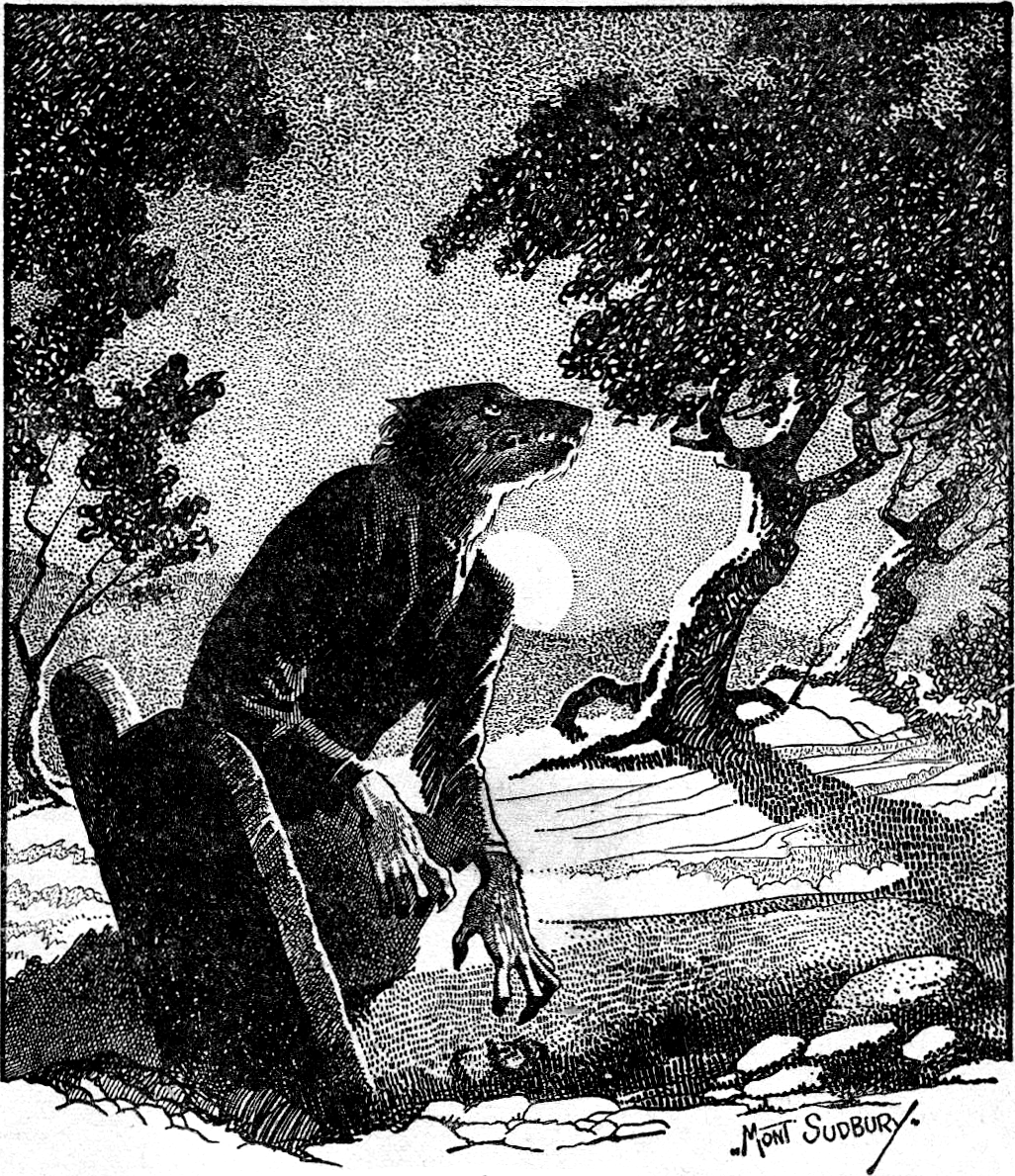 🇫🇷 France and 5 moreWerewolf
A mythical shapeshifter that turns into a wolf, central to European witch-hunts and Gothic horror.Being · Cursing and harm · Wonder and entertainment Legendary
🇫🇷 France and 5 moreWerewolf
A mythical shapeshifter that turns into a wolf, central to European witch-hunts and Gothic horror.Being · Cursing and harm · Wonder and entertainment Legendary
 🇪🇬 Egypt and 1 moreLilithלִילִית
A feminine figure from Mesopotamian and Jewish mythology, often depicted as a night demon or spirit.Being · Cursing and harm Legendary
🇪🇬 Egypt and 1 moreLilithלִילִית
A feminine figure from Mesopotamian and Jewish mythology, often depicted as a night demon or spirit.Being · Cursing and harm Legendary
 🇪🇬 EgyptCurse
A spoken wish for misfortune to befall a person or placeBelief · Cursing and harm · Luck and prosperity Historical
🇪🇬 EgyptCurse
A spoken wish for misfortune to befall a person or placeBelief · Cursing and harm · Luck and prosperity Historical