
Opening of the mouth ceremony
In its own language: wpt-r (Egyptian)
from Egyptian wpt-r, meaning 'opening of the mouth'
An ancient Egyptian rite to restore a deceased person's senses for the afterlife
The opening of the mouth ceremony was an ancient Egyptian funeral ritual described in texts like the Pyramid Texts. It was performed on mummies and statues to grant the deceased their fundamental senses, such as breathing and speaking, so they could navigate the trials of the afterlife.
- Performed on mummies and statues to restore senses for the afterlife
- Used tools like the ritual adze and peseshkef blade
- Documented in Pyramid Texts from the Old Kingdom onward
- Conducted by Sem priests representing Horus
- Linked to rebirth and the myth of Horus and Osiris
What it is
The opening of the mouth ceremony was a central ritual in ancient Egyptian funerary practice. It was designed to restore the basic senses of the deceased, including sight, hearing, speech, and the ability to eat and drink. Ancient Egyptians believed that without these restored faculties, a spirit could not survive the trials of the duat, or underworld. The ritual ensured that the individual could interact with offerings, recite necessary spells, and maintain their existence in the afterlife. Originally performed on statues and ushabtis, it became primarily associated with mummies during the Middle and New Kingdoms.
Where it comes from
The ceremony is documented from the Old Kingdom through the Roman Period in Egypt. Early evidence appears in the Pyramid Texts, where it is linked to the mythological restoration of Horus's eye. The ritual also shares thematic connections with childbirth, using tools like the peseshkef, which may have originally been used to cut umbilical cords. This association emphasized the concept of rebirth and new beginnings for the deceased. Over time, the focus shifted from statues to actual mummies, though the symbolic actions remained consistent across centuries.
How it is done
The process involved several stages, including purification with natron and the application of perfumes. A Sem priest, often wearing a jackal mask to represent Anubis, would lead the rites. The priest would use specific tools, such as a ritual adze and a peseshkef blade, to touch the eyes and mouth of the deceased or statue. These actions were accompanied by prayers and spells intended to revive the senses. Offerings of meat, grain, and incense were presented, and a funerary meal marked the conclusion of the ceremony.
Tools and materials
Key instruments included the ritual adze, used to touch the eyes and mouth, and the peseshkef, a forked blade made of obsidian, glass, or stone. The name peseshkef translates to 'splitter of his ka-spirit.' A calf's leg was also employed to extract the ba, or personality, from the body, allowing it to merge with the ka, or life force. Incense was burned to purify the air and appease the gods. Natron, a type of salt, was used for purification, while perfumes symbolized the saliva of Horus.
Opening of the mouth ceremony, drawn and placed
- Living
- Revived
- Fading
- Historical
- Legendary
- Performed
- Lineage
- Ancient Egyptian funerary practice
- Timing
- during funeral rites and mummification
What it is for
The primary intent was to enable the deceased to function in the afterlife. By restoring senses, the ritual allowed the spirit to navigate the duat, avoid hazards, and communicate with the gods. It also facilitated the acceptance of food and drink offerings, which were essential for sustenance in the next world. The ceremony was believed to transform the deceased into an akh, a glorified spirit capable of moving freely and interacting with the divine realm.
Who does it
The ritual was conducted by priests, particularly the Sem priest, who held an esteemed religious rank. The Sem priest was responsible for embalming and mummifying the body and played a central role in the ceremony. In some depictions, the Sem priest represented Horus, safeguarding the deceased, who was regarded as Osiris. The priest would perform specific actions, such as ceremonially fainting at the tomb's entrance and being revived, symbolizing rejuvenation and transition.
Peoples and places
The ceremony was practiced by ancient Egyptians throughout various periods, from the Old Kingdom to the Roman era. It is well-documented in tombs such as that of Rekhmire, which provides a detailed sequence of events. The ritual evolved over time, with early versions focusing on statues and later versions emphasizing mummies. The practices reflected broader Egyptian beliefs about death, rebirth, and the journey to the afterlife, integrating mythological elements and familial roles.
At a glance: who, where and when
Who does it
Peoples
Belief worlds
Occasions


What people believe
Ancient Egyptians believed the afterlife required the deceased to pass through the duat, facing trials and creatures. To succeed, individuals needed their senses intact to recite spells and assert innocence before the gods. The ritual mirrored the myth of Horus protecting his father, Osiris, and restoring his eye. It was thought that the deceased received milk, saltwater, and water upon entering the underworld, similar to an infant's first nourishment. This symbolic rebirth was crucial for their transformation into an akh.
When it is done
The ceremony was performed during funeral rites, following the mummification process. It was closely tied to the burial event, occurring after the body had been purified and prepared. Specific moments within the ritual, such as the Sem priest's fainting and revival, marked significant transitions. The timing aligned with the belief that the deceased needed immediate preparation for their journey into the afterlife, ensuring their senses were restored before they departed.
How scholars and sceptics see it
Scholars analyze the opening of the mouth ceremony through its textual records, such as the Pyramid Texts and the Book of the Dead. Ann Macy Roth notes that the term wpt-r implies splitting or separating, reflecting the ritual's transformative nature. Parallels with Psalm 51 in biblical literature highlight shared themes of ritual washing and restoration. Researchers study the evolution of the ritual from statues to mummies, examining how it adapted to changing funerary practices while maintaining its core purpose of enabling afterlife survival.
Cautions and what is closed
The ceremony is a historical practice with no living tradition. Modern interest lies in academic study and cultural heritage. There are no known risks or harms associated with the ritual itself, as it was confined to ancient Egypt. Contemporary discussions focus on understanding its significance within Egyptian religion and its influence on later traditions. The ritual is respected as a key component of ancient funerary customs, providing insight into how Egyptians viewed death and the afterlife.
Compare and confuse
The opening of the mouth ceremony is sometimes compared to other ancient rituals involving sense restoration or rebirth. Its parallels with Psalm 51 suggest shared motifs of purification and invocation. While distinct in context, both emphasize the importance of sensory and spiritual renewal. The ritual's use of tools like the peseshkef and adze sets it apart from other practices, highlighting the specific material culture of ancient Egypt. It remains unique in its detailed integration of mythology and funerary procedure.
Questions people ask about Opening of the mouth ceremony
What is the opening of the mouth ceremony?
It is an ancient Egyptian funeral ritual designed to restore the deceased's senses, such as sight and speech, enabling them to survive in the afterlife. It was performed on mummies and statues using specific tools and prayers.
Where did this ritual originate?
The ceremony originated in ancient Egypt, with evidence dating back to the Old Kingdom. It is recorded in texts like the Pyramid Texts and was practiced until the Roman Period, evolving from statue-focused rites to mummy-focused ones.
Why was the ceremony important?
It was believed necessary for the deceased to navigate the duat, or underworld, and interact with offerings. Without restored senses, the spirit could not recite spells or sustain itself in the afterlife, making the ritual vital for eternal existence.
Who performed the opening of the mouth ceremony?
The ritual was conducted by priests, particularly the Sem priest, who held a high religious rank. The Sem priest often represented the god Horus, safeguarding the deceased, who was regarded as Osiris, during the rites.
Good reading and sources
- Opening of the mouth ceremony on WikipediaEncyclopedia
- More photos on Wikimedia CommonsPhotos and video
- Wikidata recordOpen data
The facts on this page come from the Wikipedia article "Opening of the mouth ceremony", written by its contributors and used under the CC BY-SA 4.0 licence, and from its Wikidata record (CC0). EveryJaadu rewrote the text in its own words, with AI assistance, and compares every page with the article to make sure no passage is copied. It may be reused under the same CC BY-SA 4.0 licence with a link back.
It may contain mistakes. Names and customs differ from one community to the next, and some knowledge is closed to outsiders and left out here. This page describes belief and practice. It does not say that any of it works, it is not a how-to, and it is not medical advice. If something is wrong, tell us. Last refreshed 2026-10-05.
More from Egypt
All the entries from Egypt 🇪🇬 EgyptCurse
A spoken wish for misfortune to befall a person or placeBelief · Cursing and harm · Luck and prosperity Historical
🇪🇬 EgyptCurse
A spoken wish for misfortune to befall a person or placeBelief · Cursing and harm · Luck and prosperity Historical
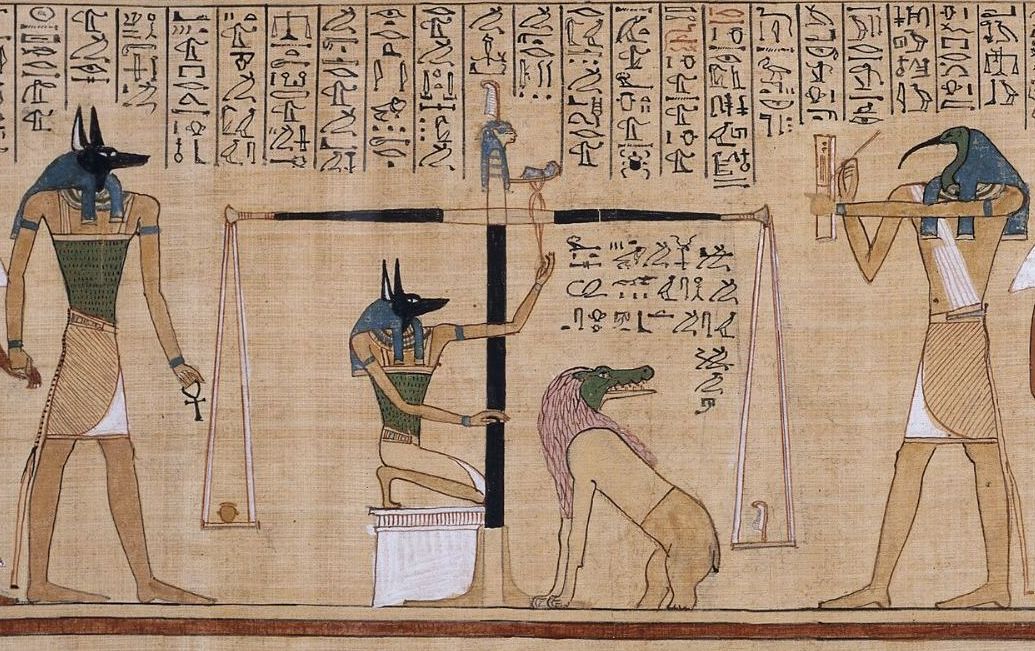 🇪🇬 EgyptAncient Egyptian afterlife beliefs
A system of rituals and texts guiding the soul through the underworld to eternal rebirthTradition · Protection · Speaking with spirits and the dead Historical
🇪🇬 EgyptAncient Egyptian afterlife beliefs
A system of rituals and texts guiding the soul through the underworld to eternal rebirthTradition · Protection · Speaking with spirits and the dead Historical
 🇪🇬 Egypt and 1 moreFoundation deposit
Ritual burial of objects under buildings to protect them from ruinRite · Protection Historical
🇪🇬 Egypt and 1 moreFoundation deposit
Ritual burial of objects under buildings to protect them from ruinRite · Protection Historical
 🇪🇬 Egypt and 1 moreAncient Egyptian religion
Polytheistic worship, divine kingship, and funerary rites along the NileTradition · Protection · Speaking with spirits and the dead Historical
🇪🇬 Egypt and 1 moreAncient Egyptian religion
Polytheistic worship, divine kingship, and funerary rites along the NileTradition · Protection · Speaking with spirits and the dead Historical
Related elsewhere
All rite 🇮🇳 India and 1 moreMantraमन्त्रम्
A sacred sound or phrase repeated to focus the mind and invoke spiritual powerText · Speaking with spirits and the dead · Power and authority Living
🇮🇳 India and 1 moreMantraमन्त्रम्
A sacred sound or phrase repeated to focus the mind and invoke spiritual powerText · Speaking with spirits and the dead · Power and authority Living
 🇮🇶 Iraq and 5 moreGrimoire
A textbook containing instructions for spells, rituals, and the creation of magical objects.Text · Protection · Healing Historical
🇮🇶 Iraq and 5 moreGrimoire
A textbook containing instructions for spells, rituals, and the creation of magical objects.Text · Protection · Healing Historical
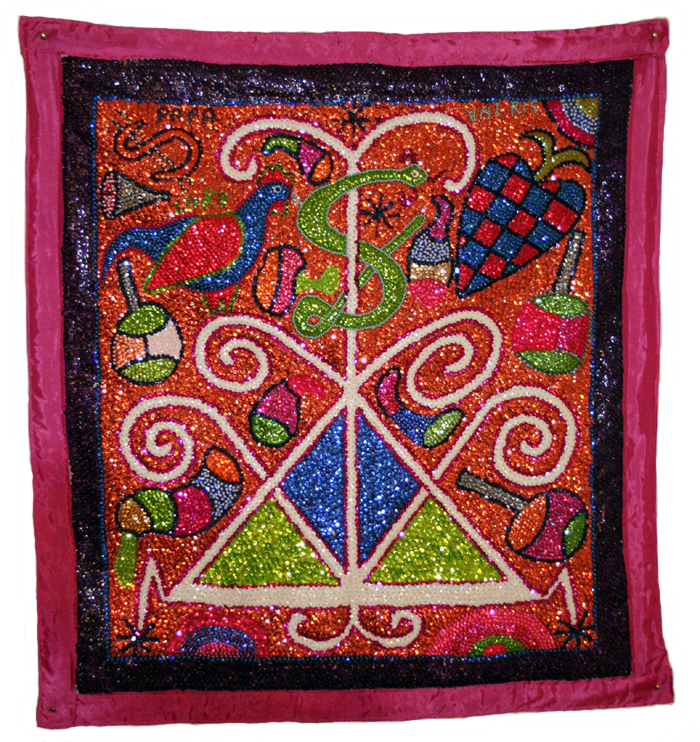 🇭🇹 Haiti and 2 moreHaitian VodouVodou
An Afro-Haitian religion blending West African traditions with Catholicism and FreemasonryTradition · Protection · Healing Living
🇭🇹 Haiti and 2 moreHaitian VodouVodou
An Afro-Haitian religion blending West African traditions with Catholicism and FreemasonryTradition · Protection · Healing Living