
Djed
In its own language: ḏd
from Ancient Egyptian ḏd, meaning pillar
An ancient Egyptian pillar symbol representing stability and resurrection
The djed is a pillar-like hieroglyph from ancient Egypt that stands for stability. It became closely linked to the god Osiris and was used in rituals to support the spine of the deceased.
- The djed symbolizes stability and is linked to Osiris's spine.
- The raising of the djed was a key part of the Sed festival.
- Gold amulets were placed on mummies to ensure resurrection.
- The ritual involved lifting a wooden pillar with ropes and priests.
- Parallels exist between the djed and Assyrian sacred trees.
What it is
The djed is an ancient Egyptian hieroglyph shaped like a pillar with four horizontal bars. It represents stability and strength within the religious framework of ancient Egypt. The symbol is deeply connected to the god Osiris, who rules over the afterlife and resurrection. It is also understood to represent the spine of Osiris, serving as a structural metaphor for the body's support and endurance.
Where it comes from
Scholars suggest the djed may have originated as a fertility cult pillar made from reeds or grain sheaves. Erich Neumann described it as a tree fetish, highlighting its significance in a largely treeless land. The symbol later associated with Seker, a falcon god, before becoming firmly linked to Ptah and then Osiris by the New Kingdom period. Some researchers propose a biological origin, linking the djed to the sacrum of a bull's spine, reflecting beliefs about semen creation.
How it is done
The primary ritual involved the 'raising of the djed' during the Sed festival. The pharaoh, assisted by priests, would hoist a wooden djed column using ropes. This act symbolized Osiris's triumph over Seth and was performed when agricultural seasons began. The ceremony included offerings, music from sistrums, and dances. Reenactments of the Osiris myth were also conducted at sacred sites like Abydos, involving hundreds of participants and elaborate props.
Tools and materials
The ritual utilized a large wooden column representing the djed. Priests used ropes to lift the pillar. Offerings included food items like bread, beef, and flowers, along with libation vessels containing oil and unguents. Amulets made of gold or other materials were placed near the spines of mummified bodies to ensure resurrection. The pillar itself was sometimes anointed with myrrh and wrapped in linen.
Djed, drawn and placed
- Living
- Revived
- Fading
- Historical
- Legendary
- Performed
- Lineage
- ancient Egyptian religion
- Timing
- during the Sed festival and at funerals
What it is for
The djed served to invoke stability and power. In funerary contexts, it was believed to restore the spine of the deceased, allowing them to sit up and live eternally. During festivals, it acted as an appeal to Osiris to favor crop growth, paralleling his own renewal. The symbol provided spiritual protection and reinforced the divine authority of the pharaoh and the gods.
Who does it
The raising of the djed was led by the pharaoh, supported by priests from temples such as those in Memphis. Royal daughters and young women participated in the musical aspects, rattling sistrums and holding menat amulets. The practice required specialized knowledge of ritual protocols and mythological narratives, performed by trained religious officials and royal family members.
Peoples and places
The djed is central to ancient Egyptian culture, particularly in cities like Memphis and Abydos. It appears in myths involving Byblos, where Osiris's coffin was hidden in a pillar. Parallels are drawn with Assyrian sacred trees and Sumerian fertility symbols, suggesting shared motifs across Near Eastern cultures. The symbol's association with the spine reflects specific biomedical theories held by ancient Egyptians regarding bodily functions.
At a glance: who, where and when
Peoples
Belief worlds
Occasions


What people believe
Ancient Egyptians believed the djed embodied the stability of Osiris and the cosmos. The spine was viewed as the seat of life force, with semen thought to be created within it. The symbol's connection to the bull's sacrum reinforced ideas of virility and endurance. Rituals aimed to align the living and the dead with this cosmic order, ensuring continuity and resurrection through the power of the stable pillar.
When it is done
The main celebration occurred during the Sed festival, specifically in the month of Koiak. This timing coincided with the start of the agricultural season, making it ideal for invoking fertility. The festival lasted from the 13th to the 30th of Koiak, featuring daily ceremonies. Later additions included recitations of lamentations on the 25th day, enhancing the emotional and spiritual depth of the observance.
Questions people ask about Djed
What does the djed symbol represent?
The djed is a pillar-like hieroglyph that represents stability and strength. It is closely associated with the god Osiris and is often interpreted as symbolizing his spine, providing structural support for the body and the cosmos.
Where did the djed originate?
The djed likely originated as a fertility cult pillar made from reeds or grain sheaves. It evolved to associate with various gods, including Seker and Ptah, before becoming firmly linked to Osiris during the New Kingdom period in ancient Egypt.
How was the djed used in rituals?
The djed was raised during the Sed festival by the pharaoh and priests using ropes. This act symbolized Osiris's victory over Seth and was intended to promote agricultural fertility and cosmic stability, accompanied by music, dance, and offerings.
Why was the djed placed on mummies?
Djed amulets were placed near the spines of mummified bodies to ensure the resurrection of the deceased. Belief held that this would restore the spine's function, allowing the dead to sit up and live eternally in the afterlife.
Good reading and sources
- Djed on WikipediaEncyclopedia
- More photos on Wikimedia CommonsPhotos and video
- Wikidata recordOpen data
The facts on this page come from the Wikipedia article "Djed", written by its contributors and used under the CC BY-SA 4.0 licence, and from its Wikidata record (CC0). EveryJaadu rewrote the text in its own words, with AI assistance, and compares every page with the article to make sure no passage is copied. It may be reused under the same CC BY-SA 4.0 licence with a link back.
It may contain mistakes. Names and customs differ from one community to the next, and some knowledge is closed to outsiders and left out here. This page describes belief and practice. It does not say that any of it works, it is not a how-to, and it is not medical advice. If something is wrong, tell us. Last refreshed 2026-10-05.
More from Egypt
All the entries from Egypt 🇪🇬 EgyptCurse
A spoken wish for misfortune to befall a person or placeBelief · Cursing and harm · Luck and prosperity Historical
🇪🇬 EgyptCurse
A spoken wish for misfortune to befall a person or placeBelief · Cursing and harm · Luck and prosperity Historical
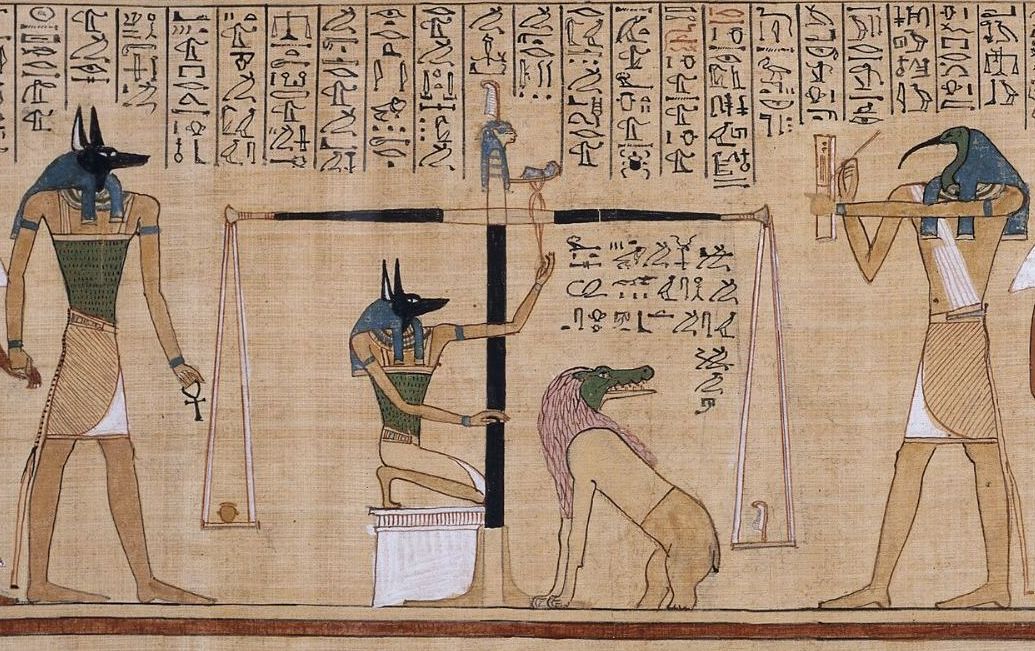 🇪🇬 EgyptAncient Egyptian afterlife beliefs
A system of rituals and texts guiding the soul through the underworld to eternal rebirthTradition · Protection · Speaking with spirits and the dead Historical
🇪🇬 EgyptAncient Egyptian afterlife beliefs
A system of rituals and texts guiding the soul through the underworld to eternal rebirthTradition · Protection · Speaking with spirits and the dead Historical
 🇪🇬 Egypt and 5 moreHamsaخمسة
A palm-shaped amulet used across North Africa and the Middle East to ward off harm.Charm · Protection · Luck and prosperity Living
🇪🇬 Egypt and 5 moreHamsaخمسة
A palm-shaped amulet used across North Africa and the Middle East to ward off harm.Charm · Protection · Luck and prosperity Living
 🇪🇬 EgyptScarab
A carved beetle amulet and seal used in ancient Egypt for protection, identity, and ritual.Charm · Protection · Luck and prosperity Historical
🇪🇬 EgyptScarab
A carved beetle amulet and seal used in ancient Egypt for protection, identity, and ritual.Charm · Protection · Luck and prosperity Historical
Related elsewhere
All charm 🇨🇳 China and 3 moreChinese dragon龍
A legendary water deity and imperial symbol in East Asian cultureBeing · Protection · Luck and prosperity Historical
🇨🇳 China and 3 moreChinese dragon龍
A legendary water deity and imperial symbol in East Asian cultureBeing · Protection · Luck and prosperity Historical
 🇮🇳 India and 2 moreHomaहोम
A fire ritual found across Asian religions where offerings are burned as a votive exchange with the divine.Rite · Protection · Speaking with spirits and the dead Living
🇮🇳 India and 2 moreHomaहोम
A fire ritual found across Asian religions where offerings are burned as a votive exchange with the divine.Rite · Protection · Speaking with spirits and the dead Living
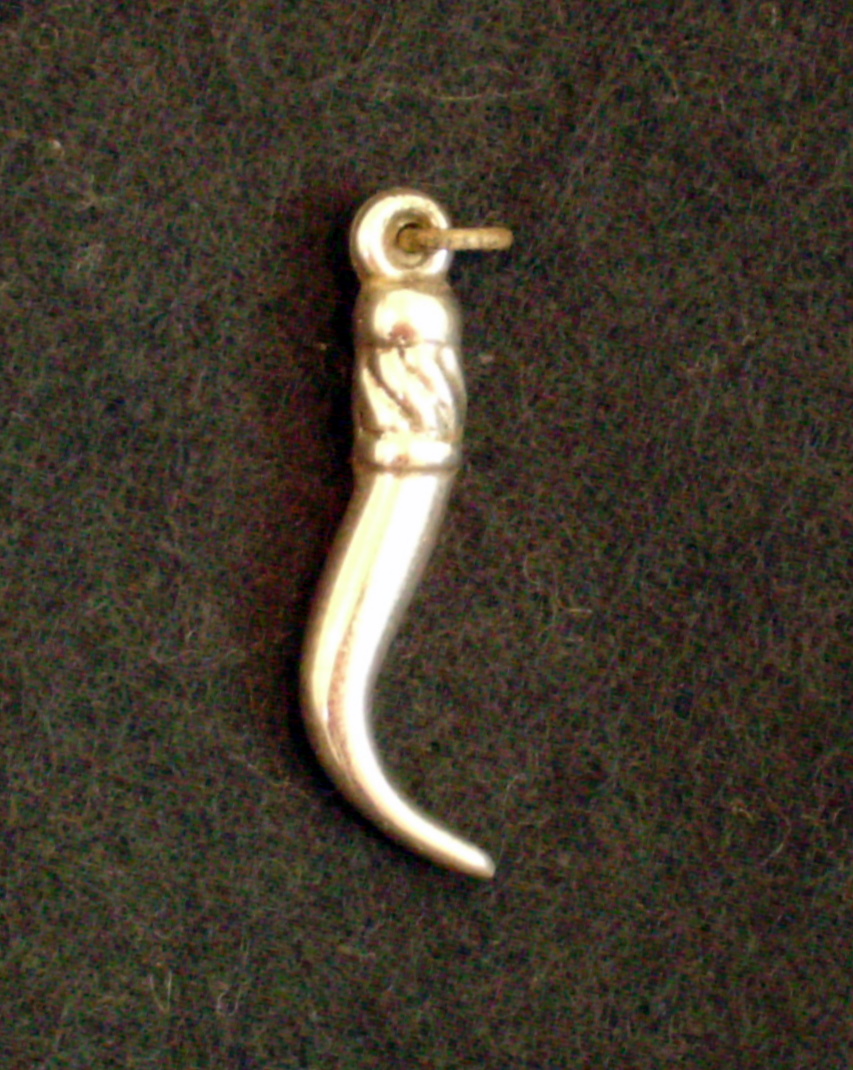 🇮🇹 ItalyCornicello
A twisted horn charm worn in Italy to ward off the evil eye and invite luck.Charm · Protection · Luck and prosperity Living
🇮🇹 ItalyCornicello
A twisted horn charm worn in Italy to ward off the evil eye and invite luck.Charm · Protection · Luck and prosperity Living
 🇫🇷 France and 5 moreYule log
A large wooden log burned in the hearth during winter festivals across Europe and North America.Tradition · Protection · Luck and prosperity Living
🇫🇷 France and 5 moreYule log
A large wooden log burned in the hearth during winter festivals across Europe and North America.Tradition · Protection · Luck and prosperity Living